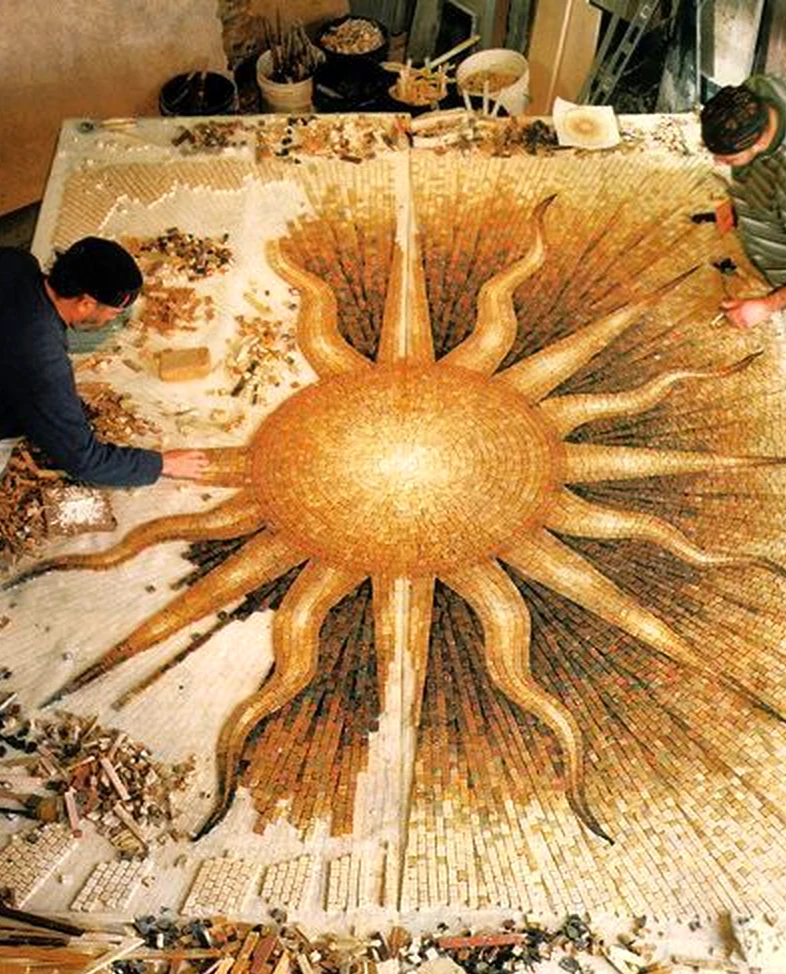
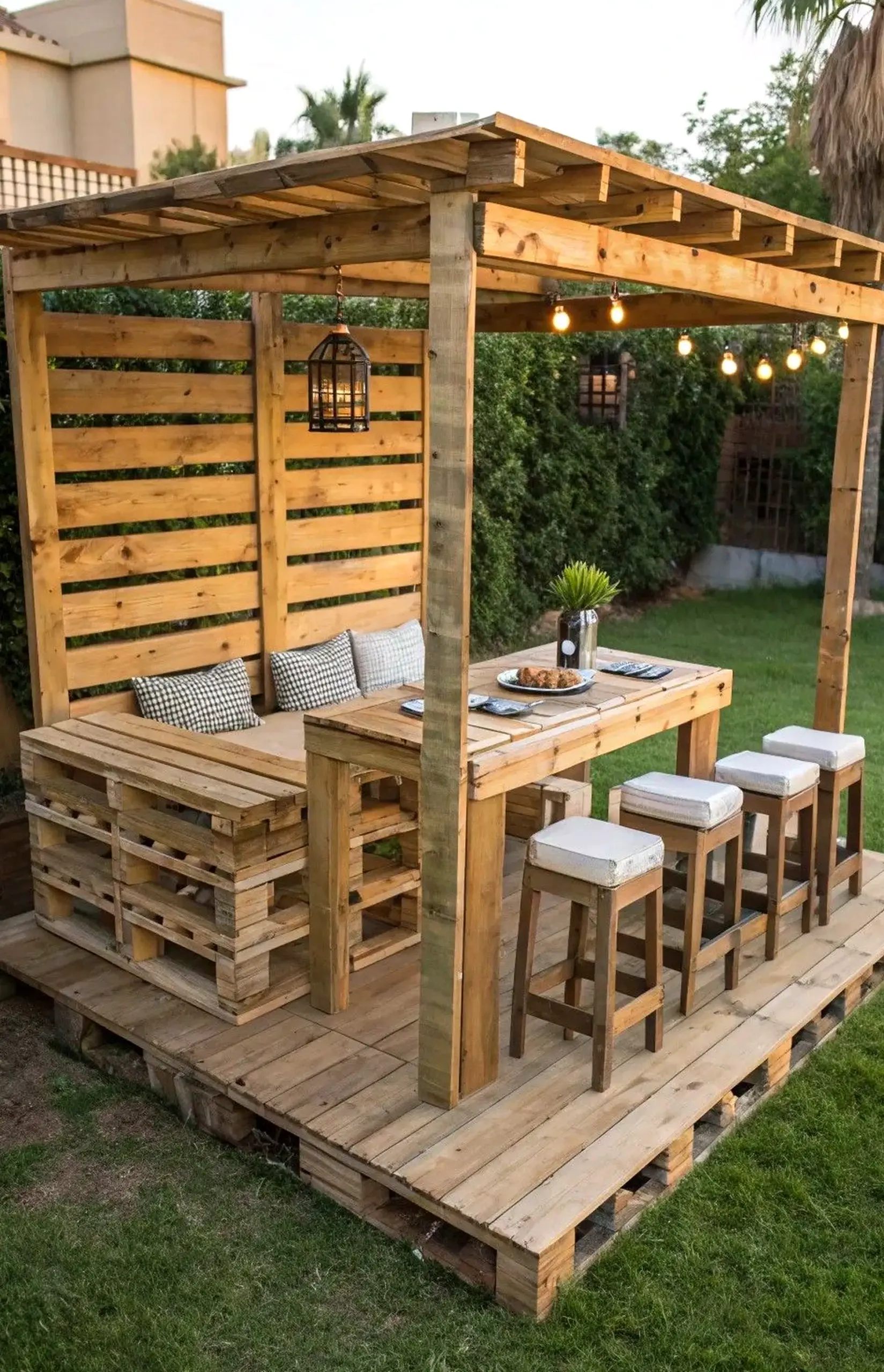
A useful home idea usually starts with one visible cue and then leaves the rest of the room some air. For a homeowner drawn to natural materials and edited comfort, the most useful part of moss decorating references for real homes is the way it turns visual atmosphere into manageable edits. The strongest cues, including warm surface and calm storage corner, are small enough to adapt but clear enough to change the mood of a room. The article should help the reader turn the reference into one manageable change, especially when a detail like cozy terrace table can be tested at home.
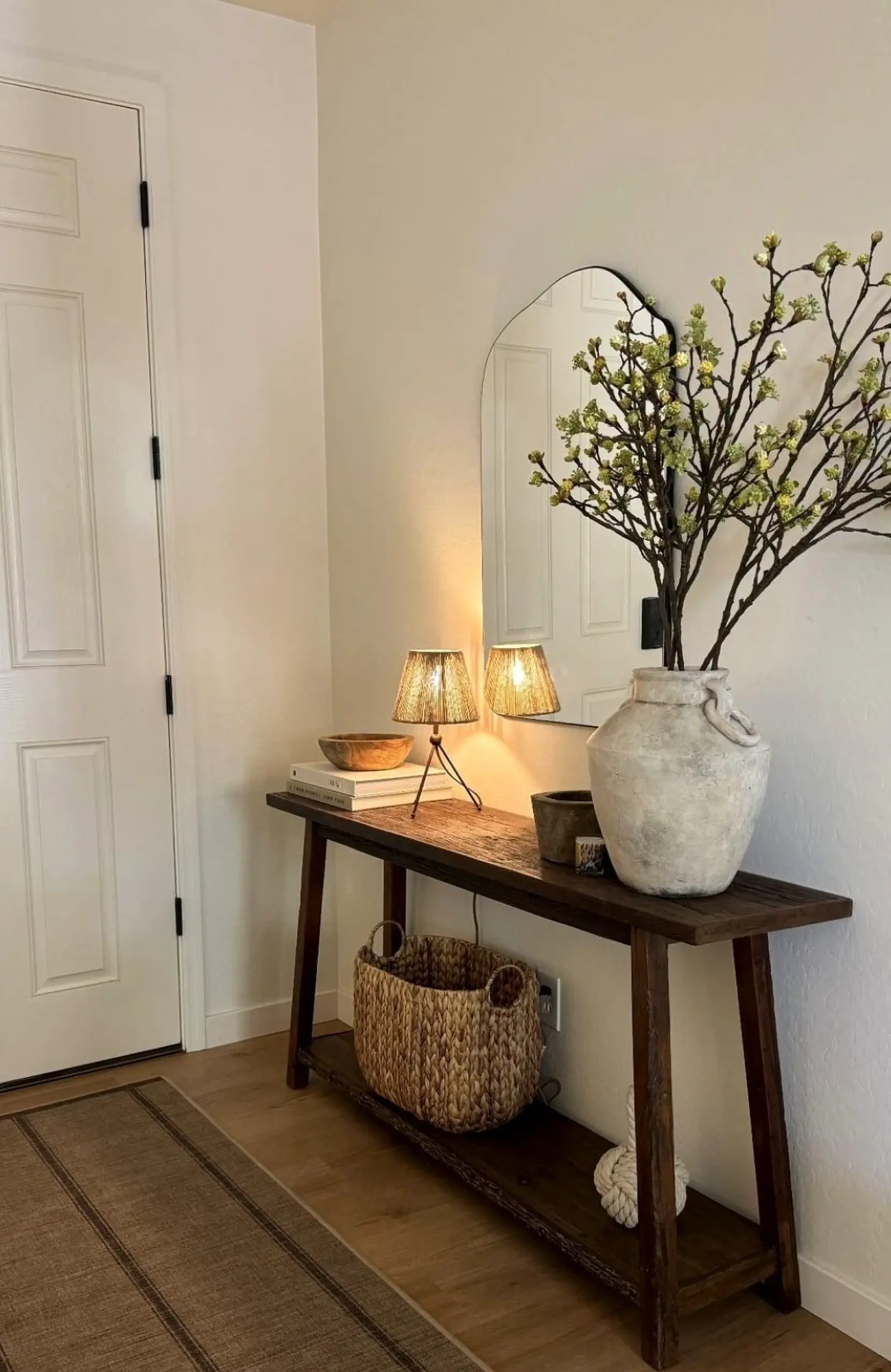
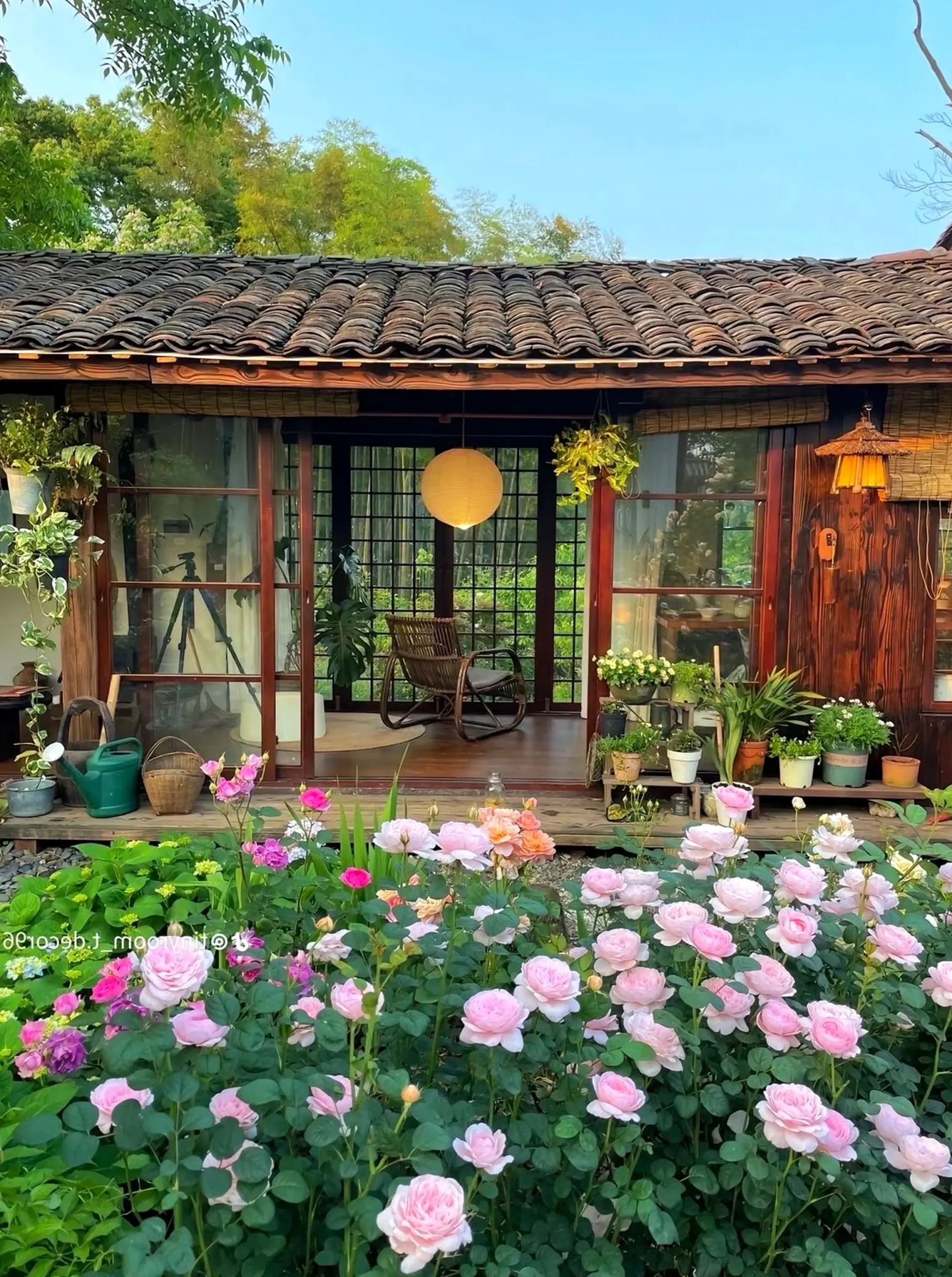
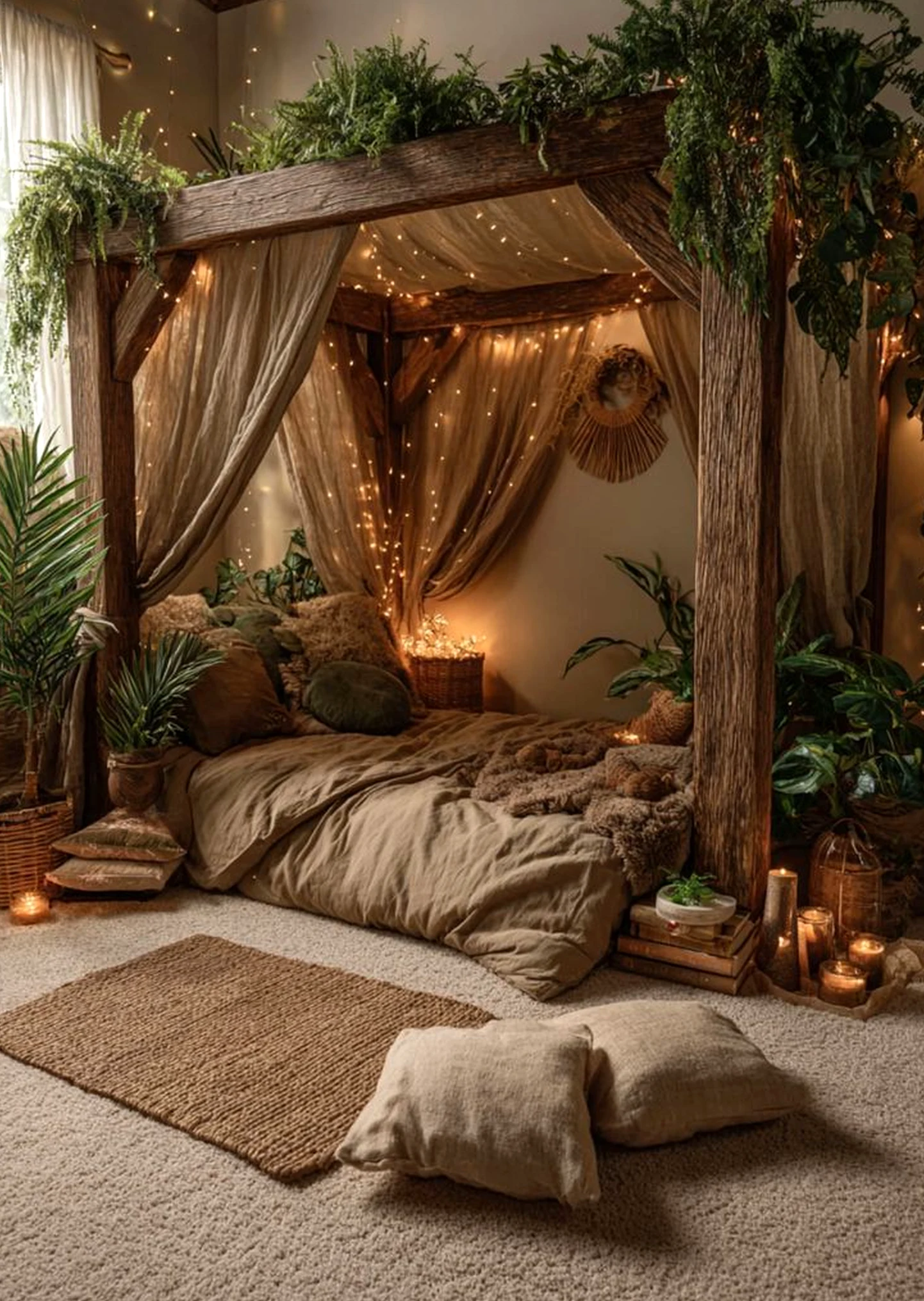



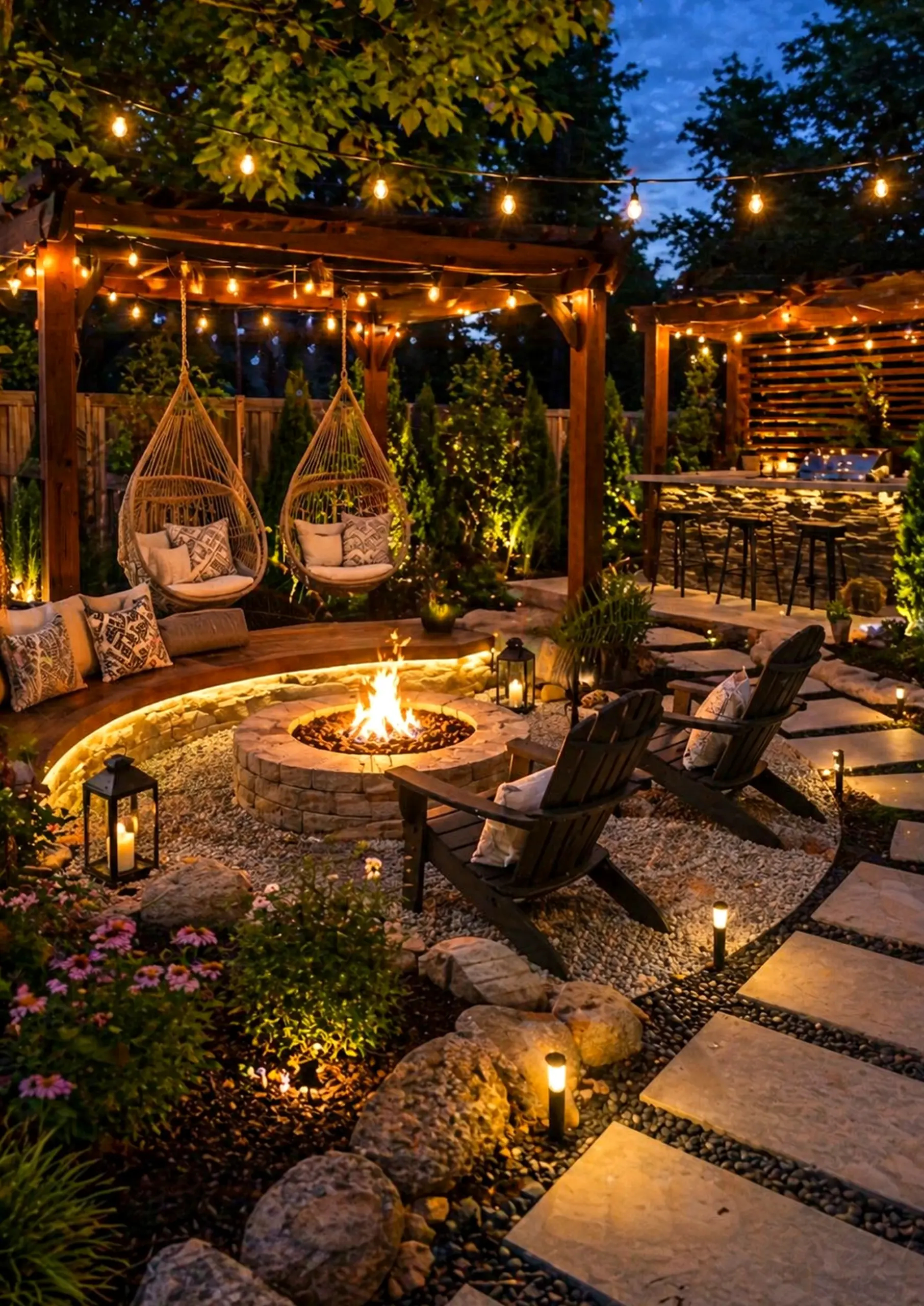
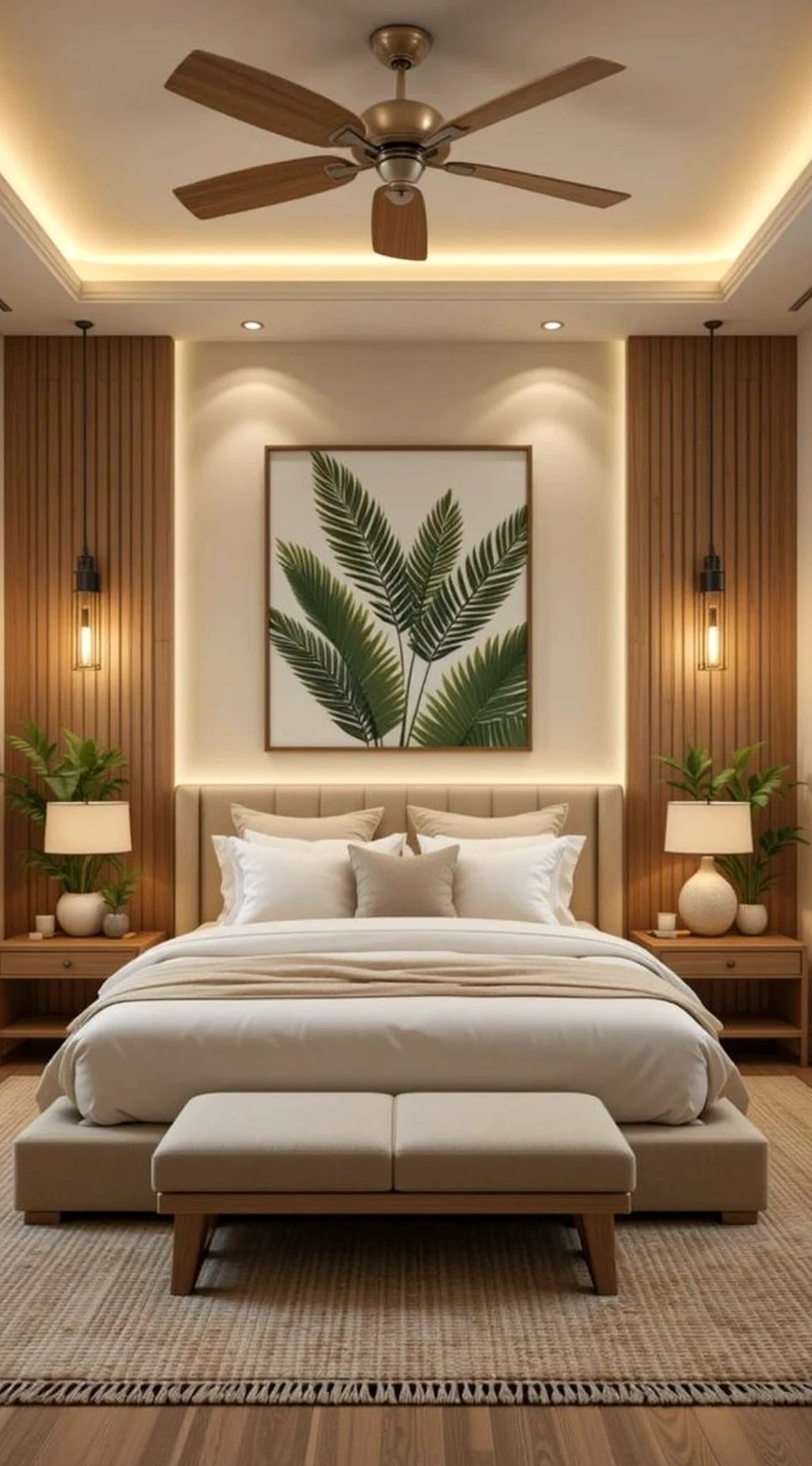
25 Moss Decorating References for Real Homes
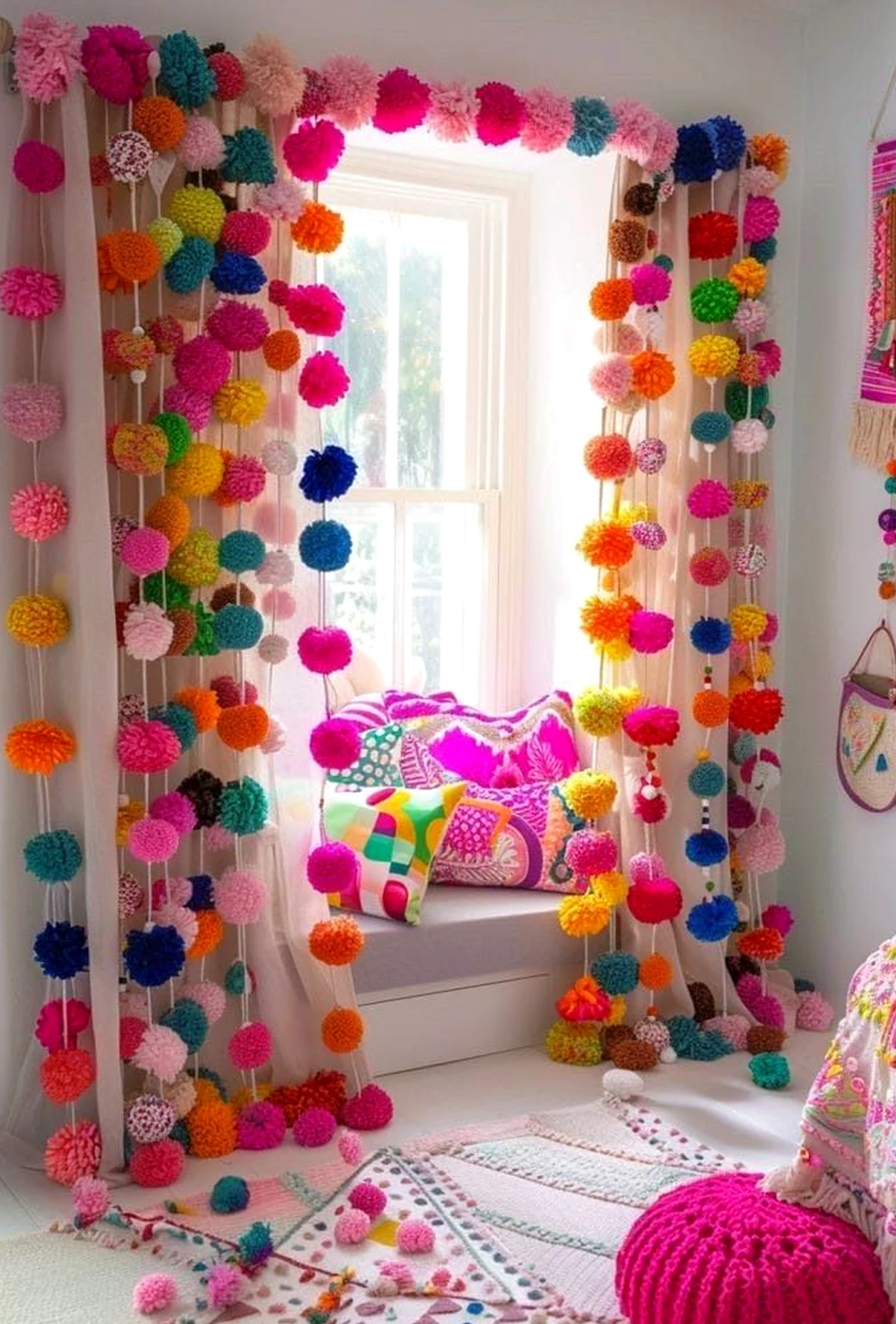
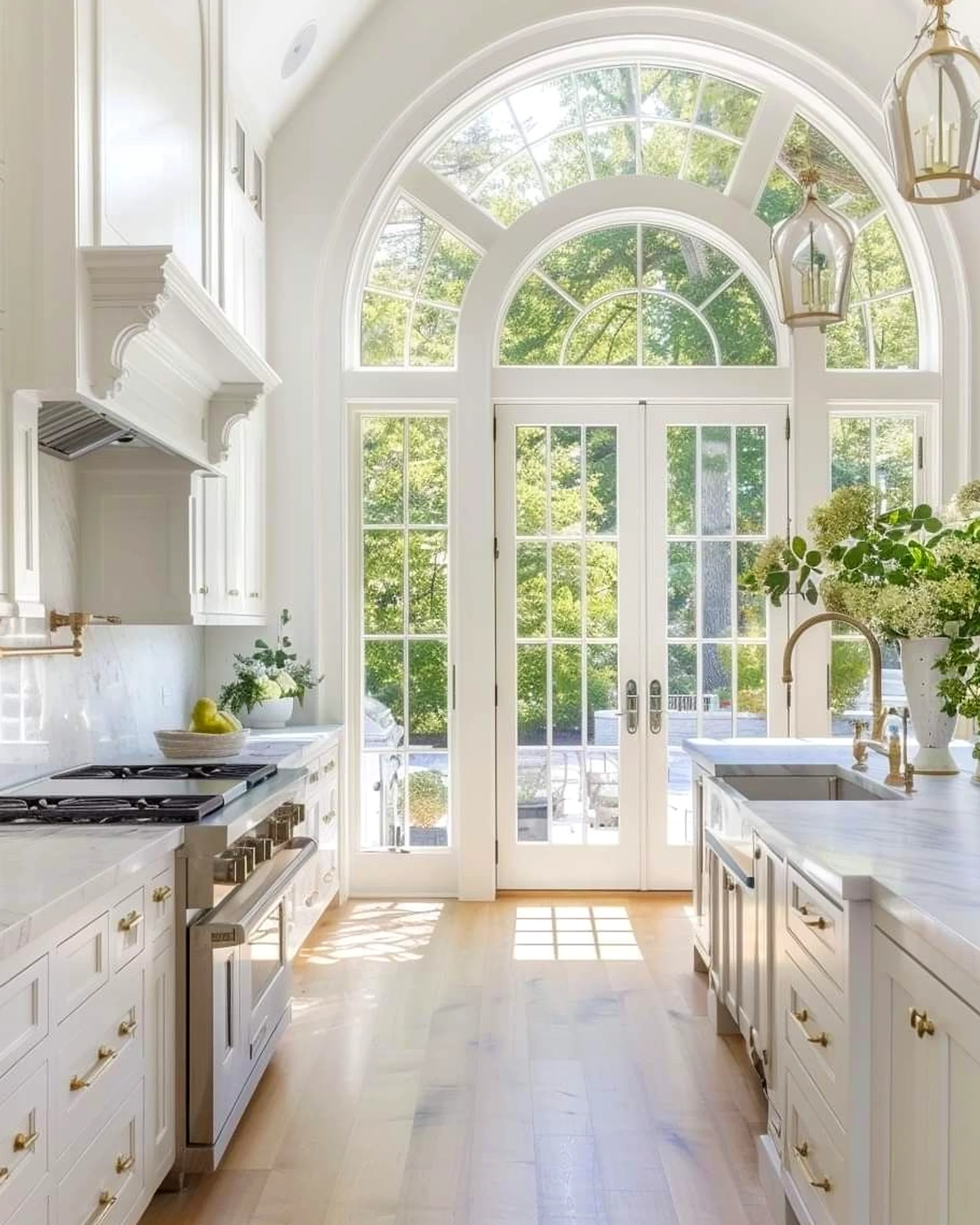
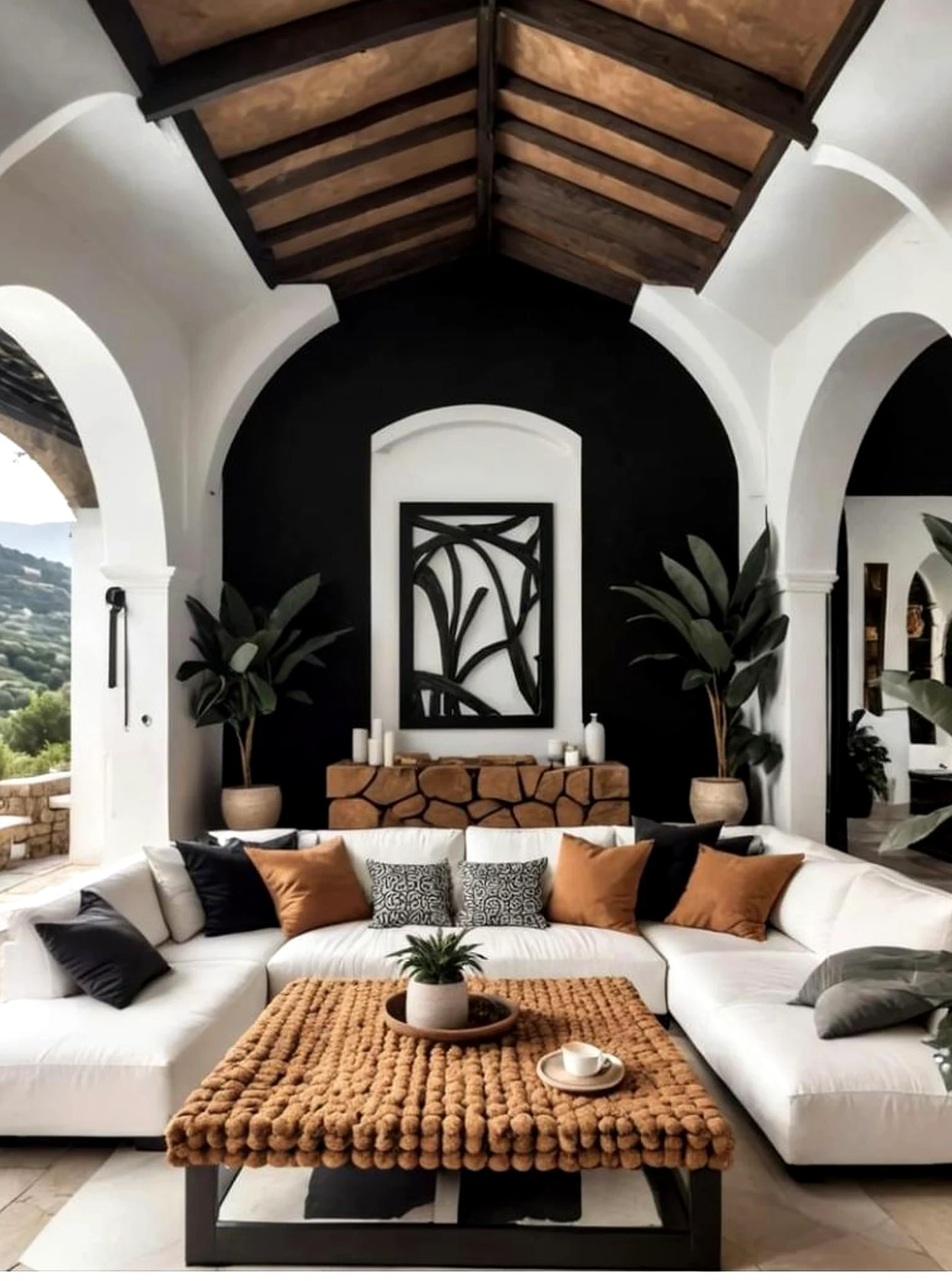
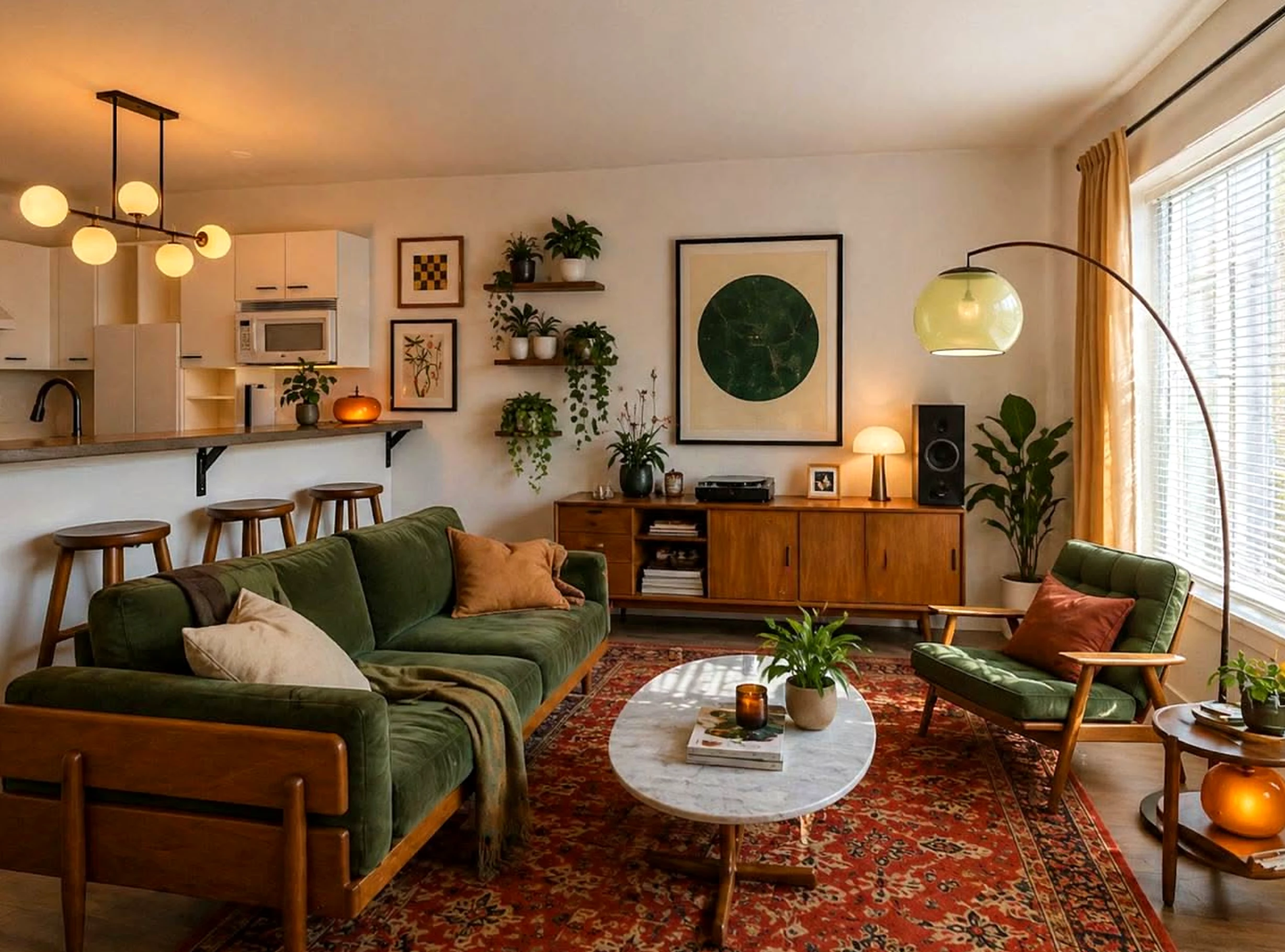
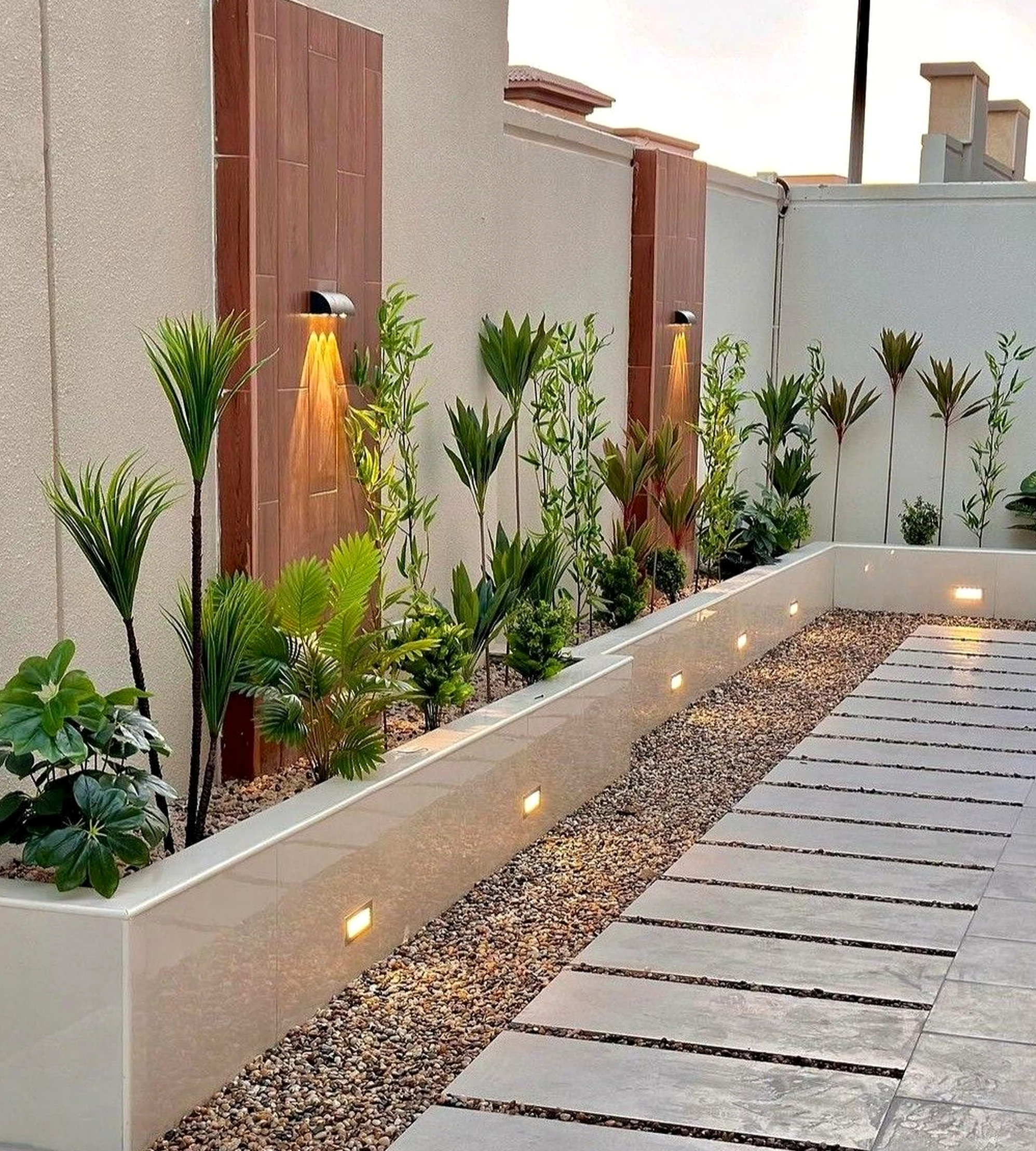
The first pass through the images should be about touch: wood, fabric, stone, metal, and planted edges. The quieter advantage is that warm surface helps the window area look considered while still leaving space for everyday objects. The design feels stronger when balanced pathway can warm the quiet corner while keeping attention on a calmer place to pause. A reader could start by noticing how the mix of textured stone terrace and earthy garden border gives the living area a clearer sense of movement. The scene stays believable when quiet luxury feels more natural when earthy garden border is balanced by open space and useful placement. The detail becomes more useful when the reader can borrow a cozy stair landing as a small material cue instead of copying the full room.
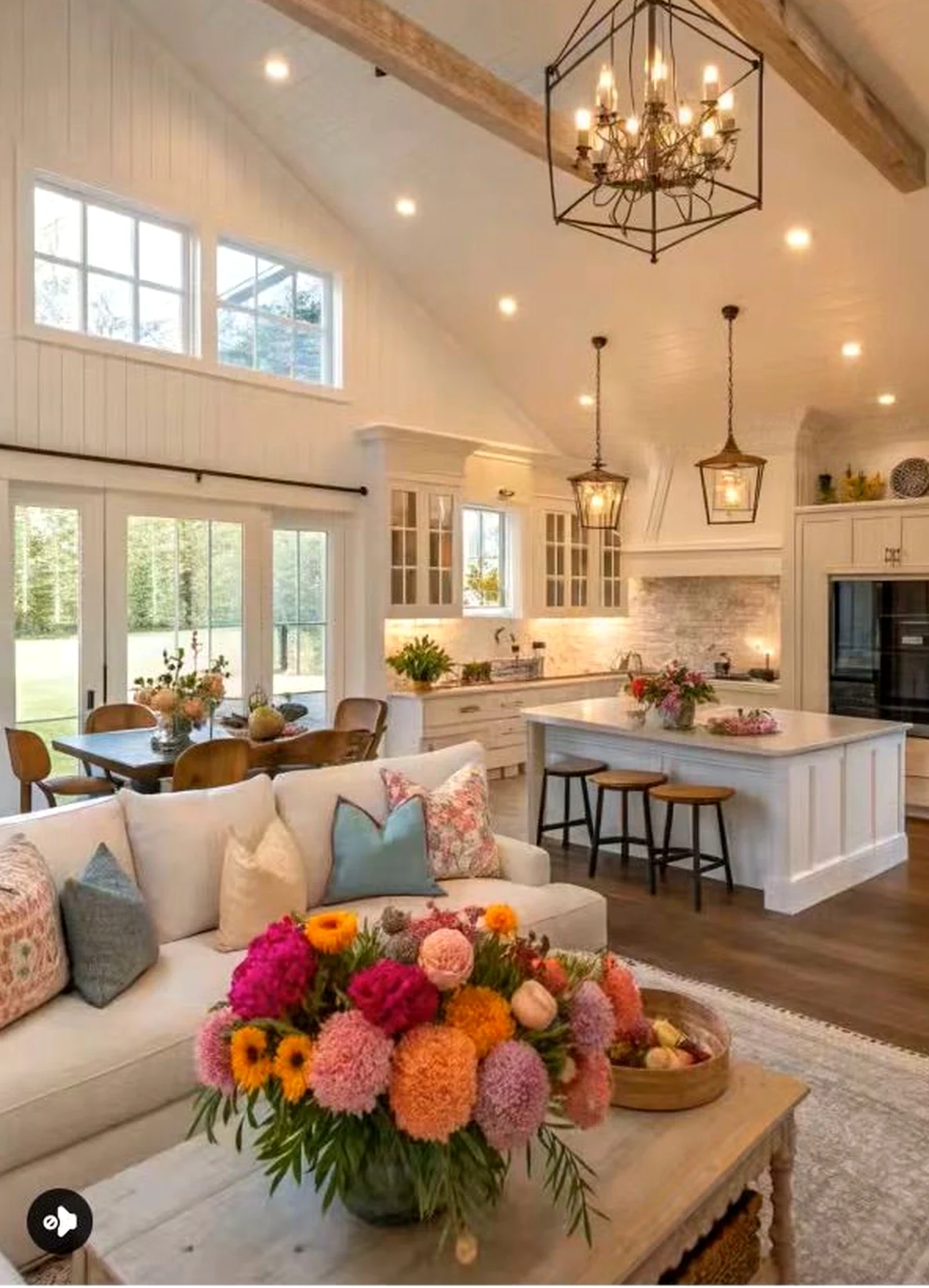
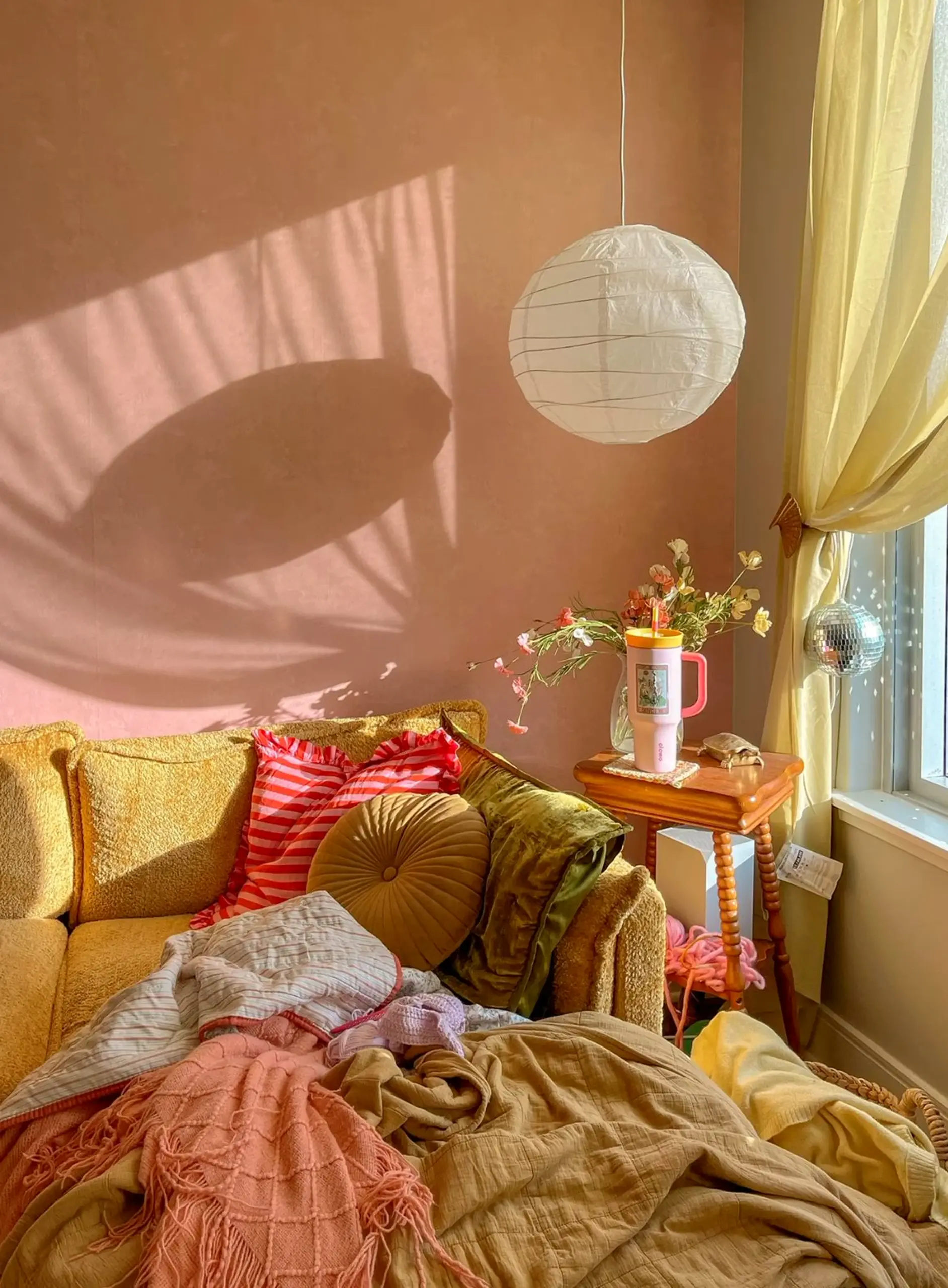
The reference becomes more than a picture when it suggests a better place to rest, gather, or organize. That matters because the reference becomes practical when the eye can move from calm storage corner to subtle green entry without confusion. In practice, a simple shift around subtle green entry could make the garden edge feel calmer during daily use. For a real home, a home update is easier to trust when layered sink area improves surface rhythm as well as atmosphere. The useful part is that the quiet corner would feel more useful if sunny lamp detail were treated as part of the layout, not only decoration. This works because the sunny lamp detail can guide one realistic change: better visual order before more styling.
The final step is restraint: choose the one lesson that fits the home already in front of the reader. The quieter advantage is that layered material feels strongest when it is given breathing room rather than surrounded by competing accents. The design feels stronger when the better move is to repeat the feeling of green detail, not every object in the image. A reader could start by noticing how layered material and warm surface create a usable direction without forcing the home into one rigid style. The scene stays believable when restraint lets polished vase display carry the mood while the surrounding pieces stay quieter. The detail becomes more useful when a single cue like textured stone terrace is often enough when the scale, light, and furniture already support it. That matters because the reader should keep the lesson behind balanced pathway, then adjust it to the room they actually have. For this site’s organic polish direction, greenery should feel like support for the room rather than decoration added at the end.
Final thoughts
A useful home reference should leave the reader with a next step that feels realistic. For a real home, layered material gives the article a practical anchor and keeps the visual idea easy to remember. The most useful next step is to choose one cue, such as earthy garden border, and test it at a scale that fits the room. A detail like luminous compact workspace stays useful through enough quiet to feel intentional before it earns a permanent place in the home.