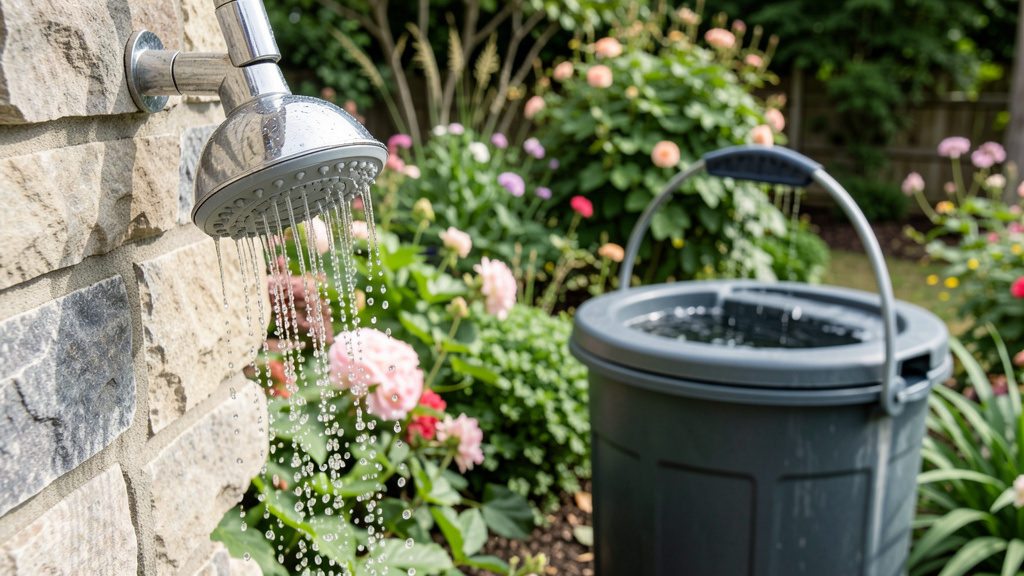
Practical strategies, smart upgrades, and mindset shifts that reduce your water footprint while keeping your home, garden, and lifestyle exactly as you love them.
Water conservation doesn’t require shorter showers, brown lawns, or constant guilt. True water wisdom lies in eliminating waste—not comfort. This guide reveals how households across diverse climates and living situations have achieved meaningful reductions in water use through intelligent behavioral adjustments, accessible upgrades, and landscape alignment with local ecology. You’ll discover where water commonly flows unnoticed, how to implement solutions matching your living situation and resources, and why the most sustainable changes feel seamless once integrated. This isn’t about deprivation; it’s about designing systems that work smarter with every drop.
Introduction
Water moves through our lives with quiet significance. While media often highlights acute droughts in specific regions, water stress manifests differently across communities worldwide—sometimes visibly, often invisibly. Reports from organizations like UN Water note that billions live in areas facing water scarcity challenges, and sustainable management remains critical globally. Within this context lies opportunity. Programs like the U.S. Environmental Protection Agency’s WaterSense initiative observe that typical household water use includes significant potential for efficiency gains—particularly through addressing leaks, updating fixtures, and aligning outdoor practices with local conditions. This isn’t a call for austerity. It’s an invitation to reimagine water as a resource worthy of thoughtful stewardship.
Consider a morning shower. An older showerhead flowing at 2.5 gallons per minute (gpm) used for eight minutes consumes 20 gallons. Switching to a WaterSense-certified model (≤2.0 gpm) paired with a simple pause valve can reduce that volume noticeably—without shortening time or compromising spray quality. Multiply similar adjustments across kitchen routines, laundry habits, irrigation practices, and leak prevention, and cumulative savings become substantial. This guide synthesizes widely recognized principles from hydrology, behavioral science, landscape ecology, and utility conservation programs into a cohesive, adaptable system. We move beyond fragmented tips to explore interconnected patterns of household water use. You’ll learn why indoor efficiency matters even in rainy climates, how renters can implement reversible solutions, and why the most enduring changes are those that integrate smoothly into daily life. Done thoughtfully, water conservation supports comfort, reduces utility expenses, and contributes to community resilience—demonstrating that using less can align with living well.
The Three-Pillar Framework: Behavior, Technology, Landscape
Effective water conservation functions as an integrated system, not a list of isolated tasks. Focusing on only one area—like installing efficient fixtures while overlooking leaks—limits potential impact. Lasting progress emerges from aligning three complementary pillars: Behavioral Awareness, Technology Integration, and Landscape Intelligence. Each reinforces the others, creating compounding benefits while preserving quality of life. This framework rejects the false choice between comfort and conservation. Instead, it frames stewardship as a series of intelligent optimizations where waste—not water—is the target.
The Behavioral pillar addresses how we interact with water daily. It emphasizes designing habits that make conservation automatic, not burdensome. The Technology pillar focuses on tools—fixtures, appliances, and systems engineered to maintain performance while using less water. The Landscape pillar guides outdoor spaces toward resilience by working with local ecology rather than against it. Crucially, these pillars operate in parallel, not sequence. A renter might prioritize portable behavioral and technology solutions; a homeowner with yard space may focus more on landscape and permanent upgrades. The framework adapts to your context.
The Fundamental Principle: Water conservation succeeds when it removes friction, not comfort. The goal is to make the water-wise choice the easy choice—the default embedded in your environment—so saving water becomes invisible, inevitable, and integrated.
This principle shapes every recommendation that follows. We favor systems that work passively (like aerators maintaining spray quality while reducing flow) over solutions requiring constant vigilance (like manually timing showers). We highlight changes with tangible feedback (watching a rain barrel fill) over abstract metrics alone. We also recognize that perceived “sacrifice” often shifts with perspective: replacing a water-thirsty lawn section with native groundcover may reduce mowing time while supporting local pollinators. Let’s explore each pillar with practical depth, beginning where water use starts: inside your home.
Pillar 1: Behavioral Awareness – The Invisible Leaks in Daily Routine
Behavioral adjustments require minimal financial investment yet deliver meaningful returns when applied consistently. The key is targeting high-impact, low-effort actions—those yielding noticeable savings without disrupting valued routines. Vague advice like “be more mindful” rarely sticks. Instead, adopt these specific, adaptable shifts grounded in common household patterns.
The Kitchen: Where Small Shifts Multiply
Kitchens hold frequent opportunities for efficiency. When washing dishes by hand, letting the tap run continuously can use several gallons per minute. Instead, adopt the two-basin method: fill one basin with soapy water for washing, another with clean water for rinsing. For a typical dinner load, this approach significantly reduces water use compared to a running tap. If you have a dishwasher—especially an ENERGY STAR certified model—running full loads is generally more efficient than hand-washing the same quantity. Modern dishwashers use targeted spray technology and soil sensors, often consuming less water than hand-washing. Scrape food scraps into compost rather than pre-rinsing heavily; contemporary detergents handle light residue effectively. Utility conservation programs have documented meaningful annual savings for households adopting this scraping-over-pre-rinsing practice.
Defrosting food presents another subtle opportunity. Running cold water over frozen items wastes water continuously. Planning ahead—transferring items to the refrigerator 24 hours prior—is the most efficient method. For urgent needs, the microwave’s defrost setting uses minimal water indirectly (via electricity) compared to running tap water. Similarly, avoid using the garbage disposal for routine food scraps. Disposals require steady water flow to operate safely and increase load on wastewater systems. Composting fruit and vegetable scraps reduces water use and creates nutrient-rich soil amendment. A small countertop container with a charcoal filter minimizes odors—a practical solution used in many resource-conscious households.
Cooking itself offers gentle optimizations. When boiling vegetables or pasta, use only enough water to cover the food. Excess water prolongs heating time (using more energy) and increases evaporation. Steaming vegetables preserves nutrients, uses less water, and creates no wastewater. Once cooled, nutrient-rich pasta or vegetable water can hydrate outdoor plants—a circular practice with generations of use. For coffee preparation, consider methods like French press or pour-over that use only the water needed per cup, avoiding standby evaporation common in reservoir-based drip machines. Households tracking usage note gradual reductions in kitchen water consumption through these cumulative micro-adjustments.
The Bathroom: Comfort Without Compromise
Bathrooms account for a substantial portion of indoor water use, yet behavioral refinements here feel effortless. Showers are a primary focus. A simple shower timer (sand or digital) builds awareness without pressure. Many people overestimate shower duration; visual cues create gentle accountability. Pair this with the “pause-and-lather” technique: wet down, turn off water while soaping or shampooing, then resume for rinsing. This reduces active flow time significantly while maintaining warmth during rinse. Many find the ritual refreshing once habitual—no cold discomfort required.
At the sink, the “wet, lather, turn off, rinse” method for handwashing or shaving is essential. Letting water run during lathering wastes continuously. Turning off the tap during lathering saves multiple gallons per session. Keep a small cup nearby for rinsing toothbrushes or mouthwash—more efficient than cupping hands under a running tap. For households with children, frame it playfully: “Can you brush using only this cup of water?” Gamification nurtures lifelong habits without friction.
Toilet flushing represents significant opportunity. For older toilets (pre-1994 models using higher volumes per flush), placing a sealed plastic bottle filled with water and pebbles in the tank can reduce flush volume. Critical safety note: Ensure the bottle doesn’t interfere with the flapper or handle mechanism. Never use bricks—they degrade and can cause leaks. Commercially available displacement devices like the Toilet Tank Bank ($8) offer secure, non-invasive installation. However, recognize behavioral limits: if reduced flush volume leads to double-flushing, net savings diminish. This illustrates why Behavior and Technology pillars must align—sometimes a minor mechanical upgrade yields better results than displacement alone.
The Laundry Room: Full Loads and Cold Confidence
Laundry habits influence water footprints meaningfully. Aim to run full loads whenever possible. Modern high-efficiency (HE) washers adjust water levels based on load size, but running partial loads still uses disproportionately more water per item. If washing a small load is necessary, use the machine’s designated setting if available. Equally important: embrace cold water washing. Heating water constitutes the majority of a washing machine’s energy use; cold cycles reduce energy demand while modern detergents perform effectively in cold water. Studies, including those referenced by the U.S. Department of Energy, note that cold washing can extend garment life by reducing fiber stress and color fading. Households monitoring utility usage often observe combined water and energy savings after adopting cold-water laundry practices consistently.
Behavioral Pitfalls to Avoid
- The “Dripping Tap” Fallacy: “It’s just a drip!” A faucet leaking at one drip per second can waste hundreds of gallons annually. Address leaks promptly—often a simple washer replacement.
- Over-Prepping Produce: Rinsing vegetables under running water uses continuously. Fill a basin; soak leafy greens to loosen soil, then consider reusing the water for established outdoor plants.
- Ignoring the “Phantom Flush”: A toilet that refills between uses indicates a silent leak. Add food coloring to the tank; if color appears in the bowl after 15 minutes without flushing, the flapper likely needs replacement.
- The “Just One Minute” Trap: Leaving water running “just while I grab soap” accumulates. Train yourself to turn off taps during any pause.
Behavioral change thrives on specificity. Instead of “I’ll waste less water,” commit to “I’ll use the two-basin method for tonight’s dishes” or “I’ll place a timer in the shower tomorrow.” Track one simple metric for two weeks—like noting shower duration—and acknowledge progress. Momentum builds through consistent, manageable steps.
Pillar 2: Technology Integration – Smart Upgrades That Pay for Themselves
Technology transforms conservation from conscious effort into passive efficiency. Modern water-efficient fixtures deliver reliable performance using less water. Return on investment is often rapid through reduced utility bills. Prioritize certified products: look for the EPA WaterSense label (U.S.), Water Efficiency Labelling and Standards (WELS) in Australia, or equivalent regional programs. These certifications indicate independent testing for both efficiency and performance—addressing outdated concerns about weak pressure or poor function.
Faucets and Aerators: Instant Impact
Faucet aerators represent one of the highest-return upgrades for most households. Costing $2–$15, they screw onto existing spouts, mixing air with water to maintain perceived pressure while reducing flow. Standard faucets often flow at 2.2 gpm; WaterSense models use ≤1.5 gpm. Installation requires no tools and takes seconds. In a household with moderate faucet use, upgrading multiple faucets can yield noticeable annual savings. For renters, aerators are fully removable—many landlords appreciate tenant-initiated efficiency efforts. Choose models with dual spray patterns (stream/aerate) for kitchen versatility. Pro tip: Store original aerators in a labeled bag under the sink for easy reversion when moving.
For situations where taps are frequently left running unintentionally, touchless or motion-sensor faucets ($100–$300) eliminate that waste stream entirely. Battery-operated models avoid complex installation. While common in commercial settings, they benefit busy households—especially near sinks used during messy tasks. Foot-pedal valves (popular in some European kitchens) offer hands-free control without electricity. These solutions address behavioral friction: the technology handles the “turning off,” freeing mental bandwidth.
Showerheads: Pressure Without Penalty
Contemporary low-flow showerheads reflect significant engineering advances. Early models sometimes compromised spray quality, creating lasting misconceptions. Today’s WaterSense-certified heads (≤2.0 gpm) use laminar flow or pressure-compensating technology to deliver satisfying spray patterns. Brands like High Sierra, Niagara, and Moen’s Eco Performance line consistently receive positive feedback in independent testing publications. Look for adjustable spray settings (massage, rain, mist) to customize the experience. Installation is typically DIY-friendly: unscrew the old head, apply plumber’s tape to threads, screw on the new one. Total time: under 10 minutes. Total cost: $15–$50. For households with regular shower use, annual water savings can be substantial.
To deepen savings without altering routine, add a shower shut-off valve (or “pause valve,” $10–$25). Installed between the shower arm and head, it reduces flow to a trickle while lathering, then restores full flow for rinsing—no temperature readjustment needed. This seamlessly supports the pause-and-lather technique. In regions with active conservation programs, utilities sometimes provide these valves free of charge. Check your local water provider’s website for available resources.
Toilets: The Silent Savings Opportunity
Toilets historically account for significant indoor water use. Replacing a pre-1994 toilet (using 3.5+ gallons per flush) with a WaterSense model (1.28 gpf or less) can yield considerable long-term savings. However, replacement isn’t always feasible. First, identify your toilet’s age and flush volume (often stamped inside the tank lid or bowl). For post-1994 models (1.6 gpf), focus on leak prevention and minor optimizations. For older units, consider options:
- Retrofit Kits: Devices like the Flush Saver ($25) adjust internal mechanisms to reduce water per flush. Effectiveness varies by toilet model.
- Dual-Flush Converters: Kits adding a half-flush option for liquid waste ($30) require minor tank modification but avoid full replacement.
- Full Replacement: If the toilet is aging, inefficient, or problematic, replacement may be cost-effective long-term. Pressure-assist models (e.g., Sloan, American Standard Champion) offer strong performance at low volumes. Many utilities offer rebates covering a portion of costs—programs like SoCal Water$mart (Los Angeles) or Seattle Public Utilities rebates can offset expenses significantly. Always verify eligibility before purchasing.
Critical nuance: “Low-flow” does not equate to “low-performance.” Modern toilets undergo MaP (Maximum Performance) testing. Select models rated ≥1,000 grams removal for reliable single-flush capability. Independent review sources like Consumer Reports publish annual efficiency and performance rankings—prioritize these over generic marketing claims.
Appliances: Laundry and Dishwasher Intelligence
When replacing appliances, evaluate water efficiency alongside energy ratings. For washers, front-loading HE models typically use less water per load than traditional top-loaders. However, capacity matters: a larger HE washer cleaning two small loads in one cycle may save more than two cycles in a smaller machine. Look for the ENERGY STAR label, which includes strict water factor requirements (gallons per cubic foot of capacity). For dishwashers, modern units use soil sensors to adjust water use. Running full loads is key, but avoid “rinse hold” features that use extra water pre-cycle. Instead, scrape and load promptly. If your dishwasher is over a decade old, replacement often yields efficiency gains—new models use significantly less water per cycle. Utility rebates for efficient appliances are common; check local programs before purchasing.
Leak Detection: Your Home’s Water Guardian
Silent leaks can waste more water than visible uses. A running toilet may waste hundreds of gallons daily; a slow drip accumulates steadily. Technology simplifies detection:
– Smart Water Monitors: Devices like Phyn Plus, Flo by Moen, or Eddy attach to the main water line, using acoustic sensors and algorithms to detect leaks, track usage patterns, and alert users (or shut off water during major leaks). Prices range $200–$500. While an investment, they prevent potential damage costs and provide usage insights. Many integrate with smart home systems.
– Budget Leak Detectors: Simple moisture sensors ($15–$30) placed under sinks, near water heaters, or beside toilets emit alerts when wet. Ideal behind washing machines where hose failures occur.
– Manual Checks: Monthly, read your water meter before bed (ensuring no water use overnight). Check again in the morning; any change suggests a leak. Quarterly, add food coloring to toilet tanks to test for silent leaks.
For renters, portable moisture sensors are ideal—they require no permanent installation and move with you. Framing leak prevention as property protection often resonates with landlords. Documented cases show early leak detection preventing significant repair costs and water waste.
Technology Comparison: Fixture Flow Rates and Savings Context
Understanding flow rates clarifies upgrade value. This table compares typical standard versus efficient fixtures for illustrative purposes (actual savings vary by household size, usage patterns, and local water costs):
| Fixture Type | Typical Standard Flow | WaterSense Flow | Estimated Annual Savings* | Notes |
|---|---|---|---|---|
| Showerhead (2 heads) | 2.5 gpm | ≤2.0 gpm | Varies by use | Savings compound with household shower frequency |
| Bathroom Faucet (2) | 2.2 gpm | ≤1.5 gpm | Moderate | Aerators install in seconds; high ROI |
| Kitchen Faucet | 2.2 gpm | ≤1.8 gpm | Moderate | Dual-spray models offer versatility |
| Toilet (pre-1994) | 3.5+ gpf | ≤1.28 gpf | Significant | Rebates often available; check local programs |
| Clothes Washer | ~23 gal/load | ~13 gal/load | Varies by loads | HE models adjust to load size; full loads optimal |
| Estimates based on EPA WaterSense averages. Actual savings depend on local water rates, household habits, and fixture condition. Always verify current utility costs in your area. |
Note: Aerators and showerheads typically offer rapid payback. Toilet replacements involve higher upfront cost but deliver substantial cumulative savings, especially with utility rebates. Contact your water provider about free conservation kits—they often include aerators, showerheads, and leak detection tablets.
Navigating Budget Constraints
Technology upgrades needn’t strain resources. Prioritize this adaptable sequence:
1. $0–$10: Fix existing leaks. Install aerators. Add toilet tank displacement devices.
2. $10–$50: Upgrade showerheads. Add shower shut-off valves. Place moisture sensors.
3. $50–$200: Explore toilet retrofit kits or efficient replacements (with rebates). Install smart irrigation controllers.
4. $200+: Smart water monitors. Appliance replacements (time with end-of-life).
Many utilities offer free conservation kits containing aerators, showerheads, hose nozzles, and leak detection tablets. Contact your water provider—programs exist across numerous municipalities. Nonprofits like WaterCorps support underserved communities with resources. For renters, focus on portable, non-permanent items (aerators, sensors, shower valves). Documenting usage reductions can support conversations with landlords about shared investments in efficiency.
Technology’s true value lies in automation. Once installed, these tools work continuously in the background, turning intention into consistent action without daily effort. They reduce the cognitive load of “remembering to save water,” freeing attention for what matters most.
Pillar 3: Landscape and Outdoor Water Wisdom
Outdoor water needs vary dramatically by region—from minimal use in rainy climates to significant irrigation in arid zones. Regardless of location, landscapes can be designed to thrive with appropriate water use while enhancing beauty, biodiversity, and property function. This pillar moves beyond “water less” to “water wisely,” aligning your outdoor space with local ecology rather than opposing it. The goal isn’t uniform minimalism but a resilient, purposeful landscape where water serves intentional functions.
Understanding Your Site: The Foundation of Smart Landscaping
Before changing plants or systems, observe your yard across seasons. Track:
– Sun Exposure: Map areas receiving full sun (6+ hours), partial sun (3–6 hours), and shade (<3 hours).
– Soil Type: Squeeze a damp soil sample. Sandy soil crumbles quickly (drains fast); clay holds shape firmly (drains slowly); loam holds shape briefly then crumbles (balanced drainage).
– Slope and Drainage: Note where water pools after rain or flows toward streets.
– Microclimates: Identify sheltered warmer spots, windy corridors (drier), or low areas (cooler, moister).
This observation prevents mismatched plantings. Placing moisture-loving plants in hot, fast-draining soil guarantees stress and wasted water. Instead, match plants to existing conditions. Resources like the USDA Plant Hardiness Zone Map and state-specific Cooperative Extension services offer free, localized plant databases. In California, the UC Master Gardener Program provides region-specific guidance; in Texas, Texas A&M AgriLife Extension’s native plant resources are invaluable. This knowledge transforms landscaping from trial-and-error into strategic design.
The Right Plant, Right Place Philosophy
Xeriscaping (from Greek xeros, “dry”) is often mischaracterized as barren rock gardens. Authentic xeriscaping is water-wise gardening—using climate-appropriate plants to minimize supplemental irrigation needs. While it encompasses seven principles, three deliver foundational results:
1. Plan and Design: Group plants by water needs (“hydrozoning”). Place higher-water plants (vegetables, annuals) near downspouts or in focal areas; surround with moderate-water perennials; use low-water natives in expansive zones.
2. Soil Improvement: Amend soil only where planting. For heavy clay, mix in compost to improve structure (avoid sand—it can worsen compaction). For sandy soil, add compost to increase moisture retention. Avoid amending entire beds; plants often adapt better to native soil long-term.
3. Appropriate Plant Selection: Prioritize native or regionally adapted species. They’ve evolved with local rainfall patterns, typically requiring less fertilizer, pesticide, and supplemental water once established. They also support local pollinators and wildlife.
Regional Plant Examples (Illustrative):
– Pacific Northwest: Sword fern, Oregon grape, red flowering currant. Thrive on winter rainfall; minimal summer water needed after establishment.
– Southwest: Desert marigold, brittlebush, agave. Adapted to intense sun and low rainfall; leverage monsoon patterns.
– Southeast: Oakleaf hydrangea, beautyberry, switchgrass. Tolerate humidity and summer storms; drought-resilient once rooted.
– Midwest: Purple coneflower, little bluestem grass, serviceberry. Deep roots access soil moisture; support native insects.
Non-natives can succeed if well-adapted—lavender thrives in California’s Mediterranean climate but may struggle in humid Georgia. Consult local nurseries specializing in natives; staff expertise is invaluable. Plant in fall or early spring to leverage natural rainfall for root establishment. Water deeply but infrequently during the first year to encourage deep rooting. After establishment (typically 1–3 years), most natives require little to no supplemental water except during severe drought.
Turf Grass: Rethinking the Lawn
Lawns present a common conservation consideration: valued for recreation yet often water-intensive. The solution lies in strategic assessment, not universal removal. Ask: “Where is this lawn actively used?” Retain turf only in high-traffic zones (play areas, pathways). Replace underutilized expanses with alternatives:
– Groundcovers: Creeping thyme (fragrant, walkable), sedum (succulent, drought-tolerant), or mazus (soft, shade-tolerant). Require minimal mowing.
– Gravel or Decomposed Granite: Ideal for pathways or patios. Use permeable landscape fabric underneath; add stepping stones for visual interest and function.
– Clover Lawns: Dutch white clover stays green with less water, fixes nitrogen in soil (reducing fertilizer needs), and feels soft underfoot. Tolerates shade better than traditional grass. Mow occasionally or allow flowers to support bees.
– Artificial Turf: Consider carefully. Pros: no watering or mowing. Cons: heat retention, microplastic concerns, limited lifespan, reduced permeability. Best suited for very small, high-use areas (dog runs) if chosen. Select newer models with cooling technology and permeable backing if proceeding.
If maintaining grass, optimize care:
– Mow High: Set blades to 3–4 inches. Taller grass shades roots, reduces evaporation, and suppresses weeds.
– Water Deeply, Infrequently: Apply water slowly to allow soil absorption. Use a straight-sided container (like a tuna can) to measure output.
– Aerate Annually: Compacted soil impedes water absorption. Core aeration (removing small soil plugs) improves infiltration. Best done in spring or fall.
– Leave Clippings: They return moisture and nutrients to soil—equivalent to one light fertilizer application yearly.
Many municipalities offer turf replacement incentives. Las Vegas provides rebates for converting turf to water-wise landscaping; Tucson offers financial support plus plant resources. Investigate local programs before planning changes.
Irrigation Intelligence: Beyond the Hose
Hose-end watering is often inefficient—significant water loss occurs through evaporation or runoff. Smart irrigation delivers water precisely where needed. Begin with an audit:
– Check for Mismatched Sprinklers: Rotors (for large areas) and sprays (for small beds) should not share a zone. Mixing causes uneven watering.
– Inspect Heads: Adjust spray patterns to avoid hardscapes. Clean clogged nozzles. Replace damaged heads promptly.
– Test Coverage: Place identical containers throughout a zone during a cycle. After 15 minutes, measure water depth. Significant variation indicates poor coverage needing adjustment.
Then, upgrade thoughtfully:
– Drip Irrigation: Highly efficient for beds, trees, and containers. Emitters deliver water slowly directly to root zones, minimizing evaporation and runoff. Kits start around $30 for small areas. Use pressure regulators and filters to maintain function. Ideal for vegetable gardens—position emitters near plant bases.
– Soaker Hoses: Porous hoses seep water along their length. Best for straight rows (like vegetable patches). Bury under 2 inches of mulch to reduce evaporation. Less precise than drip but simpler to install.
– Smart Controllers: Replace manual timers with weather-based controllers (e.g., Rachio, Orbit B-hyve). They use local weather data and soil moisture sensors to adjust watering schedules automatically—skipping cycles before rain or during cool periods. Many utilities offer rebates ($50–$100).
– Rain Sensors: Required in some regions. Automatically shut off irrigation during rainfall. Low-cost ($20–$50) and quick to install.
Critical Timing: Water during early morning hours (before 10 AM). Wind is typically calmer, temperatures cooler, and evaporation minimized. Avoid midday watering (high evaporation) and late-night watering (prolonged moisture can encourage fungal issues). For drip systems, longer run times are appropriate since water absorbs slowly into soil.
Harvesting Free Water: Rain Barrels and Beyond
Rainwater harvesting captures a soft, chlorine-free resource ideal for gardens. A modest rainfall on a standard roof yields significant volume. Start simply:
– Rain Barrels: Position under downspouts. A standard 55-gallon barrel costs $80–$150. Elevate on stable blocks for gravity-fed hose pressure. Use fine mesh screens to block debris and mosquitoes. In drier climates, connect multiple barrels sequentially.
– First-Flush Diverters: ($40–$100) Divert initial roof runoff (carrying debris) away from the barrel, improving water quality—especially valuable for edible gardens.
– Permeable Hardscapes: Replace solid concrete with permeable pavers, gravel, or spaced flagstones. Water infiltrates soil, recharging groundwater and reducing runoff.
Check local regulations—rainwater harvesting rules vary by municipality and state. In many regions, residential collection is encouraged or unrestricted. Harvested rainwater extends time between irrigation cycles, particularly valuable during seasonal dry spells. Gardeners in areas with distinct wet/dry seasons often rely on stored rainwater for summer garden needs.
Seasonal Adjustments: Watering with the Calendar
Landscape water needs shift with seasons. Adapt your approach:
– Spring: Focus on establishing new plants. Water deeply 1–2 times weekly as needed. Apply 2–3 inches of organic mulch (wood chips, straw) to retain soil moisture and suppress weeds.
– Summer: Water during cool morning hours. Check soil moisture 2 inches below surface before watering—if damp, delay. Container plants may need more frequent attention; group pots to create beneficial micro-humidity.
– Fall: Gradually reduce watering frequency as temperatures drop. Provide deep watering for trees before ground freezes in cold climates.
– Winter: In freezing regions, drain and store hoses. Disconnect rain barrels. In mild winter areas, water established evergreens during prolonged dry spells.
Use the “screwdriver test”: Push a 6-inch screwdriver into soil. If it enters easily, soil is adequately moist; if resistance is strong, watering may be needed. This simple check prevents both under- and over-watering better than fixed schedules.
Landscape Water Requirements: Plant Grouping Guide
Grouping plants by water needs prevents waste and supports plant health. This table illustrates hydrozoning principles for adaptable garden design:
| Water Zone | Frequency (Established Plants)* | Example Plants | Placement Tips |
|---|---|---|---|
| High Water | As needed during dry periods | Vegetables, annual flowers, hydrangeas | Near downspouts; visible focal points; use drip irrigation |
| Moderate Water | Occasional supplemental watering | Lavender, rosemary, salvia, ornamental grasses | Transition zones; mulch heavily to conserve moisture |
| Low Water | Rarely after establishment | Succulents, native grasses, manzanita | Sunny slopes; large background areas; gravel mulch |
| No Supplemental Water | None after establishment | Mature native trees (oak, mesquite), established shrubs | Property edges; leverage natural rainfall patterns |
| Note: “Established” typically means 1–3 years after planting. All plants require consistent moisture during establishment phase. Mulch is highly recommended—it significantly reduces evaporation and suppresses competing weeds. |
Landscape transformation is a gradual journey. Begin with one manageable step: convert a single flowerbed to drip irrigation this season, replace a small lawn section next spring. Each action builds confidence and compounds benefits. The outcome isn’t sacrifice—it’s a more vibrant, lower-maintenance, ecologically supportive outdoor space that reflects your local environment.
Navigating Real-World Frictions: Apartments, Budgets, and Skepticism
Theory meets practice in everyday constraints. What if you rent? Face budget limits? Encounter hesitation from household members? These common friction points have practical pathways forward.
For Apartment and Condo Dwellers
Limited control doesn’t mean limited impact. Focus on portable, reversible actions:
– Kitchen/Bathroom: Install removable aerators and showerheads (store originals carefully). Use a dish basin for washing. Place a bucket in the shower to catch initial cold water while waiting for heat—use it to water balcony plants or flush toilets.
– Balcony/Patio Gardens: Choose self-watering containers (like EarthBox) that reduce watering frequency. Group pots to create humidity. Select drought-tolerant herbs (rosemary, thyme) or succulents suited to container life.
– Advocate Collectively: Propose building-wide efficiency upgrades to HOA or property management. Frame it collaboratively: “Upgrading aerators building-wide could reduce water expenses, with potential rebate support from the city.” Many municipalities offer free multi-family conservation audits.
– Common Areas: Report leaking fixtures in hallways or laundry rooms promptly. A single running toilet in a shared space wastes significant water monthly.
Documented examples show renters achieving meaningful reductions through focused, reversible actions—proving impact isn’t determined by square footage.
Budget-Conscious Conservation
Water efficiency needn’t strain finances. Prioritize this sequence:
1. Fix Leaks: Often DIY with under $10 in parts. Highest immediate return.
2. Behavioral Shifts: Free. Two-basin dishwashing, full laundry loads, mindful tap use.
3. Utility Programs: Request free conservation kits (aerators, showerheads, leak tablets). Call your water provider.
4. Targeted Upgrades: $5–$20 for aerators, toilet tank banks, hose nozzles.
5. Rebates: Use utility rebates to offset costlier items (efficient toilets, smart controllers).
Track your water bill monthly. Observing even a modest reduction after installing aerators provides motivation for the next step. Frame upgrades as investments with predictable returns—unlike many household expenses.
Overcoming Household Resistance
Change flows more easily with shared understanding. Address concerns directly:
– “Low-flow means weak showers!” → Share independent testing resources (Consumer Reports). Offer a trial period: “Use this new showerhead for one week; if unsatisfied, we’ll revert.”
– “I don’t have time for this.” → Highlight automation: “A smart controller manages irrigation without our input. Aerators work silently.”
– “Will it really make a difference?” → Share relatable context: “Fixing that drip saves water equivalent to hundreds of showers yearly.” Use EPA’s online Water Calculator for personalized estimates.
– Involve Children: Make it engaging. “Who can be the leak detective this week?” Award small acknowledgments for participation. Children often become enthusiastic stewards.
Frame conservation positively: “We’re creating a home that’s smarter and more comfortable,” not “We’re cutting back.” Celebrate milestones—a reduced bill deserves recognition.
Climate-Specific Considerations
- Arid Regions (Southwest U.S., Australia): Prioritize outdoor efficiency. Invest in drip irrigation, rainwater harvesting, and native plants. Monitor for tiered water pricing structures.
- Humid Regions (Southeast U.S., Southeast Asia): Focus indoors. While outdoor water may be less critical seasonally, efficient fixtures lower bills and reduce strain on septic or municipal systems. Ensure proper drainage to prevent moisture-related issues.
- Cold Climates (Canada, Northern Europe): Prevent frozen pipe leaks. Insulate pipes in unheated spaces. Disconnect hoses before first frost. Indoor conservation reduces hot water demand, lowering heating costs.
- Water-Rich Areas (Pacific Northwest, UK): Conserve to protect ecosystems and infrastructure. Even in rainy regions, seasonal dry periods occur, and wastewater treatment requires energy. Every gallon saved reduces community resource demand.
Water stewardship holds universal relevance—it’s about responsible management, not just responding to scarcity. Your actions contribute to watershed health, energy conservation, and community resilience regardless of local rainfall patterns.
Your Questions, Answered
Q: Do modern low-flow fixtures really perform well? I tried an early model years ago and was disappointed.
A: Fixture technology has advanced considerably since early low-flow models. Today’s WaterSense-certified products undergo rigorous independent testing for flow rate, spray force, and user satisfaction. Showerheads use air-injection or pressure-compensating designs to maintain a robust feel at lower flows (≤2.0 gpm). Faucet aerators create a consistent stream by mixing air with water. Look for products with strong independent reviews or utility trial programs—many water providers allow testing a showerhead for two weeks. Most users adapt quickly to the efficient flow and appreciate the savings.
Q: I live in a very rainy area. Why conserve water if supply seems abundant?
A: Conservation matters everywhere for interconnected reasons. First, seasonal variation: Rain isn’t evenly distributed year-round; summer dry spells strain systems even in generally wet regions. Second, infrastructure impact: Treating and pumping water consumes significant energy—saving water reduces carbon emissions globally. Third, ecosystem protection: Sustainable withdrawal rates protect rivers, aquifers, and wildlife habitats for all communities downstream. Conservation builds resilience for dry periods and honors shared resources. It’s proactive stewardship, not just scarcity response.
Q: Are rain barrels practical? How much water can they realistically save?
A: For gardeners, rain barrels offer tangible benefits. A modest rainfall on a typical roof can fill a standard barrel. In regions with seasonal rain patterns, barrels capture spring runoff for summer garden use. Beyond volume, rainwater is chlorine-free and often preferred by plants. Start with one barrel under a downspout; elevate it for usable water pressure. Use a screen to block debris and mosquitoes. In areas with water use restrictions, harvested rainwater may provide flexibility. Check local regulations, but for most homeowners, barrels are a low-cost entry into water harvesting with visible results.
Q: My landlord won’t allow permanent changes. What can I do as a renter?
A: Focus on reversible, portable solutions. Install twist-on aerators and showerheads (keep originals stored). Use a shower bucket to capture pre-heat water for plants or toilet flushing. Place moisture sensors under sinks. Advocate respectfully: share information about utility rebate programs that cover costs for landlords with no tenant expense. Frame leak repairs as property protection. Document persistent leaks with photos; in many areas, landlords are required to maintain habitable conditions. Small, consistent actions build credibility and impact.
Q: Does reducing hot water use significantly save energy?
A: Yes. Water heating accounts for a notable portion of household energy use. Reducing hot water consumption lowers both water and energy bills. Washing clothes in cold water saves substantial energy per load versus hot cycles. Shorter showers reduce demand on water heaters. Insulating hot water pipes (with affordable foam sleeves) delivers hot water faster, reducing wait-time waste. Every gallon of hot water conserved also reduces associated carbon emissions. Conservation creates a dual benefit: lower utility costs and reduced environmental impact.
Q: Are native plants truly lower maintenance? I worry they might look unkempt or spread aggressively.
A: Properly selected native plants are typically lower maintenance after establishment (1–3 years). They’re adapted to local soil, pests, and climate, often requiring less watering, fertilizing, and pest control. Concerns about invasiveness are valid—always choose species recommended for your specific region by native plant societies or extension offices. Avoid plants labeled “aggressive” in your area. For aesthetics, design intentionally: group plants in clusters of 3–5 for visual cohesion, combine varied textures (grasses with flowering perennials), and incorporate hardscape elements (paths, stones). Many botanical gardens showcase native landscapes that are both ecologically functional and visually striking—visit one for inspiration.
Q: How can I assess my irrigation system’s efficiency?
A: Conduct a simple audit. Run each zone for 15 minutes. Place identical containers (tuna cans) throughout the area. Measure water depth in each afterward. Significant variation (>25%) indicates uneven coverage—adjust or replace heads. Check for runoff on slopes; if water flows before soaking in, split watering into shorter cycles with rest periods. Inspect for misting (indicating high pressure) or dry spots. Many utilities offer free professional irrigation audits—technicians evaluate coverage, pressure, and scheduling. Smart controllers add efficiency by adjusting for weather conditions automatically.
Q: Is artificial turf a responsible water-saving choice?
A: Artificial turf eliminates irrigation needs but introduces trade-offs. Pros: No mowing, watering, or fertilizing; usable in challenging spots. Cons: Heat absorption (surface temperatures can rise significantly), microplastic shedding over time, limited lifespan (8–15 years), and reduced soil permeability (increasing runoff). Best considered for very small, high-use areas where natural options struggle. If chosen, select newer models with cooling technology, permeable backing, and infill-free designs. For larger areas, low-water natural alternatives (clover mixes, native grasses) often provide better ecological function and user experience. Weigh long-term environmental considerations alongside water savings.
Q: Can water efficiency features increase home value?
A: Evidence suggests efficiency features can enhance appeal, particularly in water-conscious markets. Studies, including research published in environmental economics journals, note that homes with documented water-saving features (efficient fixtures, smart irrigation) may attract buyers seeking lower operating costs and resilience. Document upgrades when selling: “WaterSense fixtures estimated to save X gallons annually,” “Drip irrigation system with weather-based controller.” In regions with water restrictions, efficient landscapes avoid future compliance costs. While not the primary value driver, these features signal a well-maintained, forward-thinking property—resonating with increasingly eco-aware buyers.
Q: What’s the single most impactful step I can take today?
A: Address leaks immediately. A single dripping faucet or running toilet wastes more water annually than many conservation efforts combined. Check toilets with food coloring (add to tank; if color appears in bowl after 15 minutes without flushing, the flapper likely needs replacement). Listen for hissing sounds. Inspect under sinks. Most minor leaks require only inexpensive parts and basic tools. This action costs little, delivers instant savings, and builds momentum. After leaks, install aerators on frequently used faucets—they pay for themselves rapidly. Start where friction is lowest; success fuels continued progress.
Q: How do I talk to neighbors or family about water conservation without sounding preachy?
A: Frame conversations around shared values and mutual benefit. Instead of “You should conserve,” try “I found this simple aerator that lowered my water bill—want to see how it works?” Share observable results: “Our rain barrel kept the vegetable garden thriving through that dry spell.” Focus on co-benefits they care about: saving money, reducing yard work, supporting local birds. Listen to their concerns. Offer to share resources like utility rebate information. Lead with curiosity and collaboration, not judgment. Small, positive actions often inspire others more effectively than lectures.
Q: Are there health considerations when reusing water (like pasta water) on plants?
A: Yes—use caution. Only reuse water from cooking vegetables, pasta, or eggs if no salt, oil, or strong seasonings were added. Allow water to cool completely before applying to soil. Avoid using water from meat, dairy, or heavily seasoned foods, as these can attract pests or introduce pathogens. Apply directly to soil, not plant foliage. For edible gardens, prioritize rainwater or tap water for the final weeks before harvest. When in doubt, use reused water on ornamental plants or established trees rather than vegetable beds. Safety first: when water quality is uncertain, don’t risk plant or soil health.
Conclusion and Next Step
Water conservation is a practice of thoughtful alignment—not deprivation. Through the Three-Pillar Framework, we see how behavioral awareness, technology integration, and landscape intelligence work together to create systems that conserve resources while supporting comfort and quality of life. This journey isn’t about perfection; it’s about progress tailored to your unique circumstances—whether you’re a renter nurturing balcony herbs, a homeowner refreshing a garden bed, or someone simply fixing a dripping faucet today. Each action contributes. Each gallon saved supports watershed health, reduces energy demand, and strengthens community resilience. And often, these steps reveal unexpected rewards: lower bills, a more vibrant garden, the quiet satisfaction of living in greater harmony with your environment.
The 24-Hour Rule
Within the next 24 hours, take one concrete, manageable action. Choose what feels most accessible right now:
– If leaks are a concern: Place a drop of food coloring in one toilet tank. Check after 15 minutes. If color appears in the bowl without flushing, note it for repair this week.
– If upgrades feel feasible: Order a WaterSense-certified aerator online or pick one up locally. Install it on your most-used bathroom faucet tonight.
– If you garden: Conduct a quick irrigation check. Place three identical containers in a flowerbed. Run sprinklers for 15 minutes. Note any uneven watering for future adjustment.
This single step breaks inertia. It transforms intention into action. And action builds confidence for the next step.
The Big Picture
Water connects us—to our homes, our communities, our ecosystems, and future generations. The choices we make in our daily routines ripple outward. By conserving water thoughtfully, we participate in a larger story of stewardship. We demonstrate that sustainability isn’t about loss, but about gaining smarter systems, deeper connection to place, and shared responsibility. Your efforts, multiplied across neighborhoods and regions, create tangible positive change. You are not just saving water; you are nurturing resilience. Start where you are. Use what you have. Do what you can. The path to using less without sacrifice begins with a single drop—and flows steadily from there.
Explore Our Complete System:
The Mindful Homeowner’s Guide to Energy Independence | Zero-Waste Kitchen Mastery: From Pantry to Compost | Soil Secrets: Building Living Earth for Thriving Gardens | The Resilient Yard: Drought-Proof Landscaping for Every Climate | Smart Home, Smarter Planet: Automation That Cares | Budget-Friendly Upgrades That Boost Home Value | The Conscious Consumer’s Guide to Sustainable Products