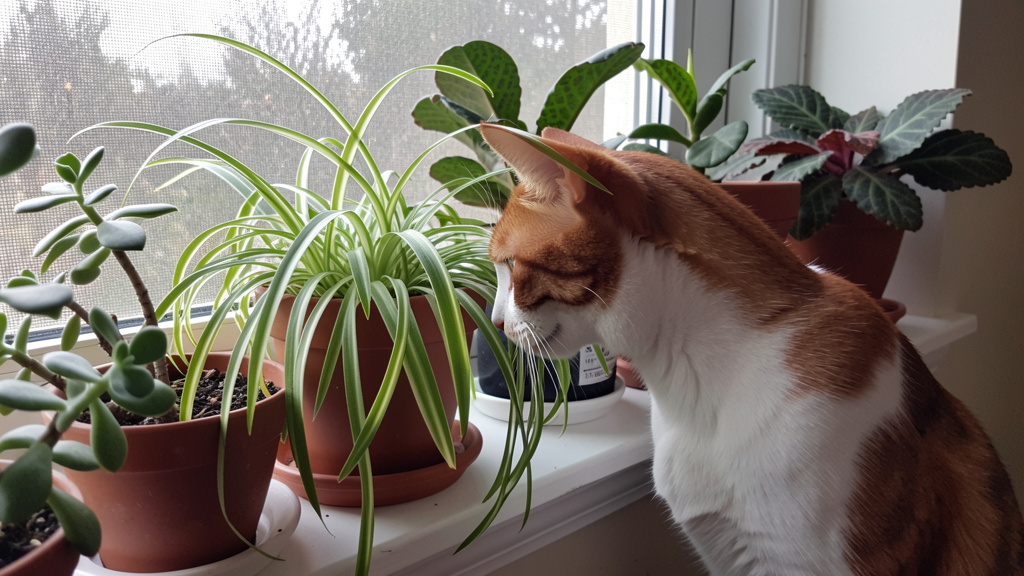
Transform your home into a lush, safe sanctuary where your green thumb and furry companions thrive together—without compromise or constant worry.
For devoted pet guardians who cherish indoor greenery, the uncertainty around plant safety can dim the joy of nurturing a living space. You’ve likely paused while unboxing a new plant, heart skipping as you wonder, “Is this truly safe for my curious cat?” or “Could my playful dog be at risk?” This guide replaces anxiety with clarity. Synthesizing continuously updated resources from the ASPCA Animal Poison Control Center (APCC), Pet Poison Helpline, and peer-reviewed veterinary literature, it delivers a practical, adaptable system for designing a home where botanical beauty and pet well-being coexist intentionally. Here, you’ll move beyond fragmented lists to embrace a holistic framework—empowering you to make informed choices, reduce risk thoughtfully, and rediscover the calm joy of sharing your space with both plants and pets.
Introduction: Where Compassion for Pets and Plants Converges
Indoor plants enrich our lives—they soften spaces, support mental well-being, and reconnect us to natural rhythms. Simultaneously, our pets are cherished family members whose safety guides countless daily decisions. When these two values intersect, confusion often arises. Online information varies widely: one source declares a plant harmless; another labels it dangerous. Critical nuances—such as which plant parts contain toxins, species-specific reactions, ingested quantity, or the difference between temporary irritation and systemic illness—are frequently omitted. This ambiguity forces difficult compromises: removing all greenery, living in hypervigilance, or unintentionally exposing a beloved animal to harm.
This resource is designed to resolve that uncertainty with compassion and precision. Grounded in current veterinary toxicology and behavioral science, it moves beyond simplistic “safe/toxic” binaries to explore context, motivation, and practical integration. At its core lies the Harmony Framework—a proactive, four-step system developed through synthesis of veterinary guidelines, animal behavior principles, and interior horticulture best practices. Whether you’re welcoming a new kitten, managing a multi-pet household, recovering from a past scare, or simply seeking peace of mind, this guide offers a sustainable path forward. Its purpose is not to foster fear of plants, but to equip you with layered, adaptable strategies that honor both your love for greenery and your commitment to pet safety.
The Harmony Framework: A Proactive 4-Step System for Pet-Safe Plant Parenting
Memorizing static plant lists is unsustainable—research evolves, common names mislead, and every home is unique. True safety emerges from a personalized, dynamic system. The Harmony Framework shifts focus from reactive worry to intentional design. It empowers you to assess any plant within your specific context—considering pet behavior, home layout, lifestyle rhythms, and emotional needs. This isn’t about restriction; it’s about intelligent integration. By implementing these four interconnected steps, you build resilient, multi-layered protection that reduces risk while preserving joy, aesthetic expression, and the therapeutic benefits of living with plants. Safety becomes woven into your home’s fabric—not an afterthought.
Step 1: Understand Your Pet’s Unique Behavior Profile
Risk is never defined by the plant alone. It arises from the interaction between a plant’s properties and your pet’s individual behavior, physiology, access capabilities, and motivations. A strategy effective for a calm senior cat may fail completely for a teething puppy or an agile, curious kitten. Begin with structured, non-judgmental observation. Over three consecutive days, document interactions using these categories:
- Curiosity & Investigation Level: Does your pet approach new objects immediately (high), show cautious interest (medium), or consistently ignore them (low)? Note triggers: post-meal energy spikes, response to grocery bags, or reactions to rearranged furniture.
- Chewing/Mouthing Tendency: Document frequency and targets: “Gently bats hanging vines,” “Chews stray leaves occasionally,” “Mouths stems but rarely swallows,” “Shows zero interest in vegetation.” Note patterns with non-plant items (fabric, cords), which may indicate boredom or underlying needs.
- Physical Access Capability: Measure the highest point your pet reliably reaches. For cats: Can they leap to the top of a bookshelf? Use furniture as launchpads? For dogs: Can they stand to reach a low table? Push stools into position? Observe collaborative behaviors—multiple pets may enable access neither could achieve alone.
- Boredom & Anxiety Indicators: Does plant interaction increase during specific windows? Common patterns include periods of solitude, inclement weather limiting outdoor time, routine disruptions, or insufficient mental/physical stimulation.
Why this step matters: Personalization transforms generic advice into actionable strategy. A mildly irritating plant poses minimal risk to a disinterested pet with limited access but significant risk to a persistent chewer with high mobility. Understanding why a behavior occurs (boredom vs. anxiety vs. developmental stage) guides humane, effective solutions beyond removal.
How to implement effectively:
1. Conduct neutral observation: Temporarily place a verified non-toxic plant (e.g., Spider Plant) in a typical location. Use a pet camera to observe unsupervised interactions. Note duration, type of engagement (sniffing, batting, chewing), and disengagement cues.
2. Identify contextual triggers: Correlate interactions with time of day, household activity, or environmental changes. Does chewing increase after walks? During video calls? When specific family members are present?
3. Involve all caregivers: Ensure consistent logging across household members. Children or frequent visitors may notice subtle behaviors adults overlook.
Common pitfalls to avoid:
– Assuming past behavior predicts future actions: Pets evolve. A senior dog developing cognitive changes may investigate plants ignored for years. Reassess quarterly or after major life events (new pet, move, schedule shift).
– Underestimating collaborative problem-solving: Two cats may boost each other to new heights; a clever dog might learn to open gates. Test barriers with all pets present. Secure gates with secondary locks if needed.
– Confusing plant chewing with pica: Persistent chewing of non-food items may signal medical issues (gastrointestinal disorders, nutritional gaps, anxiety). Consult a veterinarian to rule out underlying conditions before implementing behavioral strategies.
Illustrative scenario: After adopting Benny, a terrier mix who’d chewed a Peace Lily at the shelter, Sarah removed all plants, feeling defeated. Implementing Step 1 revealed Benny only investigated plants between 3–5 PM during remote work hours—indicating boredom, not plant-specific fixation. He ignored plants secured above 4 feet. Solution: She introduced a frozen enrichment toy at 2:45 PM daily and placed cat grass (wheatgrass) in his gated zone. She then confidently reintroduced a hanging Pothos (secured well above reach) and a Boston Fern within his supervised area. Understanding Benny’s motivation transformed anxiety into a sustainable, joyful solution.
Step 2: Decode Plant Toxicity: Moving Beyond Binary Labels
“Safe” and “toxic” are incomplete descriptors. Toxicity exists on a spectrum shaped by multiple factors: specific compounds present, plant parts involved (leaf, stem, flower, bulb, sap, pollen), ingested quantity, pet species/size/health, and individual sensitivity. This step builds nuanced literacy for informed decisions. We use a refined Toxicity Spectrum Framework—grounded in APCC and Pet Poison Helpline classifications—to replace fear with understanding.
The Toxicity Spectrum Framework
-
Level 1: Non-Toxic (Verified Safe Havens): Plants with no documented toxic compounds for cats or dogs in major veterinary databases. Ingestion of small amounts may cause mild, transient gastrointestinal upset (e.g., single episode of vomiting) due to physical fiber irritation—similar to eating grass—but poses no risk of organ damage or systemic illness. Ideal for Zone Green placement.
Examples: Spider Plant (Chlorophytum comosum), Boston Fern (Nephrolepis exaltata), Parlor Palm (Chamaedorea elegans), Calathea varieties, Haworthia succulents.
Critical nuance: “Non-toxic” refers to chemical safety. Physical hazards remain: large leaves could pose choking risks for very small pets; soil additives or fertilizers may cause upset. Always supervise initial interactions. Verify using botanical names—common names vary regionally. -
Level 2: Mildly Irritating (Manageable Risk with Strategy): Contain compounds like insoluble calcium oxalate crystals or mild saponins. Cause immediate, localized irritation: burning/itching of mouth, excessive drooling, pawing at face, difficulty swallowing, possible vomiting. Discomfort is typically self-limiting—pets often stop after the first bite due to unpleasant sensation. Rarely life-threatening in healthy adults but distressing. Risk increases with large ingestions, pre-existing conditions, or very young/small/old pets. Suitable for Zone Yellow with verified barriers.
Examples: Pothos (Epipremnum aureum), Philodendron species, ZZ Plant (Zamioculcas zamiifolia), Peace Lily (Spathiphyllum spp.—not a true lily), Snake Plant (Sansevieria trifasciata).
Critical nuance: “Mild” describes typical outcomes with small ingestions. A determined chewer consuming significant portions may experience pronounced swelling or dehydration. The immediate discomfort often serves as a natural deterrent. -
Level 3: Moderately to Severely Toxic (Requires Veterinary Consultation): Contain compounds causing systemic effects: persistent vomiting/diarrhea (sometimes bloody), lethargy, tremors, abnormal heart rate, breathing difficulties, or organ strain. Ingestion warrants immediate contact with a veterinarian or poison control center. Outcomes depend on prompt care, quantity, and pet factors. Strongly recommended for Zone Red (inaccessible) or removal from pet homes.
Examples: Sago Palm (Cycas revoluta—all parts), Oleander (Nerium oleander), Autumn Crocus (Colchicum autumnale), Castor Bean (Ricinus communis), Kalanchoe species.
Critical nuance: Severity varies within this level. Sago Palm seeds are exponentially more toxic than leaves. Oleander toxicity is extreme—even smoke from burning branches poses hazards. Never assume “a small amount is harmless.” -
Level 4: Extremely Toxic (Life-Threatening Emergency): Ingestion of minute amounts (single seed, pollen grains, small leaf fragment) can cause rapid organ failure or death without immediate, aggressive veterinary intervention. These plants should be strictly avoided in any home with pets.
Examples: True Lilies (Lilium spp. and Hemerocallis spp.—fatal to cats), Lily of the Valley (Convallaria majalis), Yew (Taxus spp.).
Critical nuance—The Lily Imperative for Cat Guardians: True lilies (Easter Lily, Tiger Lily, Daylily, etc.) are uniquely devastating to cats. All parts—petals, leaves, pollen, stem, vase water—are lethal. Ingestion of pollen groomed from fur or drinking contaminated water can trigger acute kidney failure within 36–72 hours. No antidote exists; survival depends on aggressive IV fluid therapy initiated within hours. Dogs may experience mild stomach upset from true lilies but are not at risk of kidney failure. However, due to the extreme, species-specific danger to cats, true lilies must be excluded from multi-pet households and homes where cats access outdoor spaces near neighbors’ gardens.
Crucial distinction: “Peace Lily” (Spathiphyllum) and “Calla Lily” (Zantedeschia) are not true lilies. They are Level 2 plants (calcium oxalates)—irritating but not kidney-toxic to cats. Confusion over common names is a leading cause of preventable incidents.
Why this step matters: Binary thinking leads to unnecessary fear (avoiding all Level 2 plants despite manageable risk) or dangerous complacency (“My dog nibbled Pothos once with no issue, so it’s safe”). Understanding the spectrum enables context-appropriate placement and measured responses. A Level 2 plant hung securely high poses low risk; the same plant on the floor with a persistent chewer poses high risk. Knowing the specific mechanism (e.g., calcium oxalates cause localized pain; lily toxins destroy kidney cells) informs both prevention and emergency communication with veterinarians.
How to verify accurately:
1. Use authoritative, current sources: Cross-reference using botanical (scientific) names. Bookmark:
– ASPCA Animal Poison Control Center Toxic and Non-Toxic Plants Database
– Pet Poison Helpline Database (website/app)
– University veterinary college extension resources (e.g., Cornell, UC Davis)
2. Identify toxic components: Understanding why a plant is classified informs risk assessment. Calcium oxalates cause immediate discomfort but minimal systemic absorption; cycasin in Sago Palm causes severe liver damage. This knowledge aids veterinary triage.
3. Contextualize risk: A large dog ingesting one Sago Palm seed faces serious risk; a small dog faces higher urgency—but any Sago Palm ingestion warrants immediate veterinary consultation. For Level 2 plants, a large dog may show mild drooling from a small bite; a kitten may exhibit more pronounced symptoms. Context is essential.
Common verification errors:
– Trusting unverified retail claims: Plant tags, social media posts, or crowd-sourced lists often contain errors. A plant sold as “Pet-Safe Fern” could be toxic Asparagus Fern (Asparagus setaceus) instead of safe Boston Fern. Always verify independently.
– Overlooking plant parts: Amaryllis bulbs (Level 3) are significantly more toxic than flowers. Sago Palm seeds are vastly more toxic than leaves. True lily pollen is lethally toxic to cats.
– Assuming “natural” equals safe: Many potent toxins are plant-derived (e.g., Oleander, Sago Palm). Safety is determined by specific compounds, not origin.
Helpful analogy: Plant toxicity resembles human food sensitivities. Peanuts represent Level 4 (life-threatening for those with allergies). Shellfish represent Level 3 (significant illness risk for sensitive individuals). Dairy represents Level 2 (uncomfortable but not dangerous in small amounts for lactose-intolerant people). Apples represent Level 1 (generally safe). The reaction depends on the individual’s biology, the substance, and the amount consumed. Context transforms understanding.
Step 3: Design Your Home’s Strategic Plant Zones
Knowledge becomes safety through intentional application. Step 3 translates behavioral insights (Step 1) and toxicity understanding (Step 2) into your physical environment. Divide your home into three zones based on verified pet access and plant classification. This visual system eliminates guesswork, prevents impulsive placement, and creates shared understanding among all household members.
-
Zone Green (Unrestricted Access – Pet-Level Sanctuary): Areas pets access freely without effort (floor level, low furniture within verified jump height).
Placement rule: Exclusively Level 1 (Non-Toxic) plants.
Implementation: Place Boston Ferns beside pet beds, Spider Plants on low shelves, Parlor Palms in resting corners. Integrate designated “chew zones” here: pots of cat grass (wheatgrass, oat grass) for cats; safe herb pots (parsley, catnip in moderation) for interested pets. This satisfies natural instincts positively and reduces curiosity about other plants. -
Zone Yellow (Controlled Access – Managed Interaction): Areas reachable only with deliberate effort (countertops, medium shelves) or requiring supervision.
Placement rule: Level 2 (Mildly Irritating) plants only if your pet’s behavior profile indicates low chewing tendency and access is reliably limited.
Implementation: - Physical barriers: Use heavy, wide-based ceramic pots. Install ceiling hooks secured into studs for hanging planters (not curtain rods). Place plants behind ventilated mesh domes or within stable plant cages.
- Deterrents: Apply pet-safe bitter sprays (e.g., Grannick’s Bitter Apple) to pot rims and non-leaf surfaces (test first). Place citrus peels or diluted citrus sprays near bases (many pets dislike the scent). Apply double-sided tape to nearby surfaces.
-
Supervision: Allow pet access to this zone only when you are present to gently redirect behavior if needed.
-
Zone Red (Strictly Off-Limits – Absolute Containment): Areas completely and verifiably inaccessible under all foreseeable circumstances (high shelves behind closed doors, rooms with secured baby gates, hanging planters in pet-free rooms).
Placement rule: Level 3 or 4 plants only if absolutely necessary (e.g., deeply sentimental heirloom plant). Strong veterinary consensus recommends removing Level 3/4 plants entirely from pet-owning households. The consequences of a single breach—pet ingenuity, human error, falling debris—far outweigh aesthetic or sentimental value. If retained, Zone Red must be rigorously tested: Can your pet open the gate? Knock the stand? Access the room during gatherings? If any doubt exists, rehome the plant responsibly.
Why zoning matters: Zones create intuitive, visual boundaries everyone can follow. They prevent “I’ll just put it here temporarily” decisions that lead to incidents. This system is dynamic—it adapts to life changes: adding a new pet, moving furniture, home renovations. Safety becomes an integrated design principle, not a reactive chore.
How to implement systematically:
1. Create a zone map: Sketch your floor plan. Color-code: Green (pet-accessible floors), Yellow (counters/shelves), Red (secured rooms/high shelves). Mark pet resting spots, common jumping routes (cat trees to shelves), and potential hazards (chairs near counters).
2. Conduct a plant audit: Photograph every plant. Immediately verify each using its botanical name against APCC/Pet Poison Helpline databases. Categorize as Level 1, 2, or 3/4. Relocate plants immediately per your zone map: Move toxic plants out of Zone Green; fill Zone Green with verified Level 1 plants.
3. Integrate enrichment into Zone Green: Place engaging, pet-safe items here: cat grass pots, valerian-filled toys for cats, durable chew toys for dogs. This actively redirects natural instincts toward appropriate outlets.
4. Address secondary hazards:
– Fallout: Choose plants less prone to shedding leaves. Vacuum/sweep daily under hanging plants. Place saucers under pots to catch debris.
– Water sources: Vase water from cut flowers (especially lilies) can contain dissolved toxins or bacteria. Place vases in Zone Red. Change water frequently. Cover surfaces with marbles to limit access.
– Barriers: Test gates, hooks, and placements monthly. Pets learn; environments change. Make zone maintenance routine.
Illustrative scenario: Multi-Pet Household Adaptation
Mark and Lena share their home with Pixel (an agile 8-month-old kitten) and Duke (a gentle 10-year-old Golden Retriever with limited mobility).
– Step 1 Audit: Pixel jumps 5.5 feet, investigates everything, moderate chewing when bored. Duke ignores plants but can reach low tables (2.5 feet) if motivated.
– Step 2 Verification: They identified a bouquet as Stargazer Lilies (Level 4—extreme cat danger) and safely disposed of it. Confirmed Boston Fern (Level 1), Parlor Palm (Level 1), Pothos (Level 2).
– Step 3 Zoning:
– Zone Green: Boston Fern beside Pixel’s cat tree; Parlor Palm in Duke’s napping corner; dedicated wheatgrass pot labeled “Pixel’s Grass.”
– Zone Yellow: Pothos in heavy ceramic pot on kitchen counter (Pixel cannot jump there; Duke shows no counter interest). Applied citrus-scented deterrent to pot rim. Added safe Peperomia (Level 1) nearby as visual decoy.
– Zone Red: Cherished Cyclamen (Level 3) on high shelf in home office. Door remains closed with secure baby gate. Plan to replace with African Violet (Level 1) within months.
Result: Lush greenery thrives at multiple levels. Pixel’s chewing instinct is safely satisfied. Duke enjoys calm plant presence. Mark and Lena feel confident, not anxious. The system works with their pets’ natures.
The Fundamental Principle: True safety is not a single action but a living ecosystem of informed choices, intentional design, compassionate understanding, and ongoing observation—where the well-being of every family member is seamlessly woven into the architecture of your home.
Step 4: Emergency Preparedness and Response Protocol
Even meticulous planning cannot eliminate all uncertainty. A guest leaves a door ajar. A plant stand shifts. A curious pet discovers an unforeseen path. Preparedness is not pessimism—it is the highest expression of care. A pre-established protocol transforms panic into purposeful action, preserving critical seconds that impact outcomes. This step is essential for every pet household.
Build Your Pet Plant Emergency Kit Today
Assemble and store in an accessible location known to all household members and frequent caregivers (e.g., near the front door, in the kitchen). Include:
- Critical Contact Information (Posted visibly AND saved in phones):
- Primary veterinarian name, phone, address
- Nearest 24/7 emergency veterinary clinic name, phone, address, driving directions
- ASPCA Animal Poison Control Center: (888) 426-4435 (consultation fee may apply)
-
Pet Poison Helpline: (855) 764-7661 (consultation fee may apply)
Pro tip: Save contacts under “PET EMERGENCY” with a distinctive ringtone. Print a wallet-sized card for purses/wallets. -
Essential First-Aid Supplies:
- Fresh 3% hydrogen peroxide (Use ONLY if explicitly instructed by a veterinarian or poison control to induce vomiting. Never use without professional guidance—some toxins cause more damage coming back up.)
- Oral syringe (without needle) for precise administration
- Sterile saline solution (for flushing eyes if sap contacts them)
- Soft cloths or paper towels (for wiping mouth, paws, fur)
- Digital pet thermometer (lubricated)
- Tweezers (for removing visible plant fragments)
-
Small flashlight (to examine mouth/throat)
-
Plant Identification Resources:
- Phone folder with clear, labeled photos of every plant (common + botanical name), including close-ups of leaves, stems, flowers.
- Printed copy of your plant audit list (from Step 3) stored with the kit.
The 5-Step Response Protocol (Memorize and Practice)
If you witness ingestion or suspect interaction with a potentially toxic plant:
- Stay calm and ensure safety: Breathe deeply. Your calmness reduces pet stress. Ensure your safety first (some saps irritate human skin; wear gloves if handling unknown plants). Gently remove your pet from the area. Do not scold—this wastes time and increases fear.
- Secure evidence and assess: Carefully collect remaining plant material. Place in a sealed bag. Do not put fingers in your pet’s mouth. Gently wipe mouth/paws with a damp cloth. Note: plant name (use phone photo), part ingested, estimated quantity, time of exposure, and all symptoms (drooling, vomiting color/content, lethargy, breathing changes, gum color, urination changes).
- Contact professionals immediately: Call your vet, emergency clinic, APCC, or Pet Poison Helpline without delay. Provide:
- Pet species, breed, weight, age, health conditions
- Plant common + botanical name (show photo)
- Part ingested, estimated amount, time of exposure
- Observed symptoms
- Any first aid administered
- Follow instructions precisely: Listen carefully. They may direct you to:
- Bring your pet in immediately (have someone else drive)
- Induce vomiting only if explicitly instructed (using kit supplies)
- Flush eyes/skin with saline/water
- Monitor closely at home for specific symptoms
- Bring sealed plant sample or vomit sample to clinic
Never administer milk, bread, oil, or home remedies—they can worsen outcomes. Never induce vomiting without professional guidance. - Transport safely and provide support: If directed to the vet, secure your pet in a carrier or have someone gently restrain them. Bring the sealed plant sample, emergency kit, and any samples if instructed. Stay with your pet; your presence is comforting. Provide the veterinary team with all gathered information.
Why preparedness matters: Time is critical for many toxins. For true lilies in cats, treatment must begin within hours to prevent irreversible kidney damage. For Sago Palm ingestion, rapid decontamination supports better outcomes. A pre-planned protocol eliminates frantic searching for numbers or debating actions. Seconds saved support better health outcomes and reduce caregiver trauma during crisis.
How to maintain readiness:
– Practice quarterly: Role-play steps with household members. Assign roles: Who calls? Who retrieves pet/kit? Who drives? Practice describing symptoms calmly.
– Refresh kit contents: Check expiration dates on peroxide and saline every three months. Update contact numbers after moves or vet changes. Refresh plant photos when adding new plants.
– Educate all caregivers: Ensure pet sitters, dog walkers, and frequent visitors know kit location, zone map, and basic protocol. Provide written instructions with sitter materials.
– Pre-verify clinic protocols: Call your vet now to ask: Do they handle toxicology cases? What is their after-hours emergency process? Which emergency clinic do they recommend? Having this pre-confirmed streamlines action.
Critical reminders:
– Do not wait for symptoms: Many severe toxins (lilies, Sago Palm) have delayed onset. By the time vomiting or lethargy appears, significant internal impact may have occurred. Always seek professional advice immediately after suspected ingestion of Level 2, 3, or 4 plants. For Level 1 plants, monitor closely; contact a vet if vomiting persists beyond once or other symptoms appear.
– Never induce vomiting without guidance: For caustic substances (e.g., calcium oxalates in Pothos) or sedative toxins, vomiting can cause additional harm. Trust veterinary expertise.
– Small ingestions matter: For Level 4 plants (true lilies for cats, Sago Palm seeds), any amount warrants emergency care. For Level 3 plants, even small amounts require professional consultation. Potency matters as much as quantity.
The Definitive Directory: Pet-Safe and Toxic Plants Decoded with Context
This directory applies the Harmony Framework’s Toxicity Spectrum to common household and gift plants. Always verify using botanical names—common names vary regionally and cause dangerous misidentification. For each entry, we explain the classification rationale, symptom context, safe alternatives, and critical distinctions often missing from simplified lists. This transforms the directory into an active decision-making tool.
🌿 Level 1: Non-Toxic Champions (Ideal Foundation for Zone Green)
These plants pose no documented chemical toxicity risk to cats or dogs per major veterinary toxicology databases. They form the backbone of a worry-free indoor garden. Note: Ingestion of large quantities of any fibrous plant material may cause mild, transient gastrointestinal upset due to physical irritation—similar to a human eating excessive roughage. This is not chemical toxicity and typically resolves quickly. Always supervise initial interactions.
Spider Plant (Chlorophytum comosum)
Why verified safe: No identified toxic compounds for cats or dogs. Arching leaves and dangling “pups” provide visual interest and harmless enrichment.
Pet interaction note: Cats often bat at the plantlets like toys. Completely safe for investigation or gentle chewing.
Care for success: Thrives in bright, indirect light; tolerates lower light. Prefers soil to dry slightly between waterings. Highly resilient—ideal for beginners. Propagate pups easily in water or soil.
Critical distinction: Sometimes called “Airplane Plant.” True Spider Plant is safe. Avoid confusion with toxic “Spider Lily” (Hymenocallis spp.). Verify botanical name Chlorophytum comosum.
Harmony tip: Perfect for hanging baskets within Zone Green (low enough for safe cat interaction) or on stable low shelves. Resilience makes it ideal for homes with curious pets.
Boston Fern (Nephrolepis exaltata)
Why verified safe: Non-toxic foliage. Feathery fronds create soft texture and a humid microclimate.
Pet interaction note: Dense fronds offer appealing hiding spots for shy or anxious cats. Safe for investigation.
Care for success: Prefers high humidity and consistently moist (not soggy) soil. Bright, indirect light ideal; avoid hot direct sun. Mist regularly or use a pebble tray. Benefits from gentle showers to remove dust.
Critical distinction: Asparagus Fern (Asparagus setaceus) is TOXIC (Level 2). Features wispy, needle-like foliage and red berries. Despite “fern” in name, it contains sapogenins causing vomiting, diarrhea, and skin irritation. Ensure you have Nephrolepis exaltata.
Harmony tip: Place in a heavy pot on the floor in Zone Green. Fullness creates a natural barrier and safe exploration zone near pet beds.
Parlor Palm (Chamaedorea elegans)
Why verified safe: Gentle, slow-growing palm with no documented toxic properties. Adds elegant height at pet-accessible levels.
Pet interaction note: Soft fronds invite curious sniffing or gentle batting. Upright growth is less tempting for chewing than trailing vines.
Care for success: Tolerates low to medium indirect light. Water when top inch of soil feels dry. Avoid cold drafts and dry air from heaters. Slow grower—infrequent repotting needed.
Safe alternatives: Areca Palm (Dypsis lutescens) is non-toxic but requires brighter light/higher humidity. Majesty Palm (Ravenea rivularis) is generally non-toxic but challenging long-term indoors.
Harmony tip: Excellent for filling floor space in Zone Green. Height (typically 2–4 feet indoors) provides visual interest without dominating rooms. Place near seating for calming presence.
Calathea Family (Calathea spp. and Maranta leuconeura)
Why verified safe: All commonly cultivated species are non-toxic. Renowned for patterned leaves that move throughout the day (nyctinasty).
Pet interaction note: Leaf movement may intrigue pets visually, satisfying curiosity without risk. Excessive nibbling may damage the plant but poses no chemical hazard.
Care for success: Requires consistent moisture and high humidity. Use distilled/filtered water to prevent tip browning. Medium to bright indirect light; avoid direct sun. Keep away from drafts.
Nuance: While non-toxic, Calatheas can be sensitive. If pets frequently knock pots, place on a stable stand within Zone Green but slightly elevated (e.g., low stool) to reduce disturbance while remaining accessible.
Harmony tip: Group with other Level 1 plants to create a lush, safe “pet garden” corner. Visual interest can redirect attention from less desirable targets.
Haworthia (Haworthia spp., e.g., Zebra Plant H. fasciata)
Why verified safe: Small succulent with thick, rosette-forming leaves; non-toxic. Often confused with toxic Aloe.
Pet interaction note: Compact size suits desks, shelves (Zone Yellow if needed), or windowsills. Safe if investigated. Unique texture may satisfy curiosity.
Care for success: Bright, indirect light (east/west window ideal). Water deeply only when soil is completely dry. Use well-draining cactus mix. Very low maintenance.
CRITICAL DISTINCTION: Aloe Vera is TOXIC (Level 2). Aloe has longer, serrated leaves filled with clear gel. Ingestion causes vomiting, diarrhea, lethargy due to saponins and anthraquinones. Haworthia leaves are solid, lack significant gel, and have smooth or bumpy surfaces without sharp teeth. Compare side-by-side before purchasing. When uncertain, choose Haworthia.
Harmony tip: Ideal “starter succulent” for pet homes. Cluster several on a Zone Green windowsill for safe, sculptural display. Perfect for small spaces.
Additional verified Level 1 plants (briefly noted for breadth):
– African Violet (Saintpaulia ionantha): Safe blooms; keep soil slightly dry. Avoid misting leaves.
– Money Tree (Pachira aquatica): Non-toxic; braided trunk adds visual interest. Prefers bright, indirect light.
– Ponytail Palm (Beaucarnea recurvata): Safe; stores water in bulbous base. Extremely drought-tolerant.
– Cast Iron Plant (Aspidistra elatior): Non-toxic; thrives in low light with minimal care. Large, dark green leaves.
– Peperomia varieties (e.g., Watermelon Peperomia): Safe; compact with attractive foliage. Prefers moderate light.
– Orchids (Phalaenopsis): Moth orchids are non-toxic. Display blooms in Zone Yellow; keep potting medium out of reach.
– Bromeliads (Neoregelia, Guzmania): Non-toxic; vibrant, architectural forms. Keep central cup filled with water.
– Friendship Plant (Pilea involucrata): Safe; textured leaves. Prefers humidity and indirect light.
– Polka Dot Plant (Hypoestes phyllostachya): Generally non-toxic; may cause mild upset if eaten in very large quantities.
Verification practice: When acquiring any plant, immediately research its botanical name. Take a clear photo of the tag. If uncertain, contact the nursery for species confirmation or consult APCC database before bringing it home. When in doubt, choose a verified Level 1 alternative.
⚠️ Level 2: Mildly Irritating Plants (Manage Strategically with Zone Yellow)
These plants contain compounds (primarily insoluble calcium oxalate crystals) causing immediate, localized mouth/throat irritation upon contact. Symptoms are typically self-limiting but distressing. Risk is manageable with strict Zone Yellow protocols but requires vigilance, especially with persistent chewers. Never place in Zone Green.
Pothos / Devil’s Ivy (Epipremnum aureum)
Why irritating: Packed with needle-shaped calcium oxalate crystals (raphides) throughout leaves and stems. Chewing causes crystals to pierce oral tissues.
Symptoms: Immediate pawing at mouth, excessive drooling (sometimes foamy), difficulty swallowing, vomiting (often with plant material), vocalization. Symptoms appear within minutes. Pets typically stop chewing after first bite due to pain.
Management: Strictly Zone Yellow or Red. Hang from secure ceiling hooks well above verified jump height. Place on high, stable shelves behind barriers. Apply bitter apple spray to pot rim. Never place on floor, low tables, or within reach of climbing pets.
Safe alternatives for similar aesthetic:
– Trailing habit: Spider Plant (Level 1), Peperomia obtusifolia (Baby Rubber Plant – Level 1)
– Heart-shaped leaves: Peperomia caperata (Emerald Ripple – Level 1)
Critical nuance: Sold as “Golden Pothos,” “Marble Queen,” “Neon Pothos”—all are Epipremnum aureum and equally irritating. “Satin Pothos” (Scindapsus pictus) is a different genus but also contains calcium oxalates (Level 2). No common trailing vine sold as “Pothos” is safe. Verify botanical name.
Harmony application: If you love the look and your pet profile indicates very low risk (e.g., senior pet with no chewing history, strict Zone Yellow placement verified), it can be managed. For homes with kittens, puppies, or known chewers, safe alternatives eliminate risk entirely.
ZZ Plant (Zamioculcas zamiifolia)
Why irritating: Contains calcium oxalate crystals, concentrated in the rhizome (underground stem) but present throughout.
Symptoms: Oral irritation, drooling, vomiting. Thick, waxy leaves are less palatable to many pets, potentially reducing chewing incidence—but risk remains if ingested.
Management: Place on high, stable surfaces (Zone Yellow). Extreme drought tolerance makes it suitable for less accessible spots. Use heavy pot to prevent tipping. Apply deterrent spray to pot.
Common misconception: Marketed as “indestructible” and “low light,” leading some to assume it’s “safe.” Resilience refers to care requirements, not pet safety.
Safe alternative: For similar sculptural appearance: Cast Iron Plant (Aspidistra elatior – Level 1) offers tough, dark green leaves and exceptional tolerance for low light/neglect.
Harmony application: Slow growth and low maintenance make it a candidate for Zone Yellow in low-risk homes. However, the toxic rhizome means even a knocked-over plant exposing roots poses a hazard. Secure placement is essential.
Philodendron and Monstera Varieties
Why irritating: Calcium oxalate crystals permeate all parts of common varieties (Heartleaf Philodendron P. hederaceum, Split-Leaf Philodendron Monstera deliciosa, Swiss Cheese Plant M. adansonii).
Symptoms: Identical to Pothos—immediate oral pain, drooling, vomiting.
Critical distinction: No commonly cultivated “Swiss Cheese Plant” (Monstera spp.) is safe. Despite frequent mislabeling online, all contain irritants.
Management: Same as Pothos—strict Zone Yellow/Red placement. Monsteras require very secure placement on heavy stands due to size.
Safe alternatives for large, dramatic leaves:
– Parlor Palm (Level 1) for height and grace
– Cast Iron Plant (Level 1) for large, dark green leaves in low light
– Calathea varieties (Level 1) for large, patterned leaves (require more humidity)
Harmony application: Popularity has fueled misinformation about safety. If you desire this aesthetic, commit fully to Zone Red placement (e.g., sunroom pets cannot access) or choose a verified safe alternative. Visual appeal does not outweigh risk for curious pets.
Additional Level 2 plants requiring Zone Yellow management:
– Peace Lily (Spathiphyllum spp.): Calcium oxalates cause irritation. Crucially distinct from true lilies (Level 4).
– Snake Plant (Dracaena trifasciata, formerly Sansevieria): Saponins cause nausea, vomiting. Very resilient; place high.
– Dieffenbachia (Dumb Cane): High concentration of calcium oxalates; significant swelling risk. Avoid in homes with persistent chewers.
– Chinese Evergreen (Aglaonema spp.): Calcium oxalates; symptoms similar to Pothos.
– Rubber Plant (Ficus elastica): Sap may cause mild irritation or GI upset.
– English Ivy (Hedera helix): Triterpenoid saponins cause vomiting, diarrhea, drooling.
– Dracaena varieties (Corn Plant, Dragon Tree): Saponins cause vomiting (sometimes bloody), depression, drooling.
Management reminder: For all Level 2 plants, Zone Yellow protocols must be rigorously maintained. Reassess placement after furniture changes, new pet introductions, or observed behavioral shifts. When safe alternatives exist that fulfill the same aesthetic need, they are strongly recommended to eliminate risk.
☠️ Level 3 & 4: Plants Requiring Removal or Absolute Containment
These plants pose significant to severe risks. Ingestion can cause systemic illness, organ damage, or death. Veterinary toxicology consensus strongly advises removing these plants entirely from any home with pets. The potential consequences of even minor containment breaches are too severe to justify retention. This section emphasizes urgency with actionable guidance.
True Lilies (Lilium spp. and Hemerocallis spp.) – EXTREME, SPECIFIC DANGER TO CATS
Why deadly: All parts—petals, leaves, pollen, stem, bulb, vase water—contain toxins causing acute kidney failure in cats. Ingestion of even a few pollen grains (groomed from fur) or drinking contaminated water can be fatal. No antidote exists.
Symptoms in cats (critical timeline):
– 0–6 hours: Vomiting (may contain plant material), lethargy, drooling
– 12–24 hours: Increased thirst/urination (early kidney stress)
– 18–72 hours: Decreased/no urination, severe lethargy, dehydration, collapse. Without aggressive IV fluid therapy started within hours of exposure, outcome is often fatal.
Immediate action protocol: IF EXPOSURE IS SUSPECTED IN A CAT, TREAT AS A LIFE-THREATENING EMERGENCY.
1. Gently wipe visible pollen from fur with damp cloth (wear gloves).
2. DO NOT WAIT FOR SYMPTOMS. Contact vet/emergency clinic while en route.
3. Bring cat and plant (or clear photo) to clinic.
4. Inform staff: “Suspected true lily exposure in a cat”—this triggers urgent protocol.
Dog note: Dogs may experience mild stomach upset but are not at risk of kidney failure. However, due to extreme lethality to cats, true lilies must be excluded from all multi-pet households and homes where cats access outdoor spaces near neighbors’ gardens.
Common varieties: Easter Lily (Lilium longiflorum), Tiger Lily (Lilium lancifolium), Daylily (Hemerocallis spp.), Stargazer Lily.
CRUCIAL DISTINCTION: “Peace Lily” (Spathiphyllum) and “Calla Lily” (Zantedeschia) are NOT true lilies. They are Level 2 plants (calcium oxalates)—irritating but not kidney-toxic to cats. However, name confusion is deadly. When receiving bouquets, explicitly state: “NO LILIES OF ANY KIND—ESPECIALLY EASTER, TIGER, OR DAYLILIES.” Opt for orchids, roses (remove thorns), or African Violets.
Harmony imperative: Remove immediately. Do not attempt Zone Red containment. Risk of pollen drift, falling petals, or accidental access is unacceptably high. Dispose of plants securely in sealed outdoor trash. Educate family and friends about this critical danger.
Sago Palm (Cycas revoluta)
Why deadly: Contains cycasin, causing severe liver damage. All parts are toxic; seeds (nuts) are exponentially more toxic than leaves. Ingestion of even one seed can be fatal, especially to dogs.
Symptoms: Vomiting (often bloody), diarrhea, drooling, lethargy, jaundice (yellow gums/eyes), seizures, liver failure. Symptoms may be delayed 12–24 hours, but damage begins immediately.
Critical reality: Despite “palm” in name, it is a cycad. Common in landscaping and as houseplants due to architectural appearance. Associated with high fatality rates in pet poisonings.
Action required: Remove immediately and securely. Do not compost. Place entire plant (especially seeds) in sealed plastic bag; dispose in outdoor trash inaccessible to pets. Wash hands thoroughly after handling.
Safe alternatives for palm-like appearance:
– Parlor Palm (Chamaedorea elegans – Level 1)
– Areca Palm (Dypsis lutescens – Level 1)
– Ponytail Palm (Beaucarnea recurvata – Level 1)
Harmony imperative: No safe level of risk exists with Sago Palm in pet homes. Aesthetic or sentimental value is vastly outweighed by lethal potential. Removal is the only responsible choice. If encountered in neighbors’ yards, ensure pets cannot access during walks.
Oleander (Nerium oleander)
Why deadly: Contains cardiac glycosides (oleandrin) disrupting heart function. All parts highly toxic—leaves, flowers, stems, roots, even smoke from burning branches. Ingestion of a single leaf can be fatal.
Symptoms: Drooling, vomiting, diarrhea (often bloody), abdominal pain, irregular heartbeat, tremors, seizures.
Note: More common outdoors in warm climates but sometimes brought indoors as cut flowers or patio containers. Extremely drought-tolerant; prevalent in Mediterranean regions.
Action required: Avoid entirely. Do not plant in pet-accessible yards. Do not bring cut branches indoors. If present in landscape, install secure fencing. Dispose of clippings securely where pets cannot reach.
Harmony imperative: Extreme toxicity and landscape prevalence make awareness critical. Learn to identify Oleander (leathery leaves in whorls of three, showy pink/white/red flowers). Remain vigilant during walks in neighborhoods where it grows.
Additional critical plants requiring removal:
– Lily of the Valley (Convallaria majalis – Level 4): Cardiac glycosides; all parts toxic. Common in shaded gardens.
– Autumn Crocus (Colchicum autumnale – Level 4): Colchicine causes multi-organ failure. Blooms in fall; often confused with spring crocus (less toxic).
– Castor Bean (Ricinus communis – Level 4): Ricin is extremely toxic; seeds most dangerous.
– Yew (Taxus spp. – Level 4): Taxines cause sudden cardiac failure. Common in hedges; all parts toxic except red aril (berry flesh).
– Kalanchoe (Level 3): Cardiac glycosides; higher risk for dogs.
– Amaryllis (Level 3): Bulb highly toxic; contains lycorine.
– Daffodil/Narcissus (Level 3): Bulb highly toxic; crystals cause severe irritation.
Disposal guidance: For toxic plants, wear gloves. Place entire plant in sealed plastic bags. Dispose in outdoor trash bins inaccessible to pets or wildlife. Wash hands and tools thoroughly. Never compost toxic plant material. When removing landscape plants, consult local waste guidelines.
Beyond the List: Cultivating a Truly Harmonious and Resilient Home
Lists and frameworks provide structure, but lasting harmony requires addressing interconnected layers: behavior, emotion, environment, and ethics. This section explores nuanced dimensions that transform coexistence from cautious management to joyful integration.
Addressing Persistent Plant Interaction: When Behavior Needs Deeper Support
Some pets exhibit consistent plant-chewing beyond casual curiosity. This may stem from teething (puppies/kittens 3–8 months), boredom, anxiety, insufficient enrichment, or medical conditions like pica (consuming non-food items due to nutritional gaps, gastrointestinal issues, or compulsive disorders). Always consult a veterinarian first to rule out dental pain, GI disorders, nutritional deficiencies, or neurological conditions. Never assume it’s “just a habit.”
Comprehensive Enrichment Protocol (Essential Foundation):
Enrichment addresses root causes—unmet physical or mental needs—redirecting instincts toward appropriate outlets.
– For Dogs:
– Mental stimulation: Puzzle feeders for meals; frozen Kongs with xylitol-free peanut butter or plain yogurt; hide-and-seek games; short, frequent training sessions (5–10 minutes) teaching new cues.
– Physical exercise: Species- and age-appropriate activity before alone time (e.g., 20-minute sniffing walk). Consider nose work or agility for high-drive breeds.
– Chew alternatives: Rotate durable, safe chew toys (Kong Extreme, GoughNuts). Offer frozen carrots or green beans (vet-approved) for teething puppies.
– For Cats:
– Vertical space: Install cat trees, wall shelves, or window perches. Height reduces stress and provides observation points.
– Hunting simulation: Daily interactive play (10–15 minutes, twice daily) with wand toys mimicking prey. End sessions with a small “kill” (treat) to satisfy instinct.
– Food puzzles: Treat balls or DIY puzzles (egg cartons with kibble) to make eating active.
– Sensory enrichment: Bird feeders outside windows; cat TV videos; scratching posts of varying textures.
– Safe chewing outlets: Grow dedicated pots of cat grass (wheatgrass, oat grass, barley grass) in Zone Green. Replace weekly. Offer catnip or valerian toys in moderation.
Positive Reinforcement Strategy:
Focus on rewarding desired behaviors, not punishing undesired ones.
– Teach “Leave It”: Start with low-value items. Say “Leave it,” cover item. When pet disengages, mark (“Yes!”) and reward with higher-value treat. Gradually increase difficulty. Practice daily.
– Redirect calmly: If pet approaches a plant, say “Oops,” gently guide away, and immediately offer appropriate toy or engage in play. Reward heavily for choosing the toy.
– Build positive associations: Place a comfortable bed near (not under) a safe Zone Green plant. Reward pet for resting there calmly.
Humane Deterrents (Supplemental Tools Only):
Use alongside enrichment and training—not as standalone solutions.
– Scent deterrents: Citrus peels around pot bases; diluted citrus spray (1 part citrus oil to 10 parts water) on pot rims (test on plant first); commercial pet repellents (Grannick’s Bitter Apple). Reapply after watering.
– Texture deterrents: Double-sided tape on surfaces near plants; aluminum foil crumpled around base; plastic carpet runners (nubby side up).
– Physical barriers: Ventilated mesh plant domes; small wire cages around floor plants; plants inside stable baskets.
Important: Deterrents lose effectiveness over time. Rotate types weekly. Never use methods causing fear or pain (e.g., shock mats). If behavior persists despite comprehensive enrichment and veterinary clearance, consult a certified animal behaviorist.
Illustrative progression: Luna, a Border Collie mix, persistently chewed accessible plants. After veterinary clearance ruled out medical issues, her guardian implemented:
1. Enrichment overhaul: Replaced kibble meals with puzzle feeders; added two daily training sessions; introduced frozen Kong during work hours; increased walks with dedicated sniffing time.
2. Redirected chewing: Provided three durable rubber toys, rotated daily; taught “Take it/Drop it” with high-value rewards.
3. Deterrents & zones: Applied bitter apple spray to non-toxic plant pots; secured all plants to Zone Yellow/Red.
4. Safe outlet: Planted dedicated wheatgrass pot labeled “Luna’s Grass” in her gated area.
Within ten days, plant-chewing ceased. Luna actively sought her grass and toys. The key was addressing the underlying boredom and under-stimulation, not just blocking the symptom. Plants remained; the behavior resolved.
The Emotional Dimension: Navigating Guilt, Anxiety, and Compassionate Growth
If you’ve experienced a plant-related scare, incident, or loss, feelings of guilt, shame, or anxiety are deeply human. Please hold this truth gently: Most pet guardians are unaware of specific plant risks until an incident occurs. Misinformation is pervasive; resources are fragmented; common names confuse. Veterinary toxicologists consistently emphasize that owner guilt is misplaced and counterproductive. The compassionate path forward focuses on learning, healing, and prevention—not self-blame.
- After an incident: Acknowledge your feelings without judgment. Then consciously redirect energy: Focus on the proactive steps you took after the incident (seeking veterinary care promptly) and the concrete prevention measures you are implementing now (building your emergency kit, auditing plants, creating zones). Your pet’s recovery and future safety are the priorities. Celebrate your commitment to learning—that is the mark of a caring guardian.
- Honor the experience constructively: If comfortable, share your story (without shame) in supportive communities like r/PlantPets or r/AnxietyPets. Your experience can educate and empower others. Many find healing in advocacy—posting verified safety information, gently correcting misinformation.
- Address lingering anxiety:
- Start small: Begin with one verified Level 1 plant in Zone Green. Build confidence gradually.
- Focus on enrichment: Channel energy into creating positive experiences for your pet (new toy, training session). Success in one area builds overall confidence.
- Professional support: If anxiety significantly impacts your well-being, consult a therapist specializing in health anxiety or pet-related stress. Your mental health matters deeply.
- For those who have experienced loss: Grief is sacred. Allow yourself to feel it fully. Connect with pet loss support resources (ASPCA offers guidance). Remember that you acted with the knowledge available at the time. Honor your pet’s memory through compassionate action—advocating for plant safety awareness, sharing verified information, or supporting animal poison control centers. Your love remains; let it guide purposeful steps forward.
Sustainable and Ethical Sourcing: Ensuring Your “Safe” Plants Are Truly Safe
A plant verified as non-toxic (Level 1) can still pose risks if grown or maintained with harmful chemicals. Extend your care to the plant’s entire lifecycle.
- Choose responsibly grown plants:
- When purchasing, ask nurseries: “Are these grown organically? What pesticides or systemic insecticides were used?” Reputable growers will provide details.
- Seek local growers using integrated pest management (IPM) or organic practices. Farmers’ markets often feature such vendors.
- Look for transparency about growing practices, even without formal certification.
- Quarantine and refresh new plants:
- Isolate new plants for 2–3 weeks in a pet-inaccessible room. Prevents introducing pests (spider mites, fungus gnats) to your collection.
- Rinse thoroughly: Hold under lukewarm running water for several minutes, gently massaging leaves and stems to remove surface residues, dust, or pests. Allow to drain completely.
- Repot if possible: Replace nursery soil with fresh, pet-safe potting mix (avoid mixes containing bone meal, which can attract dogs and cause GI upset if dug up). Use pots with drainage holes.
- Maintain safely indoors:
- DIY pest control: For aphids or spider mites: Mix 1 teaspoon cold-pressed neem oil + 1 quart lukewarm water + 2–3 drops mild dish soap (Castile). Spray only on affected areas; avoid direct sun afterward (risk of leaf burn). Test on one leaf first; wait 24 hours. Neem is generally safe for pets once dry—keep pets away during application and until dry.
- Avoid chemical pesticides: Never use systemic insecticides (e.g., imidacloprid) or aerosol sprays indoors around pets. Residues linger on leaves and soil.
- Fertilize mindfully: Use organic, slow-release fertilizers sparingly. Over-fertilizing causes salt buildup, harming plants and potentially irritating pets if soil is ingested. Dilute liquid fertilizers to half-strength. Avoid fertilizers containing bone meal or blood meal.
- Water wisely: Use room-temperature water. Let tap water sit 24 hours to allow chlorine to evaporate. Avoid letting pets drink from plant saucers, which can harbor bacteria or fertilizer residue.
Seasonal Considerations: Navigating Holidays and Special Occasions Safely
Holidays introduce temporary but significant risks through decorations, gifts, and seasonal plants. Proactive planning ensures joy without jeopardy.
- Winter Holidays (Christmas, Hanukkah, New Year’s):
- Christmas Trees: Pine needles may cause GI irritation or puncture if swallowed. Secure tree firmly. Use a barrier (tree skirt, playpen) to prevent pets from drinking tree water (contains fertilizers, bacteria, preservatives). Avoid tinsel and glass ornaments (choking/intestinal blockage hazards).
- Toxic plants: Poinsettias (Level 2—mildly irritating sap), Holly (berries toxic—Level 3), Mistletoe (severely toxic—Level 4), Amaryllis (bulb highly toxic—Level 3). Action: Place all toxic holiday plants in Zone Red (high shelves behind closed doors) or avoid entirely. Opt for safe alternatives: Orchids, African Violets, or arrangements using only verified Level 1 plants.
- Gift safety: Inspect all floral arrangements and potted plants received as gifts immediately. Remove toxic elements or rehome the arrangement. Politely inform gift-givers of your pet-safe preferences for future reference.
- Spring (Easter, Mother’s Day):
- Lilies are the #1 threat. Easter lilies, Tiger lilies, and other true lilies are ubiquitous. Action: Explicitly request “NO LILIES” on gift orders. Choose bouquets featuring roses (remove thorns), sunflowers, orchids, or daisies. For potted gifts, select African Violets or Orchids.
- Easter Grass: Plastic “grass” poses severe intestinal blockage risk. Use shredded paper, tissue paper, or avoid entirely. Keep Easter baskets out of reach.
- Fall (Halloween, Thanksgiving):
- Chrysanthemums (Mums): Common in fall arrangements; Level 2 (mildly irritating). Keep in Zone Yellow/Red.
- Gourds and Pumpkins: Generally safe for brief investigation, but rotting pumpkins harbor mold/bacteria. Supervise interaction. Carved pumpkins with candles pose fire risk.
- Halloween Candy: Xylitol (in sugar-free gum/candy) is extremely toxic to dogs. Chocolate is toxic to dogs and cats. Keep all candy securely stored.
- Year-Round Vigilance:
- Floral deliveries: Always inspect bouquets upon arrival. Remove toxic flowers (lilies, tulips, daffodils) immediately. Place vases in Zone Red.
- Neighbor’s Gardens: Be aware of toxic plants in neighboring yards (Sago Palm, Oleander, Lily of the Valley). Keep dogs leashed during walks; supervise cats with outdoor access.
- Traveling: If boarding pets or having a sitter, provide clear instructions about plant zones and emergency contacts. Leave the plant audit list visible.
Your Questions, Answered: Real Concerns from Pet Guardians
Q: Are there plants safe for dogs but toxic to cats (or vice versa)?
A: Yes, significant species-specific differences exist. The most critical example is true lilies (Lilium/Hemerocallis): They cause fatal kidney failure in cats but typically only mild stomach upset in dogs. Conversely, Brunfelsia (Yesterday-Today-Tomorrow) poses higher neurological risk to dogs. Autumn Crocus (Colchicum) is highly toxic to both, but dogs may be more prone to ingestion. Always verify toxicity for your specific pet species. In multi-pet households, choose plants confirmed safe for all resident species (Level 1 plants listed here). Never assume safety based on one species’ tolerance.
Q: My cat ate a leaf from a plant listed as “non-toxic,” and she vomited once. Does this mean the plant is actually toxic?
A: Not necessarily. Even Level 1 (non-toxic) plants can cause mild, transient gastrointestinal upset if a pet ingests a significant amount of fibrous plant material. Vomiting may simply be the body’s mechanism to expel indigestible matter—similar to a cat eating grass. However, proceed thoughtfully:
1. Confirm identification: Double-check the plant against the ASPCA APCC database using its botanical name.
2. Observe closely: Monitor for additional symptoms (lethargy, continued vomiting, drooling, changes in gum color or urination).
3. Contact your veterinarian: When in doubt, professional guidance is always appropriate. Provide the plant’s botanical name and describe symptoms. For Level 1 plants, isolated vomiting that resolves quickly is often benign—but veterinary confirmation provides peace of mind.
Q: How can I keep my cat from chewing on plants?
A: Address the root cause, not just the symptom. First, rule out medical issues with a veterinary visit. Then:
– Provide abundant safe alternatives: Grow dedicated cat grass (wheatgrass) in Zone Green; offer catnip or valerian toys in moderation.
– Increase environmental enrichment: Daily interactive play sessions (10–15 minutes, twice daily); puzzle feeders; vertical spaces (cat trees, shelves).
– Use humane deterrents temporarily: Bitter apple spray on pot rims (test first); citrus peels near bases; double-sided tape on surfaces. Rotate deterrents to prevent habituation.
– Apply the Harmony Framework: Place all non-Level 1 plants in verified Zone Yellow/Red. Fill Zone Green with engaging, safe plants and enrichment items. Consistency and positive redirection are more effective than punishment.
Q: What should I do if I suspect my pet ate a toxic plant but I’m not sure which one?
A: Act promptly and calmly:
1. Secure your pet: Gently remove them from the area. Do not induce vomiting.
2. Gather evidence: Collect any remaining plant material (leaves, stems, flowers) in a sealed bag. Take clear photos of the plant in place and close-ups of leaves/stems/flowers.
3. Contact professionals immediately: Call your vet, emergency clinic, APCC, or Pet Poison Helpline. Describe symptoms and share photos. They can often identify the plant from images and advise next steps.
4. Follow instructions precisely: They may direct you to bring your pet in, monitor closely, or take other actions. Having plant photos readily available (as recommended in Step 4) dramatically speeds up identification and care.
Q: Are artificial plants a safe alternative?
A: Artificial plants eliminate toxicity concerns but introduce other considerations:
– Choking/intestinal blockage risk: Small parts (berries, leaves) can detach if chewed. Choose high-quality, durable artificial plants without small detachable elements.
– Material safety: Some plastics or fabrics may cause GI upset if ingested in quantity. Opt for non-toxic materials (check manufacturer details).
– Behavioral note: Artificial plants do not satisfy natural chewing or grass-eating instincts. Pair them with safe alternatives like cat grass to address underlying needs.
– Best use: Ideal for Zone Yellow/Red placements where visual appeal is desired without risk. Not a substitute for providing safe, enriching outlets for natural behaviors.
Q: Can I grow cat grass indoors safely?
A: Yes—cat grass (typically wheatgrass, oat grass, or barley grass) is non-toxic and provides a safe, satisfying outlet for grass-eating instincts.
– How to grow: Use organic seeds and pet-safe soil. Plant in shallow containers with drainage. Place in bright, indirect light. Keep soil moist until sprouted.
– Placement: Position in Zone Green where your cat can access it freely. Label it “Cat’s Grass” to distinguish from other plants.
– Maintenance: Replace weekly as it yellows or becomes soiled. Rinse gently before offering. Some cats prefer it slightly wilted; others like it fresh.
– Note: While safe, excessive consumption may cause mild vomiting (a natural expulsion of indigestible fiber). This is typically harmless but monitor to ensure it’s not excessive. Consult your vet if vomiting is frequent or accompanied by other symptoms.
Q: What are the most common signs of plant poisoning in pets?
A: Symptoms vary by plant and toxin but watch for:
– Immediate (minutes to hours): Drooling, pawing at mouth, vomiting (note color/content), difficulty swallowing, oral irritation (redness, swelling). Common with Level 2 plants (calcium oxalates).
– Delayed (hours to days): Lethargy, loss of appetite, diarrhea (sometimes bloody), tremors, seizures, changes in urination (increased, decreased, or absent), jaundice (yellow gums/eyes), difficulty breathing. Common with Level 3/4 plants.
– Critical action: Do not wait for multiple symptoms. If you suspect ingestion of a Level 2, 3, or 4 plant, contact a veterinarian or poison control center immediately—even if your pet seems fine. Early intervention is crucial for many toxins. Keep the ASPCA APCC and Pet Poison Helpline numbers readily accessible.
Q: How often should I reassess my plant zones?
A: Make reassessment a routine practice:
– Quarterly: Review zone placements, barrier security, and pet behavior logs.
– After major changes: New pet adoption, pet aging (senior pets may develop new curiosities), home renovations, furniture rearrangement, or observed shifts in pet behavior.
– Seasonally: Before holidays when new plants/decorations enter the home; during spring/fall when outdoor plants may be brought inside.
– After incidents: Even minor interactions (e.g., a knocked-over pot) warrant immediate zone review.
Proactive reassessment transforms safety from a one-time task into a living, responsive system.
Q: Are there pet-safe plants that also purify the air?
A: While NASA’s clean air study is often cited, real-world air purification from houseplants in typical homes is minimal compared to ventilation. However, several verified Level 1 plants offer both safety and documented air-quality benefits in controlled studies:
– Spider Plant (Chlorophytum comosum): Removes formaldehyde and xylene.
– Boston Fern (Nephrolepis exaltata): Humidifies air and removes formaldehyde.
– Parlor Palm (Chamaedorea elegans): Filters indoor pollutants.
– Areca Palm (Dypsis lutescens): Humidifies and removes toxins.
Focus on plants you enjoy that fit your care capacity and zone strategy. The psychological benefits of greenery—reduced stress, increased calm—are well-documented and valuable for both humans and pets. Prioritize safety and joy over exaggerated purification claims.
Q: What if I have a pet sitter coming? How do I ensure plant safety?
A: Preparation prevents problems:
1. Provide clear written instructions: Include your zone map, list of plants (with botanical names and levels), emergency contacts, and specific protocols (e.g., “Do not move plants from Zone Yellow shelves”).
2. Conduct a brief walkthrough: Show the sitter Zone Green (safe interaction areas), Zone Yellow/Red boundaries, and the emergency kit location. Point out any plants requiring special attention.
3. Secure high-risk areas: Temporarily move Level 2 plants to Zone Red if the sitter is unfamiliar with your system. Remove any fallen leaves/debris before departure.
4. Share emergency protocol: Ensure the sitter knows the 5-step response protocol and has all contact numbers saved in their phone. Leave the printed emergency card visible.
5. Communicate openly: Discuss your pet’s typical behavior around plants. A prepared, informed sitter is your best ally.
Q: My dog ate part of a Sago Palm. What do I do?
A: Treat this as a life-threatening emergency requiring immediate action:
1. Do not wait for symptoms. Sago Palm (especially seeds) causes severe, often fatal liver damage. Symptoms may be delayed 12–24 hours, but damage begins immediately.
2. Contact your veterinarian or nearest emergency clinic immediately. Call while en route if possible. Inform them: “Suspected Sago Palm ingestion.”
3. Bring evidence: Take the sealed plant sample (or clear photos) and any vomit sample if instructed.
4. Follow veterinary guidance precisely. They may direct decontamination, liver support therapies, or hospitalization. Time is critical—rapid intervention significantly improves outcomes.
5. Prevention moving forward: Remove all Sago Palms from your property and discuss neighborhood risks with neighbors. This plant has no safe place in a pet-accessible environment.
Q: How can I talk to family or friends about not bringing toxic plants into my home?
A: Frame the conversation with warmth and clarity:
– Be proactive: When someone mentions a gift, say: “We’re so grateful! To keep our furry family members safe, we only accept plants verified non-toxic for pets. Here’s a list of our favorites [share 2–3 Level 1 plants] or we’d love a gift card to our local pet-safe nursery!”
– Educate gently: If a toxic plant arrives, thank them sincerely, then explain: “I appreciate this so much! For safety reasons, we can’t keep lilies/Sago Palm in our home with pets. Would you be open to exchanging it for an African Violet or Spider Plant? I’d be happy to help find one.”
– Offer alternatives: Suggest non-plant gifts (pet toys, enrichment items) or experiences. Most people appreciate clear, kind guidance when it comes to protecting beloved animals.
– Lead with gratitude: People give plants with good intentions. Acknowledge their thoughtfulness while firmly upholding your safety boundaries. Your calm confidence makes the conversation easier.
Conclusion and Next Step
Creating a home where plants and pets thrive together is not about perfection—it’s about progress, awareness, and compassionate adaptation. You now hold a complete, adaptable system to navigate this journey with confidence.
- Recap the core pillars:
- Understand your pet: Behavior profiles make safety personal and effective.
- Decode toxicity: The spectrum framework replaces fear with informed context.
- Design intentional zones: Physical strategy turns knowledge into daily safety.
-
Prepare with compassion: Emergency readiness is an act of love, not fear.
These steps work synergistically—each reinforcing the others to build resilient, joyful coexistence. -
The 24-Hour Rule:
Within the next day, take one small, concrete action:
→ Photograph one plant in your home.
→ Verify its safety using the ASPCA APCC database with its botanical name.
→ Relocate it to the appropriate zone if needed.
This single step builds momentum. Progress, not perfection, is the goal. Celebrate this act of care. -
The Big Picture:
This journey reflects a deeper truth: caring for living things—whether leafy or furry—cultivates patience, observation, and empathy. Your commitment to creating a harmonious home ripples outward, influencing how you interact with your environment, your community, and yourself. The plants you nurture clean the air and calm the spirit; the pets you protect fill your home with unconditional love. By weaving their well-being together with intention, you create more than a safe space—you cultivate a sanctuary of mutual respect and shared joy. Trust your growing knowledge. Honor your efforts. And move forward with the quiet confidence that comes from caring deeply, and acting wisely.
Explore Our Complete System:
Creating Calm: Pet-Safe Home Design Principles | Enrichment Beyond Toys: Mental Stimulation for Indoor Pets | Seasonal Safety Guide: Year-Round Pet Wellness | Decoding Pet Body Language: Understanding Without Words | Sustainable Pet Care: Eco-Friendly Choices That Matter | First Aid Fundamentals: Preparedness for Pet Guardians | Building Trust: Positive Training for Anxious Pets