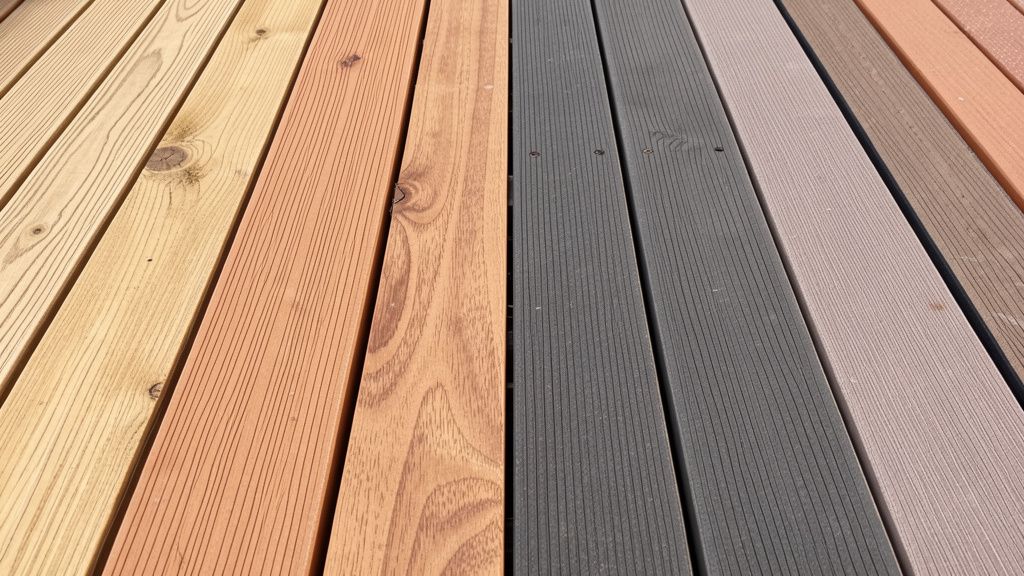
A comprehensive, safety-focused comparison of decking materials, selection frameworks, construction protocols, and long-term care strategies tailored to your climate, budget, and lifestyle
A deck extends your living space outdoors, creating opportunities for connection, relaxation, and enjoyment. Its success hinges on thoughtful material selection, adherence to structural principles, and alignment with your environment and maintenance capacity. This guide provides balanced, actionable information to support informed decisions—without hype, absolutes, or unverifiable claims. We synthesize current residential construction standards, material science insights, climate-specific considerations, and maintenance realities to help you navigate choices with clarity. Safety and longevity form the foundation of every recommendation. Always consult local building authorities and qualified professionals for project-specific guidance.
Introduction: Foundations of a Thoughtful Deck Decision
Decks operate in demanding conditions: exposure to moisture, temperature fluctuations, UV radiation, foot traffic, and seasonal stresses. Material selection influences structural behavior, maintenance rhythms, aesthetic evolution, and long-term safety. Two homeowners facing similar visions may arrive at different optimal choices based on location, time availability, budget structure, and personal values. One may prioritize hands-on engagement with natural materials; another may value predictable, low-intervention performance. Neither path is inherently superior—alignment with individual context determines satisfaction.
This resource avoids declaring a single “best” material. Instead, it offers a structured framework to evaluate options against your specific circumstances. Content draws from widely recognized residential construction references (including IRC Appendix M guidelines), material performance research, and aggregated field observations from diverse geographic regions. Safety considerations—particularly structural connections, ledger board attachment, and railing integrity—are emphasized throughout. By understanding how climate, usage patterns, and material properties interact, you can select and maintain a deck that serves your household reliably for years. We begin with a decision framework designed to clarify priorities before examining materials in detail.
The Deck Material Selection Framework: Five Contextual Factors
Effective decision-making requires evaluating interconnected variables rather than isolated features. This framework guides systematic reflection across five dimensions. Revisit these factors after reviewing material details to refine your perspective.
Factor 1: Climate and Environmental Exposure
Local weather patterns significantly influence material performance. Consider these contextual adaptations:
-
High Humidity or Rainfall Regions (e.g., Pacific Northwest, Gulf Coast): Persistent moisture challenges organic materials. Adequate under-deck ventilation (typically 18+ inches of clearance) helps prevent trapped humidity. Materials with inherent moisture resistance may reduce long-term maintenance demands. Regular debris removal supports surface drying.
-
Arid or High-Sun Climates (e.g., Southwest): Intense UV exposure affects color retention across material types. Lighter surface tones generally reflect more solar radiation, potentially improving barefoot comfort. Verify manufacturer guidance on UV resistance for any product considered.
-
Cold Climates with Freeze-Thaw Cycles: Thermal movement occurs in all decking materials. Installation practices must accommodate expansion and contraction per manufacturer specifications. Surface texture influences slip resistance when wet or icy. Structural framing must comply with local snow load requirements—confirmed through your building department.
-
Coastal Environments: Salt-laden air accelerates corrosion of metal components. Stainless steel hardware (grade 316 or equivalent) is commonly specified for fasteners and connectors in these settings. Regular rinsing with fresh water may mitigate salt accumulation on surfaces.
Action Step: Note your region’s typical weather patterns—average rainfall, temperature extremes, sun exposure, and proximity to saltwater. Consult your local building department for climate-specific construction requirements. This context directly informs material suitability and installation protocols.
Factor 2: Budget Considerations Across the Lifecycle
Initial material cost represents only one component of total investment. A holistic view includes installation, recurring maintenance, potential repairs, and time commitment.
- Upfront Costs: Material pricing varies widely. Pressure-treated softwood typically has the lowest initial material cost per square foot. Composite and hardwood options generally carry higher material expenses. Installation complexity also affects labor costs—some materials require specialized tools or techniques.
- Long-Term Investment: Factor in recurring needs: cleaning supplies, protective treatments (for wood), replacement components, and time spent on upkeep. A material requiring frequent attention may accumulate significant costs over time, even with modest per-incident expenses.
- Value Alignment: For households with limited time for seasonal projects, the higher initial investment in lower-maintenance materials may align with lifestyle priorities. For those who enjoy hands-on property care and have consistent availability, wood options may offer satisfying engagement. Local pricing varies—obtain current quotes from multiple suppliers and contractors.
Perspective: Lifecycle cost analysis is highly personal. There is no universal “most economical” choice. Calculate based on your location’s labor rates, material availability, climate demands, and how you value your time.
Factor 3: Maintenance Capacity and Lifestyle Fit
Honest assessment of your willingness and ability to perform ongoing care prevents future frustration.
- Wood Materials: Typically require periodic cleaning, inspection for wear or damage, and reapplication of protective finishes. Frequency depends on climate, exposure, and product used. Neglect may accelerate deterioration or create surface hazards.
- Composite Materials: Generally require less intensive upkeep but still benefit from regular cleaning to remove organic debris, pollen, or potential mildew in shaded areas. Surface performance varies by product formulation—review manufacturer care guidelines.
- Realistic Integration: Consider seasonal rhythms. Will maintenance tasks align with your available time? Does the required effort feel manageable year after year? Selecting a material whose care requirements match your actual capacity supports long-term satisfaction.
Factor 4: Aesthetic Integration and Sensory Experience
Material choice shapes visual character and tactile experience. Consider how decking complements your home and landscape.
- Wood Characteristics: Offers natural grain variation, warmth underfoot, and evolves to a weathered patina if left untreated. Color and texture consistency can vary between boards. Stains allow customization but require reapplication to maintain appearance.
- Composite Characteristics: Provides consistent color and texture across boards, with engineered grain patterns. Modern formulations include multi-tonal effects and textured surfaces to enhance realism and slip resistance. Color stability varies—review fade resistance data.
- Practical Evaluation: Obtain physical samples. Place them on your intended site at different times of day. Observe how colors interact with your home’s siding, roofing, and surrounding vegetation. Note surface temperature in direct sun (lighter tones generally stay cooler). Consider how the material feels barefoot and whether texture supports safe footing when damp.
Factor 5: Environmental Considerations Across the Lifecycle
Sustainability involves multiple dimensions: sourcing, manufacturing, transportation, longevity, and end-of-life.
- Wood Options: Renewable when sourced from responsibly managed forests. Look for certifications like FSC (Forest Stewardship Council) or SFI (Sustainable Forestry Initiative). Locally sourced wood may reduce transportation impacts. Untreated wood has lower embodied energy than some alternatives but may require more frequent replacement without proper care. Thermally modified wood (heat-treated without added chemicals) offers enhanced durability with reduced chemical use.
- Composite Options: Often incorporate recycled content (wood fibers and post-consumer plastics). Manufacturing processes vary in energy intensity. End-of-life recycling options remain limited for many composites, though some manufacturers offer take-back programs. PVC-based products involve different environmental considerations—research manufacturer transparency on recycled content and sustainability initiatives.
- Holistic View: Longevity and maintenance intensity affect overall impact. A durable deck requiring minimal upkeep over decades may have a lower cumulative footprint than one needing frequent repair or replacement. Prioritize certifications, local availability, and alignment with your values.
Guiding Insight: The optimal material emerges from honest alignment across these five factors—not from universal rankings. A choice ideal for one context may be poorly suited elsewhere. Use this framework to clarify what matters most in your situation.
Understanding Wood Decking Options
Wood has been used in deck construction for generations. Performance varies significantly by species, treatment, and grade. Understanding these distinctions supports appropriate application.
Pressure-Treated Softwood
Typically Southern Yellow Pine or similar species treated with preservatives (such as ACQ or Copper Azole) to resist decay and insects. Commonly used for structural framing and decking surfaces.
- Key Considerations:
- Moisture content affects stability. Kiln-dried-after-treatment (KDAT) lumber generally exhibits less warping than “green” treated lumber. Confirm availability with suppliers.
- Preservatives can be corrosive to standard fasteners. Use corrosion-resistant hardware rated for contact with treated wood (e.g., hot-dipped galvanized per ASTM A153 or stainless steel). Verify compatibility with your supplier.
- Appearance varies; often requires finishing for UV protection and aesthetic preference. New boards may show chemical tint that fades with exposure.
- Structural strength makes it suitable for framing components. For decking surfaces, select grades labeled for appearance (e.g., Select, Premium).
- Regional Note: Building codes may specify treatment levels for ground contact or specific applications. Always confirm local requirements.
Preparation Tip: Allow KDAT lumber to acclimate on-site for several days before installation. Stack boards flat with spacers between layers to promote airflow and minimize warping. Cover loosely to protect from rain while permitting moisture exchange.
Cedar and Redwood
Naturally decay-resistant softwoods valued for aromatic qualities, straight grain, and dimensional stability. Western Red Cedar is widely available; Redwood is more regionally concentrated.
- Key Considerations:
- Softer than pressure-treated pine—more susceptible to surface dents or scratches. Use protective pads under furniture legs.
- Weathers to a silvery-gray patina if left unfinished—a desired aesthetic for many. To preserve original color, apply penetrating oil-based finishes with UV inhibitors; reapplication frequency depends on exposure.
- Sustainability matters: Source from certified sustainable forests. Request documentation from suppliers.
- Ventilation is critical in humid climates. Trapped moisture beneath the deck can compromise even naturally resistant woods. Design with airflow in mind.
- Best Suited For: Settings where visual warmth is prioritized, moderate climates, and situations where the homeowner plans consistent maintenance.
Tropical Hardwoods (e.g., Ipe, Cumaru)
Dense hardwoods known for exceptional durability and natural resistance to insects, decay, and weathering.
- Key Considerations:
- Higher material and installation costs. Extreme density requires pre-drilling and carbide-tipped tools. Professional installation is often recommended.
- Sustainability is non-negotiable. Only purchase products with verifiable FSC certification and transparent chain-of-custody documentation. Avoid uncertified sources.
- Weathers slowly to a silver-gray patina. Retaining original color requires specialized oil applications. Many owners embrace the weathered look.
- Naturally slip-resistant when textured. Confirm surface profile for safety.
- Ethical Sourcing Reminder: Due to historical concerns about deforestation, prioritize suppliers with rigorous certification practices. Domestic alternatives like thermally modified wood offer compelling performance with clearer sustainability profiles for many projects.
Understanding Lumber Grades
Grading indicates appearance and structural suitability—not all grades are appropriate for visible surfaces.
- Select/Premium/Clear: Minimal knots, uniform appearance. Ideal for decking surfaces and visible elements.
- #1 Grade: Small, tight knots; good structural integrity. Suitable for decking where natural character is acceptable.
- #2 Grade and Lower: Larger knots, greater variation. Best reserved for hidden structural components (joists, beams). Avoid for walking surfaces due to splinter risk and inconsistent appearance.
- Critical Practice: Specify “Decking Grade” or equivalent for surface boards. Using structural-grade lumber for decking often leads to disappointment in appearance and performance.
Understanding Composite Decking Options
Composite technology has evolved significantly. Performance varies by formulation, construction, and manufacturer. Focus on structural design and surface protection layers.
Solid Composite (Wood-Plastic Composite – WPC)
Homogeneous blend of wood fibers and thermoplastics (often recycled HDPE).
- Performance Notes:
- Porous surface may absorb stains if spills aren’t cleaned promptly. Organic content can support mold growth in persistently damp, shaded areas.
- Fade resistance has improved but varies by product. Review manufacturer data.
- Requires precise gapping during installation to accommodate thermal expansion. Follow specifications exactly.
- Generally less expensive than capped alternatives. May suit dry climates with good airflow or low-traffic applications.
- Context: Early-generation composites faced criticism; modern formulations perform better. Evaluate current product specifications, not outdated perceptions.
Capped Composite
Features a solid composite core bonded to a protective polymer cap layer during extrusion.
- Performance Advantages:
- Non-porous cap layer significantly improves resistance to stains, fading, and surface mold.
- Advanced embossing creates realistic wood grain textures with non-repeating patterns.
- Warranties often cover fade, stain, and structural performance for extended periods—review terms carefully.
- Textured surfaces enhance slip resistance when wet.
- Installation Note: Requires manufacturer-specified fastening systems (often hidden clips). Using incorrect fasteners may compromise performance or void warranties. Account for thermal movement per guidelines.
PVC Decking
Made entirely from cellular PVC, without wood fibers.
- Performance Notes:
- Impervious to moisture absorption—well-suited for pool surrounds, docks, or high-humidity zones.
- Generally lighter weight than solid composites. Surface temperatures may run cooler with reflective pigments.
- Requires strict adherence to expansion gap specifications due to higher thermal movement.
- Aesthetic and tactile experience differs from wood; sample before selecting.
- Consideration: PVC production involves specific environmental factors. Research manufacturer sustainability practices if this aligns with your values.
Hollow Core vs. Solid Core Profiles
- Hollow Core: Internal chambers reduce weight and material use. Adequate for standard residential spans when installed per manufacturer specs. May produce a slightly different sound underfoot.
- Solid Core: Dense profile offers enhanced stability and sound dampening. Often permits wider joist spacing—verify with engineering data.
- Universal Guidance: Never assume performance by core type alone. Always follow the specific product’s installation guide for joist spacing, span ratings, and expansion requirements. Structural integrity depends on the complete engineered profile.
Evaluating Composite Products Objectively
- Review Warranties Thoroughly: Note coverage scope (fade, stain, structure), exclusions (improper installation, chemical exposure), transferability, and claims process. Warranty length alone is insufficient.
- Seek Verified Data: Look for ICC-ES evaluation reports or ASTM test references (e.g., D7032 for structural performance). Third-party validation adds credibility.
- Consult Local Experts: Lumberyards and contractors familiar with your region can share insights on product performance in local conditions—more valuable than national marketing claims.
- Test Physical Samples: Place samples outdoors on your property for 1–2 weeks. Test stain resistance (wine, oil), scratch resistance, texture when wet, and color in your specific light.
- Understand Product Tiers: Many manufacturers offer value, mid, and premium lines. A mid-tier product from an established brand may outperform a “premium” line from a lesser-known supplier. Focus on specifications relevant to your needs.
Climate-Specific Implementation Guidance
Your location actively shapes material behavior and construction details. General patterns below should be verified with local authorities.
Northeast and Upper Midwest
- Challenges: Freeze-thaw cycles, snow loads, ice melt chemicals.
- Considerations:
- Structural framing must meet local snow load requirements (confirmed via building department).
- For composites, select products rated for cold-climate performance. Textured surfaces improve slip resistance.
- Install boards at moderate temperatures with precise gaps to accommodate summer expansion.
- Avoid sodium chloride-based ice melt; calcium chloride or sand may be less damaging (verify with material supplier).
- Stainless steel hardware (grade 304 minimum) resists corrosion.
Southeast, Gulf Coast, and Humid Subtropical Zones
- Challenges: Persistent humidity, mold potential, intense UV, hurricane considerations.
- Considerations:
- Ventilation is critical: minimum 18 inches under-deck clearance; use vented skirting.
- Slope deck surface adequately (typically 1/4″ per foot) for drainage.
- For wood, commit to rigorous maintenance with mildewcide-enhanced finishes.
- In coastal areas within 10 miles of saltwater, grade 316 stainless steel hardware is commonly specified.
- Verify wind-resistance documentation for railing systems if in high-wind zones.
Southwest and Arid Regions
- Challenges: Intense UV exposure, high surface temperatures, wildfire considerations.
- Considerations:
- Light-colored materials reflect more solar radiation. Test surface temperatures of samples at midday in summer.
- Verify UV resistance specifications for any product.
- In wildfire-prone areas, consult local fire codes regarding deck materials and ember resistance.
- Integrate shade structures (pergolas, retractable canopies) to extend usability during peak heat.
Pacific Northwest and Coastal Temperate Zones
- Challenges: Constant moisture, limited drying periods, moss/algae potential.
- Considerations:
- Prioritize materials with robust moisture resistance. Capped composites or PVC often perform well.
- Maximize airflow: prune overhanging vegetation, ensure generous under-deck clearance.
- Slope surface slightly more than standard (e.g., 3/8″ per foot) to encourage runoff.
- Clean surfaces regularly with mold-inhibiting solutions. Textured surfaces improve wet traction.
Mountain and High-Altitude Regions
- Challenges: Intensified UV at elevation, heavy snow loads, significant temperature swings.
- Considerations:
- Structural design is paramount. Consult a structural engineer or use span tables rated for your specific snow load (obtained from building department).
- Footing depth must exceed local frost line—often substantial at elevation.
- Select materials verified for performance in extreme temperature ranges.
- Schedule concrete work and decking installation during stable temperature windows per manufacturer guidance.
Universal Step: Before finalizing plans, contact your local building department. They provide definitive requirements for permits, footing depth, snow/wind loads, railing heights, and ledger board attachment protocols specific to your property and municipality. This step safeguards safety, legality, and long-term value.
Deck Construction: Phased Implementation Guidance
This overview outlines critical phases aligned with residential construction standards. Deck building involves significant safety risks. Structural elements—especially ledger board attachment, footing design, and railing connections—require precision. Always obtain necessary permits. Consult licensed contractors or structural engineers for design validation, complex sites, or if any step exceeds your skill level. Local codes supersede all general guidance.
Phase 1: Planning and Permissions
- Define Purpose and Layout: Sketch dimensions, traffic flow (minimum 36″ pathways), furniture placement, sun/shade patterns, and access points. Free design tools can help visualize.
- Site Assessment: Note slope, soil type, drainage patterns, tree roots, and underground utilities. Steep slopes or poor drainage may require professional input.
- Regulatory Steps:
- Contact building department for permit requirements, code references, and required drawings.
- Verify property lines via survey to avoid encroachment.
- If applicable, submit plans to HOA for approval.
- Call 811 (USA) or local utility locator service ≥3 business days before digging. Never skip this safety step.
Phase 2: Footings and Foundation
- Mark Layout: Use stakes and string lines. Verify squareness (equal diagonals).
- Dig Footings: Depth must exceed local frost line (confirmed with building department). Diameter per engineering specs.
- Prepare and Pour: Add gravel base for drainage. Use sonotubes if specified. Embed post anchors while concrete is wet; ensure plumb and level alignment. Allow full cure time before proceeding (follow concrete manufacturer guidance; weather affects curing).
- Safety: Wear gloves, eye protection, and respiratory protection when handling concrete. Never work alone in excavations.
Phase 3: Structural Framing
- Ledger Board (Attached Decks):
- Install corrosion-resistant flashing behind and over the ledger location to direct water away from the house-wall interface.
- Attach ledger with structural screws or through-bolts per code (spacing and size specified by building department). Never rely on nails alone.
- Critical: Ledger attachment methods vary by house construction (wood siding, brick veneer, etc.). Consult a professional if your home’s structure is non-standard. This connection is vital for safety.
- Posts and Beams: Set posts plumb in anchors. Install beams with approved post caps. Verify level and alignment.
- Joists: Space per material requirements and code (typically 16″ on center; composites may vary—verify). Use approved joist hangers with specified fasteners at both ends. Install blocking between joists for rigidity and railing backing. Check crown direction (install with crown up).
- Stairs: Calculate rise/run per IRC guidelines (max 7.75″ rise, min 10″ run). Secure stringers to framing and foundation. Verify headroom clearance.
Structural Checkpoint: Before decking, inspect entire frame for level, plumb, secure connections, and proper hardware. Have a second knowledgeable person review. Correct issues now—framing errors are difficult to fix later.
Phase 4: Decking Installation
- Material Prep: Allow wood (KDAT) or composite to acclimate on-site per manufacturer instructions. Sort boards for visual consistency.
- Starting Line: Begin at house ledger. Leave consistent gap (per specs) for drainage/expansion. Snap a chalk line for straight reference.
- Fastening:
- Wood: Use corrosion-resistant screws. Pre-drill near ends to prevent splitting. Maintain consistent gaps between boards.
- Composite: Strictly follow manufacturer instructions. Use specified hidden clips or color-matched screws. Never force boards together—gaps accommodate thermal movement. Install during moderate temperatures (often 50–80°F) as directed.
- Edges and Trim: Install fascia boards. Trim perimeter flush. Sand sharp edges.
Phase 5: Railings and Final Details
- Posts: Anchor securely to framing (not just decking). Blocking between joists provides solid backing. Use through-bolts or structural screws per code.
- Rails and Balusters: Height typically 36″–42″ above deck surface (confirm locally). Baluster spacing must prevent a 4″ sphere from passing through. Stair railings require continuous graspable profiles.
- Final Inspection: Walk entire deck. Check for protruding fasteners, uneven boards, loose components, or splinters (sand wood surfaces thoroughly). Remove all debris. Rinse surface gently.
Phase 6: Post-Installation Care
- Wood Decks: Wait until wood is dry (water absorbs readily, not beads) before applying finish—often 4–8 weeks. Clean surface first. Apply penetrating stain with UV inhibitors per product instructions.
- Composite Decks: Rinse off construction dust. No initial treatment needed. First cleaning typically after several months of use.
Long-Term Maintenance Protocol
Consistent care preserves safety, appearance, and value. Adapt this seasonal rhythm to your climate and material.
Wood Deck Care Cycle
- Spring (Post-Winter):
- Inspect ledger attachment, post bases, boards, and railings for damage, rot, or looseness. Probe suspect areas gently.
- Clean with oxygen-based deck cleaner (avoid chlorine bleach). Scrub, rinse thoroughly, dry completely.
- Repair damaged boards. Sand rough spots.
- Apply water-repellent finish with UV protection if needed (test dryness first).
- Summer: Sweep weekly to prevent debris buildup. Move planters/furniture periodically. Address spills promptly. Trim overhanging branches for airflow.
- Fall: Remove leaves/debris promptly. Clean gutters above deck. Inspect under-deck area if accessible. Store heavy furniture if desired.
- Winter: Remove snow with plastic shovel. Avoid harsh ice melt chemicals. Sand provides traction with less surface impact.
Composite Deck Care Cycle
- Routine: Sweep regularly. Rinse with hose. Clean organic debris (leaves, berries) before staining occurs.
- Periodic Cleaning (1–2 times yearly): Use manufacturer-recommended cleaner or mild soap solution. Soft brush for textured surfaces. Rinse thoroughly. For shaded areas prone to mildew, use cleaners formulated for mold prevention.
- Avoid: Harsh chemicals, abrasive tools, or high-pressure washing close to the surface, which may damage textures or finishes. Always follow product-specific care guidelines.
Universal Safety Practices
- Annual Structural Check: Inspect ledger board connection, post bases, railings, and hardware for corrosion, looseness, or deterioration. Tighten or replace as needed.
- Surface Safety: Check for splinters (wood), raised fasteners, or uneven boards. Sand or repair immediately.
- Vegetation Management: Keep plants trimmed away from deck surfaces to improve airflow and reduce moisture retention.
- Documentation: Keep records of maintenance, repairs, and warranty information. Note dates of cleaning or finishing for future reference.
Frequently Asked Questions
Q: How long do wood and composite decks typically last?
A: Lifespan varies widely based on material quality, climate, installation, and maintenance. Well-maintained pressure-treated pine decks may last 10–15 years; cedar or redwood 15–25 years; tropical hardwoods 25+ years. Quality capped composites often carry warranties of 25–50 years for structural integrity and surface performance. Actual longevity depends on local conditions and care.
Q: Can I install new decking over an existing deck frame?
A: Only after a thorough structural assessment by a qualified professional. Existing framing must be sound, level, and compliant with current code requirements for joist spacing and condition. Moisture trapped between old and new decking can accelerate decay. Never assume an old frame is suitable—safety depends on verified integrity.
Q: Are building permits required for deck construction?
A: In most jurisdictions, yes—especially for decks attached to the house, over 30″ high, or with roofs. Permits trigger inspections that verify critical safety elements (footings, ledger attachment, railings). Contact your local building department early; requirements vary significantly by location. Skipping permits risks safety hazards, fines, and complications during home sale.
Q: How do I know if my deck needs repair or replacement?
A: Inspect annually for: soft or spongy wood (especially at post bases and ledger), extensive cracking/splitting, loose railings, corroded or missing fasteners, significant sagging, or insect damage. If structural elements feel unstable or show advanced deterioration, consult a professional immediately. Surface wear alone may not require full replacement.
Q: Is power washing safe for decks?
A: Use caution. High pressure can gouge wood grain or damage composite surfaces. For wood, use low pressure (≤1,500 PSI) with fan tip held 12+ inches away. For composites, follow manufacturer guidance—many recommend soft washing with cleaners instead. Always test in an inconspicuous area first. Allow thorough drying before applying finishes.
Q: Can composite decking be painted or stained?
A: Generally not recommended. Most manufacturers state that painting or staining voids warranties. Composite is engineered for color stability; surface treatments may peel, trap moisture, or degrade performance. Choose the desired color during selection. If appearance fades significantly beyond warranty terms, replacement is typically the solution.
Q: What’s the most eco-friendly decking choice?
A: There is no single answer. Consider: FSC-certified wood from local/regional sources (lower transport emissions); composites with high recycled content and take-back programs; thermally modified wood (chemical-free enhancement). Also weigh longevity—durable materials requiring minimal upkeep may have lower lifetime impact. Prioritize certifications and transparency from suppliers.
Q: How do I prevent mold or mildew on my deck?
A: Promote drying: ensure under-deck ventilation, trim shading vegetation, sweep debris regularly. Clean surfaces with oxygen bleach or mold-inhibiting cleaners per material guidelines. For composites in damp zones, select products with integrated mold inhibitors and textured surfaces. Avoid solid skirting that traps moisture.
Q: Are composite decks truly maintenance-free?
A: No material is entirely maintenance-free. Composites eliminate staining and sealing but still require cleaning to maintain appearance and slip resistance. Organic debris left on surfaces can cause staining or promote mildew. Realistic expectations prevent disappointment—factor in periodic cleaning as part of ownership.
Q: What should I ask when hiring a deck contractor?
A: Verify license, insurance (liability and workers’ comp), and local references. Request detailed written estimates including materials, labor, timeline, cleanup, and warranty. Ask about their process for obtaining permits and handling inspections. Confirm they follow IRC Appendix M or local code standards. Trust your instincts—clear communication matters.
Q: How does deck choice affect home resale value?
A: A safe, well-maintained deck in good condition generally enhances appeal. Buyers increasingly value low-maintenance outdoor spaces. However, poorly constructed or deteriorated decks can deter buyers. Document permits, materials, and maintenance. Neutral colors and classic designs tend to have broad appeal. Consult a local real estate professional for market-specific insights.
Q: Can I build a deck on a slope?
A: Yes, but complex slopes often require engineered solutions (stepped framing, retaining walls, specialized footings). Soil stability, drainage, and access must be evaluated. Consult a structural engineer and experienced contractor early. Attempting complex slope builds without expertise risks safety and long-term performance.
Conclusion: Building Confidence Through Clarity
Selecting and building a deck is a meaningful investment in your home and lifestyle. Success stems not from finding a mythical “perfect” material, but from aligning choices with your specific context: climate realities, budget structure, time availability, aesthetic values, and safety priorities. The framework provided—evaluating climate, lifecycle costs, maintenance capacity, visual integration, and environmental considerations—offers a reliable path to a decision you can feel confident about.
Key Takeaways:
1. Material choice is deeply personal—what works exceptionally well for one household may not suit another.
2. Structural integrity is non-negotiable. Prioritize code compliance, professional consultation for complex elements, and permit processes.
3. Long-term satisfaction correlates strongly with realistic expectations about maintenance and performance.
4. Local knowledge is invaluable—building departments, lumberyards, and contractors provide irreplaceable site-specific guidance.
Your 24-Hour Action Step:
Within the next day, contact your local building department. Ask: “What are the permit requirements and key code specifications for a residential deck in my area?” Write down the answers. This single step grounds your project in reality and prevents costly missteps later. Knowledge is the most valuable material you’ll use.
The Broader Perspective:
A thoughtfully built deck becomes more than structure—it’s where memories form, connections deepen, and daily life expands outdoors. By approaching this project with care, patience, and respect for both materials and methods, you create a space that serves your household safely and joyfully for years to come. When in doubt, seek qualified guidance. The investment in professional insight pays dividends in safety, durability, and peace of mind.
Explore Related Guidance:
Understanding Residential Building Permits | Sustainable Material Sourcing for Home Projects | Seasonal Outdoor Space Maintenance Calendar | Evaluating Contractor Credentials | Integrating Decks with Landscape Design | Railing Safety Standards Explained | Moisture Management in Outdoor Structures