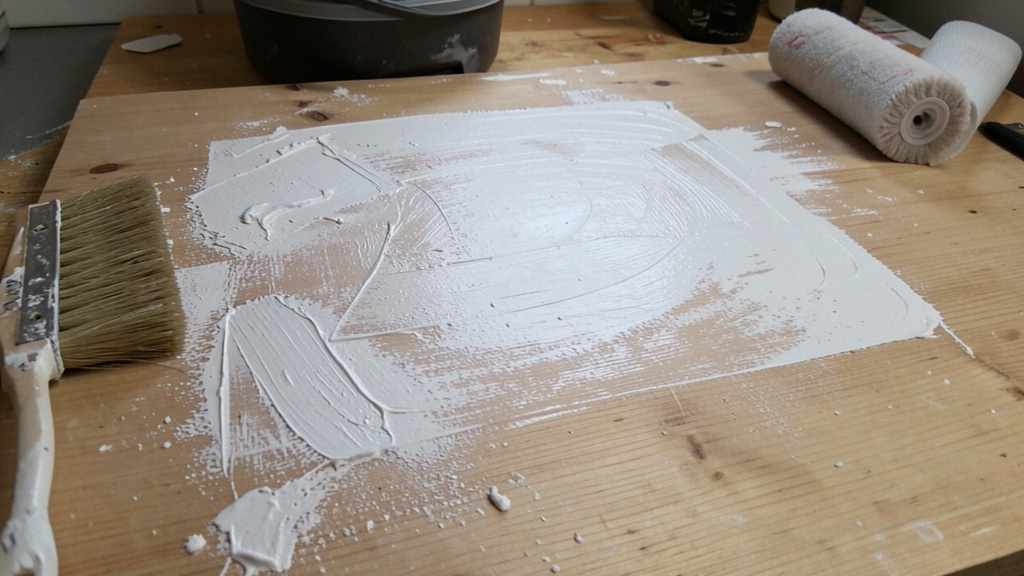
Why Most Finish Failures Begin Before the First Brushstroke—and a Practical, Principle-Based System to Support Strong Adhesion, Enhanced Durability, and Professional-Quality Results on Any Surface
Surface preparation is not a preliminary step. It is the essential foundation upon which every successful finishing project rests. Field observations and industry analyses consistently indicate that a substantial majority of premature coating failures—peeling paint on siding, bubbling deck stain, flaking garage floor epoxy, cracked trim finishes—originate not from product defects or application errors, but from inadequate surface preparation. This guide dismantles the pervasive myth that preparation is optional busywork. Instead, we present a unified, physics-informed methodology that transforms surface prep from a dreaded chore into a confident, systematic process. By understanding and applying the principles within, you can achieve finishes that not only look impeccable initially but also demonstrate greater resilience against environmental stress, physical wear, and seasonal shifts. Whether you’re refinishing a single piece of furniture, refreshing interior walls, restoring weathered exterior wood, or coating a concrete patio, the core principles of adhesion apply universally. This resource focuses on why each action matters and how to execute it thoughtfully across common substrates.
Introduction: The Silent Architect of Longevity
Walk through any hardware aisle, and shelves overflow with premium paints, stains, and finishes highlighting durability and advanced formulations. Yet step onto countless job sites—professional and DIY alike—and witness finishes deteriorating prematurely: paint blistering on a sun-drenched fence, stain lifting from a deck railing, epoxy separating from a garage floor. The product is rarely the sole cause. Decades of research published in journals like the Journal of Coatings Technology and Research and standards established by ASTM International and the Society for Protective Coatings (SSPC) converge on a well-supported principle: surface preparation is the dominant factor influencing coating adhesion and service life. When preparation is insufficient, even high-performance coatings may underperform. Conversely, thorough preparation enables coatings to perform closer to their intended potential.
This perspective reframes preparation from an obstacle into the most impactful phase of the project. Consider the physics: for a liquid coating to adhere effectively, it must achieve intimate contact with the substrate—a process called “wetting.” Contaminants (dust, oil, wax), structural flaws (cracks, rot, rust), or an unsuitable surface texture physically hinder this contact. Without it, the coating remains vulnerable to environmental stressors: moisture infiltration, thermal expansion, or UV exposure. Think of building a house on unstable ground versus solid bedrock. Surface preparation creates that stable foundation. It establishes the physical and chemical conditions necessary for mechanical interlock and bonding. This guide synthesizes material science concepts, internationally recognized standards (ASTM, ISO, SSPC), and widely validated protocols into a clear, adaptable system. We move beyond fragmented, surface-specific tips to deliver a framework applicable to wood, metal, drywall, concrete, masonry, and composites—indoors and out, for paint, stain, varnish, epoxy, or specialty coatings. Our purpose is not merely to list steps, but to build understanding that supports confident diagnosis and precise execution. This knowledge forms the basis of enduring results.
The Adhesion Trinity Framework: Clean, Repair, Profile
At the core of effective surface preparation lies a simple, powerful, and broadly applicable sequence of actions. We refer to this as the Adhesion Trinity Framework: Clean, Repair, and Profile. These three pillars are sequential, interdependent, and foundational. Omitting or abbreviating any single pillar may compromise the project’s outcome. This framework reflects principles observed across diverse fields—from marine construction and automotive refinishing to residential woodworking. Mastering this trinity transforms preparation from a confusing checklist into a logical, repeatable process grounded in observable physics.
- Clean: Remove contaminants that prevent coating-substrate contact. This includes visible dirt, dust, grease, oil, wax, mildew, chalk (powdery residue from degraded paint), loose material, pollen, and invisible barriers like silicone residues from furniture polish or skin oils. A coating bonds to the substrate, not to grime. Cleaning addresses both visible debris and microscopic films.
- Repair: Restore the substrate to a sound, stable, and uniform physical condition. This involves addressing cracks, holes, dents, rust pits, wood decay, spalled concrete, or other imperfections. An unstable substrate can telegraph flaws through the coating, creating stress points where failure may initiate. Repair ensures the surface possesses the integrity to support the coating system over time.
- Profile: Create an appropriate microscopic texture (surface roughness or “tooth”) to support mechanical adhesion. A perfectly smooth surface (like glass) offers minimal grip. Profiling—via sanding, abrasion, or other methods—creates microscopic peaks and valleys for the liquid coating to flow into and lock onto as it cures. The ideal profile depth varies by material and coating type but is consistently important.
This sequence aligns with widely referenced standards. ASTM D4258/D4259 detail cleaning protocols for concrete. SSPC-SP standards define levels of surface cleanliness and profile for steel. ISO 8501 provides visual references for surface preparation quality. The underlying principle remains consistent: adhesion is supported by a contaminant-free, structurally sound, and appropriately textured surface. The methods to achieve Clean, Repair, and Profile differ by substrate and context, but the sequence and purpose of each pillar remain central. Let’s explore each pillar with rationale, adaptable protocols, contextual variations, and common considerations.
Pillar 1: Clean – Removing Barriers to Bonding
Cleaning is frequently underestimated—and commonly overlooked. Many assume a quick wipe suffices. Effective cleaning for adhesion is methodical and matched to the contaminant and substrate. Contaminants act as barriers. Even a microscopic layer of oil, silicone, or wax can disrupt adhesion, potentially manifesting later as fish-eyes (coating retracting), crawling, or peeling.
Understanding the Role of Cleaning
Adhesion begins with “wetting”—the ability of a liquid coating to spread and contact the substrate surface. Contaminants disrupt wetting. Imagine pouring honey onto a greasy plate: it beads up instead of spreading. Coatings behave similarly on contaminated surfaces. Additionally, some contaminants attract moisture. Salt residues, grease films, or certain dusts can draw atmospheric moisture to the critical interface between coating and substrate. This trapped moisture may contribute to blistering, underfilm corrosion on metal, or accelerated substrate degradation. Biological growth like mildew or algae isn’t merely cosmetic; these organisms can secrete compounds that affect both coating and substrate. Cleaning creates conditions conducive to bonding at the interface.
An Adaptable Cleaning Protocol
Effective cleaning follows a logical sequence. Adjust based on your specific situation.
- Dry Removal First (A Foundational Step): Begin by removing loose, dry debris. Use a stiff-bristled brush (natural bristle for delicate surfaces, nylon for general use, brass wire for soft metals like aluminum—avoid steel wire on aluminum), a vacuum with a HEPA filter (important for dust control), or compressed air (used cautiously at low pressure). For large flat surfaces (walls, decks, floors), a broom, leaf blower (cool setting), or shop vacuum is efficient. Why this step first? Washing a heavily soiled surface can turn dirt into abrasive mud, making removal harder and potentially embedding particles. Dry removal reduces the load for subsequent wet steps.
- Select an Appropriate Cleaning Agent: Match the cleaner to the contaminant and substrate.
- General Dirt, Dust, Pollen: A solution of warm water and a phosphate-free trisodium phosphate (TSP) substitute works well for most surfaces (siding, trim, fences, walls). Avoid household cleaners containing oils, waxes, or silicones—these can leave residues that interfere with adhesion.
- Grease, Oil, Wax, Tar: Requires a dedicated degreaser. For heavy contamination (garage floors, kitchen cabinets), an alkaline degreaser may be suitable. For lighter residues (fingerprints on trim), mineral spirits applied with a clean, lint-free cloth can work on non-porous surfaces. Always test solvents in an inconspicuous area first. Eco-conscious alternatives include citrus-based or soy-based degreasers.
- Mildew, Algae, Mold: A solution of oxygen bleach (sodium percarbonate) and water is often effective and gentler on wood than chlorine bleach (e.g., OxiClean Versatile Stain Remover, Restore-A-Deck Cleaner). Apply solution, allow 10–15 minutes dwell time (do not let dry), gently scrub with a soft nylon brush, then rinse thoroughly. Safety Note: Wear nitrile gloves and eye protection. Ensure ventilation. For indoor mold covering >10 sq ft, consult EPA guidelines; surface cleaning may be insufficient if growth is deep within wall cavities.
- Chalk (Weathered Paint Residue): Chalking must be removed. Washing with TSP substitute is usually sufficient. For stubborn chalk on masonry, a pressure washer on a low setting (<1,500 PSI) may be used cautiously. Avoid high pressure on wood siding—it can force water behind clapboards or damage fibers. Follow the wood grain direction if pressure is used.
- Wax, Polish, or Silicone Residues: These require specific attention. Use a dedicated wax remover or a solution of ammonia and water (1 cup clear ammonia per gallon of water). Mineral spirits may also work on non-porous surfaces. Test first. Multiple cleanings may be necessary.
- Efflorescence (White Salty Deposits on Masonry): Scrub with a stiff brush and a solution of white vinegar and water (1:1 ratio) or a commercial efflorescence remover. Rinse extensively. Address underlying moisture sources (drainage, leaks) to reduce recurrence.
- Application Technique: Apply cleaning solution with a sponge, soft-bristled brush, or pump sprayer. Work in manageable sections. Allow solution to dwell per product instructions (typically 5–10 minutes)—but do not let it dry on the surface. Agitate gently if needed. For vertical surfaces, work from the bottom up to prevent dirty runoff from streaking cleaned areas above.
- Rinse Thoroughly: Residual cleaner can itself become a contaminant. Rinse multiple times with clean water. For exteriors, use a garden hose with a fan-spray nozzle. For interiors, the “two-bucket method” (one for rinse water, one for cleaning tool) helps maintain cleanliness. Change rinse water frequently. The surface should feel clean when dry—a tactile indicator of minimal residue. For critical projects, a final rinse with distilled water may prevent mineral spotting.
- Dry Completely: Allow the surface to dry fully per coating manufacturer specifications. Drying time depends on substrate porosity, temperature, humidity, and airflow. Trapped moisture is a common contributor to blistering. Use fans, dehumidifiers, or open windows to encourage drying in controlled environments. Verification Tip: Press a 12″x12″ sheet of clear plastic tightly onto the surface and tape all edges. After 24 hours, check underneath. If condensation is present, the substrate requires more drying time.
Common Cleaning Considerations:
* Skipping Dry Removal: Can turn dirt into abrasive mud, scratch surfaces, or reduce cleaner efficiency.
* Using Silicone-Based Cleaners: May leave residues that interfere with adhesion; difficult to remove later.
* Inadequate Rinsing: Cleaner residue can block adhesion or cause surface defects.
* Rushing Drying: Coating over damp substrates risks blistering, peeling, or promoting decay. Patience here supports long-term success.
* Material-Specific Tools: Using steel wool on rust-prone metals may embed particles that rust later. Consider bronze wool or non-woven abrasive pads designed for the metal.
* pH Awareness: After using strong cleaners or acid etching, neutralizing and rinsing to a neutral pH may be important for coating compatibility. pH test strips can verify on critical projects.
The Fundamental Principle: Effective adhesion requires direct contact between coating and substrate. Cleaning removes barriers—visible and invisible—to create conditions where bonding can occur.
Pillar 2: Repair – Creating a Stable Foundation
A coating performs best when applied over a sound, stable surface. Applying finish over cracks, holes, rust, decay, or spalled concrete is like placing a bandage over an untreated wound—it may mask the issue temporarily while underlying problems persist. Repair transforms a compromised substrate into a uniform canvas capable of supporting the coating system. This step requires careful assessment: inspect under bright, angled light (a work light held low reveals imperfections invisible under ambient light). Tap suspect areas (hollow sounds on wood or concrete may indicate delamination or decay).
Why Repair Matters
Coatings have limited flexibility. They cannot reliably bridge significant gaps or compensate for movement in an unstable substrate. When a repaired area differs significantly in strength or flexibility from the surrounding material, stress may concentrate at the repair edges. As substrates naturally expand and contract with temperature and humidity cycles, the coating film may crack at these boundaries. Rust on steel is an active process; sealing it under paint without removal can trap moisture and accelerate corrosion beneath the coating. Wood decay compromises structural integrity; painting over it hides deterioration until failure occurs. Repair addresses these potential initiation points.
An Adaptable Repair Approach: Surface-by-Surface Guidance
Repair strategies vary significantly by substrate. Precision in material selection and technique supports better outcomes.
Wood (Interior Trim, Cabinetry, Furniture, Exterior Siding, Decks, Fences)
- Minor Dents and Scratches (Unfinished Wood): For surface dents, the steam method may help: place a damp cloth over the dent, apply a warm iron (medium heat, no steam) briefly. For deeper scratches or finished wood, wood filler is typically used. Selection considerations:
- Water-Based Wood Filler: Easy water cleanup, low odor, sands well. Suitable for interior repairs. May raise grain slightly on bare wood; sand lightly after drying. Less water-resistant; avoid for exterior or high-moisture areas.
- Solvent-Based Filler: Offers greater durability and water resistance. Better suited for exterior repairs or areas subject to moisture. Stronger odor; requires mineral spirits for cleanup.
- Epoxy-Based Filler: Often used for structural repairs, rotted wood, or high-stress areas. Two-part mix bonds tenaciously to sound wood, cures hard, and can be shaped like wood. Excellent water and decay resistance. Longer cure time, higher cost, but valued for critical repairs.
- Application Technique: Clean the damaged area thoroughly. For deep holes or decayed sections, remove all soft material until solid substrate is reached. Apply filler with a flexible putty knife, slightly overfilling to account for shrinkage. Smooth the surface. Allow to cure completely per manufacturer instructions. Sand progressively: start with coarse grit (80–100) to shape, then medium (150), then fine (220) to blend seamlessly. Tip: For visible repairs on fine furniture, wood grain pens may help mimic surrounding patterns after sanding and before staining.
- Decayed Wood: For significant decay (window sills, deck posts), epoxy consolidation is often recommended. Remove soft wood, then inject liquid epoxy consolidant into remaining sound fibers. Once cured, build up missing sections with epoxy filler. This can restore integrity. If >50% of the cross-section is compromised, sistering (attaching new wood alongside) or replacement is typically the most reliable solution. Never ignore structural decay.
- Loose Knots: Secure knots with epoxy adhesive injected around the perimeter. Fill gaps with appropriate filler. Note: After repair and sanding, seal knots with a dedicated knot-sealing primer (shellac-based like BIN or oil-based) before topcoating to reduce tannin bleed (yellowish stains) through light finishes.
- Splits and Checks: Clean debris from the crack. For non-structural splits, inject wood glue, clamp until dry, then fill residual gaps with appropriate filler. For exterior wood exposed to weather, a flexible, paintable acrylic caulk designed for wood may accommodate movement in hairline checks.
Drywall and Plaster (Walls, Ceilings)
- Small Holes (Nail/Screw Holes): Use lightweight spackling compound. Apply with a 1.5″ putty knife, slightly overfilling. Let dry completely (usually 30–60 mins). Sand lightly with 220-grit sandpaper or a sanding sponge. A second thin “skim” coat may improve invisibility.
- Medium Damage (Doorknob Dents, Cracks <6″): First, assess crack type. Hairline cracks at seams are often cosmetic. Wider cracks or cracks radiating from corners may indicate movement—consult a professional if suspected. For cosmetic cracks: clean debris, apply joint compound, embed fiberglass mesh tape or paper tape, then apply 2–3 thin coats of compound, feathering edges widely (6–12 inches) to blend smoothly. Sand lightly between coats when dry. For dents: build compound in thin layers, feathering edges extensively.
- Large Holes (>6″): Requires a patch. Cut the hole into a clean square/rectangle. Insert a backing piece of wood lath or scrap drywall 2–3 inches wider than the hole. Secure it behind the hole with drywall screws. Cut a new drywall patch to fit precisely. Secure the patch to the backing. Tape all seams and apply compound in thin, feathered layers. Tip: A drywall sanding pole with 150-grit sandpaper aids large areas; finish with a sanding sponge for corners.
- Water Stains: Must be sealed before patching or painting. Clean the area. Apply a stain-blocking primer (shellac-based BIN is effective for severe stains; oil-based Kilz Original is an alternative) directly to the stain. Let dry. Then apply joint compound if needed. Skipping this step risks stain recurrence.
- Plaster Walls (Historic Homes): Plaster is harder and more brittle than drywall. Setting-type joint compound (“hot mud”) like USG Structo-Lite may bond better to old plaster and shrink less than pre-mixed compound. Match aggregate texture if visible. For large delaminated areas, consult a plaster restoration specialist.
Metal (Fences, Railings, Gutters, Panels, Appliances)
- Rust Management: Rust should be removed down to clean metal for best results.
- Light Surface Rust: Fine steel wool (0000 grade) or a wire brush may suffice. A rust converter (tannic acid-based) can chemically transform rust into a stable layer. Always follow with a rust-inhibitive primer.
- Moderate Rust: Mechanical removal is typically needed. Use a wire wheel attachment, sanding disc (80–120 grit), or sandpaper. Remove visible rust and scale. Feather edges of remaining sound paint smoothly. For intricate areas, rust remover gels that cling to vertical surfaces may help. Safety: Wear a NIOSH-approved respirator with P100 filters, safety goggles, and heavy-duty gloves. Work in a well-ventilated area.
- Heavy Rust/Corrosion: If metal is thin, holed, or structurally compromised, replacement is often the most reliable solution. Filling severe corrosion with body filler may lead to premature failure.
- Dents (Thin Sheet Metal): For panels, dent puller kits with glue tabs may work. For thicker metal, carefully hammer out dents from behind if accessible. For final smoothing, automotive body filler may be used. Critical Prep: Clean and abrade the area thoroughly with 80-grit sandpaper before applying filler. Mix filler with hardener per instructions, apply, shape, cure fully, then sand smooth (start 80-grit, progress to 180-grit). Note: Body filler is unsuitable for high-heat areas or constant immersion.
- Galvanized Metal: Has a protective zinc coating that can develop “white rust” (zinc oxide). Clean with a TSP substitute solution or dedicated galvanized metal cleaner. Avoid acid-based cleaners—they can damage the zinc coating. Lightly abrade with a Scotch-Brite pad before priming. Use a primer formulated for galvanized metal.
Concrete, Masonry, and Stucco (Floors, Driveways, Foundations, Brick, Block)
- Cracks:
- Hairline Cracks (<1/16″): Clean thoroughly. A high-quality concrete sealer or flexible polyurethane caulk may suffice for non-structural cracks.
- Medium Cracks (1/16″ – 1/4″): Clean crack of debris (wire brush, vacuum). For vertical cracks or cracks subject to movement, use a flexible concrete crack repair sealant. For stable cracks in horizontal surfaces, a vinyl concrete patcher may work.
- Wide/Deep Cracks (>1/4″) or Structural Cracks: Clean thoroughly. Epoxy injection kits may bond deeply and restore integrity. For surface repairs on stable cracks, polymer-modified cementitious patching compound is an option. Important: If cracks are widening, stair-stepping in brickwork, or accompanied by foundation movement, consult a structural engineer.
- Spalling (Surface Flaking/Scaling): Remove all loose material with a chisel and hammer or angle grinder with a cup wheel until solid concrete is exposed. Clean thoroughly. Patch with concrete resurfacer or high-strength polymer-modified compound. Feather edges smoothly. For large spalled areas, professional resurfacing may be warranted.
- Efflorescence: Remove with vinegar solution or commercial remover, scrub, rinse thoroughly. Crucially, identify and address the moisture source causing salts to migrate (improve drainage, fix leaks) to reduce recurrence.
- Oil/Grease Stains (Garage Floors): For fresh stains, cover with absorbent material (cat litter), let absorb, sweep up. For set-in stains: apply concrete degreaser, scrub vigorously, rinse. For stubborn stains, a poultice (absorbent material mixed with solvent like mineral spirits—test first) applied thickly, covered with plastic, left 24–48 hours, then scraped off and rinsed may help. In severe cases, grinding the stained surface layer may be necessary before coating.
Universal Repair Considerations for Better Results:
* Feather Edges Thoughtfully: Taper the edges of repair compound gradually into the surrounding surface (a 6:1 slope is often recommended—6 inches of feathering for every 1 inch of repair depth). Sharp edges can create visible ridges (“telegraphing”) through coatings.
* Respect Cure Time: Do not sand, prime, or coat before the repair material is fully cured, not just dry to the touch. Humidity and temperature affect cure times—consult product instructions. Rushing may lead to sanding marks, poor adhesion, or later shrinkage.
* Prime Repairs: Most repair compounds are more porous than the surrounding substrate. Unprimed repairs may absorb paint differently, causing “flashing” (visible patches of differing sheen or color). Spot-prime repairs with a compatible primer before topcoating. For wood filler on bare wood, priming the entire repaired area is often beneficial.
* Match Material Properties: Use flexible repair compounds (elastomeric caulk, flexible patching compound) in areas subject to movement (expansion joints, building corners). Use rigid compounds (epoxy, setting-type mud) for stable, structural repairs.
Pillar 3: Profile – Creating Mechanical Grip
A perfectly smooth surface often provides insufficient grip for durable adhesion. Profiling creates controlled microscopic anchor points—peaks and valleys—for the coating to flow into and mechanically lock onto as it cures. This mechanical interlock is especially important for non-porous substrates (metal, glass, plastic, previously coated surfaces) where chemical adhesion alone may be limited. Even on porous materials (wood, drywall, concrete), profiling opens surface pores, removes weak boundary layers (like “fuzz” on sanded wood), and ensures the coating bonds to sound material.
Understanding Mechanical Interlock
Imagine the hook-and-loop mechanism of Velcro. Profiling creates the “hooks” on the substrate surface. As liquid coating is applied, it flows into these microscopic valleys. Upon curing, the solidified coating forms physical “keys” locked within the substrate texture. Bond strength relates to the surface area created by the profile. Too smooth (low surface area), and adhesion may be weak. Too rough (excessive peaks), and coating may not fully wet the valleys, leaving air pockets that become potential failure points. Ideal profile depth varies by material and coating; for DIY, the goal is a uniform, consistent texture appropriate for the coating system.
Profiling Methods: Selecting the Right Approach
The method depends on substrate hardness, existing condition, project scale, and desired outcome.
Sanding (A Versatile DIY Method)
- Grit Selection Matters: Sandpaper grit serves specific purposes. Progressing sequentially through grits supports efficiency and quality.
- Coarse Grits (40–80): For heavy material removal, stripping old finishes, leveling repairs, or profiling very hard surfaces. Use for initial shaping. Note: Leaves deep scratches that require subsequent grits to remove; avoid on softwoods unless necessary for major leveling.
- Medium Grits (100–150): Workhorse grits for general surface preparation. Ideal for smoothing repairs, removing light imperfections, de-glossing existing coatings, and creating uniform profile on wood, drywall, primed surfaces, and metal. 120 grit is a common starting point for previously painted surfaces.
- Fine Grits (180–220): For final smoothing before topcoating, especially under gloss or semi-gloss finishes where imperfections are visible. Also used between coats of finish for smooth results. Essential for bare wood final prep.
- Very Fine Grits (320+): Primarily for sanding between finish coats or final polishing. Not typically used for initial substrate profiling.
- Sanding Technique Considerations:
- Wood Grain Direction: Sand with the grain direction on wood whenever possible. Sanding across or against the grain leaves visible scratches that are difficult to remove and may show through stain or clear finish. Use long, even strokes on large flat surfaces.
- Use Blocks and Backing: For flat surfaces, a sanding block (cork, rubber, or foam) helps maintain even pressure and prevents dips or waves. For large areas, a random orbital sander (ROS) is efficient. Its random orbit pattern minimizes visible swirl marks. For contours, edges, and details, sanding sponges or a detail sander (oscillating tool) are helpful.
- Progressive Grit Sequence: Move sequentially through grits. Example for bare wood: 100 grit → 150 grit → 220 grit. Each finer grit removes scratches left by the previous coarser grit. Skipping grits (e.g., 80 to 220) leaves deep scratches requiring extra effort later.
- Dust Removal is Essential: After sanding, remove 100% of sanding dust. Dust is a contaminant. Use a vacuum with a HEPA filter and brush attachment first. Then, wipe the surface thoroughly with a tack cloth (cheesecloth impregnated with mild adhesive that grabs fine dust) immediately before coating. For large areas like floors, a damp microfiber mop (well-wrung) followed by complete drying may be used, but tack cloth is preferred for critical surfaces. Tip: Shine a bright light across the surface at a low angle after dusting—if dust motes glitter, wipe again.
- Special Profiling Scenarios:
- Between Coats: Lightly sand cured primer or previous finish coats with fine grit (220–320) to “de-gloss” and create profile for the next coat. This supports adhesion in multi-coat systems. Wipe away dust before applying next coat.
- Glossy Surfaces (Critical for Recoating): To repaint over high-gloss finishes (oil-based paint, varnish, polyurethane), sanding to dull the surface is typically necessary. Chemical “liquid sandpaper” deglossers exist but are less reliable than mechanical abrasion, require thorough rinsing, and can leave residues. For intricate moldings where sanding is difficult, deglossers may supplement mechanical abrasion, but sanding remains the more dependable method for adhesion assurance.
Abrasive Blasting (Professional-Grade Profiling)
- Sandblasting (Silica Sand): Creates hazardous crystalline silica dust. Requires full containment, supplied-air respirators, and professional equipment. Best left to certified professionals. Used for heavy rust removal, paint stripping on brick/masonry, or profiling structural steel. Caution: DIY sandblasting with silica sand is dangerous and not recommended.
- Soda Blasting (Baking Soda): Less aggressive than sand, suitable for delicate surfaces (wood log homes, automotive trim, historic structures), removes contaminants without significant substrate damage. Soda is water-soluble and must be thoroughly rinsed afterward. Requires specialized equipment.
- Plastic Media Blasting: Uses recyclable plastic beads. Effective for paint stripping on aircraft, cars, or sensitive substrates with minimal substrate damage. Common in automotive restoration.
- Walnut Shell or Glass Bead Blasting: Softer media for gentle cleaning and profiling of softer metals or delicate surfaces. Glass bead creates a uniform matte finish on metal.
Chemical Etching (Specialized Applications)
- Concrete/Masonry: Acid etching (muriatic acid diluted 1:3 with water) was historically used but carries hazards (toxic fumes, burns), environmental concerns, and inconsistency. Modern practice often favors mechanical methods (grinding, shot blasting) for reliability and safety. If etching is the only option: flood surface with clean water first, apply acid solution carefully, scrub, then thoroughly neutralize with an ammonia/water solution (1 cup ammonia per gallon) or baking soda/water slurry, and rinse extensively until runoff water is neutral pH (verify with pH strips). Recommendation for DIYers: Use a dedicated concrete etching product (often phosphoric acid-based, safer) or rent a floor grinder. For critical projects, consider professional shot-blasting.
- Metal: Phosphoric acid-based rust converters also provide mild etching. For aluminum, which forms a passive oxide layer, a dedicated aluminum etch primer may be used before priming. Avoid acid etchants on galvanized metal.
Other Profiling Methods
- Scuffing: Using a fine (gray or maroon) Scotch-Brite pad or 320+ grit sandpaper to lightly abrade a surface solely for intercoat adhesion (e.g., between clear coats on furniture). Creates minimal profile.
- Wire Brushing: Acceptable for light rust removal or cleaning welds on heavy steel, but does not provide a consistent, adequate profile for coating adhesion. Always follow wire brushing with sanding or blasting for coating projects. Avoid on soft metals.
Profile Verification: Practical Checks
* The Fingernail Test: After profiling, run your fingernail lightly across the surface. You should feel a slight, uniform “tooth” or drag—not slippery smoothness, nor rough abrasiveness. This indicates adequate profile for most coatings.
* The Water Break Test (Non-Porous Surfaces): Sprinkle clean water on metal, glass, or previously coated surfaces. If water sheets out evenly and doesn’t bead up, the surface is clean and has sufficient profile. Beading indicates contamination or insufficient profile.
* Visual Inspection (Low-Angle Light): Shine a bright work light across the surface at a very low angle (almost parallel). This reveals scratches, unevenness, or missed areas. Uniform texture should be visible.
The Fundamental Principle: A coating achieves durable adhesion by flowing into and mechanically locking onto a deliberately engineered surface texture. The right profile significantly increases the likelihood of a lasting bond.
Surface-Specific Application: Applying the Trinity Framework in Practice
The Adhesion Trinity provides the universal sequence. Below are adaptable protocols for common substrates and scenarios. Always begin with assessment: Is the surface bare or coated? What is its current condition? What coating will be applied? What is the environment (interior/exterior, humidity, UV exposure)? Answers guide the intensity of each Trinity pillar.
Bare Wood Preparation: Respecting Wood’s Nature
Wood absorbs and releases moisture and moves with environmental changes. Preparation should account for this.
- Clean: Remove mill glaze (a burnished layer from saw blades that can block stain absorption) and machining oils. Wipe with mineral spirits on a clean cloth. For exterior wood exposed to elements, wash with an oxygen bleach solution to address mildew, algae, and brighten grayed wood. Rinse thoroughly. Allow to dry completely—moisture content matters. General guideline: 6–12% for interior wood, 12–18% for exterior. A pinless moisture meter can provide accuracy. Wood should acclimate to the installation environment for at least 48 hours before finishing. Note: Avoid coating wood that feels damp or is below dew point temperature.
- Repair: Address knots (seal bleeding-prone knots like pine with shellac-based primer before filling), splits, cracks, and holes. Use epoxy filler for structural repairs or moisture-prone areas. Sand rough saw marks or planer tracks. Fill nail holes with appropriate wood filler after initial sanding.
- Profile: Sand progressively with the grain: Start with 100–120 grit to remove mill glaze and imperfections, then 150 grit for smoothness, finish with 180–220 grit for final profile. For softwoods (pine, cedar), which have resinous knots and varying density, a wood conditioner (pre-stain) after sanding and before staining may promote even absorption and reduce blotchiness. For open-grain hardwoods (oak, ash), if a glass-smooth finish is desired under gloss coatings, a grain filler may be applied after staining and before topcoating. Final Step: Remove all dust with a tack cloth. Inspect under low-angle light for missed spots or scratches.
- Timing Consideration: Bare wood exposed to weather begins to change. Mill glaze may reform, and UV exposure grays the surface. Prepare wood as close as possible to finishing time. If delay is unavoidable (more than 48 hours), lightly re-sand (220 grit) immediately before coating to refresh the surface.
Previously Painted or Stained Surfaces: The Recoating Process
This common scenario requires careful assessment to avoid failure due to unknown prior coatings, hidden damage, or inadequate de-glossing.
- Assessment is Essential:
- Coating Type Test: Rub a small, inconspicuous area vigorously with a cloth dampened with denatured alcohol. If the paint softens or transfers, it is likely latex/acrylic. If unaffected, it is likely oil-based/alkyd. Why it matters: Latex paint can generally be applied over sound oil-based paint if properly prepared and primed. Oil-based paint over latex may require special bonding primers. When in doubt, a universal bonding primer is often a reliable choice.
- Lead Paint Awareness: If the structure was built before 1978, test for lead using an EPA-recognized test kit. If positive, proceed with caution. Follow EPA Renovation, Repair and Painting (RRP) guidelines: contain the work area, use HEPA vacuums, employ wet-sanding methods to minimize dust, wear proper PPE (respirator with P100 filters), and dispose of debris appropriately. For areas >6 sq ft of paint per room, consider consulting a certified lead abatement professional. Safety is paramount.
- Adhesion Test: Press heavy-duty masking tape firmly onto the surface, rub down well, then rip off quickly. If paint comes off with the tape, the existing coating is failing and must be removed down to a sound substrate.
- Clean: Wash thoroughly with TSP substitute solution to remove dirt, chalk, grease (especially near kitchens/bathrooms), and any wax residues. Pay attention to areas around windows, doors, and trim. Rinse well and allow to dry completely.
- Repair: Scrape off all loose, peeling, or flaking paint back to a firm edge using a putty knife or paint scraper. Feather the edges of remaining sound paint smoothly with 120-grit sandpaper. Fill cracks, holes, or imperfections exposed by scraping with appropriate filler. Sand repairs smooth.
- Profile: Sand the entire surface lightly with 120–150 grit sandpaper (or use a random orbital sander) to de-gloss and create uniform profile. This step is critical, even if the existing paint appears sound and matte. Glossy or semi-gloss surfaces hinder mechanical adhesion. Sanding creates necessary “tooth.” For large areas, a pole sander may improve efficiency. Exception: If existing paint is flat/matte, firmly adhered, and in excellent condition, a liquid deglosser might supplement mechanical abrasion on intricate areas, but sanding remains more reliable for overall adhesion. Final Step: Vacuum and wipe thoroughly with a tack cloth.
- Prime: Spot-prime all repairs. If bare wood or metal is exposed during scraping, prime immediately with a stain-blocking primer (for wood knots/tannins) or rust-inhibitive primer (for metal). If the existing paint is chalky, heavily weathered, or you are changing coating types, a high-quality bonding primer over the entire surface may seal the old coating, ensure uniform porosity, and provide an optimal base for the new topcoat. Skipping primer in recoating scenarios is a common contributor to premature failure.
Metal Surface Preparation: Managing Oxidation
Metal preparation focuses on managing oxidation and ensuring adhesion on non-porous surfaces. Timing after profiling is often important.
- Clean: Remove grease, oil, fingerprints, and shop dirt. Wipe thoroughly with mineral spirits or a dedicated metal degreaser on a clean cloth. Note: Handle cleaned metal with clean gloves thereafter—skin oils can interfere with adhesion. For galvanized metal, clean with TSP substitute or a dedicated galvanized metal cleaner to remove oily residues and any white rust. Rinse well. Avoid acid cleaners on galvanized metal—they can damage the protective zinc layer.
- Repair: Remove rust down to clean metal using methods detailed earlier. Treat cleaned areas as needed. Fill dents with appropriate metal filler. For pitted rust, after cleaning, a rust-inhibitive primer that fills pits may be beneficial.
- Profile: Abrade the entire surface. For bare steel, sand thoroughly with 80–120 grit sandpaper or a flap disc until uniformly bright and profiled. For previously painted metal in good condition, sand lightly with 120–150 grit to de-gloss. Aluminum Specifics: Avoid steel wool or carbon steel wire brushes (embed iron particles causing rust spots). Use stainless steel brushes, abrasive pads designed for aluminum, or sand with 120+ grit. A chemical etch primer is often recommended for bare aluminum before topcoating.
- Prime Promptly: Bare steel can begin to oxidize (“flash rust”) within hours, especially in humid conditions. After profiling and cleaning, apply a rust-inhibitive primer within a few hours if possible. Zinc-rich primers provide additional protection for steel. For aluminum, use a self-etching primer. Leaving bare, profiled metal exposed overnight increases risk.
Drywall and Plaster Preparation: Achieving Smooth Walls
The goal is a uniform surface that won’t reveal imperfections under paint, especially with gloss finishes.
- Clean: Wipe down thoroughly with a damp microfiber cloth to remove sanding dust, construction debris, and cobwebs. Pay attention to corners and along the ceiling line. For greasy spots near light switches or kitchens, use a mild detergent solution. Allow to dry completely.
- Repair: Address all nail pops (drive screw slightly deeper, apply spackling), cracks (tape and mud as detailed), dents, and seams. Ensure joint compound is smooth and feathered seamlessly. Sand all repairs and seams with 150–220 grit sandpaper or a drywall sanding screen until smooth. Technique: Use a high-intensity LED work light held at a very low angle to reveal every tiny imperfection, ridge, or depression before priming. Fix what you see. This “raking light” inspection supports professional results.
- Profile: New drywall has a slight factory texture. Lightly sand the entire surface (not just repairs) with 150–180 grit sandpaper or a drywall sanding screen/pole sander. This knocks down high spots, fuzz, or imperfections in the paper face, creating uniform profile for primer adhesion. Skipping this step may allow primer to highlight minor texture variations. Dust Control: Drywall dust is pervasive. Vacuum thoroughly with a HEPA-filtered vacuum using a brush attachment. Then, wipe the entire surface with a damp sponge or tack cloth. Important: Prime the entire surface with a dedicated drywall primer-sealer. This seals the porous paper and joint compound, ensuring even paint absorption, reducing “flashing” (darker spots over seams/repairs), and minimizing topcoat consumption. Applying topcoat directly to unprimed drywall is not recommended.
Concrete and Masonry Preparation: Addressing Porosity and Alkalinity
Concrete is alkaline and porous. Preparation focuses on cleaning contaminants, ensuring soundness, achieving correct profile, and managing moisture.
- Clean: Remove oil, grease, curing compounds, sealers, efflorescence, and dirt. For oil stains, use concrete degreasers or poultices. Pressure washing (2,500–3,000 PSI) can be effective for exterior concrete but must be followed by thorough drying (days to weeks depending on slab thickness and humidity). Moisture Test is Important: Tape an 18″x18″ sheet of clear plastic tightly to the slab. After 24 hours, check for condensation underneath. If present, the slab may be too wet for most coatings (especially epoxies). A calcium chloride test kit or electronic moisture meter provides more precise measurement. Most coatings require specific moisture vapor emission rates. Note: New concrete typically requires a minimum of 28 days to cure before coating.
- Repair: Patch all cracks, spalls, and holes with appropriate cementitious repair products. Allow repairs to cure fully per manufacturer instructions. Feather edges smoothly.
- Profile: Achieve a Concrete Surface Profile (CSP) of 2–3 (similar to medium-broom finish) for most coatings. Methods:
- Mechanical Grinding (Recommended): Most reliable DIY method. Rent a walk-behind floor grinder or use an angle grinder with a diamond cup wheel. Creates uniform profile, removes contaminants, and opens pores. Wear full PPE (respirator, goggles, hearing protection).
- Shot Blasting (Professional): Propels steel shot to clean and profile. Excellent for large floors, creates consistent CSP. Often hired out.
- Acid Etching (Last Resort): Only if mechanical methods are impossible. Follow safety protocols meticulously: flood with water, apply diluted acid carefully, scrub, neutralize thoroughly, rinse extensively until pH neutral (verify with test strips). High risk of inconsistent results. Not recommended for beginners.
- Prime/Seal: Many concrete coatings benefit from a primer, especially if the concrete is very porous or when using high-build systems like epoxy. An epoxy primer seals the surface, promotes adhesion, and may help manage minor moisture vapor transmission. For new concrete, a primer can also help address surface alkalinity. Always follow the coating system manufacturer’s recommendations.
Navigating Real-World Challenges: Practical Solutions
Even with a solid framework, projects encounter obstacles. This section addresses frequent challenges with adaptable strategies grounded in principle.
“I Don’t Have Time for All This Prep!” – Reframing the Investment
Preparation often consumes a majority of a project’s total time. It’s tempting to shortcut. However, consider the long view: skipping proper prep might save time initially but could lead to redoing the project sooner—a greater time and resource investment later. Investing time upfront supports longevity. Adaptable Strategies:
* Prioritize by Visibility and Stress: Focus rigorous prep on high-visibility, high-wear areas (deck walking surface, front door, kitchen cabinets). Low-visibility areas (back of closet shelves, underside of deck) may warrant less intensive prep if longevity is less critical—but cleaning and critical repairs should not be skipped.
* Tool Efficiency: Rent or borrow power tools. A random orbital sander completes in minutes what takes hours by hand. A pressure washer (used correctly) cleans a fence efficiently. A HEPA vacuum with dust extraction saves cleanup time.
* Batch Processing: Clean the entire surface first. Then repair all areas. Then profile everything. This workflow can be more efficient than moving section-by-section, reducing tool changes and mental context-switching.
* Contextual “Good Enough”: For a temporary fix or low-stakes project (painting a shed interior rarely seen), a less rigorous prep might be acceptable. But for projects where appearance or durability matters, uphold the Trinity pillars. There are no true shortcuts to adhesion.
Working in Challenging Environmental Conditions
- High Humidity (>70%): Slows drying of cleaners, repairs, primers, and coatings. Increases risk of moisture entrapment and mildew growth under coatings. Considerations: Work indoors with air conditioning and dehumidifiers. Avoid coating if humidity exceeds 85% or if dew is forecast within 24 hours. Monitor substrate temperature—it should be above the dew point (use a dew point calculator app). Extend drying times between steps.
- Cold Temperatures (<50°F / 10°C): Most coatings, primers, and repair compounds have minimum application temperatures (check labels—often 50°F). Cold slows curing reactions, potentially leading to improper film formation and poor adhesion. Considerations: Work in a heated space. Store materials at room temperature before use. Use products formulated for lower temperatures if available. Avoid applying coatings to cold substrates.
- Dust Control: Silica dust (from concrete, sanding), lead dust, and general particulates pose health risks and can ruin finishes. Considerations: Contain the work area with plastic sheeting. Use tools with built-in dust collection connected to a HEPA vacuum. Employ wet-sanding methods where appropriate. Wear a properly fitted N95 respirator minimum; for silica or lead, use a half-face respirator with P100 filters. Clean the area thoroughly before coating—dust settles continuously.
- Ventilation: Essential when using solvents, strippers, primers, or coatings. Considerations: Use exhaust fans blowing out windows. Open multiple windows/doors for cross-ventilation. Monitor for fume buildup—headaches or dizziness mean evacuate and increase ventilation.
Eco-Conscious and Health-Focused Preparation
- Cleaners: Choose biodegradable, phosphate-free, low-VOC options. Oxygen bleach instead of chlorine bleach. Citrus-based or soy-based degreasers. Vinegar solutions for light cleaning tasks.
- Paint Stripping: Avoid methylene chloride-based strippers (restricted in many regions). Use N-Methyl-2-pyrrolidone (NMP) based, soy-based, or dibasic ester (DBE) strippers. For small areas, infrared paint removers or careful heat gun use (keep moving, avoid scorching) are options. Lead Warning: Never use heat guns on lead paint—creates toxic fumes. Use wet scraping methods and HEPA vacuuming.
- Dust and Waste Management: Use HEPA vacuums and wet methods to minimize airborne particles. Dispose of rags soaked in oil-based products properly (spontaneous combustion risk—lay flat to dry outdoors before disposal). Recycle metal scrap. Follow local regulations for hazardous waste.
- Product Selection: Look for Green Seal (GS-11), Greenguard Gold, or MPI certifications. Water-based primers and repair compounds generally have lower VOCs and odors than solvent-based alternatives, with performance now comparable for many applications.
Knowing When to Seek Professional Support
Some situations benefit from expert intervention for safety, compliance, or quality:
* Lead Paint Concerns: Confirmed lead paint on surfaces >6 sq ft per room, or any disturbance in pre-1978 housing with children present. EPA-certified RRP firms have training and protocols for safe handling. Health risks, especially for children, are serious.
* Structural Damage: Significant wood decay compromising framing, large cracks in foundation walls with movement, extensive rust perforating structural steel. Consult a structural engineer or licensed contractor for assessment and repair.
* Mold Remediation: Visible mold covering >10 sq ft, mold in HVAC systems, or suspected hidden mold. Follow EPA guidelines; IICRC-certified mold remediation specialists have expertise in containment, removal, and addressing moisture sources.
* Large-Scale or Specialized Projects: Abrasive blasting (silica hazard), industrial coating systems, working at heights, or projects requiring specialized equipment. Professionals have training, insurance, and equipment for safe execution.
* Historic Preservation: Projects involving historic woodwork, plaster, or finishes where preservation of original material is critical. Conservators specializing in historic structures can provide guidance.
Your Questions, Answered
Q: How can I test if my surface is clean enough for coating?
A: For non-porous surfaces (metal, glass, plastic), perform the “water break test”: sprinkle clean water on the surface. If it sheets out evenly into a continuous film without beading, the surface is likely clean and has sufficient profile. Beading suggests contamination or insufficient profile. For porous surfaces (wood, drywall, concrete), the “white glove test” is practical: wipe vigorously with a clean, white, lint-free cloth. If no soil transfers, the surface is likely clean. Confidence comes from following the full cleaning protocol: dry removal, appropriate cleaner, thorough rinsing, and complete drying. When uncertain, clean again.
Q: Is a liquid deglosser (“chemical sandpaper”) a reliable substitute for sanding when recoating?
A: Liquid deglossers can be helpful supplements for intricate surfaces where mechanical sanding is impractical (detailed moldings, carved furniture, tight corners). However, they are not a reliable replacement for sanding on large, flat areas. Deglossers work by chemically softening surface gloss, but effectiveness varies based on the existing coating type, age, and contamination. They require meticulous rinsing to remove residues, and incomplete removal can leave a film that blocks adhesion. Mechanical sanding provides consistent, verifiable profile and physically removes contaminants. For critical projects or large surfaces, sanding is the more dependable method. Use deglossers only where sanding is truly difficult, and always follow with thorough rinsing and drying.
Q: What is the practical difference between a primer and a sealer, and when do I need each?
A: While product labels sometimes blur distinctions, key functional differences exist:
Primer: Formulated primarily to promote adhesion between the substrate and topcoat. Contains resins that bond well to difficult surfaces (glossy paint, metal, bare wood) and often includes additives like rust inhibitors (for metal), stain blockers (for knots/tannins), or mildewcides (for exteriors). Examples: Rust-Oleum Rusty Metal Primer, Zinsser BIN (shellac-based stain blocker).
Sealer: Formulated primarily to seal porosity and create a uniform surface. Prevents uneven absorption of topcoat (which causes “flashing” or poor coverage on porous substrates like new drywall, bare wood, or concrete). Often has higher solids content. Examples: PVA drywall primer-sealer, concrete sealers.
Many products combine both functions (“primer-sealer”). Choose a product labeled for your specific substrate and purpose. When in doubt: use a bonding primer for adhesion challenges (glossy surfaces, metal) and a sealer-primer for porous substrates (drywall, bare wood).
Q: How long can I wait between completing surface preparation and applying the coating?
A: Timing depends on substrate and environment. General considerations:
Bare Metal: Prime within a few hours to reduce flash rust risk, especially in humid conditions.
Bare Wood: Coat within 24–48 hours. Longer exposure allows moisture absorption or re-formation of mill glaze. If delayed, lightly re-sand (220 grit) before coating.
Profiled Concrete: Can wait several days if kept clean and dry, but inspect before coating—re-clean if dusty.
Primed Surfaces: Most primers have a “recoat window” (e.g., 1–30 days). Check the technical data sheet. If exceeded, lightly sand the primer to refresh the profile before topcoating.
Universal Guideline:* If the prepared surface becomes dirty, dusty, or damp, re-clean and potentially re-profile before coating. Never coat a compromised surface. When uncertain, proceed sooner rather than later.
Q: I’m painting a dark wall with a light color. Does surface preparation change?
A: The core preparation steps (Clean, Repair, Profile) remain the same. However, the priming step becomes especially important. Skipping primer will likely require multiple coats of expensive topcoat to achieve coverage. Instead: after preparation, apply one coat of a high-hiding primer. For best results, use a primer tinted to a mid-tone between the old dark color and the new light color (many paint stores offer this). This blocks the dark color effectively, reduces topcoat consumption, and ensures true color representation. A white primer alone may still require multiple topcoats over very dark colors.
Q: Is it true that you should never sand pressure-treated lumber?
A: This is a partial misconception. Avoid sanding pressure-treated wood while it is still wet from the treatment process (typically greenish), as chemicals can clog sandpaper, the wood is too soft, and sanding creates hazardous dust. However, once the wood has dried and acclimated (usually 2–6 weeks after installation, depending on climate and lumber size), light sanding to remove splinters, mill glaze, or surface roughness is generally safe and recommended for better finish adhesion. Always wear a NIOSH-approved respirator (N95 minimum) and eye protection when sanding any wood. Allow treated wood to dry thoroughly before applying any finish.
Q: What is a frequent surface preparation oversight made by DIYers?
A: Based on common patterns observed in coating failure reports, two oversights stand out:
1. Inadequate cleaning—failing to remove all contaminants (grease on kitchen cabinets, wax residues on furniture, chalk on weathered siding), and/or
2. Not allowing the surface to dry completely before coating (trapping moisture in wood or concrete).
This is closely followed by skipping the profiling step (not sanding/de-glossing) on previously coated surfaces. These oversights contribute significantly to adhesion issues—peeling, blistering, and reduced durability. Meticulous cleaning and intentional profiling are foundational pillars.
Q: How should I prepare a surface previously finished with polyurethane or high-gloss varnish?
A: Polyurethane and varnish create hard, non-porous, glossy surfaces that challenge adhesion. Preparation is critical:
1. Clean: Wash thoroughly with TSP substitute to remove any wax, polish, or grease residues. Rinse well and dry completely.
2. Repair: Address any cracks, chips, or damage with appropriate wood filler. Sand repairs smooth.
3. Profile: Sand thoroughly with 120–150 grit sandpaper (random orbital sander recommended) to cut completely through the gloss and create a uniform profile. The surface should feel uniformly dull. Wipe away all dust with a tack cloth.
4. Prime (Recommended): Apply a high-adhesion bonding primer before topcoating. This seals the sanded surface and provides an optimal base for paint adhesion. Skipping primer increases failure risk on these challenging surfaces.
Q: What safety equipment is essential for surface preparation?
A: Safety supports long-term health. Minimum essential gear:
Eye Protection: ANSI Z87.1-rated safety glasses with side shields. Prevents dust, debris, or chemical splashes from causing eye injury.
Respiratory Protection: NIOSH-approved respirator. N95 disposable mask for general dust. For sanding drywall/concrete (silica dust), lead paint dust, or solvent fumes: half-face respirator with P100 particulate filters and organic vapor cartridges. Never rely on a simple dust mask for hazardous particles or vapors.
Hand Protection: Nitrile gloves for chemicals, solvents, and cleaners. Heavy-duty leather or cut-resistant gloves for handling rough materials, scrapers, or power tools.
Hearing Protection: ANSI-rated earplugs or earmuffs when using loud power tools (sanders, grinders, pressure washers) for extended periods.
Additional:* Sturdy closed-toe shoes, long sleeves/pants. Ensure adequate ventilation. Secure long hair and loose clothing away from rotating tools. Safety gear is an investment in your well-being—prioritize it.
Q: Can I prepare a surface thoroughly one weekend and paint it the next weekend?
A: It depends on the substrate, preparation done, and storage conditions:
Primed Surfaces: Usually acceptable if kept clean and dry within the primer’s recoat window (check label—often 7–30 days). Lightly sand before topcoating if near the upper limit.
Profiled but Unprimed Surfaces (Bare Wood, Metal, Concrete): Not ideal. Bare metal risks flash rust. Bare wood absorbs moisture/dust. Profiled concrete collects dust. These surfaces are vulnerable. If unavoidable: protect meticulously with plastic sheeting, store indoors if possible, and thoroughly inspect and re-clean/re-profile immediately before coating. Any doubt means re-preparing.
Best Practice:* Complete preparation and move to priming/coating within 24–48 hours for optimal results. Break projects into manageable sections you can prep and coat in one session.
Conclusion and Your Path Forward
Surface preparation may not be the most visible phase of a finishing project. Social media celebrates the vibrant “after” photo, not the hours spent sanding, cleaning, and repairing. Yet, it is this deliberate, foundational work that supports lasting results. By internalizing the Adhesion Trinity Framework—Clean, Repair, Profile—you shift from hoping for success to building conditions where success is more likely. You gain understanding over the variables that influence whether a finish endures. This knowledge transcends specific projects; it cultivates patience, precision, and respect for materials and process.
The principles within this guide are grounded in observable physics and chemistry, reflected in widely recognized standards and field experience. Whether using traditional oils or modern water-based polymers, working on an heirloom or a new composite deck, the fundamentals of adhesion remain consistent. True craftsmanship is revealed in the integrity of the foundation. It is the quiet satisfaction of knowing your work is built to last—a legacy of care constructed layer by layer, starting with the surface beneath.
Recap: The Three Foundational Pillars
- Clean Thoroughly: Remove contaminants—visible and invisible—to enable coating-substrate contact. Cleaning is chemistry in service of bonding.
- Repair Completely: Address flaws to create a sound, stable foundation that won’t telegraph failure. Repair is structural integrity in action.
- Profile Intentionally: Create the precise microscopic texture needed for mechanical adhesion. Profiling is physics applied thoughtfully.
The 24-Hour Rule: Your Immediate Action Step
Knowledge gains value through application. Within the next 24 hours, take one concrete step:
* If you have an active project: Audit your preparation supplies. Verify you have appropriate sandpaper grits, cleaners for your substrate, necessary repair compounds, and all required safety gear (respirator, goggles, gloves). Organize your workspace for efficiency—containment, dust collection, tool access.
* If planning a future project: Select one surface in your home (a windowsill, a cabinet door, a section of fence). Spend 15 minutes assessing it solely through the lens of the Adhesion Trinity. Is it clean? Are repairs needed? What profile is required? This mindful diagnosis builds critical observational skills.
* If reflecting on past projects: Recall a project where the finish deteriorated sooner than expected. Using this guide, consider which preparation pillar may have been overlooked. Transform that reflection into future wisdom—this perspective is invaluable.
The Bigger Picture: Preparation as a Mindset
Beyond brushes and sandpaper, surface preparation offers a broader lesson applicable to any endeavor where quality and longevity matter: lasting results are built on a foundation of unseen effort. It cultivates patience in a world of instant gratification, attention to detail in an age of distraction, and respect for process over shortcuts. By investing fully in the foundation, you honor the materials, the craft, and the people who will experience the result for years to come. This is the essence of enduring work.
Explore Our Complete System:
The Primer Masterclass: Choosing the Perfect Base for Every Surface and Coating | Advanced Application Techniques: Achieving Flawless, Brushstroke-Free Finishes | Sustainable Refinishing: Eco-Friendly Products, Methods, and Waste Reduction | Troubleshooting Finish Failures: A Diagnostic Guide to Peeling, Blistering, and Cracking | Wood Finishing Deep Dive: From Stain Selection to Protective Topcoats | Concrete Coating Systems Decoded: Sealers, Epoxies, Stains, and Polishes | Workshop Safety Essentials: Protecting Your Health During Every Project