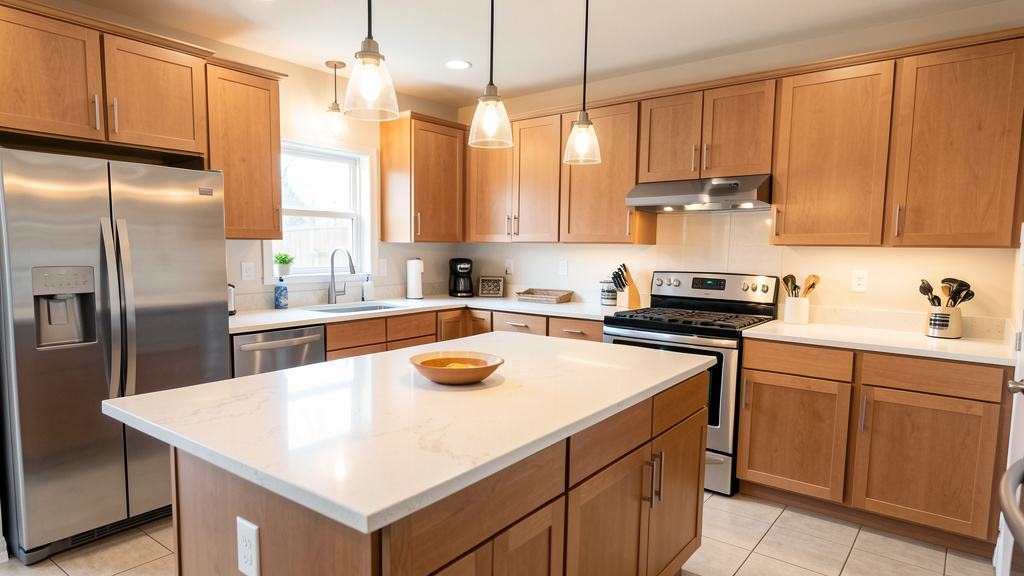
Stop Leaving Money on the Table—Unlock Hidden Value Through Strategic Preparation, Psychological Positioning, and Market-Aligned Execution
Selling a home represents one of life’s most significant financial transitions, yet many sellers operate with incomplete information and reactive strategies. True value maximization isn’t about superficial fixes—it’s a deliberate, multi-layered process where thoughtful preparation directly influences outcomes. This guide reveals a systematic framework used by informed sellers to transform overlooked details into tangible equity, navigate emotional complexities with clarity, and position properties competitively across varying market conditions. By aligning physical readiness, pricing strategy, and buyer perception into a unified approach, you create conditions where your home doesn’t just sell—it resonates.
Introduction
The journey of selling a home begins long before the listing goes live. Analysis of transaction patterns consistently shows that properties prepared with intentional strategy often achieve stronger list-to-sale alignment than those handled reactively. Consider two similar homes in the same neighborhood: one sells quickly after targeted updates and precise pricing; the other lingers, requiring adjustments that impact net proceeds. The difference typically lies not in location or square footage, but in preparation depth and strategic alignment.
Value maximization rests on a foundational insight frequently overlooked in fragmented advice: perceived value significantly influences actual value. A buyer’s emotional response to a space, their confidence in its condition, and their perception of its readiness directly shape their engagement. This guide synthesizes established real estate principles, behavioral insights, and field-tested preparation protocols into a single actionable system. Whether navigating a competitive market or a more measured landscape, these principles provide a repeatable path toward securing favorable terms. This isn’t about gimmicks—it’s about building credible, observable value at every touchpoint, creating a narrative of care that resonates with qualified buyers. As you move through this framework, remember: every preparation decision either supports your objectives or introduces unnecessary friction. There is no neutral ground.
The 5-Pillar Framework for Value Maximization
Imagine preparing your home for sale as constructing a pyramid. The base must be solid, the layers intentional, and the apex sharply focused. The Value Multiplier Method organizes preparation into five interdependent pillars. Neglecting any single pillar creates vulnerability; mastering all five generates compounding returns. This framework moves beyond generic checklists to address the why behind each action, the psychological dynamics it influences, and the practical impact it delivers. Pillar One establishes credibility. Pillar Two shapes perception. Pillar Three leverages market context. Pillar Four controls presentation. Pillar Five safeguards value through negotiation. Together, they form a resilient foundation for confident selling.
Pillar 1: The Foundation Audit—Uncovering and Addressing Hidden Defects
Before staging begins or photos are taken, credibility must be established. Buyers approach listings with natural caution. A single unresolved issue—a flickering light, a sticky door, a lingering odor—can trigger broader doubt: “What else might need attention?” The Foundation Audit systematically identifies and addresses these friction points while highlighting repairs that deliver meaningful return. This isn’t about perfection; it’s about demonstrating stewardship and reducing perceived risk. A home that feels maintained invites trust; one that feels overlooked invites hesitation and contingency requests.
Why This Pillar Matters:
Industry observations note that unresolved minor issues discovered during showings can cause buyers to mentally adjust their valuation before an offer is even discussed. Proactively addressing visible concerns transforms your home from a question mark into a statement of reliability.
Conducting the Pre-Listing Inspection Protocol:
Begin with a professional pre-listing inspection. While costs vary regionally, this step often prevents larger financial exposure later. Hire an inspector unaffiliated with your real estate agent to ensure objectivity. Request a detailed report with photos, prioritized findings (Critical/Recommended/Informational), and estimated repair contexts. Simultaneously, perform your own “buyer’s eye” walkthrough:
– Entry Sequence: Approach your home as a stranger would. Note curb appeal elements, pathway condition, door hardware functionality.
– Sensory Scan: Close your eyes briefly. What do you hear (HVAC noise, traffic)? Smell (lingering cooking odors, dampness)? Feel (drafts, uneven floors)? Buyers process environments sensorially before logically.
– Room-by-Room Defect Hunt: Use a checklist:
– Windows/Doors: Operation smoothness, seal integrity, lock function
– Fixtures: All lights operational, faucet drips, toilet reliability
– Surfaces: Cracks in walls/ceilings, water stains, loose tiles
– Systems: HVAC filter condition, water pressure consistency, circuit breaker labeling
Document every observation with photos and notes. This becomes your actionable repair roadmap.
Prioritizing Repairs Using the ROI Lens:
Not all repairs warrant equal investment. Apply this decision framework:
| Repair Category | Examples | Action Guidance | Rationale |
|---|---|---|---|
| Critical Safety/Legal | Faulty wiring, active leaks, structural concerns, non-functional safety devices | Address Immediately | Legally required in most jurisdictions; omission can delay sale or trigger significant concessions. Non-negotiable for safety and compliance. |
| High-Perception Value | Peeling paint, cracked tiles, sticky windows, dated fixtures | Repair or Refresh | Directly impacts first impression and perceived maintenance level. Typically low cost with strong psychological return. |
| Functional but Dated | Working appliances, functional but worn flooring | Evaluate Contextually | If budget allows, refresh. If not, disclose transparently. Avoid partial updates that draw more attention to age. |
| Cosmetic Preference | Wall color, hardware style, light fixture aesthetics | Neutralize Strategically | Address only if strongly polarizing. Goal is neutrality, not personalization. |
| Major Systems Near End-of-Life | HVAC >15 yrs, roof >20 yrs, water heater >10 yrs | Disclose + Prepare | Obtain repair/replacement estimates. Decide: address pre-listing, disclose with documentation, or budget for credit. Transparency builds trust. |
Illustrative Application: A seller identified minor roof concerns during their audit. They obtained estimates, completed the repair, and included documentation and warranty details in the listing package. The home generated strong buyer interest. A comparable property nearby—with similar features but undisclosed roof questions—experienced longer market time and ultimately closed with significant concessions requested. Proactive attention to condition created clearer buyer confidence.
Common Pitfalls to Avoid:
– The “It’s Always Been Like That” Trap: Familiarity blinds us to buyer perception. That slightly warped floorboard you’ve accepted for years may signal neglect to a buyer.
– Over-Investing in Low-ROI Items: Major renovations rarely return full investment at sale. Focus on condition and functionality, not luxury upgrades.
– DIY Beyond Skill Level: Attempting complex electrical, plumbing, or structural work without expertise creates safety risks and inspection complications. When uncertain, consult licensed professionals. Document all completed work.
– Overlooking Documentation: Maintain records of repairs, maintenance logs (HVAC servicing, roof inspections), and warranties. This “home history file” provides tangible evidence of care during negotiations.
Regional Consideration Spotlight:
Disclosure requirements vary significantly by location. In California, sellers complete a detailed Transfer Disclosure Statement (TDS). In the UK, the TA6 Property Information Form serves a similar purpose. In markets with stringent disclosure laws (e.g., Texas, Florida), failing to document known issues—even minor ones—can lead to complications. Consult a local real estate professional or attorney about jurisdiction-specific obligations. When uncertain, transparency is the prudent path.
Pillar 2: Strategic Enhancement—Boosting Perceived Value Thoughtfully
With structural credibility established, attention shifts to perception. Strategic Enhancement focuses exclusively on actions that elevate a buyer’s connection and perceived value without triggering diminishing returns. This pillar rejects the myth that “more spending = more value.” Instead, it applies behavioral insight: buyers remember how a space made them feel. A deeply cleaned, decluttered home often creates stronger emotional resonance than costly but impersonal upgrades. Enhancement is about curating an experience, not accumulating changes.
The Psychology of “Move-In Ready”:
Research in environmental psychology suggests buyers mentally “try on” a home during viewings. Clutter, personal items, or strong sensory cues create cognitive friction—they require the buyer to imagine removing your life before inserting theirs. Strategic Enhancement removes this friction. A neutral, organized, clean home acts as a receptive canvas, allowing buyers to project their own lives seamlessly. This reduces perceived effort and increases perceived value. Observational studies note buyers often spend more time engaging with features (hardwood floors, architectural details) in uncluttered environments. Time spent correlates with emotional investment.
The Three-Phase Enhancement Protocol:
Phase 1: The Great Unburdening (Decluttering & Depersonalizing)
– Room-by-Room Purge: Use the “Four-Box Method” per room: Keep, Donate, Trash, Relocate. Target: reduce visible items noticeably.
– Kitchen: Clear countertops except one simple item. Store small appliances. Organize pantry visibly.
– Living Areas: Remove excess decor. Store family photos, personal memorabilia.
– Bedrooms: Simplify nightstands. Empty closets to create breathing room (enhances perceived storage).
– Bathrooms: Remove personal care items. Use matching neutral soap dispensers.
– Digital Depersonalization: Blur or remove personal items in listing photos (family photos, children’s artwork).
– Why It Works: Clutter can unintentionally signal “this home lacks storage.” Open, organized space signals “this home has ample capacity.” It’s not about emptiness—it’s about potential.
Phase 2: Sensory Optimization (Cleanliness & Ambiance)
– Deep Clean Protocol: Extend beyond surface cleaning.
– Windows: Clean interior AND exterior glass. Natural light enhances perceived value.
– Floors: Steam clean carpets; buff hardwoods; address stained grout.
– Fixtures: Polish all metals (faucets, handles, switches).
– Hidden Zones: Clean inside ovens, under sinks, garage floors. Buyers often notice these details.
– Odor Management (Not Masking):
– Identify sources: pet areas, garbage disposal, damp zones.
– Eliminate: enzymatic cleaners for organic odors, baking soda in drains, dehumidifiers where needed.
– Enhance subtly: Simmer citrus slices + cinnamon sticks briefly before showings (avoid strong synthetic fragrances). Open windows for fresh air when weather permits.
– Seasonal Note: In colder months, ensure pathways are clear and well-lit; use warm lighting to create welcome. In warmer months, focus on lawn health, patio readiness, and natural ventilation.
– Lighting Strategy:
– Replace bulbs with consistent warm-white LEDs (2700K–3000K).
– Layer light: overhead + lamps + task lighting.
– Clean fixtures and shades. Dust diffuses light, creating dimness.
– Soundscaping: During showings, soft instrumental music at low volume can soften silence. First, eliminate distracting noises (dripping faucets, loud HVAC).
Phase 3: Targeted Cosmetic Refresh (The 80/20 Principle)
Focus attention where eyes land first:
– Curb Appeal (The First Impression):
– Budget-Friendly: Power wash walkway, refresh mulch, add seasonal potted plants at entry, update house numbers.
– Mid-Range: Paint front door (navy, charcoal, classic red), replace worn mat, trim landscaping.
– Higher Impact: Address bare lawn patches, install subtle path lighting, refresh mailbox.
Why it matters: Strong curb appeal encourages more showings. The initial impression sets the tone for the entire tour.
– Interior Neutralization:
– Paint walls in warm, versatile neutrals (e.g., soft whites, light beiges). Avoid stark whites or bold colors.
– Update dated hardware: cabinet pulls, door knobs, light fixtures (matte black, brushed nickel).
– Refresh caulk/grout in kitchens and baths. Crisp lines signal care.
– Strategic Staging:
– Occupied Home: Rearrange furniture to improve flow. Remove oversized pieces. Add fresh flowers, neutral throw pillows.
– Vacant Home: Rent furniture. Empty rooms feel smaller and less inviting. Professional staging helps buyers visualize living in the space. Focus on key areas: living room, primary bedroom, kitchen.
– Virtual Staging: For online listings of vacant homes, use reputable virtual staging services. Clearly label “virtually staged” to maintain transparency.
Note on Scent: If baking before showings, choose universally neutral scents like vanilla or citrus. Avoid strong food odors that may not appeal to all buyers or could trigger sensitivities.
Value-Focused Enhancement Guidance:
Rather than precise ROI percentages (which vary widely by market and property), focus on these principles:
– Deep Cleaning & Deodorizing: Consistently noted as high-impact, low-cost preparation. Creates immediate sensory improvement.
– Interior Painting (Neutral): Refreshes the entire space. Addresses wear while creating cohesion.
– Curb Appeal Updates: Directly influences showing requests. First impressions are formed in seconds.
– Professional Staging (Vacant Homes): Helps buyers connect emotionally with the space. Empty rooms lack scale and warmth.
– Major Renovations (Kitchens/Baths): Rarely recoup full investment pre-sale. Prioritize repairs and refreshes over full remodels unless systems are failing.
Critical Insight: Enhancement isn’t about making the home “objectively better”—it’s about removing barriers to the buyer’s imagination. A buyer who instantly visualizes their life in the space is emotionally invested. A buyer distracted by strong personal elements is mentally calculating effort and cost. Every enhancement decision should answer: “Does this help the buyer see themselves here?”
Adaptable Pathways for Different Situations:
– Limited Budget ($500 Focus): Deep clean ($150), fresh mulch + seasonal plants ($75), paint front door + trim ($150), replace bulbs + clean fixtures ($50), new welcome mat + house numbers ($75).
– Minimal Budget ($0 Focus): Declutter thoroughly. Deep clean yourself. Open all curtains/blinds. Rearrange furniture for better flow. Ensure all lights work.
– Time Constraints: Prioritize entryway, main living area, and primary bathroom. These spaces carry disproportionate weight in buyer perception.
– Seasonal Adjustments: Winter? Ensure walkways are safe, entry is well-lit, and interior feels warm. Summer? Highlight outdoor spaces, ensure AC is functional, maintain landscaping.
Pillar 3: Precision Pricing—Setting the Stage for Confident Offers
Pricing is among the most influential—and emotionally charged—decisions in the sale process. Set too high, and you may deter qualified showings; set too low, and you risk leaving value unrealized. Precision Pricing moves beyond basic “comps” (comparable sales) to integrate current market dynamics, property-specific context, and strategic positioning. This pillar transforms pricing from estimation into an evidence-informed launch strategy designed to attract serious buyers and support confident decision-making.
Addressing Common Pricing Perspectives:
– “Price High to Allow Negotiation Room”: In today’s transparent market, listings priced above current value often receive fewer showings, accumulate days on market (which can signal issues to buyers), and may ultimately net less than a correctly positioned home. Data suggests overpriced listings frequently require larger adjustments later.
– “Price Low to Spark Bidding”: While effective in specific high-demand scenarios, this approach carries risks: attracting unqualified interest, signaling distress, or creating appraisal complications if final price diverges significantly from recent sales.
– “My Home is Unique—Comps Don’t Apply”: While every home has distinctive features, buyer decisions are anchored to comparable value. Emotional attachment can cloud objectivity. Discipline requires grounding price in observable market data.
The Multi-Layer Pricing Analysis Approach:
Layer 1 establishes baseline context; Layers 2–4 refine positioning.
Layer 1: Comparative Market Analysis (CMA) Foundation
Work with your agent to identify 6–10 truly comparable recent sales (“comps”):
– Sold within last 90 days (extend cautiously in slow markets)
– Within reasonable proximity (adjust for rural settings)
– Similar size (±15% sq ft), age (±10 years), bedrooms/baths
– Comparable condition, lot size, key features
For each comp, note:
– Final sale price
– List-to-sale ratio
– Days on market (DOM)
– Concessions granted (seller-paid costs, repairs)
– Distinguishing features (updates, view, layout)
Calculate price per square foot where relevant. Identify a realistic value range. This forms your baseline context.
Layer 2: Property-Specific Adjustment Lens
Adjust baseline context based on your home’s attributes relative to comps. Use a balanced perspective:
| Feature Area | Potential Positive Context | Potential Negative Context |
|————–|—————————-|—————————-|
| Kitchen | Updated surfaces/appliances | Original condition, visible wear |
| Bathrooms | Refreshed primary bath | Outdated fixtures, wear |
| Curb Appeal | Landscaped, fresh exterior | Overgrown, peeling paint |
| Systems | Recent roof/HVAC (<5 yrs) | Systems nearing expected lifespan |
| Location | Quiet street, desirable lot | Proximity to noise sources |
| Interior Condition | Hardwood floors, neutral palette | Worn carpet, dated finishes |
Apply adjustments conservatively. Overestimating upgrades is a frequent pricing pitfall. If updates are functional but not premium, use modest adjustments.
Layer 3: Current Market Context
This layer answers: How is the market behaving right now?
– Absorption Rate Insight: (Homes sold last month ÷ Total active listings).
– Higher rate (>20%) often indicates seller-favorable conditions
– Moderate rate (15–20%) suggests balanced activity
– Lower rate (<15%) may indicate buyer-favorable conditions
– Days on Market Trend: Are homes selling faster or slower than six months ago? Check local MLS trends.
– New Listing Activity: High new inventory increases competition. Strategic pricing helps your home stand out.
Example: In a market with moderate absorption and stable DOM, pricing at fair market value is typically optimal. In a slower market, strategic positioning slightly below comparable recent sales may generate stronger initial interest.
Layer 4: Psychological and Practical Positioning
How the price is presented influences buyer perception:
– Charm Pricing: $499,000 feels distinct from $500,000. Strategic use of $X99,000 or $X95,000 is common.
– Search Threshold Awareness: Pricing just below a common search filter (e.g., $749,000 vs. $750,000) may increase visibility in buyer searches.
– Strategic Positioning (Use with Caution): In verified high-demand scenarios, pricing slightly below perceived value may encourage multiple offers. Only pursue with clear agent guidance and market confirmation.
– Avoid Round Numbers: $500,000 can feel estimated; $497,500 suggests deliberate calculation.
Pricing Decision Protocol:
1. Establish baseline context from Layer 1.
2. Apply measured adjustments from Layer 2.
3. Refine based on Layer 3 market dynamics.
4. Format thoughtfully per Layer 4.
5. Stress Test: Ask: “If this price receives limited interest in 10–14 days, is it defensible with current data?” If not, reconsider.
6. Document Rationale: Keep a concise summary of comps, adjustments, and market context. This supports confident discussions during negotiations.
Indicators to Revisit Pricing:
– Potential Overpricing: Very few showings in first 10 days; consistent buyer feedback citing price; agent recommends adjustment early.
– Potential Underpricing: Immediate high showing volume but offers significantly below price; buyer agents questioning condition due to low price; appraisal concerns if final price rises sharply.
Collaborating with Your Agent: A skilled agent provides data transparency, not just opinion. Ask: “Can you walk me through the three most relevant comps and how they inform this price?” If rationale feels unclear, seek clarification. Your pricing decision should feel evidence-informed, not emotionally driven.
Pillar 4: Targeted Marketing—Presenting Your Home Effectively
A well-prepared, thoughtfully priced home requires strategic presentation to reach qualified buyers. Targeted Marketing ensures your property is showcased through channels buyers use, presented with clarity, and framed to highlight its authentic strengths. This pillar moves beyond “listing on MLS” to craft a cohesive narrative, leverage professional assets, and activate relevant networks. In a visually driven market, intentional presentation cuts through noise.
Marketing Asset Prioritization: Impact Focus
Not all marketing efforts deliver equal influence. Prioritize based on buyer behavior insights:
| Asset | Impact Level | Rationale |
|---|---|---|
| Professional Photography | Essential | Over 90% of buyers begin searches online. High-quality images significantly increase engagement and showing requests. Poor photos often cause immediate dismissal. |
| Virtual Tour (3D) | High | Allows buyers to explore anytime. Homes with 3D tours often attract more serious inquiries and reduce wasted showings. |
| Drone Photography | Situational | Valuable for properties with acreage, water features, pools, or unique architecture. Showcases context and scale. |
| Compelling Description | High | Transforms features into relatable benefits. “Updated kitchen” becomes “Sunlit kitchen with refinished cabinets—ideal for morning coffee and family gatherings.” |
| Agent Network Activation | High | Buyer agents are critical conduits. Ensuring they know your listing’s strengths drives qualified showings. |
| Targeted Digital Promotion | Medium | Geo-focused social ads can reach local buyers or relocating professionals. |
| Print Materials | Low | Minimal ROI in most contemporary markets. |
Professional Photography: Execution Essentials
– Hire a Real Estate Specialist: These photographers understand staging, lighting, and angles that showcase space. Review portfolios for bright, airy, well-composed shots.
– Pre-Shoot Preparation: Complete Pillar 2 enhancements. Clean meticulously. Stage key rooms. Turn on ALL lights. Open curtains/blinds. Remove vehicles from driveway.
– Shot List Guidance:
– Exterior: Front elevation (daylight), backyard, key features (patio, garden)
– Interior: Every room (wide shots showing flow), kitchen (multiple angles), primary bedroom/bath, unique features (fireplace, built-ins)
– Detail Shots: Updated fixtures, flooring, architectural elements
– Editing Standards: Images should be bright, color-accurate, and lightly edited (e.g., remove temporary distractions). Avoid heavy filters that misrepresent reality.
Value Note: Investment in photography typically supports faster sale velocity and stronger buyer perception.
Crafting the Listing Description: Clarity and Connection
Avoid dry feature lists. Weave a narrative that connects emotionally while embedding key details naturally. Structure:
1. Engaging Opening: “Welcome to a sun-drenched craftsman where original hardwood floors meet modern comfort…”
2. Lifestyle Context: Describe how spaces function. “The open living area flows seamlessly to the covered patio—perfect for evening relaxation or weekend gatherings.”
3. Strategic Feature Integration: Weave in key updates with purpose. “New roof (2023) and serviced HVAC provide peace of mind.”
4. Neighborhood Context: “Walk to the community park, local café, and highly rated elementary school. Easy access to major commuter routes.”
5. Clear Next Step: “Schedule your private tour to experience this move-in ready home.”
Pro Tip: Include subtle context: “Rare opportunity to own a well-maintained home in the sought-after Oakwood neighborhood.” Avoid hyperbolic claims (“best home ever!”) that undermine credibility.
Digital and Network Distribution Strategy:
– MLS Entry: Ensure all fields are complete and accurate (square footage, year built, school district). Incomplete data reduces visibility in agent searches.
– Agent Network Activation: Your listing agent should share the listing package (photos, description, key details) promptly with their buyer database and local agent network.
– Targeted Digital Promotion (Optional):
– Platform: Facebook/Instagram (geographic and interest targeting)
– Audience: People within target radius, interested in real estate, relocation-related interests
– Creative: Carousel ad with top photos + virtual tour link
– Budget: Modest daily spend for initial visibility (e.g., $15–$25/day for first week)
– Virtual Tour Placement: Embed the 3D tour link prominently in MLS remarks, social posts, and communications. Share the direct link with interested agents.
Broker Open House: Engaging the Agent Community
Agents connect listings with pre-qualified buyers daily. Make their job easier:
– Timing: Host on weekday mornings (agents’ planning days).
– Presentation: Home must be immaculate. Provide light refreshments. Print a one-page fact sheet with key specs, notable updates, and pricing context.
– Ethical Incentive (Where Permitted): Some sellers offer a closing bonus to the selling agent ($250–$500), disclosed per local regulations. This can motivate prioritization.
– Follow-Up: Your agent may contact top local agents post-event: “Did any of your buyers connect with 123 Main Street? New photos of the renovated backyard are available.”
Avoiding Common Marketing Missteps:
– Over-Editing Photos: Heavy Photoshop (removing permanent structures, adding virtual furniture to vacant rooms without disclosure) leads to buyer disappointment. Authenticity builds trust.
– Ignoring Video: Short video walkthroughs (60–90 seconds) shared on social platforms generate engagement. Highlight light, flow, and key features smoothly.
– Mobile Experience Neglect: Most buyers view listings on phones. Ensure photos load quickly, description uses short paragraphs, and virtual tour is mobile-friendly.
– Vague Descriptions: “Nice home in great location” lacks substance. Specificity creates desire: “Original hardwood floors refinished in 2022,” “Custom shelving in home office.”
Pillar 5: Negotiation Leverage—Navigating Offers with Clarity
An offer begins a critical phase where preparation directly supports confident decision-making. Negotiation Leverage transforms you from a passive recipient into an informed participant who evaluates terms holistically, responds strategically, and navigates contingencies while protecting hard-earned value. This pillar emphasizes that price is only one component; terms, timelines, and contingencies carry significant weight. A slightly higher offer with complex contingencies may carry more risk than a modestly lower offer with strong terms.
Evaluating an Offer: A Holistic View
When an offer arrives, assess these components before reacting:
1. Offer Price: Context matters—compare to your pricing rationale and current market activity.
2. Earnest Money Deposit (EMD): Signals buyer commitment.
– Stronger Signal: 3–5% of purchase price
– Weaker Signal: Very low amount relative to price
– Consideration: Low EMD may indicate higher risk of buyer withdrawal.
3. Financing Context:
– All-Cash: Eliminates financing/appraisal contingencies (lower risk)
– Conventional Loan (Verified Pre-Approval): Strong indicator of readiness
– FHA/VA Loan: May have specific appraisal or repair requirements
– Contingent on Buyer’s Home Sale: Higher risk; requires careful evaluation
4. Contingencies & Timelines:
– Inspection Contingency: Standard period (e.g., 7–10 days). Shorter may indicate confidence.
– Appraisal Contingency: Critical. Understand process if appraisal comes in below contract price.
– Financing Contingency: Standard timeframe (e.g., 21–30 days).
– Home Sale Contingency: Buyer cannot close until their home sells—evaluate risk carefully.
5. Proposed Closing Date: Does it align with your timeline? Extremely short or long closings may introduce stress or uncertainty.
Responsive Counteroffer Considerations
Thoughtful counters optimize terms while maintaining goodwill:
| Scenario | Potential Counter Approach | Rationale |
|---|---|---|
| Multiple Offers | Set a clear “best and final” deadline (24–48 hrs). Request highest and best offers with key terms. | Creates structured process, encourages buyers to present strongest position. |
| Offer Below Expectations | Counter with terms that reflect your pricing rationale (e.g., price near asking with standard contingencies). | Signals confidence in value without rejecting dialogue. |
| Strong Price, Weaker Terms | Counter to strengthen terms: “Accept price with EMD increased to $Y, inspection period of Z days.” | Balances price with reduced risk. |
| Appraisal Gap Consideration | Discuss options: buyer covers gap, split difference, or price adjustment. | Prepares for a common contingency with clear pathways. |
| Post-Inspection Repair Requests | Offer credit at closing for legitimate items instead of making repairs. | Avoids re-inspection delays, maintains closing timeline. |
Navigating the Inspection Period: A Prepared Approach
The inspection phase is a common point for negotiation. Prepare proactively:
– Share Pre-Inspection Report: Providing your pre-listing inspection report upfront builds transparency and reduces surprise requests.
– Categorize Requests Thoughtfully:
– Safety/Legal Items: Address promptly (e.g., broken handrails, exposed wiring).
– Major System Items: Negotiate based on documentation (e.g., quotes for roof repair).
– Cosmetic Items: Typically decline politely; respond: “Home is sold in present condition per disclosure.”
– Credit vs. Repair Decision:
– Offering Credit: Gives buyer choice of contractor, avoids re-inspection, keeps timeline intact.
– Making Repairs: Only for critical items where you have trusted vendors and timeline allows. Share documentation transparently.
– Documentation Strengthens Trust: For any concession, provide receipts, quotes, or photos of completed work. This demonstrates good faith.
Appraisal Contingency Preparedness
Low appraisals can complicate transactions. Mitigate risk:
– Pre-Appraisal Package: Provide your agent with:
– Pre-listing inspection report
– Receipts for significant updates (roof, HVAC)
– List of recent comparable sales (including off-market if known)
– Photos highlighting updates versus comps
– Appraiser Visit Preparation: Ensure home is clean and accessible. Politely note key updates (“Roof replaced in 2023—documentation available”).
– If Appraisal Is Low:
– Request reconsideration of value (ROV) with additional data.
– Discuss options with buyer: cover gap, split difference, or adjust price.
– Know your parameters beforehand to avoid pressured decisions.
Principles for Constructive Negotiation
– Trade, Don’t Just Concede: If buyer requests credit, counter with adjusted terms that create mutual value (e.g., credit paired with non-contingent financing).
– Anchor Thoughtfully: When proposing a credit, base it on documented estimates.
– Collaborative Framing: Use language like: “We want to find a fair solution that keeps us on track for closing. Based on contractor estimates, a $X credit addresses this item efficiently.” Avoid accusatory phrasing.
– Pause Before Responding: After presenting a counter, allow space. Rushed responses often weaken position.
Knowing When to Pause or Walk Away
Not every offer aligns with your goals. Consider stepping back if:
– Requests exceed standard practice for your market
– Financing terms appear unstable (e.g., no verified pre-approval)
– Contingencies introduce unreasonable risk or timeline uncertainty
– Communication becomes disrespectful
Protecting your well-being and financial objectives is paramount. A paused transaction today preserves opportunity for a stronger match tomorrow.
The Fundamental Principle: Value emerges from the intersection of the property’s condition, the buyer’s perception, and the market context. Master these elements through preparation, and you create conditions for confident, successful outcomes.
Critical Micro-Decisions: Navigating Crossroads with Clarity
Preparation unfolds through hundreds of small choices. These micro-decisions—often overlooked in broad guides—compound into meaningful outcomes. Addressing them with intention prevents regret and unlocks thoughtful value. Below, we explore eight pivotal crossroads with adaptable frameworks.
Micro-Decision 1: Repair Before Listing vs. Offer a Credit?
This common dilemma depends on repair nature, cost, buyer expectations, and market pace.
– Repair Pre-Listing If: Cost is modest, issue is highly visible (peeling paint, cracked tile), or market activity is slower (repairs enhance competitiveness). Example: Fixing a cracked bathroom tile prevents buyers from overestimating repair scope.
– Offer Credit If: Repair is significant, requires specialized contractors, or market is active (buyers may prefer selecting their own vendors). Example: Providing a documented credit for roof work gives buyer control and avoids re-inspection delays.
– Hybrid Approach: For mid-range items (e.g., HVAC service), complete the repair and share documentation. Demonstrates proactive care while minimizing contingency risk.
Critical Note: Disclosure laws vary. In jurisdictions with strict requirements (CA, TX), consult your agent about addressing known issues. Transparency is consistently the safer path. Document all actions.
Micro-Decision 2: Stage Professionally vs. DIY Staging vs. Leave Vacant?
Industry observations note vacant homes often take longer to sell and may receive lower offers. Staging is strongly recommended for vacant properties. For occupied homes:
– Professional Staging (Vacant): Rent furniture. Creates emotional connection, defines room purpose, highlights space. ROI typically exceeds cost.
– Professional Consultation (Occupied): A 2–3 hour stager consultation ($150–$300) provides targeted advice on arrangement, decluttering, and styling. High impact, modest investment.
– DIY Staging (Occupied): Apply the “Rule of Threes”: group decor in odd numbers. Clear surfaces. Add fresh flowers, neutral pillows, layered lighting. Focus on entryway, living room, primary bedroom.
– Avoid Leaving Vacant Unstaged: Empty rooms feel cold and undefined. If budget is constrained, borrow furniture temporarily for photos and key showings.
Micro-Decision 3: Disclose Everything vs. “Let the Inspector Find It”?
Transparency builds foundational trust. Full disclosure:
– Establishes credibility with buyers and agents
– Prevents disruptive “surprises” during inspection
– Reduces risk of post-closing disputes
– Allows you to frame items positively (“New water heater installed 2023—receipts available”)
Action Protocol:
1. Complete your jurisdiction’s seller disclosure form thoroughly.
2. Attach your pre-listing inspection report.
3. For minor items (small drywall crack), note: “Repaired October 2023—photo available.”
4. For significant items (roof near end-of-life), include recent estimates and maintenance records.
Concealing known issues is a high-risk approach with potentially serious consequences. Disclosure is strategic credibility.
Micro-Decision 4: Choose Agent Based on Highest Valuation vs. Data-Backed Pricing?
Agents who promise inflated prices to secure listings often deliver prolonged market time and lower net proceeds. Evaluate agents on:
– Comps Depth: Do they present 8+ relevant comps with clear adjustments? Or only 2–3 selective examples?
– Marketing Specifics: “I’ll list it” vs. “I’ll engage XYZ Photography, run targeted digital promotion, host a broker event Tuesday.”
– Local Transaction Experience: “I sold 12 homes in your zip code last year with strong list-to-sale alignment.”
– References: Request contact for 2 recent seller clients. Ask: “Did they communicate clearly? How did they handle negotiations?”
Choose the agent demonstrating analytical rigor and local knowledge. Your net proceeds depend on it.
Micro-Decision 5: Time the Market vs. Prepare for Any Market?
Attempting to “time the market” (waiting for rates to drop, prices to rise) is speculative. Preparation is within your control; market timing is not.
– Active Market Strategy: Price precisely to attract qualified interest. Minimize unnecessary contingencies in listing terms.
– Slower Market Strategy: Price thoughtfully to stand out. Invest in curb appeal and staging. Consider incentives after initial market exposure if needed.
– Universal Truth: A well-prepared home typically outperforms market averages regardless of conditions. Focus energy on Pillars 1–4—factors you control. Preparation builds resilience.
Micro-Decision 6: Handle Minor Repairs Yourself vs. Hire Help?
Assess using the “Three C’s”:
– Competence: Can you complete it to a professional standard? A crooked shelf signals neglect.
– Cost of Error: Will a mistake require expensive correction? (Electrical, plumbing = hire pro).
– Time Value: Is your time better spent on higher-impact tasks (decluttering, agent interviews)?
Guideline: DIY only low-skill cosmetic tasks (touch-up paint, replacing faucet aerator). Hire a handyman ($50–$75/hr) for precision work (fixing doors, installing shelving). A modest investment prevents larger concessions later.
Micro-Decision 7: Include Appliances vs. Remove Them?
Standard practice varies by region and appliance condition.
– Include If: Appliances are recent, matching, and in good working order. Modern sets enhance perceived value.
– Remove If: Appliances are older, mismatched, or you need them. Crucially: Replace with functional, clean appliances. An empty space feels incomplete.
– Disclose Clearly: State in listing: “Refrigerator and washer/dryer convey.” Avoid ambiguity.
Pro Tip: If removing high-end appliances, note: “Seller may consider conveying premium kitchen appliances with acceptable offer.” Creates optional negotiation leverage.
Micro-Decision 8: Accept a Cash Offer Below Asking vs. Wait for Financed Offer at Asking?
Cash offers reduce financing/appraisal risk and often close faster—but price matters. Calculate net implications:
– Cash Offer: $485,000, minimal contingencies, 21-day close
– Financed Offer: $499,000, standard contingencies, 35-day close
Analyze:
– Probability of financed offer completing (industry averages vary)
– Cost of carrying the home longer (mortgage, taxes, insurance)
– Your personal timeline and risk tolerance
Decision Lens:
– If cash offer is close to financed offer AND market is slower → Certainty may hold value.
– If cash offer is significantly lower AND market is active → Counter or wait may be prudent.
– Always verify cash buyer’s proof of funds. “Cash” without documentation carries risk.
There is no universal answer—only a choice aligned with your specific context, risk comfort, and goals.
Navigating Friction Points: Adapting Strategy with Confidence
Even meticulous preparation encounters obstacles. Market shifts, unexpected findings, or complex buyer requests test resolve. This section provides adaptable protocols for common friction points, emphasizing solutions over stress. Flexibility within your framework—not abandonment of strategy—is key.
Friction Point: “My Home Has Been on the Market for 30 Days With Limited Interest”
Diagnosis: This typically stems from pricing alignment, marketing visibility, or preparation gaps. Reactive price cuts often deepen challenges.
Action Protocol:
1. Gather Objective Feedback: Ask your agent: “What specific feedback are buyer agents sharing?” Common themes: “Price feels high for condition,” “Needs updating,” “Layout questions.”
2. Revisit Pricing Context: Pull fresh comps (last 14 days). Has new inventory shifted the landscape? Adjust price based on current data, not initial estimate. A measured adjustment often reignites interest.
3. Refresh Presentation: Hire photographer for updated twilight shot or post-landscaping photos. Revise listing description to address feedback (“Recently deep-cleaned and refreshed for move-in readiness”).
4. Enhance Showing Experience: Add fresh flowers, ensure optimal lighting, maintain immaculate condition. Small sensory upgrades reset perception.
5. Agent Strategy Review: If feedback is vague or communication lacks clarity, request a formal review. If confidence is lost, understand listing agreement terms before considering changes.
Critical Mindset: 30 days is data, not failure. Respond with evidence, not emotion. Many homes sell between days 31–60 after strategic refinements.
Friction Point: “The Appraisal Came In Below the Contract Price”
Diagnosis: Common in rapidly shifting markets or with unique properties. This is a negotiation pivot point, not a deal ender.
Action Protocol:
1. Request Reconsideration of Value (ROV): Work with your agent to submit:
– Additional comparable sales (recent pending sales not in MLS)
– Documentation of updates (receipts for roof, HVAC)
– Photos highlighting features not captured
– Context on unique value (lot size, views)
2. Discuss Options with Buyer:
– Buyer covers full gap (requires financial capacity)
– Split the difference
– Seller adjusts price
3. Know Your Parameters: If buyer won’t contribute and you won’t adjust, be prepared to pause. A low appraisal protects both parties from overextension.
Prevention Tip: For unique properties, provide appraiser with a concise “property context” packet before the visit. Include off-market comps and upgrade documentation.
Friction Point: “I Can’t Afford Major Repairs Before Listing”
Diagnosis: Financial constraints are real. Strategy shifts to transparent presentation with clear path forward.
Action Protocol:
1. Prioritize Ruthlessly: Address only Critical Safety/Legal items (faulty wiring, broken steps). These are non-negotiable for safety and disclosure.
2. Document Everything: Obtain estimates for needed repairs. Include them in the listing: “Roof nearing end-of-life; three estimates available totaling approximately $9,000.” Transparency builds trust.
3. Price Accordingly: Adjust asking price to reflect repair needs. A home requiring $9,000 in roof work should be priced below comparable move-in-ready homes. This attracts investors or renovation-focused buyers.
4. Target Appropriate Buyers: Market to cash buyers or investors. Adjust description: “Solid bones with update potential—priced for required roof replacement.”
5. Explore Local Resources: Some municipalities offer low-interest repair loans. Local nonprofits may provide assistance for qualifying homeowners.
Key Insight: A transparently presented “as-is” home with documentation often sells more smoothly than a hidden-defect home priced optimistically. Honesty attracts the right buyer.
Friction Point: “Buyer is Requesting Significant Repairs After Inspection”
Diagnosis: Inspection requests range from essential to subjective. Emotional reactions derail progress. Stay objective.
Action Protocol:
1. Categorize Requests Immediately:
– Safety/Legal (Address): Exposed wiring, broken handrails, non-functional safety features.
– Major System Items (Negotiate): Failing water heater, roof leaks. Offer credit based on estimates.
– Cosmetic Items (Typically Decline): “Scratch on floor,” “Paint touch-up.” Respond: “Home sold in present condition per disclosure.”
2. Provide Evidence: For disputed items, share pre-listing inspection report or contractor assessment.
3. Counter Constructively:
– Offer a lump-sum credit covering legitimate items.
– Specify credit is applied at closing—no re-inspection required.
– Request removal of minor requests in exchange for credit.
4. Leverage Your Pre-Inspection: “As disclosed upfront in our pre-listing report, the water heater is 12 years old. We’re pleased to offer a $1,500 credit toward replacement.”
Psychological Tip: Frame responses collaboratively: “We want to find a fair solution that keeps us on track for closing. Based on estimates, a $X credit addresses the core item efficiently.”
Friction Point: “I’m Emotionally Attached and Struggling to Depersonalize”
Diagnosis: Homes hold memories. Removing family photos or repainting a child’s room triggers grief. This is normal—but unchecked emotion impacts preparation.
Action Protocol:
1. Acknowledge the Feeling: “This is hard because this home holds important memories. My goal is to honor those while preparing for the next chapter.”
2. Create a Memory Archive: Before decluttering, photograph rooms, height marks, garden spots. Create a digital album. Preserves memories without keeping physical clutter.
3. Delegate Depersonalizing: Hire a staging consultant or organizer specifically for this task. “Please remove personal items and store them in labeled bins.” Distance reduces friction.
4. Reframe the Narrative: Shift from “I’m erasing my history” to “I’m creating a canvas for the next family to build their memories.”
5. Focus on Your “Why”: Write down your reason for selling (closer to family, new space, financial goals). Keep it visible. Reconnect when emotion surges.
Professional Insight: Agents encounter this regularly. A good agent provides gentle, non-judgmental guidance. Communicate openly: “I need support staying objective on pricing.” Vulnerability strengthens partnerships.
Adaptable Pathways for Unique Situations
– Selling Inherited Property: Prioritize probate compliance. Hire an estate sale company to clear contents. Price transparently for condition. Disclose “sold as-is per estate.”
– Divorce Sale: Hire a neutral third-party stager/organizer to avoid conflict. Use a transaction coordinator for communications. Focus on clean, neutral presentation to maximize value for all parties.
– Relocation Deadline: If employer requires quick sale, price competitively to generate immediate interest. Disclose timeline transparently to attract motivated buyers. Evaluate iBuyer options only after comparing net proceeds to traditional sale (fees can be substantial).
– Historic Home: Highlight original features (hardwood floors, moldings) in marketing. Provide historical context. Price using “historic premium” comps where available. Disclose preservation guidelines upfront.
Flexibility within your core framework allows adaptation without surrendering value. Every challenge has a strategic response.
Your Questions, Answered
Q: How far in advance should I start preparing my home for sale?
A: Begin the Foundation Audit (Pillar 1) 90–120 days before your target listing date. This allows time for inspections, obtaining estimates, and completing high-impact enhancements without rushing. Major repairs (roof, HVAC) may require several weeks for contractor scheduling. Strategic Enhancement (Pillar 2) should be finalized 2–3 weeks pre-listing to ensure freshness. Starting early reduces stress, avoids premium rush fees, and positions your home to align with market timing. Even 30 days of focused preparation yields meaningful returns—begin where you are.
Q: What’s the single biggest mistake sellers make that impacts outcomes?
A: Emotional pricing—setting the list price based on personal attachment, renovation costs, or desired net proceeds rather than current market data. This error often triggers reduced showings, negative buyer perception, prolonged market time, and ultimately lower net proceeds after adjustments and carrying costs. Discipline requires anchoring price to verified comparable sales and current market dynamics, not personal narrative. Partner with an agent who provides transparent data and challenges emotional assumptions respectfully.
Q: Do I really need to stage my home if it’s already furnished?
A: Yes, but “staging” for an occupied home means strategic editing, not renting furniture. Most lived-in homes benefit from decluttering, furniture rearrangement for better flow, and neutralizing personal elements. A professional stager’s consultation (often 2–3 hours) identifies key adjustments: optimizing furniture placement, simplifying surfaces, adding neutral textiles, and enhancing lighting. These thoughtful tweaks significantly increase buyer engagement. Industry observations note staged occupied homes often spend less time on market than non-staged counterparts. The modest investment typically supports stronger outcomes.
Q: How do I verify my real estate agent’s track record beyond their claims?
A: Request specific, verifiable information:
1. “Please share your transaction history for the past year in my zip code (MLS printout).”
2. “What was your average list-to-sale price ratio for listings in my neighborhood?” (Top performers often achieve strong alignment.)
3. “May I speak with two recent seller clients?” Ask clients: “Did they communicate proactively? How did they handle negotiations?”
4. Review online reviews critically—look for patterns regarding negotiation skills and responsiveness.
5. Verify license status and disciplinary history via your state’s real estate commission website.
An agent confident in their performance welcomes this scrutiny. Vague answers or reluctance warrant consideration.
Q: Should I make repairs identified in the pre-listing inspection, or just disclose them?
A: Address all Critical Safety/Legal items (faulty wiring, structural concerns, non-functional safety features) before listing—disclosure alone may be insufficient and could violate local law. For other items:
– High-Perception Defects (peeling paint, cracked tiles): Repair. They trigger disproportionate buyer concern.
– Major Systems Near End-of-Life (roof, HVAC): Disclose transparently with estimates. Decide whether to repair, replace, or offer credit based on cost, market, and timeline.
– Cosmetic Items: Disclose but typically do not repair pre-listing; address via credit if requested post-inspection.
The goal is to enter negotiations from a position of strength and transparency. Documentation of known issues builds significant trust.
Q: What disclosures are legally required when selling a home?
A: Disclosure requirements vary significantly by state, province, and locality. Generally, sellers must disclose known material defects affecting value or safety: structural issues, water damage history, pest activity, environmental hazards (lead paint in pre-1978 homes), and major system concerns. Many regions require specific forms (California’s TDS, Texas’ Seller’s Disclosure). Critical action: Consult a local real estate attorney or experienced agent about your jurisdiction’s requirements. When in doubt, disclose. Failure to disclose known issues is a leading cause of post-closing disputes. Maintain records of all disclosures provided to buyers.
Q: How do I handle multiple offers fairly and strategically?
A: Establish a clear, transparent process with your agent:
1. Set a “best and final” offer deadline (typically 24–48 hours). Notify all interested parties in writing.
2. Request offers include key terms: price, EMD amount, financing type, closing timeline, contingency details.
3. Evaluate holistically using the Offer Decoding framework (Pillar 5)—not just price. A slightly lower offer with strong terms (higher EMD, minimal contingencies, flexible close) may be preferable.
4. Avoid revealing specific offer details to competing buyers. Instead, state: “We are reviewing multiple strong offers.”
5. Document your decision rationale. If selecting a non-highest offer, ensure terms justify the choice to maintain ethical standards.
Consistent, ethical handling protects you legally and maintains professional reputation.
Q: Is it worth paying for a pre-listing inspection if my state doesn’t require it?
A: Generally yes. The modest cost prevents larger complications later. Benefits include:
– Eliminating surprise repair demands during buyer’s inspection
– Building trust through transparency (share the report upfront)
– Pricing accurately based on true condition
– Avoiding deal complications from undisclosed major defects
– Providing documentation to address post-inspection requests
Think of it as risk mitigation. The investment delivers peace of mind and negotiation confidence. Hire an inspector unaffiliated with your agent to ensure objectivity.
Q: What should I do the day of the home appraisal?
A: Professional presentation supports accurate valuation:
– Ensure home is clean, decluttered, and well-lit (all lights on).
– Provide the appraiser with a concise “Appraisal Context” sheet: recent comparable sales (especially off-market), receipts for major updates, pre-listing inspection report.
– Politely note key features: “Roof replaced in 2023—documentation available,” “Original hardwood floors refinished last year.”
– Ensure access to all areas (attic, crawlspace, garage). Unlock gates.
– Consider leaving during the appraisal. Your presence may make the appraiser uncomfortable.
– Follow up with your agent afterward. If errors exist (incorrect square footage, missed updates), request a reconsideration of value (ROV) with documentation.
Thoughtful preparation and documentation support a favorable outcome.
Q: How can I position my home effectively in a slower market?
A: Shift strategy to create clear value and urgency:
– Price Thoughtfully: Position competitively to attract immediate attention and stand out in searches.
– Enhance Visibly: Invest in curb appeal and staging—differentiate your home visually.
– Offer Strategic Incentives: After initial market exposure (e.g., 21 days), consider offering to pay a portion of buyer’s closing costs. Frame it as “seller assistance” in marketing.
– Expand Visibility: Increase digital promotion; host weekend open houses; connect with relocation services.
– Highlight Strengths: Emphasize low-maintenance features (new roof/HVAC), energy efficiency, or flexible closing terms.
– Stay Proactive: Review pricing and strategy with your agent bi-weekly. Small adjustments prevent stagnation.
A well-prepared home in a slower market often becomes the “obvious choice” for serious buyers.
Q: What items should I absolutely not leave behind after closing?
A: Remove all personal property unless explicitly agreed to convey in the contract. Common oversights:
– Personal documents (mail, files, photos)
– Medications, toiletries, cleaning supplies
– Light bulbs (replace with new ones before final walk-through)
– Smart home devices (thermostats, doorbells)—reset to factory settings
– Keys, garage door openers, gate remotes (provide only what’s contractually required)
– Potted plants (unless specified)
Conduct a final room-by-room sweep the morning of closing. Leave the home broom-clean with all systems operational. A respectful departure maintains positive relationships.
Q: How do I estimate my true net proceeds after selling?
A: Net proceeds = Sale Price – Mortgage Payoff – Closing Costs – Agent Commissions – Preparation Costs. Request a “Seller’s Net Sheet” from your agent early. Typical closing costs include:
– Real estate commissions (varies by agreement)
– Title insurance & escrow fees
– Transfer taxes (varies by location)
– Prorated property taxes & HOA fees
– Concessions to buyer (repair credits, closing cost help)
– Outstanding mortgage balance
Track all preparation expenses (repairs, staging, cleaning). Understanding true net proceeds prevents pricing decisions based solely on sale price. A $500,000 sale with high concessions may net less than a $485,000 sale with strong terms.
Conclusion and Your Next Step
Selling a home successfully is not solely dependent on market timing. It is the result of deliberate preparation, strategic alignment, and calm execution across interconnected pillars. You now hold a comprehensive framework designed to transform uncertainty into confidence and effort into meaningful outcomes. Let’s crystallize the journey.
Recap: The Three Anchors of Confident Selling
1. Credibility Through Transparency: The Foundation Audit (Pillar 1) eliminates doubt before it forms. Sharing inspection reports, documenting repairs, and disclosing known conditions builds unshakable trust—the foundation of smooth negotiations.
2. Perception Through Curation: Strategic Enhancement (Pillar 2) isn’t about spending more; it’s about spending wisely to remove friction from the buyer’s imagination. A decluttered, clean, neutrally presented home allows buyers to envision their future, not your past.
3. Positioning Through Precision: Pricing (Pillar 3) and Marketing (Pillar 4) must work in concert. Data-informed pricing attracts the right buyers; thoughtful marketing presents your home’s story clearly. Together, they create conditions for confident offers.
These anchors are reinforced by Negotiation Leverage (Pillar 5)—the practice of protecting value through informed, calm decision-making when offers arrive. Mastery of all five creates a compounding effect where each pillar strengthens the others.
The 24-Hour Rule: Your Immediate Action
Within the next 24 hours, complete this single, high-impact task:
👉 Conduct a “Buyer’s Eye” Walkthrough of Your Home.
Grab your phone. Start at the curb. Walk slowly through every room, every closet, every corner. Take photos of everything that catches your eye—peeling paint, a sticky drawer, a cluttered countertop, a dimly lit hallway, overgrown shrubs. Do not judge, fix, or justify. Simply document. This visual inventory becomes your objective starting point for Pillar 1. It bypasses emotional familiarity and creates undeniable clarity. Email the photos to yourself with the subject line: “My Value Multiplier Starting Point.” This one action shifts you from passive consideration to active preparation.
The Big Picture: Your Home, Your Legacy, Your Next Chapter
Preparing to sell is more than a transactional checklist. It is an act of stewardship—honoring the memories made within these walls while responsibly passing the torch to the next chapter of your life. The care you invest in preparation reflects respect for your home’s legacy and for the family who will soon create their own memories there. Approach each task not as a burden, but as a purposeful step toward your next goal: whether that’s downsizing for freedom, upsizing for growth, relocating for opportunity, or simplifying for peace. The equity you unlock fuels that future. The confidence you gain through preparation carries into every decision ahead. You are not just selling a house; you are curating a transition with integrity, intelligence, and intention. Trust the process. Trust your preparation. And step forward with the certainty that you have done everything within your power to support a successful outcome.
Explore Our Complete System:
The Ultimate Home Staging Checklist: Room-by-Room Guide | Understanding Home Appraisals: How to Ensure Your Sale Price Sticks | Selling in a Buyer’s Market: 7 Strategies to Stand Out | Post-Offer Negotiations: Protecting Your Sale Price After Acceptance | The Seller’s Net Proceeds Calculator: Know Your True Bottom Line | Moving Day Mastery: A Stress-Free Timeline for Sellers | Disclosure Deep Dive: What You Must Reveal (and Why It Protects You)