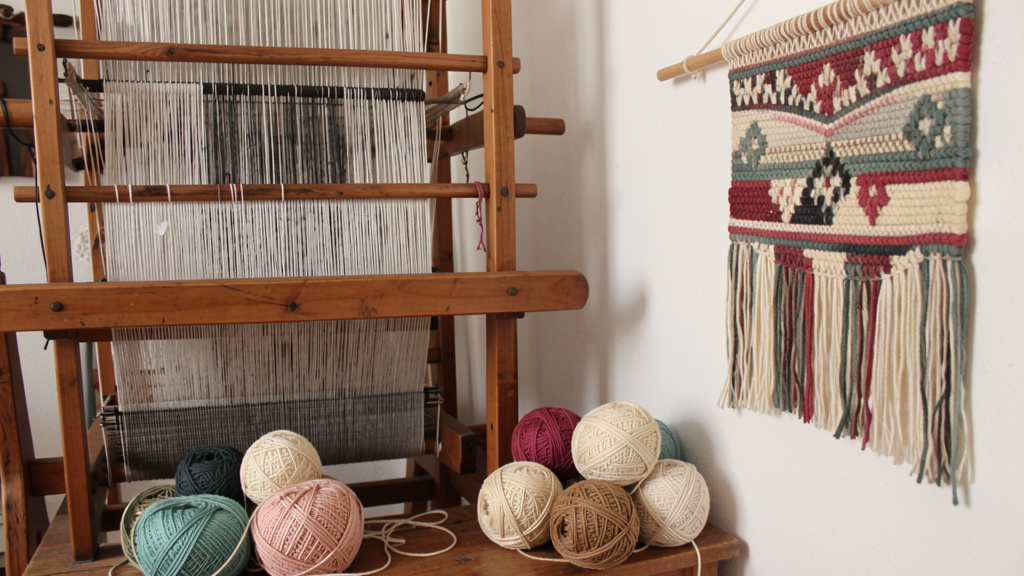
Transform Your Living Areas with Handmade Textiles—Thoughtfully, Step by Step
Imagine the quiet satisfaction of wrapping yourself in a blanket you created, or seeing morning light soften through curtains you gathered with care. Textile DIY invites you to infuse everyday objects with personal meaning—not through perfection, but through presence. This guide meets you exactly where you are: no prior experience required, no intimidating jargon, no pressure. We’ll walk alongside you through foundational mindset shifts, intuitive material choices, accessible tool guidance, and beginner-friendly projects designed to build confidence while creating items you’ll genuinely use. Your journey toward a more intentional, tactile home begins with a single stitch.
Introduction: Reconnecting Through Making
In a world of mass-produced decor and digital saturation, many are rediscovering the grounding rhythm of working with textiles. Across craft communities, design resources, and wellness discussions, a recurring theme emerges: the act of creating with fabric—whether stitching, braiding, or weaving—often fosters mindfulness, reduces daily stress, and deepens one’s connection to personal space. A hand-finished table runner may recall quiet Sunday afternoons; a thoughtfully chosen curtain fabric might echo a favorite landscape. These objects carry subtle narratives that ready-made items rarely convey.
Textile arts offer uniquely accessible entry points compared to other DIY domains. No workshop, heavy tools, or hazardous materials are needed—just a clear corner, comfortable seating, and modest supplies. Importantly, textile work embraces flexibility. Mistakes can often be gently undone, creatively adapted, or accepted as part of the object’s story. A slightly uneven seam adds character; an unexpected color blend becomes uniquely yours. This inherent grace makes textile creation especially welcoming for beginners navigating full schedules. The aim isn’t flawless execution—it’s engagement. It’s the calming repetition of needle and thread, the sensory pleasure of fabric in hand, the quiet pride of witnessing transformation. This guide honors that process. Each section builds incrementally, anticipates common hesitations, and celebrates small victories. Whether you have fifteen minutes or a few hours, whether your home is compact or expansive, these approaches adapt to your rhythm. Let’s begin by shifting perspective: seeing your home not as a finished display, but as a living space enriched by your gentle, intentional touch.
The Home Textile Framework: Mindset, Materials, Method
Jumping straight into projects without preparation can lead to frustration. The Triple-M Framework—Mindset, Materials, Method—creates a resilient foundation that turns uncertainty into curiosity. This isn’t a rigid checklist; it’s a flexible philosophy for sustainable, joyful making.
Mindset: Honoring the Beginner’s Journey
Your fresh perspective is an asset. Without fixed expectations, you’re free to explore what resonates with your space, style, and pace. Consider these guiding principles:
- Progress Over Perfection: That first slightly wobbly stitch? It’s evidence of courage, not failure. Consider photographing early projects alongside later ones—the visible growth is deeply encouraging. Handmade objects carry warmth through their subtle humanity; uniformity belongs to factories.
- Micro-Session Momentum: Long crafting marathons aren’t required. Fifteen focused minutes while waiting for dinner, twenty minutes before bed—these small pockets of time build consistent progress without overwhelm. Keep your current project in a dedicated container within reach. Reducing the effort to begin (“activation energy”) significantly supports continuity.
- Curiosity Over Critique: When an outcome differs from expectation, gently shift perspective. Instead of “I ruined this,” try “What does this teach me?” A torn seam reveals where reinforcement helps; a color combination that surprises you expands your visual vocabulary. Treat each result as information, not judgment.
The Fundamental Principle: Your hands learn through gentle repetition, not through pressure. Trust the unfolding process.
Materials: Choosing Fabric with Confidence
Fabric selection often feels daunting. Instead of memorizing fiber names, use this sensory-guided approach:
- Assess Drape (The Flow Test): Hold the fabric. Does it cascade softly (ideal for curtains)? Hold gentle structure (pillow covers)? Stand firmly crisp (table runners)? Drape informs function. Curtains benefit from fluid movement; high-use seating needs resilient body; placemats require stability.
- Consider Care Realistically: Ask: “Will I hand-wash this delicate piece regularly?” For kitchens, children’s spaces, or frequently used items, prioritize washability:
- Cotton (Quilting Weight): Breathable, softens with washing, stable for cutting. Excellent for pillow covers, table linens, lightweight curtains. Beginner Note: Widely available, affordable, and forgiving. Avoid slippery satins or stretchy knits initially.
- Linen or Linen Blends: Textured, gains softness over time, naturally breathable. Lovely for throws, runners, casual curtains. Note: Wrinkling is inherent to its character. Pre-wash to minimize future shrinkage. Blends offer accessibility.
- Canvas/Duck Cloth: Durable, holds shape well. Suitable for structured pillow covers, tote bags, low-traffic slipcovers. Advantage: Minimal shifting during cutting or sewing.
- Fleece or Minky: Edges don’t fray—ideal for no-sew projects. Perfect for blanket backs, cozy throws, or children’s items. Tip: Check care labels; some require cool washing.
- Identify the Grain (The Stability Check): Gently tug a fabric corner in two directions. One direction will feel taut with little give (the straight grain, parallel to the selvage—the tightly woven edge). The other will have slight stretch (the cross grain). Why it matters: Cutting pattern pieces along the straight grain helps finished items maintain their shape over time. For beginners: Use the selvage edge as a reliable guide when aligning cuts.
Measurement Clarity: Fabric is sold by linear yard (36 inches / 91.4 cm) or meter (approx. 39.4 inches). Width varies (common: 44″, 54″, 60″). When a project specifies “1 yard of 44″ wide fabric,” it means a piece 36″ long by 44″ wide. A soft fabric tape measure is essential for accurate home measurements.
Method: Building a Practical Toolkit
Start simply. Expand tools only as your projects evolve. Here’s a functional starter kit:
- Fabric Scissors (8–10 inch): Dedicate these solely to fabric. Dull or multipurpose scissors cause frayed edges and inaccurate cuts. Budget-Friendly: Quality shears like Fiskars RazorEdge™ offer precision without high cost. Store in a protective sleeve.
- Seam Ripper: A supportive tool, not a symbol of error. This small implement cleanly removes stitches. Experienced makers keep one nearby—it’s part of the process. Embrace it as a path to refinement.
- Glass-Head Pins or Wonder Clips™: Glass pins resist heat near irons; fine points glide smoothly. Magnetic pincushions aid organization. Alternative: Clover Wonder Clips™ securely hold thick layers (like canvas) without pricking and are ideal if pins cause concern.
- Measuring Tools: A flexible tape measure for curves and body dimensions; a clear acrylic ruler with grid lines for straight cuts. Optional Enhancement: A rotary cutter (used with a ruler and self-healing mat) enables precise, fatigue-reducing straight cuts. Practice first on scrap fabric.
- Hand-Sewing Supplies: “Sharps” needles (size 7 or 8) work well for general use. A needle threader simplifies threading. All-purpose polyester thread (e.g., Gutermann) offers strength and colorfastness for most beginner projects. Match thread to the darkest dominant fabric shade for subtlety.
- Iron and Pressing Cloth: Pressing—lifting the iron onto seams or folds—is foundational for polished results. It sets stitches, ensures accurate folding, and elevates the overall appearance. A thin cotton pressing cloth protects delicate fabrics from direct heat.
A Foundational Habit: Press before sewing and press after sewing. This single practice consistently enhances outcomes across all projects.
Project Launchpad: Five Foundational Textile Creations
These projects build skills sequentially while yielding functional, beautiful items for your home. Each includes rationale, clear steps, adaptation ideas, and integration tips. Proceed at your own pace—there is no rush.
Project 1: No-Sew Fleece Throw Blanket (Confidence Catalyst)
- Estimated Time: 45–75 minutes (adaptable across sessions)
- Materials: 2 yards of fleece or minky (same width, e.g., 58″), sharp fabric scissors, ruler, fabric marker or chalk, large flat surface.
- Why It Works: Requires no sewing. Fleece edges don’t fray, removing finishing anxiety. Offers immediate tactile reward and color exploration.
- Step-by-Step:
- Pre-Wash: Wash and tumble dry fabric on low. This pre-shrinks material and softens texture.
- Layer Precisely: Place fabrics right sides together (printed/patterned sides touching). Smooth thoroughly on a large surface (floor works well). Align all edges carefully.
- Mark Fringe Guides: Using ruler and marker, draw a 4-inch square at each corner. Do not cut yet. Along all edges, mark lines every 1 inch, extending 4 inches inward from the edge (stopping at corner squares).
- Cut Fringe: Cut along marked lines through both layers. Then cut out the 4-inch corner squares. You now have fringe strips on all sides.
- Tie Securely: Starting at one corner, take one strip from the top layer and the strip directly beneath it. Tie a double knot—firm enough to hold, loose enough to avoid puckering. Continue around all edges. Tip: Work opposite sides to maintain even tension. Many find this rhythmic process calming; soft music can enhance the experience.
- Final Touch: Gently shake the blanket. Lightly steam if desired (avoid high heat on minky). Admire your creation.
- Skill Focus: Measuring accuracy, layered fabric handling, fine motor coordination.
- Room Integration: Drape over a sofa arm, fold at the foot of a bed, or keep in a reading nook. Choose colors that complement your existing palette—a neutral base with one accent hue in the fringe adds subtle dimension.
- Troubleshooting: Fringe puckers: Loosen knots slightly. Uneven strips: Use the ruler consistently; measure twice before cutting.
- Adaptations:
Budget: Use remnant pieces from fabric stores.
Sustainable: Upcycle clean, undamaged wool blankets (felted first via hot wash/dry) with a fleece backing.
Personal Touch: Before tying, add tiny fabric-paint dots or initials to select fringe strips.
Project 2: Envelope-Back Pillow Cover (Seam Confidence Builder)
- Estimated Time: 1.5–2.5 hours (including pressing)
- Materials: 1 yard quilting cotton (for 18″x18″ insert), matching thread, sewing machine or hand-sewing needle, pins/clips, iron, ruler, fabric marker.
- Why It Works: Uses only straight seams. The overlapping envelope back is forgiving—no precise zipper or buttonhole needed. Creates an instantly cohesive home accent.
- Step-by-Step:
- Prepare Fabric: Wash, dry, and press thoroughly. This prevents future shrinkage and ensures crisp seams.
- Cut Pieces: On the wrong side of fabric:
• Front: One 19″x19″ square (allows ½” seam allowance).
• Back Panels: Two 19″x14″ rectangles (they overlap to form the envelope closure). - Finish Raw Edges: Machine: Zig-zag stitch along all raw edges. Hand-Sew: A simple whipstitch with contrasting thread adds decorative detail and prevents fraying.
- Hem the Flaps: On one long edge of each back panel, fold fabric over ½”, press. Fold again ½”, press. Pin. Stitch close to the inner fold. Repeat for the second panel.
- Assemble Layers: Place front panel right side up. Place first back panel right side down on top, aligning raw edges; the hemmed edge faces inward. Place second back panel right side down on top, overlapping the first hemmed edge by 3–4 inches. Pin securely around the entire perimeter.
- Sew Perimeter: Using a ½” seam allowance, sew around the square. Backstitch at start and end. Pivot carefully at corners: Stop with needle down, lift presser foot, rotate fabric, lower foot, continue.
- Trim Corners: Trim seam allowance to ¼” for reduced bulk. Clip diagonally into corners (avoiding stitches) to allow sharp points when turned.
- Turn and Press: Turn cover right side out through the envelope opening. Use a blunt tool (chopstick, knitting needle) to gently push out corners. Press thoroughly. Insert pillow form.
- Skill Focus: Seam allowance consistency, understanding right/wrong sides, spatial reasoning (flat to 3D), pressing technique.
- Room Integration: Swap covers seasonally—light linen blends for warmer months, deeper tones for cooler seasons. Mix solids with subtle textures. Arrange pillows in odd-number groupings (3 or 5) for visual balance. Place on beds, sofas, or chairs to create cohesion.
- Troubleshooting: Cover too tight: Measure your actual pillow insert; add 1″ total to dimensions for the front panel. Flap gaps: Increase overlap to 4–5 inches; ensure hems lie flat without bunching.
- Adaptations:
No Machine: Hand-sew seams with a backstitch for strength and control.
Texture Play: Use canvas for the front, soft cotton for the back flaps.
Collaborative: Invite children to decorate the front panel with fabric markers before assembly.
Project 3: Simple Gathered Curtain Panel (Mastering Fullness & Hardware)
- Estimated Time: 2.5–4 hours (adaptable)
- Materials: Fabric (calculate: [Window Width × 1.5] + 8″ for side hems + 12″ for top/bottom hems), optional lining fabric, thread, curtain rings with clips, measuring tape, iron.
- Why It Works: Focuses on controlled gathering—a foundational technique. Uses clip rings, eliminating complex rod pockets or header tapes. Delivers immediate visual impact.
- Step-by-Step:
- Measure Thoughtfully: Measure window width. For soft gathers, multiply by 1.5 (e.g., 36″ window = 54″ fabric width). Measure desired length from rod position to where curtain should fall. Add 8″ total for hems (4″ top, 4″ bottom). Example: For an 84″ long panel: Cut fabric 92″ long.
- Prepare Fabric: Wash, dry, press. If using lining, cut to finished curtain dimensions (no extra for hems).
- Sew Side Hems: Fold each long edge over ½”, press. Fold again ½”, press. Pin. Stitch close to the inner fold. Repeat for lining if used.
- Attach Lining (Optional): Place main fabric right side up. Place lining right side down on top, aligning side hems and bottom edge. Pin. Sew along bottom edge with ½” seam. Turn right side out, press bottom seam flat.
- Create Bottom Hem: Fold bottom edge up 1″, press. Fold up another 3″, press thoroughly. Pin. Stitch close to the top folded edge. This deep hem adds weight for graceful drape.
- Prepare Top Hem: Fold top edge down 1″, press. Fold down another 3″, press. Do not stitch yet. This forms the channel for clip rings.
- Gather the Top: Set machine to longest stitch (basting). Sew two parallel lines along the very top edge (within the 1″ fold), ¼” apart. Leave 4–5″ thread tails. Do not backstitch. Gently pull the bobbin threads to gather fabric. Slide fabric along threads until gathered width matches your window measurement. Distribute gathers evenly. Knot thread tails securely. Hand-Sew Option: Use a loose running stitch along the top edge, then pull to gather.
- Secure Header: With gathers pinned evenly, stitch along the bottom edge of the folded header (approx. 3″ down from top) to lock gathers. Remove basting stitches.
- Attach Rings: Clip rings evenly along the top folded edge (inside the header fold). Hang on rod.
- Skill Focus: Functional measuring, controlled gathering, understanding fabric weight and drape, hardware integration.
- Room Integration: Mount rod 4–6 inches above window frame and extend 6–8 inches beyond frame on each side to enhance perceived window size. Floor-length panels add elegance; sill-length feels casual. Choose light-filtering linen for bedrooms; add blackout lining (during construction) for media rooms or light-sensitive spaces. Gathered tops create soft movement and shadow play.
- Troubleshooting: Uneven gathers: Use two basting lines for control; gather slowly while distributing fabric with fingers. Sagging center: Add an extra clip ring at the midpoint. Ensure rod is securely mounted, especially for heavier fabrics.
- Adaptations:
No-Sew Shortcut: Use iron-on hem tape for hems. Modify a ready-made panel (e.g., from IKEA) by removing its header and adding your own gathered top with clip rings.
Pattern Focus: Center the most compelling part of a large-scale print on the panel.
Sustainable: Repurpose vintage bedsheets or tablecloths (inspect for stains or weak areas first).
Project 4: Braided Rag Rug (Texture & Upcycling Practice)
- Estimated Time: 3–6 hours (easily split across sessions)
- Materials: Old cotton t-shirts, towels, or sheets (100% cotton preferred), sharp scissors, non-slip rug pad (cut to size), large-eye yarn needle (optional).
- Why It Works: Utilizes materials you may already have. Teaches color blending, 3D construction, and rhythmic handwork. Creates a functional, textured accent.
- Step-by-Step:
- Prepare Strips: Cut fabric into continuous 1.5–2 inch wide strips. T-shirt method: Remove hem and sleeves; cut horizontally in a continuous spiral. Sheet/towel method: Cut rectangles, then join strips: overlap ends 1″, secure with wide zig-zag stitch or hand whipstitch. Aim for 2–3 harmonious color families (e.g., cream, oat, soft grey).
- Begin the Braid: Knot three strips (one from each color) together. Start a standard 3-strand braid. Braid 6–8 inches tightly. Tip: Secure the knotted end underfoot or with a clip to maintain tension.
- Coil and Stitch: Coil the braid tightly into a flat spiral from the center. Use the yarn needle threaded with a long strip to whipstitch coils together—passing through the side of the current coil and the previous one, pulling snugly. Stitch every 1–2 inches. Alternative: Use strong thread and a regular needle; knot securely every few stitches.
- Add Strips Seamlessly: When a strip ends, overlap its tip with a new strip of the same color family by 2 inches. Continue braiding over the overlap. Trim excess later. Maintain consistent braid tension.
- Shape Gradually: Continue coiling and stitching. For a round rug, keep coils tight and even. For an oval, gently elongate coils on two sides. Periodically lay flat to check shape. Stop at your desired size (e.g., 24″ diameter).
- Finish Securely: Braid the final few inches tightly. Tuck the end down into the last coil. Stitch it down thoroughly from multiple angles. Trim loose threads. Place on non-slip pad.
- Skill Focus: Material repurposing, intuitive color blending, hand-stitching endurance, structural awareness.
- Room Integration: Place beside a bed, in a bathroom (use quick-dry towel fabric), or under a reading chair. The textured surface adds warmth against hard floors. Select colors pulled from your room’s palette to create visual harmony. The handmade quality invites touch.
- Troubleshooting: Rug curls: Ensure stitches between coils are snug but not tight enough to pucker; maintain even braid tension. Colors clash: Limit to 2–3 related hues; avoid mixing too many brights unless intentional. Braid loosens: Knot strip joins securely within the braid structure; stitch the very end meticulously.
- Adaptations:
Chunky Texture: Use strips from felted wool sweaters (wash hot/dry hot first) for a thicker rug.
Geometric Shape: Create a rectangular mat by braiding long strips and coiling in straight lines, stitching sides together.
Embellishment: After completion, add simple embroidered motifs (stars, leaves) with contrasting yarn.
Project 5: Lined Table Runner (Precision & Polish)
- Estimated Time: 1.5–2.5 hours
- Materials: ½ yard main fabric (quilting cotton, linen), ½ yard lining fabric (muslin or lighter cotton), thread, ruler, fabric marker, iron.
- Why It Works: Combines skills from previous projects (seam allowances, pressing, lining). Small scale minimizes material risk. Creates an elegant, gift-worthy item. Teaches the “turning” technique for clean, professional edges.
- Step-by-Step:
- Cut Precisely: Main Fabric: Cut to desired finished size + 1″ total (e.g., for 14″x72″ runner: cut 15″x73″). Lining Fabric: Cut to exact finished size (14″x72″). Why smaller? Ensures lining stays neatly enclosed.
- Finish Edges: Zig-zag stitch raw edges of main fabric piece. Lining edges can remain raw (they’ll be enclosed).
- Pin Layers: Place main fabric right side down. Place lining right side up on top. Align edges carefully. Pin around all sides, leaving a 4-inch gap on one long side for turning.
- Sew Carefully: Sew around all sides with a scant ½” seam allowance (just under ½”). Pivot precisely at corners. Backstitch at the gap’s start/end. Critical: Clip corners diagonally (close to stitches) to reduce bulk and enable sharp points.
- Turn and Press: Turn runner right side out through the gap. Use a blunt tool to gently push out corners. Press meticulously: Fold the gap edges inward to match the seam, then press the entire runner until seams are flat and corners crisp.
- Topstitch: Topstitch around the entire perimeter, ⅛” from the edge. This closes the gap and adds a tailored finish. Go slowly; this stitch is visible.
- Skill Focus: Precision cutting, managing layered fabrics, clipping corners, professional pressing, controlled topstitching.
- Room Integration: Elevates dining tables, consoles, or coffee tables. Use seasonal fabrics: botanical prints for spring, earthy textures for autumn, subtle metallics for celebrations. Layer over a neutral tablecloth or directly on wood. Pair with matching napkins later. The lining prevents slipping and adds body.
- Troubleshooting: Lining peeks: Ensure lining is cut ½” smaller on all sides than the main fabric piece before sewing. Bulky corners: Clip closer to the stitch line (without cutting threads); press thoroughly after turning. Wobbly topstitching: Practice on scrap fabric first; use an edge-stitching foot if available; sew slowly.
- Adaptations:
Mitered Corners (Next Step): Research “mitered corner” techniques for an ultra-clean finish on future projects.
Embellished Edge: Before topstitching, tuck lace trim or pom-pom fringe between layers along one or both long edges.
Personalized: Add a small embroidered initial or date to the runner before assembly.
Beyond the Basics: Adapting Textiles to Your Living Spaces
Your growing skills can thoughtfully enhance each room’s unique purpose. This section connects projects to spatial needs, seasonal shifts, and personal constraints—transforming isolated creations into a cohesive home narrative.
The Living Room: Layers of Comfort and Connection
This space invites relaxation and gathering. Textiles here should feel welcoming, absorb ambient sound, and reflect your evolving style without demanding perfection.
- Pillow Strategy: Build a versatile collection using the envelope cover method. Create 3–5 covers in varying sizes (18″, 20″, lumbar 12″x20″). Mix solids, subtle textures (like linen), and one small-scale print. Arrange in odd-number groupings for visual ease. Styling Insight: Place deeper-toned pillows toward the back, lighter ones forward. Tuck a smaller lumbar pillow in front of larger squares for depth.
- Throw Integration: Your fleece blanket is perfect here. Drape it diagonally over the sofa arm for an inviting look. For variety, later explore chunky arm-knits or quilted throws. Store throws in a woven basket nearby—accessibility encourages use and adds texture.
- Window Treatment Nuance: Balance light and privacy. For south-facing windows (strong sun), incorporate blackout lining during curtain construction. For softer ambiance, layer sheers on an inner rod with your gathered panels on an outer rod—open sheers by day, close panels for evening. Seasonal Note: Lighter linens feel airy in warmer months; medium-weight cottons offer coziness as temperatures drop.
- Unexpected Accent: Create a simple fabric wall hanging. Stretch an interesting textile (a vintage textile fragment, bold ikat) over a wooden embroidery hoop (12″–16″). Secure fabric to the inner hoop with hand stitches or discreet glue. Hang with ribbon. Instant art with tactile warmth.
The Bedroom: Cultivating Restful Sanctuary
Prioritize textiles that signal calm to the senses. Focus on natural fibers where possible, soothing palettes, and textures that invite rest.
- Bedding Accents: Start small. Make matching shams for Euro pillows using the envelope method (scale to 26″x26″). Create a simple bed scarf: Cut fabric 18″x70″, finish edges with a narrow hem. Drape at the foot of the bed over your duvet—a touch of luxury that also protects bedding.
- Curtain Considerations: Floor-length curtains that just kiss the floor (add 1–2″ to length measurement) create a cocooning effect. Choose medium-weight fabrics like linen-cotton blends for gentle light filtering. Extend the rod well beyond the window frame so open curtains don’t block light. Climate Note: In humid regions, ensure fabrics are breathable to minimize moisture retention.
- Underfoot Warmth: Place your braided rug on each side of the bed. The texture under bare feet upon waking is a gentle daily ritual. For a quicker option, make no-sew floor cushions: Cut two 24″ canvas circles, sew right sides together leaving a gap, turn, stuff firmly with polyfill, hand-stitch closed. Top with a removable cover.
- Scented Detail: Tuck a small sachet inside your pillowcase. Make it: Cut two 4″ cotton squares, sew right sides together leaving a 2″ gap, turn, fill with dried lavender or cedar chips, hand-stitch closed. A subtle, natural cue for relaxation.
The Kitchen & Dining Area: Durable Warmth
Kitchens demand textiles that withstand spills, frequent washing, and proximity to heat. Prioritize function without sacrificing charm.
- Apron Adaptation: Modify the pillow cover pattern. Cut one body rectangle (approx. 24″x30″), two long tie strips (3″x30″ each), and a neck strap (3″x15″). Sew ties to bottom corners, neck strap to top corners. Finish all edges. Use sturdy canvas or wipe-clean oilcloth. Decorate with fabric paint: herb motifs, geometric patterns, or a simple “Gather Here.”
- Smart Table Linens: Your lined table runner shines here. Make matching napkins: Cut eight 18″x18″ squares. Finish edges with a narrow hem. For speed, use pinking shears on cotton—they minimize fraying. Store rolled in a ceramic holder. Sustainable Practice: Keep a basket of homemade unbleached cotton squares (from old sheets) for wiping spills—reducing paper towel use.
- Next Skill: Oven Mitts: Once comfortable with layered sewing, try this. Requires heat-resistant batting (Insul-Bright™) sandwiched between fabric layers. Trace an existing mitt, add seam allowance. Sew right sides together, leave wrist opening, turn, topstitch. Critical: Test heat resistance cautiously on low-heat items first. Never use near open flame.
- Organized Spaces: Sew simple fabric bins for pantry or drawers. Cut rectangles, fold up sides, box corners (search “box corner tutorial”), stitch. Add fusible interfacing for structure. Label with fabric paint.
The Bathroom: Calm and Practical Touches
Humidity requires thoughtful material choices. Focus on quick-drying fabrics and moisture-resistant solutions.
- Custom Shower Curtain: Buy a plain white fabric curtain (polyester/cotton blend). Customize with fabric paint or iron-on transfers (stripes, organic shapes). Essential Step: After decorating, treat the entire curtain with a fabric waterproofing spray (follow product instructions). Hang over a standard plastic liner. Achieves personal style with mildew resistance.
- Towel Personalization: Embroider plain white towels. Use water-soluble stabilizer behind the area. Stitch simple motifs (a leaf, wave) with embroidery floss. Rinse away stabilizer. Beginner Stitch: Backstitch for outlines. Start on a hand towel before larger pieces.
- Bath Mat Solutions: Avoid thick rugs that trap moisture. Option 1: Sew two layers of terry cloth towel fabric, turn, topstitch, then glue non-slip dots to the bottom. Option 2: Braid strips of old towels (Project 4 method) for a quick-dry textured mat.
- Storage Helper: Sew a hanging organizer for the door. Use canvas. Create pockets of varying heights. Attach with sturdy ribbon ties. Holds hair tools or skincare. Line pockets with wipeable vinyl for easy cleaning.
Navigating Common Challenges: Gentle Solutions for Real Moments
Every maker encounters hurdles. Anticipating them reduces frustration. These strategies address frequent beginner experiences with practical, adaptable solutions.
“My Fabric Shifts While Cutting or Sewing!”
- Understanding the Cause: Slippery fabrics (satin), stretchy knits, or lightweight cottons can move, leading to uneven cuts or seams.
- Adaptable Solutions:
- Prep First: Always wash and press fabric. For lightweight cottons, a light spray starch adds temporary stability—test on a scrap first.
- Cutting Stability: Use a self-healing mat. Anchor fabric to the mat with pins perpendicular to your cutting line (remove pins just before cutting that section). For slippery fabrics, place tissue paper between layers while cutting—it tears away easily after.
- Sewing Stability: Place pins parallel to the seam line. Better yet: Wonder Clips™ hold layers firmly without distortion. For very slippery fabrics, baste layers together by hand with long running stitches before machine sewing.
- Machine Support: If your machine allows, slightly lower presser foot pressure. A walking foot attachment (feeds top and bottom layers evenly) is invaluable for knits or slippery fabrics. Budget Option: Place tissue paper under the fabric while sewing; tear away afterward.
“My Seams Look Wavy or Puckered!”
- Understanding the Cause: Often due to pulling fabric, tension imbalance, or needle issues—not user error.
- Adaptable Solutions:
- Gentle Guidance: Let the machine’s feed dogs move the fabric. Rest hands lightly on either side of the presser foot to guide, not push or pull.
- Tension Check: Puckering can indicate tight top tension. Test adjustments on a scrap sandwich of your project fabrics. Lower the top tension dial slightly. Always test on scrap first.
- Needle Care: A dull or incorrect needle causes drag. Use a sharp, new needle suited to your fabric: Universal 80/12 for cotton; Microtex 70/10 for fine fabrics; Ballpoint 75/11 for knits. Replace needles periodically.
- Stitch Length: Adjust slightly: shorter (2.0–2.5mm) for lightweight fabrics; longer (2.5–3.0mm) for heavier ones. Basting uses the longest setting (4.0–5.0mm).
- Pressing First: If puckering occurs, press the seam flat with steam before considering unpicking. Often, pressing alone relaxes the fabric significantly.
“Pattern Instructions Feel Overwhelming!”
- Understanding the Cause: Commercial patterns assume knowledge and include multiple options that can confuse beginners.
- Adaptable Solutions:
- Build Foundation First: Master the pattern-free projects in this guide. Understanding how flat pieces form 3D objects builds spatial confidence.
- Read Fully First: Before cutting fabric, read all instructions start to finish. Highlight steps for your chosen view (e.g., “View A”). Ignore other views.
- Trace Key Pieces: Trace only needed pattern pieces onto tracing paper or lightweight interfacing. Label clearly (Front, Pocket). Preserves the original pattern and simplifies handling.
- Marking Simply: Transfer dots or notches with tailor’s chalk. For notches (triangles on edge), clip outward ¼” into the seam allowance—visible when matching pieces. Never clip beyond the marked line.
- Visual Support: Search “[Pattern Name] sew-along” on video platforms. Seeing steps demonstrated builds clarity.
“Thread Keeps Tangling or Breaking!”
- Understanding the Cause: Usually threading errors, thread quality, or minor machine maintenance needs.
- Adaptable Solutions:
- Re-Thread Mindfully: Most issues resolve by re-threading with the presser foot raised (opens tension discs fully). Follow your machine’s diagram carefully. Ensure thread sits in the take-up lever.
- Bobbin Check: Insert bobbin correctly (direction matters—check manual). Clean lint from the bobbin case. Thread the tension spring properly; you should feel slight resistance when pulling thread.
- Thread Quality: Choose reputable all-purpose polyester thread (Gutermann, Mettler). Store thread away from direct sunlight. Avoid very cheap thread—it frays and sheds lint.
- Basic Maintenance: Clean lint from the bobbin area after each project. Consult your manual regarding oiling (many modern machines are sealed). Consider annual professional servicing with frequent use.
- Hand-Sew Alternative: For short seams or quick fixes, hand sewing with a backstitch is often efficient. It’s a valid, respected technique—not a compromise.
Your Questions, Answered
Q: Do I need a sewing machine to begin?
A: Not at all. Projects 1 (Fleece Blanket) and 4 (Braided Rug) require no machine. Projects 2, 3, and 5 can be completed entirely by hand using a backstitch for seams and a whipstitch for edges. Hand sewing builds exceptional control and offers a meditative pace. Start this way if a machine feels daunting—you’ll gain confidence steadily. When ready, explore borrowing, renting, or purchasing a certified refurbished machine from a trusted source.
Q: How do I choose thread color for multi-colored fabric?
A: Match thread to the darkest dominant color in the fabric. Dark thread on light fabric is less noticeable than light thread on dark fabric. For complex prints without a clear dark tone, try a neutral like charcoal grey, medium taupe, or olive green—they often blend surprisingly well. Test-stitch candidate threads on a fabric scrap; hold it at arm’s length. Does the stitch recede? That’s your match.
Q: What single habit most improves results?
A: Consistent pressing. Not sliding the iron (ironing), but pressing: lifting the iron, placing it on a seam or fold, holding briefly, lifting, moving. Press seams flat before pressing them open. Press every seam immediately after sewing. Press hems before stitching. This practice alone elevates the appearance and professionalism of every project. Keep your iron filled with distilled water and set to the fabric-appropriate temperature (check the selvage for symbols).
Q: Can I use old clothes or household linens?
A: Yes—and it’s encouraged for sustainability and economy. Inspect carefully: check for stains, thinning (especially under arms or collars), and weak seams. Pre-wash everything in warm water to sanitize and pre-shrink. Cotton t-shirts, button-down shirts, and flat bedsheets work well for pillow covers or runners. Towels and sweatshirts suit rugs or blankets. Avoid fabrics with significant spandex (unpredictable stretch) or heavy embellishments for early projects.
Q: How do I minimize fraying on raw edges?
A: For machine sewing: Zig-zag stitch (width 2.0, length 2.5) along raw edges before cutting pattern pieces. For hand sewing or no-sew projects: Apply clear nail polish sparingly to the very edge (test on scrap first—may stiffen some fabrics). Pinking shears create a serrated edge that frays less than straight cuts. Remember: Fleece, minky, and felt require no edge finishing.
Q: My project feels “off,” but I can’t pinpoint why. What now?
A: Step back and assess calmly:
1. Press it thoroughly. Wrinkles or unpressed seams are common culprits.
2. Check alignment: Are seams matched? Are hems even? Measure with your ruler.
3. Consider scale: Is the print too large or small for the item? (e.g., giant florals on a small pillow).
4. View in context: Does the color work in your room’s lighting? Check at different times of day.
5. Pause: Set it aside for 24 hours. Fresh eyes often reveal simple solutions. Remember: Fabric is forgiving. Unpicking, recutting, or repurposing is part of the process—not failure.
Q: Is textile DIY more economical than buying ready-made?
A: Initial tool and fabric costs mean it may not be cheaper upfront. Long-term value grows through: using remnants, sales, or upcycled materials; replacing worn items (like pillow covers) affordably; creating custom sizes/colors unavailable commercially; and the non-monetary returns—skill development, stress reduction, unique home expression, and reduced waste. Frame it as investing in a meaningful practice and a personalized living environment.
Q: How should I store fabric scraps?
A: Organize to avoid overwhelm:
Large Pieces (>½ yard): Fold neatly, label with fiber type and width on a tag, store on a shelf or in clear bins.
Medium Scraps: Use magazine holders sorted by color family.
Small Scraps: Clear zip-top bags sorted by color. Save for stuffing, small projects, or future rug braiding.
Helpful Habit: Trim off selvage edges after purchasing—they can shrink differently and cause puckering. Store fabric rolled if possible to minimize creases.
Q: How can I safely include young children?
A: Focus on no-sew, sensory activities with close supervision:
Tearing Fabric: Pre-cut strips of burlap; let them tear into smaller pieces for collage.
Lacing Cards: Cut cardboard shapes, punch holes around the edge, provide yarn and plastic needles.
Fabric Collage: Offer fabric scraps, safety scissors, glue sticks, and sturdy paper.
Pom-Pom Making: Use cardboard templates and yarn (adult handles cutting).
Always:* Use child-safe scissors, supervise closely around any tools, and celebrate their unique creations without correction.
Q: How do I care for handmade textile items?
A: Care depends on materials used:
Cotton/Linen: Wash cold on gentle cycle, tumble dry low or air dry. Remove promptly to reduce wrinkles. Iron while slightly damp if desired.
Fleece/Minky: Wash cold, tumble dry low. Avoid high heat and fabric softener (coats fibers).
Embellished Items: Turn inside out before washing. Use a mesh laundry bag for protection.
Rugs/Mats: Shake out regularly. Spot clean. Hand wash braided rugs gently if needed; air dry flat.
When Unsure:* Hand wash cold and air dry. Check the care symbol on your original fabric selvage before starting a project.
Q: How do I move beyond beginner projects?
A: Progress intentionally:
1. Deepen One Skill: Master straight seams thoroughly before adding curves or zippers. Depth builds confidence faster than breadth.
2. Deconstruct Thoughtfully: Carefully unpick seams on an old pillow cover or tote bag. Observe the construction—this is free pattern analysis.
3. Connect with Community: Join a local sewing group or online forum (e.g., r/sewing on Reddit). Share work, ask specific questions (“How would you finish this edge?”).
4. Set Micro-Challenges: “This month, I’ll practice topstitching on three items.” Or “I’ll make two items using only fabrics I already own.”
5. Share Knowledge: Explaining the envelope pillow method to a friend reinforces your own understanding and reveals new insights.
Q: What safety practices are essential?
A: Prioritize these consistently:
Cutting: Always cut away from your body. Store sharp tools in a dedicated container when not in use. Use a thimble for hand sewing.
Ironing: Place on a stable surface. Never leave unattended while hot. Use an iron rest. Keep cord clear of the hot plate.
Sewing Machine: Keep fingers clear of the needle area. Use the handwheel to position fabric precisely. Unplug when changing needles or cleaning.
Chemicals (dyes, sprays): Work in a ventilated area. Wear gloves. Follow manufacturer instructions. Store safely away from children and pets.
Fire Awareness:* Never leave hot tools unattended. Keep textiles away from open flames, candles, or stove elements. Note: Homemade textiles are not inherently fire-retardant—exercise caution near heat sources.
Conclusion and Your Next Step
You now carry more than project instructions. You hold a adaptable framework for mindful creation, practical strategies for navigating challenges, and the quiet confidence that your hands can shape beauty and function. Remember the core pillars: Mindset (progress over perfection), Materials (choose with awareness), and Method (press with intention). These principles extend beyond textiles—they offer a compassionate approach to learning any new skill.
Three foundational shifts to carry forward:
1. Honor Micro-Moments: Fifteen minutes of focused making holds more value than waiting for an elusive “perfect block of time.” Keep your project visible and accessible.
2. Reframe the Learning Curve: Every adjusted seam, every re-cut piece, is valuable information—not failure. It’s your unique path to competence. Acknowledge the effort.
3. Weave Intention into Action: Before starting a new piece, pause and ask: “How will this object serve my space and my well-being?” This transforms making from a task into a meaningful ritual.
The 24-Hour Invitation: A Gentle Next Step
No grand gestures needed. Within the next day, complete this small, kind action:
* Gather gently: Retrieve your fabric scissors, a pin or clip, a thread spool, and a scrap of cotton fabric (an old t-shirt works perfectly).
* Practice with compassion: On the scrap, sew a straight line of stitches (by machine or hand). Then, use your seam ripper to remove them calmly. Repeat twice.
* Why this matters: This simple act dissolves the inertia of beginning. It reconnects your hands to the tools without pressure. It reaffirms that adjustment is part of the process. You shift from “thinking about making” to being a maker.
The Evolving Picture: Your Home, Enriched
Picture your space months from now. A shelf holds books beside a small woven coaster you created. Your sofa is layered with pillows in fabrics you selected and shaped. Sunlight filters through curtains you gathered with care. These objects are more than decoration. They are quiet witnesses to your patience, your curiosity, your willingness to create. They carry a story no catalog item can replicate. In a culture of disposability, your handmade textiles become anchors of presence—a tangible reminder that you are capable of nurturing beauty, one thoughtful stitch at a time. You are not merely adorning a room; you are cultivating a sanctuary woven with your attention and care. The thread awaits your hands. Begin gently.
Explore Our Complete System:
Sewing Machine Essentials: Setup, Stitches & Gentle Troubleshooting | No-Sew Textile Creations: 15 Accessible Projects | Fabric Guide: Understanding Fibers, Weaves & Care | The Maker’s Reflection Journal: Documenting Projects & Growth | Upcycled Textiles: Breathing New Life into Pre-Loved Fabrics | Pillow Construction Deep Dive: Zippers, Welt Cords & Beyond | Seasonal Textile Transitions: Refreshing Your Home Mindfully