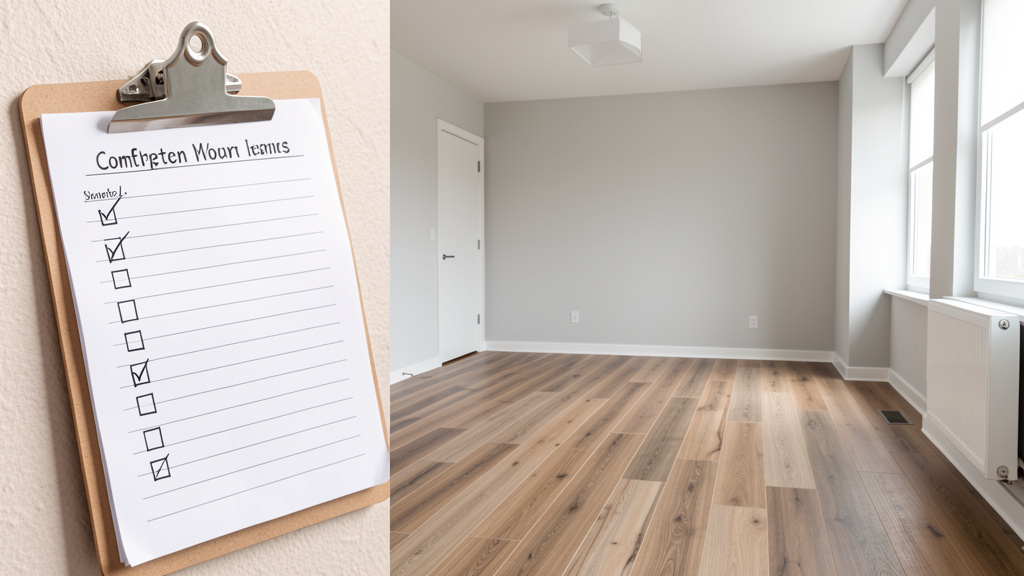
Stop signing off on projects with crossed fingers. Transform your final walkthrough into a strategic victory with this battle-tested framework that protects your investment, preserves relationships, and delivers true peace of mind.
The final inspection represents far more than a contractual formality—it’s the critical juncture where vision meets reality, where months of planning crystallize into tangible results, and where overlooked details can either become costly regrets or celebrated triumphs. This comprehensive guide dismantles the anxiety surrounding project sign-off by providing a systematic, layer-by-layer methodology aligned with established industry practices. Whether you’re a homeowner overseeing a kitchen remodel, a property manager accepting tenant improvements, or a DIY enthusiast completing a backyard studio, this framework empowers you to conduct a thorough, confident, and diplomatically sound final walkthrough that leaves nothing to chance. Guidance presented here reflects widely recognized protocols from organizations such as the National Association of Home Builders (NAHB), the Construction Specifications Institute (CSI), and the Royal Institution of Chartered Surveyors (RICS), adapted for practical application across diverse project contexts.
Introduction: Why the Final Inspection Is Your Most Important Project Milestone
Many approach the final inspection as a quick checkbox exercise—a hurried walk-through with a pen and clipboard, hoping everything looks “good enough” to move forward. This mindset transforms what should be your strongest position of leverage into a vulnerability. Industry standards consistently emphasize that a structured, multi-dimensional final inspection is essential for ethical project closure. It serves three irreplaceable functions: validating contractual compliance, documenting the asset’s condition at handover (creating a legal baseline), and affirming mutual satisfaction between all parties. Skipping depth here doesn’t save time; it merely defers problems into the future when resolution becomes more difficult, expensive, and emotionally charged. Consider a scenario where a bathroom renovation is hastily approved, only for a poorly secured vanity cabinet to cause hidden water damage weeks later. Or a commercial tenant accepting office build-out without verifying HVAC zoning, resulting in persistent comfort complaints. These illustrate predictable outcomes of an incomplete inspection process. This guide reframes the final inspection not as an adversarial audit, but as a collaborative quality assurance ritual—a shared commitment to excellence that honors the effort invested by everyone involved. By adopting the systematic approach outlined here, you shift from passive observer to empowered steward of your project’s legacy.
The Triple-Layer Inspection Framework: Seeing What Others Miss
Professionals rely on structured methodologies during final inspections to ensure comprehensiveness while reducing oversight risk. Industry analysis of project handover protocols across residential, commercial, and renovation contexts reveals a consistent pattern: truly thorough inspections operate across three distinct, interlocking layers. Surface observations identify visible items. Systems functionality verification confirms performance under realistic conditions. Documentation and compliance review secures long-term value and legal protection. Neglecting any layer creates potential gaps. This framework transforms an overwhelming task into a manageable, repeatable sequence. Begin with Layer 1 to build momentum and document visible items. Progress to Layer 2 to verify performance. Conclude with Layer 3 to secure administrative closure. Attempting these out of sequence (e.g., testing electrical systems before noting surface damage) may disrupt workflow and obscure contextual clues. The framework’s strength lies in its adaptability: scale it for a simple deck refresh or expand it for a full-home addition. Each layer contains built-in validation points that prevent premature sign-off. Most importantly, this structure provides objective criteria for discussion, depersonalizing feedback and keeping conversations focused on solutions rather than blame.
Layer 1: The Surface Scan – Aesthetics, Finishes, and Immediate Observations
This layer addresses everything visible under normal lighting conditions. “Surface” does not mean “superficial.” Hairline cracks in tile grout, inconsistent paint sheen, or misaligned cabinet doors often signal underlying installation nuances that may worsen over time. Approach this layer deliberately. Rushing increases the likelihood of missed details. Begin preparations 24 hours prior: request all work cease, tools be removed, and the space be cleaned to “broom-swept” condition. A cluttered site obscures defects. Schedule the inspection for mid-morning on a clear day when natural light enters windows—this reveals shadows, texture variations, and color mismatches artificial lighting may conceal. Equip yourself with three essential tools: a high-lumen LED flashlight (for grazing light technique), a smartphone with macro capability (for close-up documentation), and a dedicated notebook or digital checklist app (avoid sticky notes—they get lost).
Why this layer is crucial: Surface observations form the foundation of mutual understanding. Items documented before sign-off establish clear responsibility. A scratch on newly installed flooring discovered after furniture is moved becomes ambiguous. Documented during inspection, it becomes a straightforward resolution item.
How to execute the Surface Scan methodically:
1. Zone the space: Divide the area into logical sections (e.g., “North Wall,” “Kitchen Island Zone,” “Master Bathroom Wet Area”). Inspect one zone completely before moving to the next. This prevents mental fatigue and ensures coverage.
2. Employ the grazing light technique: Hold your flashlight parallel to surfaces (floors, walls, countertops) rather than shining directly down. Low-angle light accentuates imperfections—waviness in drywall, uneven tile transitions, subtle dents in millwork. Move the light slowly across every plane.
3. Follow the “touch protocol”: Gently run your fingertips over surfaces. Paint may look smooth but feel gritty (indicating sanding between coats may have been insufficient). Tile edges might catch your nail (suggesting grout finishing requires attention). Cabinet doors may feel resistant when opening (revealing alignment considerations).
4. Document immediately and precisely: Avoid vague notes like “scratch on floor.” Instead: “3-inch linear mark on pre-finished oak plank, 2 ft left of refrigerator threshold, visible under grazing light.” Take multiple photos: one wide shot showing location context, one close-up of the detail, and one with a ruler or coin for scale. Ensure timestamps are enabled on your device.
Common mistakes to avoid:
* Inspecting under poor lighting: Evening inspections under warm LED bulbs may hide color variations in paint or grout. Prioritize daylight when possible.
* Focusing only on “feature” areas: Contractors naturally showcase focal points. Diligently inspect less visible zones: inside cabinet interiors, behind toilet tanks, under sink bases, closet corners, and ceiling edges near fixtures.
* Accepting verbal assurances: All observations must be documented during the inspection. If paint is missed behind a baseboard, note it. If a trim section shows a visible seam, note it.
* Overlooking transitions: Where two materials meet is a high-attention zone. Check where tile meets hardwood, drywall meets window casing, or countertop meets backsplash. Gaps, uneven joints, or mismatched sealant are common areas requiring verification.
Illustrative example: During a kitchen inspection, grazing light along the seam between countertop and backsplash revealed a subtle gap filled only with clear sealant—not the specified color-matched product. Under direct light, it was nearly invisible; at a low angle, it was evident. Precise documentation (“Gap at seam between countertop and subway tile backsplash, sink wall, 6 inches left of faucet”) enabled prompt resolution and prevented potential moisture concerns later.
Adapting for resource constraints: No dedicated flashlight? Use your smartphone’s brightest setting. No macro lens? Zoom carefully while stabilizing your elbow. A printed ruler provides scale. Consistency matters more than specialized equipment. Even simple tools, used methodically, yield valuable documentation.
Protocol for incomplete conditions: If you arrive and the space remains cluttered with tools, materials, or debris, politely state: “Per our agreement, I can only conduct the final inspection once the site is clean and clear of all construction activity. Let’s reschedule for [specific time tomorrow] when conditions allow a thorough review.” This maintains professional boundaries. Proceeding in disarray increases oversight risk and future complications.
Layer 2: The Systems Deep Dive – Functionality Under Real-World Conditions
Layer 1 confirms appearance. Layer 2 verifies performance—especially under conditions mimicking actual use. A faucet that drips only when the dishwasher runs simultaneously, an outlet that trips under load, or a door that sticks in humidity: these latent considerations evade casual testing. This layer requires active engagement. Allocate significant time—often a substantial portion of your total inspection window. Coordinate with relevant tradespeople; their presence allows immediate discussion and demonstrates collaborative problem-solving. However, you guide the testing sequence. Systems must function correctly at the moment of inspection.
Why this layer is crucial: Surface observations address aesthetics; system verification addresses usability, safety, and longevity. Documenting functional checks creates a clear record. If an HVAC issue arises post-handover, your signed checklist showing “All zones tested on [date]” provides important context. This layer also confirms that integrated systems operate harmoniously—a critical factor in modern projects.
How to execute the Systems Deep Dive comprehensively:
-
Plumbing System Verification:
- Simultaneous Flow Test: Turn on all faucets (kitchen, bathrooms, utility sink), flush all toilets, and run the shower(s) concurrently for 60–90 seconds. Listen for unusual pipe noises, observe flow consistency, and check for moisture under sinks, at supply lines, and around toilet bases. This simulates peak household demand.
- Drain Verification: After the flow test, observe drainage speed. Slow clearance may indicate slope or blockage considerations. Plug sinks/tubs, fill partially, then release—water should evacuate without gurgling (which may suggest venting factors).
- Fixture-Specific Checks: Under sinks, feel supply lines and traps for moisture. Verify shut-off valves operate smoothly. Test anti-scald features on showers (temperature should stabilize promptly). Confirm garbage disposal operates with cold water running. Verify dishwasher drain hose has a high-loop configuration.
-
Electrical System Validation:
- Outlet & Switch Verification: Use a plug-in outlet tester on every receptacle. Note any indications requiring attention. Test GFCI outlets (in kitchens, baths, garages, outdoors) by pressing “TEST” then “RESET”—all should respond immediately. Verify AFCI protection where required per local code.
- Load Consideration: Plug a standard appliance (like a hairdryer) into outlets on the same circuit. Turn on multiple lights on that circuit. Observe for any unexpected behavior. This helps identify circuit considerations.
- Smart Home & Low-Voltage Systems: Test programmed scenes. Verify thermostat controls HVAC correctly in all zones. Check doorbell camera alerts trigger on your device. Confirm all speaker zones produce clear audio. Test network ports with a connected device.
-
HVAC & Environmental Systems:
- Temperature Differential Check: Set thermostat several degrees above (heat) or below (cooling) current room temperature. After 10–15 minutes, measure supply air temperature versus return air temperature. A functioning system typically shows a differential within manufacturer specifications—often cited around 15–20°F, though this varies by system type, climate, and design. Consult your unit’s documentation for expected performance.
- Zone Balance Check: For multi-zone systems, test each zone independently. Verify dampers operate quietly and closing vents in unused rooms does not cause undue pressure changes elsewhere.
- Ventilation Verification: Run range hood on high—does it capture steam effectively? Test bathroom exhaust fans with a tissue; it should adhere firmly. Check ERV/HRV units display expected airflow. Verify carbon monoxide detectors respond during test mode.
-
Structural & Operational Elements:
- Door & Window Function: Open/close every door and window multiple times. Check for smooth operation. Verify weatherstripping compression—close a dollar bill in the seal; slight resistance when pulling it out indicates proper contact. Confirm locks engage fully.
- Appliance Integration: Run dishwasher through a rinse cycle. Confirm refrigerator ice maker functions. Test oven temperature with an independent thermometer if concerned. Verify washing machine remains stable during spin cycle.
- Outdoor Systems: Activate irrigation zones individually—check for head alignment, coverage, and connection integrity. Test outdoor lighting timers and sensors. Verify deck railing withstands firm, steady pressure without excessive movement.
Common mistakes to avoid:
* Testing systems in isolation: Running the shower alone may miss pressure interactions with other fixtures. Simulate realistic concurrent use where safe and practical.
* Skipping less convenient tests: Don’t omit the dishwasher cycle due to time. Don’t avoid testing the attic access panel because it’s less accessible. These areas warrant attention.
* Relying solely on verbal confirmation: “I tested all the GFCIs this morning” is insufficient. Witness the test. Your documentation supports clarity.
* Ignoring sensory cues: Unusual sounds from panels, rattling ducts, or vibrating pipes under load may indicate installation considerations needing review.
Illustrative example: A basement accepted without simultaneous plumbing verification later exhibited drain gurgling when the downstairs toilet flushed. Investigation suggested the new waste line connection may not have aligned optimally with the existing venting system. Had Layer 2 included documented simultaneous drain testing, the consideration could have been addressed during the inspection window, avoiding later disruption.
Adapting for resource constraints: No infrared thermometer? Use your hand to sense notable temperature differences at vents. No outlet tester? While strongly recommended for safety verification, visual observation of appliance function provides baseline insight. For drain tests, observing flow speed offers useful context. Prioritize accessible verification methods consistently.
Protocol for safety considerations: If a potential safety concern is observed (e.g., exposed wiring, unusual odor near gas appliance, active water leak), pause the inspection. State clearly: “We’ve noted a condition requiring professional assessment. I’m documenting this, and we will reconvene once it’s reviewed by a qualified tradesperson.” Do not proceed with other tests until safety is confirmed. Your written note should state: “Inspection paused at [time] due to [specific observation]. Resumption contingent on verified resolution.”
The Fundamental Principle: A system demonstrates reliability not by working once in isolation, but by performing consistently under the varied, simultaneous demands of everyday use. Verification reflects diligence, not distrust.
Layer 3: The Paper Trail Audit – Documentation, Compliance, and Future-Proofing
This layer distinguishes a “completed” project from a fully “closed” project. It addresses intangible yet critically important elements that safeguard your investment long after work concludes. Missing warranty registrations, unsigned lien waivers, or unfiled permit closures create latent considerations that may surface during resale, insurance claims, or future repairs. This audit requires careful attention but prevents significant future effort. Schedule this layer after Layers 1 and 2. Attempting documentation review while distracted by physical observations reduces effectiveness. Request all documents be compiled in a single binder or digital folder before inspection day. Note any missing items formally on your punch list with a clear path for submission.
Why this layer is crucial: Physical observations are addressable. Missing documentation can be difficult to reconstruct. An unrecorded lien waiver may leave you vulnerable to third-party claims against your property title. An unsigned certificate of occupancy (for new builds/additions) may affect insurance validity or future transactions. Manufacturer warranties often require proof of installation and timely registration—tasks easily overlooked amid handover activity. This layer transforms project closure into a legally and logistically sound transition.
How to execute the Paper Trail Audit systematically:
-
Permit and Compliance Verification:
- Final Inspection Certificate: Obtain the signed document from the local building department confirming work passed final inspection. Verify it aligns with your permit scope. Important distinction: Municipal approval verifies code compliance; your inspection verifies contractual and quality standards. Both serve essential, complementary roles.
- Certificate of Occupancy (CO) or Completion: Required for new constructions, major additions, or changes in use (e.g., converting garage to ADU). Confirm it’s issued per local requirements. Understand its implications for occupancy and insurance.
- As-Built Documentation: For any deviations from original plans (e.g., relocated outlet, shifted plumbing line), request marked-up “as-built” drawings. These prove invaluable for future renovations or repairs to avoid conflicts with hidden elements.
-
Warranty and Maintenance Documentation:
- Manufacturer Warranties: Collect warranty information for major components: appliances, HVAC, water heater, windows, roofing, flooring. Note registration deadlines (often 30–90 days post-installation) and transferability terms if applicable.
- Installer/Contractor Warranty: Secure written warranty coverage from your contractor for workmanship. It should specify covered items, duration, response expectations, and contact procedure. Vague statements lack actionable clarity.
- Maintenance Guidance: Request recommended maintenance schedules—especially for HVAC (filter changes, coil cleaning), irrigation systems (seasonal steps), and specialty finishes (re-sealing stone). Proactive care supports longevity and warranty validity.
-
Financial and Legal Safeguards:
- Lien Waivers: Obtain conditional lien waivers from the general contractor and unconditional lien waivers from subcontractors and material suppliers after final payment clears. Without these, a subcontractor not paid by your contractor could potentially file a claim against your property. Verify names and amounts align with your records.
- Final Payment Documentation: Secure a dated receipt stating “Final payment received in full satisfaction of Contract #[Number] dated [Date].” This prevents future billing ambiguities.
- Punch List Sign-Off: Create a formal document listing all items from Layers 1 and 2. Include columns for: Item Description, Location, Responsible Party, Agreed Resolution Date, and Verification Signature. Both parties sign this specific document. It becomes your actionable roadmap.
-
Operational Handover Package:
- Keys and Access Credentials: Count and test all physical keys (doors, cabinets, sheds), garage door openers (remotes and consoles), gate codes, and smart system credentials. Verify spares function.
- ** Manuals and Guides:** Compile user manuals for appliances, thermostat, irrigation controller, security system, and specialty features. Digital copies are acceptable if organized and accessible.
- Material Samples and Leftovers: Request samples of critical materials: paint chips (labeled with brand/product/color), tile/grout samples, flooring off-cuts. Secure leftover materials (boxes of tile, gallons of paint) for future repairs. Store them together in a labeled “Project Repair Kit” box.
Common mistakes to avoid:
* Accepting unverified digital documents: Ensure digital lien waivers are signed PDFs from verified sources. For critical items like COs, understand if certified copies are required by your title company.
* Overlooking smaller warranties: That smart thermostat or custom shower door may have specific warranty terms. Track all in one master list.
* Signing final payment documents before receiving lien waivers: Final payment release should align with receipt of unconditional lien waivers per your contract terms. Structure payment contingencies clearly.
* Failing to verify current contact information: Note current phone, email, and address for warranty claims. Update records periodically.
Illustrative example: During a new home closeout audit, missing lien waivers from a roofing subcontractor were documented. Months later, when a lien claim emerged, the documented omission and retained contract retention enabled swift resolution by paying the subcontractor directly and adjusting the general contractor’s final payment. Without that Layer 3 diligence, clearing the title could have involved significant time and expense.
Adapting for resource constraints: No physical binder? Create a dedicated cloud storage folder named “[Property]_Project_Closeout” with subfolders: “Permits,” “Warranties,” “Manuals,” “Punch List.” Use free scanning apps to create organized PDFs from phone photos. Consistent organization matters most.
Protocol for missing critical documents: If essential documents are absent (e.g., no final permit sign-off, unsigned lien waivers), state: “Per our contract Section [X], project acceptance is contingent upon receipt of [specific missing document]. I will sign the completion certificate upon verified delivery.” Withhold final payment retention until resolved. This reflects contractual diligence.
Adapting the Framework: Tailoring Your Approach to Your Role and Project Type
The Triple-Layer Framework applies universally, but emphasis shifts based on your role and project scope. Applying nuance prevents effort on irrelevant details or oversight on critical ones. Below are role-specific adaptations and project-type considerations to maximize relevance and efficiency.
For the Homeowner Overseeing Contractor Work
Your focus centers on contractual alignment and lived experience. Prioritize Layer 1 items affecting daily enjoyment (paint consistency, cabinet alignment). In Layer 2, emphasize systems impacting comfort and safety (HVAC balance, plumbing pressure, electrical safety). Layer 3 is essential—lien waivers and warranties provide long-term security. Key adaptation: Invite a trusted friend whose perspective isn’t accustomed to the space. Fresh eyes often notice overlooked details. During walkthrough, phrase observations neutrally: “I notice the grout line here appears uneven compared to the section by the window—can we document this for review?” Avoid accusatory language. Frame items collaboratively: “Let’s ensure this meets the standard we both want for the long term.”
For the DIY Enthusiast Completing Personal Projects
Your inspection serves as self-audit and growth opportunity. Layer 1 builds pride in craftsmanship—note successes and learning points. Layer 2 validates your work: did plumbing pass simultaneous flow checks? Do outlets test correctly? Key adaptation: Record your inspection process via smartphone video (with timestamps). This creates a personal reference library for future projects. In Layer 3, create your own “project log”: note installation dates, product codes, and reflections (“Used Brand X sealant; reapplication recommended every 2 years”). This transforms completion into professional development. Practice honest self-assessment—this is where skill deepens.
For Property Managers Accepting Tenant Improvements
Efficiency and defensibility are paramount. Layer 1 must document pre-existing conditions alongside new work to prevent future security deposit disputes. Use timestamped photos comparing “before” and “after” for every surface. Layer 2 focuses on systems impacting multiple units (shared plumbing, electrical panels) and safety compliance (fire alarms, egress). Layer 3 is legally critical: obtain lien waivers, certificates of insurance, and signed affidavits confirming work complies with lease terms. Key adaptation: Use a standardized digital checklist app that auto-generates timestamped reports with photos and digital signatures. This creates an auditable trail for accounting and legal teams.
Project-Type Specific Considerations
- Kitchen/Bathroom Renovations: Intensify Layer 2 plumbing verification (simultaneous flow is essential). In Layer 1, scrutinize moisture-prone zones: behind sinks, under vanities, shower bases. Verify proper slope on shower floors with a level. Layer 3: Secure waterproofing documentation if applicable.
- Whole-House Remodels/Additions: Layer 1 must include interface points between old and new construction (drywall seams, floor transitions). Layer 2: Test integration of new systems with existing infrastructure. Layer 3: Certificate of Occupancy is typically required. Verify as-built drawings reflect all structural changes.
- Outdoor Projects (Decks, Patios, Landscaping): Layer 1: Inspect at dusk to evaluate lighting placement and glare. Check drainage slopes with a level—water should flow away from the house. Layer 2: Run irrigation through a full cycle; verify drainage after simulated rain (use hose). Test deck railing stability with firm pressure. Layer 3: Obtain engineered drawings for structural elements if required by permit. Secure plant care instructions and warranty details from landscaper. Seasonal note: For regions with freeze-thaw cycles, confirm winterization steps for irrigation or water features.
- Commercial Tenant Improvements: Layer 1: Verify accessibility compliance points per local regulations (door pressures, counter heights, restroom clearances). Layer 2: Test emergency lighting, fire alarm interfaces, and data port functionality. Layer 3: Certificate of Occupancy is typically mandatory. Secure required compliance certifications.
The Art of the Punch List: From Discovery to Resolution
A punch list is not criticism—it’s a collaborative roadmap to completion. How you create, communicate, and manage it shapes whether project closure feels like partnership or friction. A well-managed punch list builds trust and ensures quality. The goal is clarity and shared understanding.
Creating an Effective Punch List Document:
Structure each item with precision. Vague entries cause delays. Use this template per item:
* Item ID: [ProjectCode]-PL-001 (e.g., KITCH-PL-001)
* Location: Be specific (“North wall, 18 inches left of range hood,” not “kitchen wall”)
* Description: “Hairline variation in tile grout joint between subway tiles, extending approximately 4 inches vertically”
* Photo Reference: “IMG_20231027_1435.jpg” (taken during inspection)
* Contract/Spec Reference: “Per Section 4.2 of Contract: Grout joints to be uniform”
* Priority: High (safety/function), Medium (usability/aesthetics), Low (minor touch-up)
* Resolution Deadline: Agreed date (e.g., “Within 5 business days”)
* Verification Method: “Re-inspect on [date]; photo confirmation acceptable for Low priority items”
Communication Protocol for Presenting the Punch List:
1. Review collaboratively on-site: Walk through each item with the contractor immediately after inspection. This prevents misunderstandings. Say: “I’ve documented these items for our mutual records. Can you confirm your understanding of each?”
2. Focus on solutions: Instead of “You chipped the countertop,” say “We need to address this chip on the countertop edge. What’s the recommended repair method per the manufacturer?”
3. Get written agreement: Email the finalized punch list within one hour of inspection. Subject: “Action Required: Punch List for [Project Address] – Final Inspection [Date].” Body: “Per our discussion today at [time], attached is the agreed punch list. Please confirm receipt and proposed completion dates by [tomorrow 5 PM]. Final payment release aligns with completion and verification of all High/Medium items per our contract.” This creates a timestamped record.
4. Track progress transparently: Use a shared digital document where status is updated: “Open,” “In Progress,” “Completed,” “Verified.” Reduces follow-up communication.
Handling Disagreements Professionally:
* Scenario: Contractor disputes an item (“That grout line is within typical tolerance”).
* Response: “I respect your perspective. Let’s refer to the specific standard in our contract [quote section]. If it’s ambiguous, I propose we consult the tile manufacturer’s installation guidelines together. Our shared goal is a result we’re both confident in.” Shift from opinion to objective criteria.
* Escalation path: If unresolved, reference your contract’s dispute resolution clause. For minor items, consider mutual agreement to accept one item while addressing another. Document any agreement in writing.
Verification of Completed Items:
Verify completion. For High/Medium items, conduct a targeted re-inspection. Take new photos showing resolution. For Low items (touch-up paint), accept clear, timestamped photos from the contractor. Update punch list status immediately upon verification. Only after all items are verified “Complete” should you sign final acceptance and release retention payments.
Punch List Priority Guidance:
| Priority | Criteria | Examples | Verification Method |
|---|---|---|---|
| HIGH | Safety consideration, functional impairment, regulatory requirement | Exposed wiring concern, active leak, non-functioning GFCI, missing handrail | Mandatory in-person re-inspection; photo insufficient |
| MEDIUM | Affects usability, visible defect, warranty consideration | Sticking door, uneven tile transition, paint drip on fixture, missing sealant | In-person re-inspection preferred; clear timestamped photo acceptable if minor |
| LOW | Minor aesthetic, easily correctable | Tiny paint speck on window, slight grout haze, minor scuff on baseboard | Clear timestamped photo from contractor sufficient; spot-check during next visit |
Navigating Common Friction Points with Diplomacy
Even with meticulous process, tensions can arise. Preparation and professionalism preserve relationships and protect your position.
“It’s Always Been Like That” Scenario:
* Scenario: Contractor states a defect (e.g., uneven floor) existed pre-construction.
* Your Response: “I appreciate that perspective. To ensure fairness, let’s review the pre-construction condition documentation we both acknowledged—the report with timestamped photos dated [pre-construction date]. Section 3.1 notes the subfloor was verified prior to installation. This new observation wasn’t present then. Our focus is resolving it per the contract’s workmanship terms.” Anchor discussions in pre-agreed documents.
* Prevention: Conduct and photograph a “pre-construction condition assessment” before work begins. Note existing conditions in writing and photos. Both parties acknowledge. Essential for renovations.
Scope Clarification Discussions:
* Scenario: Contractor presents an invoice for work not in the original contract (e.g., “We replaced rotted subfloor discovered during demo”).
* Your Response: “I recall our contract Section 7 addresses unforeseen conditions. Per that clause, change orders require written authorization before work proceeds. I don’t have a signed change order for this item. Let’s review photos taken of the area before replacement to understand the situation, then determine next steps per our agreement.” Address undocumented changes per contract terms.
* Prevention: Insist on a formal change order process: written description, cost impact, timeline impact, signature before work starts. Maintain a project journal logging key discussions.
Timeline Pressure Scenarios:
* Scenario: “We need sign-off today to move to the next job,” or “Delaying sign-off affects warranty timing.”
* Your Response: Calmly state: “My sign-off is based on verified completion per our contract, not external schedules. The warranty period begins upon mutual acceptance of completed work, as defined in Section 9.2. I’m committed to moving efficiently. The punch list items require [X] days per our discussion. I’ll verify completion promptly upon notification.” Maintain your timeline integrity.
* Prevention: Build realistic punch list resolution time (5–10 business days) into your original contract timeline. Specify warranty start date clearly.
Considering a Third-Party Review:
Consider a neutral professional if:
* Discussions involve structural elements, major system performance, or safety considerations.
* Communication has become unproductive.
* The value of disputed items warrants objective assessment.
* You lack technical expertise to evaluate the issue (e.g., foundation observations, complex electrical).
Select a certified inspector (ASHI, InterNACHI, or local equivalent) with no ties to your contractor. Present findings as objective data: “Per the independent report dated [X], the observation requires [solution]. How shall we proceed per our contract?” This depersonalizes discussion. Note: Including a small contingency for potential third-party review in your project budget is a prudent planning step.
Preserving the Relationship:
End every interaction positively: “I truly appreciate the craftsmanship on the cabinetry—it’s excellent. Getting these final details resolved ensures the entire project reflects that same high standard. I look forward to wrapping this up successfully.” Acknowledge effort. People respond better when respected. The goal is a completed project meeting agreed standards, not “winning” a point.
Special Project Considerations: Renovations, New Builds, and Outdoor Spaces
While the Triple-Layer Framework applies universally, certain project types warrant heightened attention in specific areas. Anticipating these supports smoother closure.
Renovations: The Critical Interface Zone
Renovations introduce complexity where new work meets existing structure—a zone requiring careful observation. During Layer 1, dedicate extra time to transition areas:
* Drywall Seams: Where new drywall meets old, check for visible seams, texture variations, or joint telegraphing. Use grazing light horizontally and vertically.
* Floor Transitions: Verify transition strips between old and new flooring are secure, level, and properly sealed. Walk across them repeatedly—do they shift or creak?
* Plumbing/Electrical Tie-Ins: In Layer 2, test fixtures closest to the tie-in point most rigorously. A new sink fed by an old supply line may show pressure variations first here.
* Moisture Management: In wet areas, confirm new waterproofing integrates appropriately with existing barriers. Probe gently near seams if moisture meter is available.
* Documentation Imperative (Layer 3): Secure “as-built” notes detailing modifications to existing systems. Photograph pre-demolition conditions—this is your baseline for clarity.
New Construction: Municipal Sign-Offs and Systems Integration
New builds involve external validation layers beyond your inspection. Your role is verification and coordination:
* Municipal Inspection Trail: Obtain copies of all passed inspection reports (foundation, framing, rough-in, final). Verify Certificate of Occupancy is issued before your final walkthrough. Your inspection complements municipal checks.
* Systems Integration Check (Layer 2): New homes have interconnected systems. Run HVAC while using multiple showers. Operate garage door opener while microwave runs (tests electrical interaction). Verify smart home hub controls all devices without delay. Test data ports in every room.
* Site Grading and Drainage (Critical for Layer 1): Inspect after rainfall if possible. Water must flow away from the foundation on all sides. Check window wells have drainage. Verify downspouts extend adequately from the house. Poor grading may lead to moisture concerns later.
* Warranty Protocol: Most builders conduct pre-drywall and pre-trim walkthroughs. Attend these. Document concerns early. Your final inspection is the last step before warranty periods commence. Layer 3: Secure the full builder warranty package. Understand claim procedures.
Outdoor Projects: Weather, Drainage, and Longevity
Outdoor elements face environmental stress. Inspection should simulate relevant conditions:
* Drainage Verification (Layer 1 & 2): After light rain or simulated watering, verify no standing water pools on patios, decks, or pathways. Check French drains discharge freely. Confirm landscape grading slopes away from structures. Use a level on hardscapes—water should sheet off, not puddle.
* Material Suitability (Layer 1): Verify pressure-treated lumber is rated for ground contact where posts meet soil. Confirm deck fasteners are corrosion-resistant. Research material specs beforehand.
* Structural Check (Layer 2): For decks, apply firm, steady pressure to railings at multiple points—minimal movement is expected. Check ledger board attachment documentation if not visible. Test gate latches hold securely.
* Seasonal Planning (Layer 3): Obtain explicit winterization instructions for irrigation, fountains, or outdoor kitchens. Secure plant care schedules. Document locations of underground lines. Store leftover materials for future repairs.
Historic Home Renovations: Balancing Preservation and Progress
Unique considerations demand specialized attention:
* Material Compatibility (Layer 1): New mortar should align with historic mortar composition (lime-based vs. Portland cement) to avoid damaging old masonry. Consult a preservation specialist if uncertain. New wood repairs should match species and profile.
* Hidden Systems (Layer 2): Older homes may have obsolete wiring or plumbing hidden behind new walls. Confirm all outdated systems were fully decommissioned per code, not merely capped. Test new systems independently.
* Regulatory Compliance (Layer 3): If in a historic district, obtain written confirmation from the preservation board that work complies with guidelines. Secure documentation of any approved deviations. Critical for future value and modifications.
* Documentation as Legacy: Photograph original details before alteration (with permission). Layer 3 should include a “preservation dossier” with material sources, techniques used, and historical context notes. Adds immense value for future stewards.
Your Questions, Answered
Q: How much time should I realistically allocate for a thorough final inspection?
A: Budget 60–90 minutes for a standard room renovation (kitchen, bathroom). Allow 2–3 hours for whole-house projects or additions. Complex commercial spaces may require half a day. Schedule when you are fresh—not after a long workday. Rushing increases oversight risk. If the space isn’t ready (dirty, tools present), reschedule. Time invested here prevents future complications.
Q: What if I find a significant issue during inspection? Do I have to reject the entire project?
A: Final acceptance is rarely all-or-nothing. Document the item clearly on the punch list with “High Priority.” State: “Project acceptance is contingent upon resolution of [specific item] by [qualified trade], with verification inspection prior to final sign-off.” Withhold a retention amount as specified in your contract until resolved. This is standard practice. Only reject the entire project for pervasive issues indicating fundamental non-compliance.
Q: Can I bring my own inspector to the final walkthrough?
A: Yes—and it’s advisable for projects over $25,000, complex renovations, or if you lack technical confidence. Inform the contractor in writing per your contract’s notice clause. A qualified third-party inspector (certified by ASHI, InterNACHI, or equivalent) provides objective verification, identifies considerations, and supports punch list clarity. Their fee is an investment in risk mitigation. Frame it positively: “I’m bringing Inspector X to ensure we have a comprehensive record of completion—this protects us both.”
Q: The contractor says the city inspector already signed off, so my inspection is unnecessary. Is this true?
A: This is a critical distinction. Municipal inspections verify minimum code compliance for public safety. They do not verify contractual obligations, aesthetic standards, workmanship quality, material specifications, or system performance under your specific usage. A city inspector spends minutes on-site; your inspection ensures the project meets your agreed-upon standards. Never conflate regulatory approval with project acceptance. Your contract defines completion.
Q: How detailed should my punch list photos be?
A: Highly detailed. For each item: 1) Wide shot showing location context, 2) Medium shot of the detail, 3) Close-up with scale (ruler, coin), 4) Photo of relevant contract/spec page if applicable. Enable geotagging and timestamping. Store photos in a dedicated folder named “[Project]PunchList[Date].” This creates a clear visual record. Blurry or context-less photos reduce clarity.
Q: What’s frequently overlooked during final inspections?
A: Documentation verification (Layer 3), particularly lien waivers and warranty registrations. Attention often focuses intensely on physical observations (Layers 1 & 2). Missing an unconditional lien waiver from a subcontractor may lead to future title complications. Failing to register a manufacturer’s warranty may void coverage. Dedicate focused time after the physical walkthrough solely for document review. Use a Layer 3 checklist and verify each item methodically.
Q: I’m nervous about seeming “picky” or damaging the relationship with my contractor. How do I stay diplomatic?
A: Frame everything around shared standards and mutual success. Use “we” language: “How can we ensure this meets the standard outlined in the contract?” Reference objective criteria: “Per Section 5.3, grout joints should be uniform. This section appears inconsistent—what’s the best path to resolution?” Acknowledge positives first: “The tile layout is excellent. Let’s fine-tune this one joint to match that quality.” Professional contractors expect and respect a thorough inspection. It validates their work and prevents future callbacks. Clarity causes less strain than vagueness.
Q: What if the contractor does not address punch list items?
A: First, revisit your signed contract. Most contain a “cure period” clause (e.g., “Contractor has 10 business days to remedy items”). Send formal written notice (certified mail/email with read receipt) citing the specific clause, listing unresolved items, and stating the deadline. If unresolved after the deadline, your options per contract may include: 1) Hiring another contractor to fix items and deducting costs from retention payment per contract terms, 2) Mediation/arbitration per dispute clause, 3) Small claims court for amounts within jurisdiction. Never withhold payment for completed work without contractual basis—this can create legal complications. Document every communication meticulously.
Q: Are there specific tools worth having for the final inspection?
A: Three accessible tools provide significant value: 1) Outlet Tester ($8–15): Essential for electrical safety verification. 2) Moisture Meter ($30–60): Helps detect hidden moisture concerns behind walls, under sinks, or in subfloors—especially valuable in wet areas. 3) Laser Level ($25–50): Efficiently verifies alignment of cabinets, shelves, or floors. A high-lumen flashlight is equally vital for the grazing light technique. These tools support objective observation.
Q: How do I inspect areas I can’t physically access, like attics or crawl spaces?
A: Request the contractor provide timestamped photos or video walkthroughs of inaccessible areas during construction phases (e.g., post-insulation, pre-drywall). For final inspection, if access is safe and permitted, conduct a brief visual check with flashlight and moisture meter. If unsafe or inaccessible, request a signed statement from the contractor confirming work in that area was completed per contract specifications and passed required inspections. For critical systems (HVAC ducts in attic), request relevant reports if concerns exist. Avoid accepting undocumented assurances for hidden work.
Q: Should I involve future occupants (e.g., tenants, family members) in the inspection?
A: Strategically, yes—but with defined roles. For tenant improvements, have the tenant present only for Layer 1 aesthetic checks and operational tests (light switches, faucets) to confirm usability. Keep technical discussions between you and the contractor. For family homes, involve key household members after your primary inspection. Provide a simplified checklist: “Test all light switches in your room,” “Check closet rod height,” “Verify shower temperature.” This leverages multiple perspectives while maintaining your oversight of critical items. Document their observations separately.
Q: What’s the difference between a “punch list” and a “snag list”?
A: Primarily regional terminology. “Punch list” is standard in North America; “snag list” is common in the UK, Ireland, and Commonwealth countries. The function is identical: a documented list of items requiring correction prior to final acceptance. Use the term specified in your contract to avoid ambiguity. The methodology for creating and managing it remains consistent globally.
Conclusion and Your 24-Hour Action Plan
The final inspection is not an endpoint—it’s the bridge between project completion and lasting satisfaction. By implementing the Triple-Layer Inspection Framework, you transform uncertainty into confidence, ambiguity into clarity, and potential friction into collaborative resolution. You’ve moved beyond a simplistic checklist to embrace a holistic methodology that safeguards your investment, honors the work involved, and secures peace of mind. Remember the triad that supports true project closure: the physical work should be complete, systems should perform reliably under realistic conditions, and documentation should be thorough. Each layer reinforces the others.
Recap: The Three Foundational Layers
1. Layer 1 (Surface Scan): Execute with deliberate attention using grazing light and touch protocol. Document observations with precise location notes and scaled photos. Inspect only when the space is clean and well-lit.
2. Layer 2 (Systems Deep Dive): Simulate realistic usage—test systems concurrently where safe and practical. Verify functionality at the moment of inspection. Your documentation of this verification provides important context for the future.
3. Layer 3 (Paper Trail Audit): Treat documentation with consistent rigor. Lien waivers, warranties, and permits are not administrative details—they are foundational to your long-term security. Verify before you sign.
Your 24-Hour Rule: The Tiny Action That Builds Confidence
Within the next 24 hours, take one concrete step to prepare for your next project inspection—even if that project is months away. Open a new document titled “[Your Name]_Project Inspection Toolkit.” Paste the Triple-Layer Framework headings. Add the Punch List Priority Guidance table. Bookmark this guide. This single act of preparation shifts you from reactive to proactive. When project completion nears, your toolkit will be ready—eliminating last-minute stress and ensuring nothing is overlooked. Momentum begins with a single, intentional action. Do it now.
The Bigger Perspective: Inspection as Stewardship
Viewing the final inspection through a lens of stewardship reframes its purpose. You are not merely checking boxes; you are the guardian of a space where memories will be made, businesses will operate, and lives will unfold. Your diligence helps ensure that craftsmanship is preserved, safety is prioritized, and the original vision is fully realized. This mindset fosters respect—for the tradespeople whose skill brought the project to life, for the materials chosen with care, and for the future inhabitants who will benefit from thoroughness today. In an era of rushed completions, choosing depth over speed is a meaningful act of care. It honors the journey of creation and supports its legacy. Carry this framework forward. Adapt it thoughtfully. Share it with others. In doing so, you contribute to elevated standards across the entire ecosystem of building and creating—leaving not just a completed project, but a ripple effect of thoughtful practice.
Explore Our Complete Project Management System:
The Pre-Construction Condition Assessment Protocol | Mastering Change Orders Without Conflict | Decoding Contractor Warranties: What’s Really Covered | The Homeowner’s Guide to Building Permits and Inspections | Creating Your Project Repair Kit: Why Leftover Materials Matter | Navigating Disputes: Mediation Strategies That Preserve Relationships | The 5-Year Maintenance Calendar for Every Home System