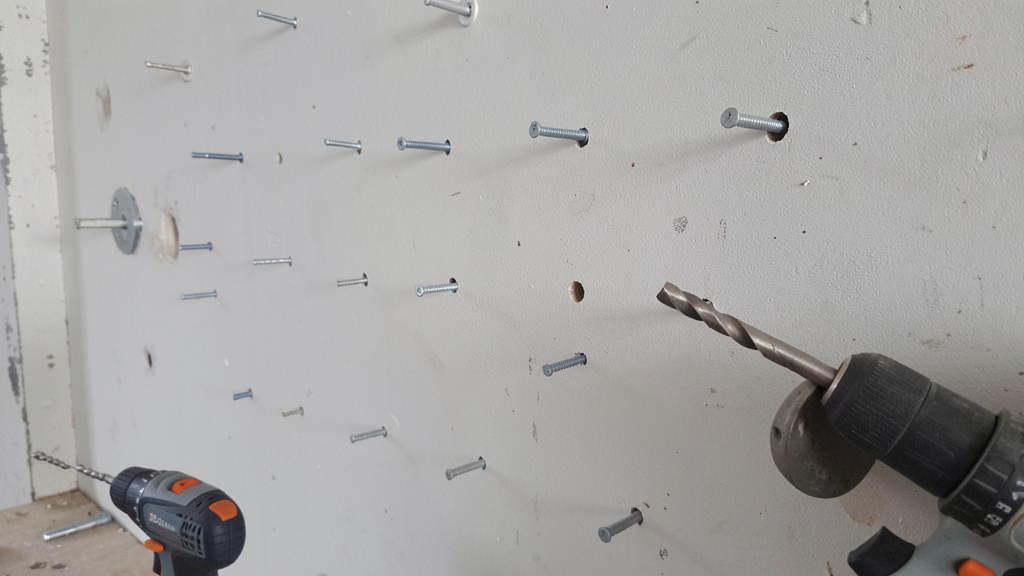
Stop Guessing, Start Anchoring: A Material-by-Material Blueprint to Minimize Pull-Outs, Cracks, and Installation Failures
Whether you’re mounting a television on brittle plaster, securing a handrail to hollow-core brick, or installing floating shelves on metal-stud drywall, the anchor you select plays a critical role in long-term stability. This comprehensive guide moves beyond fragmented product lists and superficial tips. We explore the physics of holding power across diverse building materials, provide a repeatable selection framework grounded in mechanical principles, and share installation protocols designed to build confidence through understanding. With thoughtful preparation and the right approach, you can achieve secure, lasting results while avoiding common pitfalls.
Introduction: Understanding Why Installations Fail
Walk into any hardware aisle, and you’ll encounter rows of small packages labeled with optimistic weight claims: “Holds up to 75 lbs!” Yet that same anchor may fail on your bathroom tile. Why? The answer lies not solely in the anchor, but in the dynamic relationship between three elements: the structural characteristics of your base material, the mechanical design of the anchor, and the precision of your installation technique.
Consider a realistic scenario: A household installs a decorative shelf using standard plastic anchors in what appears to be standard drywall. Over time, seasonal humidity fluctuations cause the wooden shelf to expand slightly. Repeated door vibrations introduce cyclic stress. Anchors relying primarily on friction against soft gypsum gradually migrate—a phenomenon engineers refer to as “creep.” Eventually, the shelf detaches. While no injuries occur, the experience erodes confidence in DIY solutions. This pattern repeats frequently—not from carelessness, but from incomplete information.
This guide integrates established engineering references (including ASTM testing protocols and IBC guidelines on non-structural attachments), material science fundamentals, and field-validated practices. We move beyond simplistic “use X for Y” advice to explain why forces distribute differently in cellular concrete versus solid oak, how environmental factors influence performance, and when chemical bonding becomes the most appropriate solution. You’ll learn to assess surfaces thoughtfully—using sound, visual cues, and strategic probing—before making your first mark. This knowledge supports safer, more durable installations and greater project confidence.
The Holding Power Triad: A Practical Framework for Anchor Selection
Before evaluating specific anchors, internalize this foundational framework. Every anchoring decision involves three interconnected pillars. Compromising any single element risks reduced performance. Mastering all three transforms anchoring from uncertainty into a predictable, reasoned process.
Pillar 1: Material Integrity—Reading What Lies Beneath the Surface
The base material is never just “a wall.” It is a composite system with unique mechanical properties. Key characteristics to assess:
- Compressive Strength: Resistance to crushing (critical for concrete, brick, stone). Values vary widely: standard concrete typically ranges 2,500–4,000 PSI; older brick may be 1,500–3,000 PSI; drywall gypsum core is under 100 PSI.
- Tensile Strength: Resistance to being pulled apart. Drywall paper facing offers modest resistance; solid oak across the grain provides significantly higher values; ceramic tile has high compressive but low tensile strength, making it prone to cracking under point loads.
- Density & Homogeneity: Uniform materials (solid wood, poured concrete) distribute load evenly. Heterogeneous materials (hollow block, lath-and-plaster) contain voids requiring anchors that bridge gaps effectively.
- Brittleness vs. Ductility: Brittle materials (tile, stone, vintage plaster) fracture under localized stress. Ductile materials (metal studs, green wood) deform before failing—requiring anchors that accommodate movement.
- Environmental Exposure: Moisture, temperature swings, UV exposure, and chemical contact affect long-term performance. Outdoor or damp locations demand corrosion-resistant components and designs tolerant of environmental stress.
Practical Assessment Protocol:
1. Tap Test: Knock firmly. A hollow “thump” suggests drywall or plaster over cavity. A dense “thud” indicates solid substrate (concrete, brick, wood). A metallic “ping” signals a metal stud.
2. Visual Inspection: Check edges inside cabinets or near electrical boxes (after confirming power is off). Is tile mounted over cement board? Is drywall backed by wood or metal framing?
3. Pilot Probe: Drill a small (1/8″) exploratory hole in an inconspicuous spot. Insert a thin wire. Note depth to solid backing and texture of debris (powdery = aged mortar; gritty = concrete; fibrous = wood).
4. Age Context: Pre-1940 plaster often includes horsehair reinforcement and wood lath. Post-1960 drywall is typically uniform gypsum board. Historic brick may be softer and irregular.
Illustrative Example: Mounting a medicine cabinet on a bathroom wall. Surface appears tiled. Tap test reveals a hollow sound. Pilot probe shows tile (approx. 1/4″) + cement board (approx. 1/2″) + air cavity. Assessment: Hollow assembly requiring anchors that span the cavity and engage structural backing. Standard plastic anchors risk cracking tile and failing in cement board. A more suitable solution: toggle-style anchors with wings designed to contact framing or blocking behind the wall.
Pillar 2: Anchor Design Physics—How Forces Transfer
Anchors function as mechanical translators, converting applied loads (weight, vibration, leverage) into forces the base material can absorb. Four primary mechanisms exist—each suited to specific material constraints:
-
Friction-Based Anchors (Wedge anchors, sleeve anchors, plastic expansion sleeves):
Mechanism: Expand radially against hole walls when tightened, creating friction.
Best Suited For: Solid, high-compressive-strength materials (concrete, solid brick, dense wood).
Limitations: In brittle materials (tile, old plaster), expansion forces may cause radial cracks. In soft materials (lightweight concrete, drywall core), material deformation reduces grip.
Key Insight: Friction anchors depend on precise hole diameter. Even minor deviations can significantly affect performance in dense substrates. -
Mechanical Interlock Anchors (Toggle bolts, molly bolts, snap toggles):
Mechanism: Deploy wings, flanges, or sleeves behind the surface to create a bearing area larger than the hole.
Best Suited For: Hollow assemblies (drywall, plaster over lath, hollow block), brittle surfaces where expansion stress is concerning.
Limitations: Wings must contact structural backing. Wings too small for cavity width reduce effectiveness.
Key Insight: Holding capacity correlates strongly with the deployed wing’s surface area. Larger wings distribute load more effectively across fragile surfaces. -
Adhesive Bonding Systems (Epoxy anchors, acrylic injection anchors, high-performance tapes):
Mechanism: Fill voids and create chemical bonds with the substrate. Load transfers through the adhesive’s shear strength.
Best Suited For: Cracked concrete, irregular holes, brittle materials (marble, glass block), seismic considerations, tight edge distances.
Limitations: Requires meticulous hole preparation; sensitive to temperature during curing; longer wait times before loading.
Key Insight: Adhesives excel where mechanical anchors struggle—bridging cracks, bonding dissimilar materials, eliminating expansion stress on fragile substrates. -
Deformation-Based Anchors (Thread-forming screws for metal, self-tapping screws for composites):
Mechanism: Displace substrate material to form mating threads.
Best Suited For: Ductile materials (metal studs, PVC, composite decking).
Limitations: Unsuitable for brittle materials (tile, stone) where displacement causes cracking. May strip in very soft substrates.
Key Insight: Pilot hole sizing is critical. Too small increases torque and crack risk; too large reduces thread engagement.
Load Direction Considerations:
– Shear Load (force parallel to surface: shelf brackets, pipe clamps): Friction anchors often perform well in solid materials.
– Tensile Load (force pulling away: TV mounts, handrails): Mechanical interlock or adhesive systems are generally preferred.
– Dynamic Load (vibration, impact, leverage: garage storage, playground equipment): Requires increased safety margins. Adhesives may dampen vibration; mechanical anchors should be conservatively sized.
Pillar 3: Installation Precision—Execution Matters
Even a well-chosen anchor underperforms with imprecise execution. Three variables consistently influence outcomes:
- Hole Diameter: Must align closely with anchor specifications. Verify drill bit size. In dense materials like concrete, minor deviations can noticeably affect capacity.
- Hole Depth: Should exceed anchor embedment length slightly to accommodate debris. In concrete applications, embedment depth significantly influences capacity—deeper embedment generally increases holding power.
- Torque Control: Overtightening risks damaging brittle materials; undertightening leaves play, accelerating fatigue. For critical applications, consider torque-limiting tools. With wedge anchors, tighten until resistance increases noticeably—then stop.
Recommended Cleaning Protocol for Masonry Holes:
1. Brush vigorously with a nylon brush.
2. Blow out debris using a bulb syringe (repeat 2–3 times).
3. Re-brush, then final blow.
Why: Dust creates a barrier between anchor and substrate. Industry testing indicates uncleaned holes can substantially reduce adhesive anchor performance.
Core Principle: Holding power emerges from the interaction of anchor, material, and installation—not from any single component alone. Optimizing all three pillars supports more reliable outcomes. This systems perspective is fundamental to thoughtful installation practice.
Material Mastery: Anchor Strategies Across Common Substrates
Drywall and Plaster: Navigating Hollow Wall Challenges
Drywall (gypsum board) and traditional plaster share surface similarities but differ structurally. Misdiagnosis here contributes to frequent installation issues.
Why Standard Anchors Often Underperform
Plastic expansion anchors depend on the gypsum core’s ability to resist expansion. Gypsum is relatively soft and crumbly. Under sustained or dynamic loads (like repeated door movement), anchors may gradually migrate outward (“creep”). In plaster walls, risk increases: lime-based plaster is harder but more brittle than gypsum; wood lath backing creates gaps where anchors lose purchase. A molly bolt expanding against drywall paper alone (without engaging the core) may tear through with minimal force.
Anchor Options by Application and Surface Type
(Load values are illustrative estimates for standard 1/2″ drywall on wood studs. Actual capacity varies with specific conditions. Always consult manufacturer data and apply appropriate safety margins.)
| Anchor Type | Typical Best Use | Illustrative Load Range | Key Installation Note | Limitation to Note |
|---|---|---|---|---|
| SnapToggle® (Strap-Style) | Heavy items: TVs (within mount limits), floating shelves, handrails | 100–200 lbs | Wings must contact structural backing (stud or blocking). Strap aids positioning. | Wings too small for wide cavities (e.g., metal stud walls) reduce effectiveness |
| Traditional Toggle Bolt | Medium-heavy: cabinets, heavy mirrors | 75–150 lbs | Requires hole large enough for folded wings. Verify wings deploy fully behind surface. | Hole size critical: too large = wings spin; too small = won’t deploy |
| Molly Bolt | Medium loads: shelves, curtain rods | 50–100 lbs | Expands sleeve against drywall and lath (if present). May require setting tool. | Less effective in metal stud cavities; overtightening risks surface damage |
| Self-Drilling Drywall Anchor | Light-medium: picture ledges, lightweight shelves | 25–50 lbs | Integrated drill bit streamlines installation. Threads grip paper facing. | May strip in thin or damaged drywall; avoid near edges |
| Plastic Expansion Anchor | Light duty: small frames, hooks | 10–25 lbs | Use only when stud contact is impossible and load is minimal. | Highest failure rate in hollow applications; not recommended for valued items |
Support Strategy for Medium Loads: For items exceeding 25–30 lbs (e.g., a floating shelf bracket), use multiple anchors spaced appropriately (e.g., 16″ apart). This engages more substrate material and reduces point-load stress. Calculate total load plus a safety margin. For a shelf holding 60 lbs of items, design for 120 lbs total capacity. Two anchors rated for 75+ lbs each provide a reasonable buffer. In metal stud walls, confirm anchors contact the same stud flange or use a backing plate spanning multiple studs.
Plaster-Specific Approach
Older plaster walls (pre-1950) often feature wood lath with gaps between strips. Standard anchors frequently fail here. Recommended sequence:
1. Drill a small (1/8″) pilot hole.
2. Insert a thin wire probe. If resistance occurs at ~1/2″, you’ve likely contacted wood lath—use a #8 x 1.25″ wood screw directly (no anchor needed).
3. If hollow beyond 1″, you’re between laths. Select a toggle bolt with a wing span sufficient to bridge adjacent laths (e.g., 2″ minimum).
4. Tighten slowly until wings contact backing. Stop at initial firm resistance—overtightening risks cracking brittle plaster.
Note: Molly bolts are generally less suitable here. Their narrow expansion zone concentrates stress between laths, potentially causing spider-web cracks.
Helpful Diagnostic Tip: Not all “white walls” are drywall. Plaster typically produces a higher-pitched, denser “thud” versus drywall’s hollow “thump.” When uncertain, inspect inside an electrical box (power confirmed off): plaster reveals wood lath strips; drywall shows a uniform paper edge.
Concrete: Strategies for Solid and Problematic Substrates
Concrete excels in compression but is weaker in tension. Anchors must convert tensile forces into compressive actions against the concrete matrix. Age, aggregate type, moisture history, and existing cracks significantly influence performance. Avoid treating all concrete as uniform.
Anchor Types: Applications and Considerations
-
Wedge Anchors:
Mechanism: A steel clip wedges between bolt shaft and hole wall under tension.
Typical Use: Solid, uncracked concrete; structural brackets; machinery bases; high-shear applications.
Considerations: Requires precise hole dimensions; not removable/reusable; less effective in cracked concrete or lightweight aggregate.
Performance Note: Embedment depth strongly influences capacity. Deeper embedment generally increases holding power significantly. -
Sleeve Anchors:
Mechanism: A split sleeve expands along its length when tightened, distributing pressure.
Typical Use: Light to medium fixtures; applications with minor vibration; situations where hole precision is challenging.
Considerations: Generally lower capacity than wedge anchors in solid concrete; sleeve may bind if hole is contaminated.
Tip: For damp or outdoor locations, select corrosion-resistant variants (e.g., stainless steel). -
Drop-In Anchors:
Mechanism: Set flush with surface; internal expansion via setting tool. Accepts threaded rod.
Typical Use: Overhead applications (ceiling mounts for projectors); situations requiring bolt projection.
Critical Step: Use the manufacturer’s specified setting tool. Improper setting can compromise performance. -
Chemical Anchors (Epoxy/Injection Systems):
Mechanism: Resin fills voids, bonds chemically to concrete and rod, cures to a solid composite.
Typical Use: Cracked concrete; seismic considerations; tight edge distances; irregular holes; rebar doweling.
Considerations: Temperature-sensitive curing; requires thorough hole cleaning; cure time varies (minutes to hours).
Advantage: Screen tubes (mesh sleeves) help ensure resin reaches hole bottom in overhead applications and contain flow in cracked substrates.
Installation Example: Wedge Anchor in Solid Concrete
1. Select Anchor: Match diameter and length to load requirements and embedment depth. Consult manufacturer load tables—embedment depth critically affects capacity.
2. Drill Hole: Use a carbide-tipped masonry bit matching anchor diameter. Drill slightly deeper than anchor length. Maintain drill perpendicularity; significant angle deviations can reduce effectiveness. A drill guide jig aids accuracy.
3. Clean Hole: Brush vigorously. Blow out debris with bulb syringe (repeat 2–3 times). Re-brush, final blow. Essential: Dust is a leading cause of reduced performance in concrete anchors.
4. Insert Anchor: Tap gently until flush. Thread nut onto bolt before insertion to protect threads. Hand-tighten until snug. Use wrench for final turns until resistance increases noticeably—then stop. Overtightening risks substrate damage.
5. Cure Time (if applicable): For chemical anchors, observe full cure time before loading. Ambient temperature affects cure: colder temperatures extend cure time.
Addressing Challenging Concrete Conditions
– Cracked Concrete: Mechanical anchors may lose significant capacity. Chemical anchors with screen tubes are often preferred—they bridge cracks and distribute load. Verify product is rated for “cracked concrete” applications (ICC-ES reports may specify tested crack width tolerance).
– Lightweight Aggregate Concrete: Lower density typically reduces holding power. Consider increased embedment depth or chemical anchors. Testing on a scrap piece is advisable if feasible.
– Aged or Dusty Concrete: Surface may be degraded. Drill deeper to reach sound substrate. Chemical anchors often bond more effectively to irregular surfaces.
– Reinforced Concrete: Use a rebar scanner before drilling. Hitting rebar damages bits and complicates placement. If unavoidable, chemical anchors with longer rods may bypass obstructions.
Safety Margin Guidance for Critical Applications
For overhead installations (garage storage racks) or dynamic loads (playground equipment), apply increased safety margins (e.g., 3x–4x expected load). If a rack holds 200 lbs of gear, design anchors for 600–800 lbs total capacity. Distribute anchors to avoid stress concentration. For a 4-anchor mount, each should support the divided load plus margin. Documenting load calculations supports thoughtful decision-making.
Wood: Optimizing for Grain, Species, and Environment
Wood anchoring seems straightforward but involves nuanced interactions between grain direction, species density, moisture content, and fastener chemistry. A screw secure in pine may underperform in end-grain oak.
Grain Direction Fundamentals
Screws driven across the grain (perpendicular to wood fibers) typically achieve higher withdrawal resistance than screws driven with the grain. Threads engage fibers radially, creating mechanical interlock. In end grain (screw entering the cut end of a board), holding power is significantly reduced—fibers offer minimal resistance to pull-out.
Practical Application: Mounting a shelf bracket to a wooden stud.
– Less Effective: Driving screw straight into stud face (parallel to grain). Under load, screw may migrate outward.
– More Effective: Driving screw at a slight angle (e.g., 10–15 degrees) across the stud’s width engages more fibers. For critical joints (deck railing posts), structural screws with auger tips and reverse threads below the head (e.g., GRK RSS) pull materials tightly and resist withdrawal.
Tip: When joining two pieces (e.g., bracket to stud), pilot drill only the first piece. Let the screw form threads in the stud—this maximizes engagement.
Solutions for Specific Wood Scenarios
- Plywood/OSB Substrates: Thin veneers can delaminate under point loads. Use washers (fender washers ideal) to distribute pressure. For heavy loads (cabinets), anchor into framing behind the panel. Never rely solely on the sheet goods.
- Pressure-Treated Lumber: Contains preservatives that accelerate corrosion of standard steel. Use hot-dipped galvanized (G185) or stainless steel (304/316) anchors. ACQ-treated wood specifically requires G185 or stainless—standard galvanized may fail prematurely.
- Stripped Holes: Insert wooden toothpicks or matchsticks dipped in wood glue into the hole. Break flush. Re-drive screw once glue is tacky. For significant repairs (e.g., stripped hinge holes), threaded inserts (E-Z Lok) provide robust solutions.
- Hardwoods (Oak, Maple): Pre-drill pilot holes to ~70% of screw diameter to reduce splitting risk. Fine-thread screws designed for hardwoods are beneficial.
- Moisture Considerations: Wood swells when wet. Anchors installed in green lumber may loosen as wood dries and shrinks. For outdoor structures, through-bolts with washers accommodate movement better than screws alone. Monitoring moisture content with a meter helps time installations appropriately.
Environmental Note: Wood installed at high moisture content (>19%) shrinks as it dries to equilibrium (8–12% for interiors). This movement can loosen fasteners over time. For critical outdoor applications, design with movement in mind (e.g., slotted holes, flexible connectors).
Metal Studs: Anchoring to Thin-Gauge Framing
Metal studs are hollow, thin-gauge steel (typically 25–20 gauge) that flex under load. Standard drywall anchors often fail here because drywall alone lacks structural capacity. Solutions must grip the stud’s narrow flange (1–1.5″ wide) or bridge the cavity effectively.
Anchor Options for Metal Stud Construction
-
SnapToggle® with Adjustable Strap:
Why it works: Strap allows precise bolt positioning over the stud center. Wings deploy inside the cavity, pressing against the stud’s back flange. Load transfers directly to the metal.
Capacity Note: Varies by stud gauge and installation precision. Verify with manufacturer data.
Critical: Wings must contact the stud flange—not just the drywall. -
Toggle Bolts with Wide Wings (≥2″):
Why it works: Wings span typical cavity widths (~3.5″), gripping both drywall and stud flange.
Limitation: Requires exact hole placement over stud center. Standard toggles (1.5″ wings) may miss the narrow flange.
Tip: Use a precision probe tool to confirm stud edges through a tiny pilot hole. -
Thread-Forming Screws (e.g., ZipTap®, Teks®):
Why it works: Coarse, sharp threads cut into the metal stud, creating engagement.
Requirement: Screw must reach the stud. Confirm location with a magnet or stud finder with metal detection.
Caution: Over-tightening strips threads in thin metal. Use a drill with clutch set to low torque.
Installation Protocol for Metal Studs
1. Locate Stud Precisely:
– Use a stud finder with metal detection capability.
– Mark suspected edges.
– Drill a small (1/16″) pilot hole at center mark. Insert wire probe to confirm metal contact at expected depth.
– Verification Tip: Run a strong magnet along the wall; it adheres firmly over the entire stud width.
2. Select Anchor Length: Must penetrate drywall (~1/2″) + cavity (~3.5″) + engage stud flange (~1/4″). Total length typically ~4.25″.
3. Install Carefully:
– For SnapToggles: Insert folded wings. Rotate strap to align bolt over stud. Tighten slowly until wings contact metal—stop at firm resistance. Overtightening deforms the stud.
– For thread-forming screws: Pre-drill through drywall only (use drill stop). Drive screw until head is snug—avoid deep countersinking.
4. Heavy Load Strategy: For items >50 lbs (e.g., wall-mounted desk), install a horizontal backing board (1×4 pine) between two studs. Screw through drywall into the board at multiple points. This distributes load across the stud bay.
Why Molly Bolts Are Less Suitable: Molly bolts primarily expand against drywall. In metal stud walls, drywall flexes under load, allowing anchors to pull out. They are generally not recommended for metal stud construction beyond very light, non-critical loads.
Tile and Stone: Preventing Surface Damage During Installation
Ceramic tile, porcelain, natural stone—these materials are hard yet brittle. Drilling risks cracks from stress concentration. Success requires controlling vibration, heat, and point loads. Remember: tile is typically a veneer, not the structural substrate.
Drill Bit Selection for Hard, Brittle Surfaces
- Carbide-Tipped Masonry Bit: Suitable for standard ceramic tile. Carbide withstands abrasion.
- Diamond-Tipped Core Bit: Recommended for porcelain tile, granite, marble. Cuts a clean annular hole with minimal vibration. Essential for very hard materials.
- Glass/Tile Drill Bit: For glass, thin tile, or delicate stone. Features a spear point to reduce wandering and impact.
Critical: Match bit size precisely to anchor requirements. An undersized hole increases crack risk; an oversized hole compromises anchor grip.
Step-by-Step: Drilling Tile Safely
1. Masking Tape: Apply X-shaped masking tape over drill point. Reduces bit slippage and contains micro-fractures.
2. Start Slow: Begin drilling at low speed (200–300 RPM) with firm, steady pressure. Let the bit cut—avoid forcing. High speed generates heat, increasing crack risk.
3. Cooling: Pause frequently. For stone, lightly drip water on the bit tip (use a sponge). Heat weakens crystalline structures.
4. Pilot Progression: Drill through tile only (typically 1/4″–3/8″). Stop when bit penetrates to substrate. Do not continue drilling into substrate yet.
5. Switch Bits if Needed: If substrate is concrete, switch to masonry bit. If drywall, switch to standard twist bit.
6. Complete Hole: Drill to required depth in substrate. Clean hole meticulously.
7. Anchor Selection:
– Solid substrate (concrete, cement board): Use low-expansion anchors (sleeve anchors, specific tile anchors). Avoid high-expansion wedge anchors.
– Hollow substrate (tile over drywall): Use toggle bolts designed to reach behind drywall. Wings must span the cavity adequately.
– Avoid: Standard plastic expansion anchors—they exert radial pressure that can crack tile from behind.
Special Consideration: Marble, Onyx, and Soft Stone
These materials are porous and relatively soft. Mechanical expansion anchors increase crack risk. Preferred method:
1. Drill an oversized hole (1/8″ larger than rod).
2. Inject stone-rated epoxy adhesive.
3. Insert stainless steel threaded rod.
4. Wipe excess immediately with acetone-dampened cloth.
5. Allow full cure time (24+ hours) before loading.
Why it works: Adhesive bonds distribute load evenly without point stresses. Epoxy fills pores, creating a composite “plug.”
If Damage Occurs During Drilling
– Hairline crack: Inject clear epoxy adhesive with a fine-tip applicator. Clamp lightly. Wipe excess. Cure 24 hours.
– Chip or spall: Mix epoxy with saved stone dust for color match. Fill void. Sand smooth after cure.
– Major crack: Consult a stone restoration professional. DIY attempts may worsen damage.
Brick and Masonry: Working With Mortar Joints and Material Variability
Brick walls offer two anchoring zones: the brick unit (hard, brittle) and the mortar joint (softer, weaker). Strategy depends on load requirements, brick type, mortar condition, and historical context. Drilling blindly into brick risks spalling (surface chunks breaking off) or structural compromise.
Mortar Joint vs. Brick Unit: A Decision Guide
| Factor | Anchor in Mortar Joint | Anchor in Brick Unit |
|---|---|---|
| Load Requirement | Light to medium (<50 lbs): picture hooks, light shelves | Medium to heavy (>50 lbs): handrails, heavy shelves, structural brackets |
| Mortar Condition | Sound, cohesive mortar (test with screwdriver—shouldn’t powder) | Avoid if mortar is soft/crumbly (indicates wall deterioration) |
| Brick Type | Any brick type | Solid clay brick only. Avoid hollow-core brick, soft historic brick, or severely weathered brick |
| Edge Distance | Minimum 1″ from brick edge | Minimum 1.5″ from brick edge to reduce spalling risk |
| Repairability | Easier to patch mortar | Brick repair is difficult and often visible |
Anchor Recommendations by Scenario
– For Sound Mortar Joints:
– Light Duty: Plastic sleeve anchors or lead anchors. Mortar compresses around the anchor.
– Medium Duty: Molly bolts designed for “soft masonry.” Expand gently to avoid cracking adjacent brick.
– Note: Use anchors rated specifically for masonry applications.
- For Solid Brick Units:
- Typical Choice: Sleeve anchors or wedge anchors (for solid, modern brick). Pre-drill carefully with masonry bit.
- Vintage/Soft Brick: Chemical anchors (epoxy). Eliminate expansion stress. Drill carefully with appropriate bit.
- Hollow-Core Brick: Toggle bolts designed to span the cavity. Verify cavity depth with probe.
Historic Brick Consideration: Pre-1900 bricks are often soft, irregular, and irreplaceable. Mechanical anchors can cause irreversible damage. Recommended protocol:
1. Consult a historic preservation specialist if possible.
2. If anchoring is essential, use adhesive anchors (epoxy) with minimal hole size.
3. Anchor into mortar joints only—never brick.
4. Document location for future reference.
Ethical Note: In designated historic structures, anchoring may require permits. When uncertain, explore non-invasive alternatives (tension rods, freestanding units).
Spalling Prevention Tips:
– Drill perpendicular to the surface—angled holes create shear forces that pop off brick faces.
– Use sharp, high-quality bits. Dull bits require excessive pressure, increasing crack risk.
– Stop drilling slightly short of target depth. Finish slowly with light pressure.
– Apply masking tape in a star pattern over the drill point to help contain fragments.
Plaster Walls (Lath and Plaster): A Delicate Approach
Lath-and-plaster walls (common pre-1950) consist of narrow wood strips (lath) covered in multiple plaster coats. Gaps between laths (~3/8″) create anchoring dead zones. Plaster is harder than drywall but significantly more brittle. Aggressive anchors cause cracking.
Diagnostic First Step: The Pilot Probe Method
- Drill a small (1/8″) pilot hole.
- Insert a thin, flexible wire probe (e.g., straightened paperclip).
- Interpret findings:
- Resistance at ~1/2″ depth: Contact with wood lath. Ideal—use a wood screw directly.
- Hollow beyond 1″ depth: Between laths. Requires cavity-spanning anchor.
- Powdery debris: Plaster may be deteriorating. Avoid anchoring here; relocate or reinforce.
Anchor Selection Based on Probe Results
– Over Wood Lath:
– Use a #8 x 1.25″ flat-head wood screw.
– Critical: Pre-drill a pilot hole through the plaster only (stop at lath). Prevents plaster cracking from screw torque.
– Countersink screw head slightly; patch with veneer plaster if needed.
– Between Laths (Hollow Cavity):
– Use a toggle bolt with sufficient wing span (e.g., 2″+) to bridge two adjacent laths.
– Avoid molly bolts—their narrow expansion zone concentrates stress on plaster between laths, causing spider cracks.
– Tighten slowly until wings contact lath. Stop at initial firm resistance.
– Heavy Loads (>30 lbs):
– Locate two adjacent laths. Install two wood screws spaced 4–6″ apart.
– Distribute load across multiple laths.
– For very heavy items (medicine cabinets), install a backing board spanning multiple studs behind the wall (requires cutting an access hole).
Repair Guidance for Plaster Damage
– Small Crack: Inject adhesive (e.g., Big Wally’s Plaster Magic) using a syringe. Clamp edges with painter’s tape. Patch with veneer plaster after cure.
– Hole from Failed Anchor: Remove loose debris. Dampen area. Fill with setting-type joint compound (Durabond 90). Embed mesh tape. Skim coat after cure.
– Large Section Damage: Cut a square access hole to nearest studs. Install new lath (diamond mesh) and apply plaster in layers. Match existing texture.
Preservation Mindset: In historic homes, document modifications. Prioritize reversible methods. When anchoring is unavoidable, choose the least invasive option and plan for future repairability.
Fiberglass, Composite Decking, and Plastic Surfaces: Accommodating Movement
These engineered materials expand/contract with temperature and have lower resistance to point loads. Standard metal anchors may tear out, crack surfaces, or accelerate corrosion. Success requires accommodating movement and distributing stress.
Material-Specific Techniques
- Fiberglass (Tubs, Showers, Panels):
- Anchor Choice: Coarse-threaded screws designed for plastic (e.g., stainless steel with large washer head).
- Critical Step: Pre-drill holes slightly larger than screw diameter. Allows for thermal expansion without stressing the material.
- Sealing: Apply mold-resistant silicone sealant around screw head before installation. Prevents water ingress.
-
Load Limit: Keep loads minimal per anchor (<15 lbs). For heavier items (shower seats), anchor into wall framing behind the fiberglass using long toggle bolts.
-
Composite Decking (Trex®, TimberTech®):
- Preferred Method: Hidden fastener systems (clips between boards). Eliminates surface penetrations.
- Surface Mounting (post brackets, railings):
- Use composite-specific screws (star-drive head to prevent cam-out; coarse threads).
- Pre-drill all holes.
- Never overtighten—composite material crushes easily. Stop when head is flush.
- Follow manufacturer spacing guidelines.
-
Critical: Avoid standard deck screws—they strip heads and pull out. Composite requires screws with aggressive threads and corrosion resistance.
-
PVC Trim Boards and Sheets:
- Anchor Choice: Trim-head screws (countersink below surface for puttying).
- Pre-Drill: Essential to prevent splitting, especially near edges.
- Heavy Items: Anchor into structural framing behind the PVC. Use long screws with large washers.
- Movement Allowance: Leave expansion gaps at ends of long runs. Use slotted holes for brackets.
Thermal Expansion Consideration:
A 12-foot composite deck board may expand ~1/8″ from winter to summer. If anchored rigidly at both ends without gaps, stress builds—potentially warping boards or pulling anchors. Solution: Anchor one end fixed; use slotted holes at the other end to allow movement. Always follow the material manufacturer’s installation guidelines, which account for regional climate.
Glass: Proceeding with Extreme Caution
Anchoring directly to glass carries significant risk. Glass has high compressive strength but very low tensile strength. Drilling creates stress concentrations that can cause delayed failure—sometimes hours or days later. Only consider with tempered glass (identified by “bug” etching in corner) and specialized hardware. Non-invasive alternatives are strongly preferred.
Methods Ranked by Safety and Practicality
- Clamp Systems (Highest Safety):
- How it works: Brackets clamp the edge of tempered glass (e.g., glass shelf clamps).
- Load Capacity: Varies by clamp design and glass thickness (verify manufacturer specs).
- Requirement: Glass must have polished, chip-free edges. Minimum thickness typically 1/4″ for light loads; 3/8″+ for heavier loads.
-
Installation: Tighten bolts evenly in a crisscross pattern. Use rubber or nylon gaskets to prevent scratching and distribute pressure.
-
High-Strength Adhesive Mounts (Medium Risk):
- Products: 3M VHB tape; silicone structural adhesives (GE Silicone II).
- Surface Prep: Clean glass thoroughly with isopropyl alcohol. Lightly abrade surface for mechanical key.
- Load Capacity: VHB tape: theoretical capacity varies; apply significant safety margin (e.g., 4x).
- Cure Time: Adhesives require 24–72 hours full cure before loading. Temperature and humidity affect cure.
-
Limitation: Adhesives perform best under shear loads (parallel to glass). Avoid peel forces.
-
Drilling Glass (Highest Risk—Professional Recommended):
- Requirements: Tempered glass only (non-negotiable—annealed glass shatters explosively); diamond core bit; constant water cooling; drill press preferred.
- Process:
- Mask area with X-tape.
- Start at very low RPM (200–300) with light pressure.
- Continuously drip water on bit.
- Drill slowly through.
- Deburr hole edges carefully.
- Anchor: Use rubber grommets or nylon sleeves to isolate anchor from glass edge.
- Strong Recommendation: Hire a professional glazier. The cost of professional installation is minor compared to risks of failure.
Critical Safety Notes:
– Never anchor to laminated glass (windshields, some shower doors) or wired glass. Drilling compromises integrity.
– Never anchor to glass thinner than 1/4″.
– When uncertain, choose a freestanding solution. Safety outweighs convenience.
Specialty Surfaces: Stucco, EIFS, Cement Board, and More
- Traditional 3-Coat Stucco:
- Composition: Wire lath + multiple plaster coats.
- Strategy: Drill through stucco into underlying sheathing or framing. Use corrosion-resistant anchors.
- Waterproofing: Seal anchor perimeter with elastomeric caulk (e.g., OSI Quad Max). Prevents moisture intrusion behind stucco—a leading cause of wall deterioration.
-
Caution: Old stucco may be detached from lath (“drummy”). Tap test: hollow sound = delamination. Avoid anchoring in delaminated areas.
-
EIFS (Exterior Insulation Finish System):
- Critical Warning: Never anchor directly into the foam insulation layer. This compromises moisture barriers and structural integrity.
- Protocol:
- Locate structural framing behind EIFS using stud finder + verification probe.
- Use anchors long enough to penetrate foam and embed sufficiently into framing.
- Consult EIFS manufacturer guidelines—specific anchor types and sealants may be required.
- Seal all penetrations with EIFS-compatible sealant.
-
When Unsure: Contact the EIFS installer or a qualified inspector. Improper anchoring can lead to moisture damage.
-
Cement Board (HardieBacker®, Durock®):
- Anchor Choice: Corrosion-resistant screws designed for cement board (e.g., ITW Buildex Rock-On). Serrated heads countersink without cracking.
- For Heavy Items: Anchor into the substrate behind (wood framing, concrete). Cement board alone is not structural.
- Edge Distance: Stay 1/2″ from board edges to prevent crumbling.
-
Sealing: In wet areas (showers), seal screw heads with waterproofing membrane (e.g., RedGard) before tiling.
-
Hollow-Core Doors:
- Light Duty Only: Use hollow-door anchors (expanding plastic toggles). Max load typically 10–15 lbs.
-
Heavy Items: Install a reinforcement block inside during construction. For existing doors, use over-the-door hooks or freestanding units.
-
Acoustic Ceiling Tiles:
- Never anchor directly. Tiles are fragile and non-structural.
- Solution: Install wire hooks into the ceiling grid above, or use adhesive hooks rated for the tile surface (test first in inconspicuous area).
Beyond the Drill: Non-Invasive Alternatives and Repair Strategies
Sometimes drilling isn’t feasible—due to rental restrictions, historic preservation concerns, or unexpected failures. This section provides vetted alternatives and repair protocols.
Non-Invasive Mounting Systems
- Adhesive Strips (Command™, Gecko Tech):
- How They Work: Micro-suction or pressure-sensitive adhesives bond to smooth surfaces.
- Surface Requirements: Clean, smooth, dry surfaces (painted drywall, tile, glass, metal). Will not adhere to textured walls, brick, or dusty surfaces.
- Critical Protocol:
- Clean surface with isopropyl alcohol. Let dry completely.
- Apply strip firmly, rubbing for 30 seconds to activate adhesive.
- Wait at least 1 hour (preferably 24 hours) before loading.
- Remove by stretching tab slowly downward—never pull perpendicularly.
- Load Guidance: Follow package ratings. For reliability, apply a safety margin (e.g., use a 16-lb strip for an 8-lb item).
-
Monitoring: Check mounts periodically; adhesive bonds can degrade over time.
-
Tension Rods:
- Ideal For: Showers, closets, windows (curtains), room dividers.
- Physics: Transfers load to floor and ceiling via friction. Requires parallel, solid surfaces.
- Tip: Add rubber pads to rod ends to prevent slipping on smooth surfaces. For heavy curtains, choose rods rated well above curtain weight.
-
Limitation: Not suitable for uneven surfaces or soft materials (carpeted floors reduce grip).
-
Magnetic Systems:
- Applications: Tool organization on steel surfaces (fridge, filing cabinet).
- Anchor Choice: Rare-earth neodymium magnets. Check shear load rating.
- Safety: Add rubber or felt pads between magnet and surface to prevent sliding and scratching.
-
Caution: Keep strong magnets away from pacemakers, credit cards, and electronics.
-
Suction Cups:
- Modern Upgrade: Cups with “locking levers” (e.g., Sea to Summit) create stronger vacuum seals.
- Surface: Must be perfectly smooth, non-porous (glass, acrylic, glazed tile).
- Test First: Apply cup, hang a test weight (half intended load) for 24 hours. Check for slippage.
- Limitation: Performance degrades in temperature extremes or high humidity. Not for critical loads.
Anchor Repair Protocol: Addressing Common Failures
Scenario 1: Anchor Pulled Out of Drywall, Leaving Enlarged Hole
1. Assess Damage:
– Slightly enlarged hole (<1/4″ diameter): Try a larger anchor type (e.g., upgrade plastic sleeve to molly bolt).
– Severely damaged hole (cratered, >1/2″ diameter): Proceed to step 2.
2. Fill and Stabilize:
– Remove loose debris.
– Inject setting-type joint compound (Durabond 90) into hole.
– Insert a wood toothpick, matchstick, or plastic fragment for grip.
– Smooth surface. Let cure 24 hours.
3. Redrill and Reanchor:
– Drill new pilot hole.
– Install appropriate anchor for load.
– Alternative: Relocate anchor 2″ away from damaged area. Patch old hole.
Scenario 2: Anchor Spun Freely in Concrete (Dust Not Cleaned)
1. Remove Anchor: Cut flush if necessary.
2. Clean Hole Thoroughly: Use brush and bulb syringe repeatedly.
3. Reinstall:
– For mechanical anchors: Insert new anchor of same size.
– Better Solution: Switch to chemical anchor. Inject epoxy, insert rod. Bonds to imperfect surfaces.
4. Prevention: Make hole cleaning a consistent step in your process.
Scenario 3: Tile Cracked During Drilling
1. Stop Immediately. Do not continue drilling.
2. Assess Crack:
– Hairline crack: Inject clear epoxy with fine-tip applicator. Clamp lightly. Cure 24 hours.
– Major crack: Cover area with painter’s tape to prevent propagation.
3. Relocate: Move anchor point at least 2″ away from crack.
4. Repair: After project completion, consult a tile professional for permanent repair.
When to Seek Professional Help:
– Structural elements (load-bearing walls, ceiling joists)
– Overhead heavy loads (garage storage >100 lbs, ceiling fans)
– Historic surfaces where damage is irreversible
– Electrical or plumbing proximity (use stud finder with AC detection)
– Any situation causing significant uncertainty—safety and peace of mind are worth the investment.
Your Questions, Answered
Q: How do I verify if an anchor meets legitimate safety standards?
A: Reputable anchors reference certification from independent evaluation services. Look for:
– ICC-ES (International Code Council Evaluation Service) report number
– UL (Underwriters Laboratories) certification mark
– ASTM compliance statement
These reports detail tested capacities in specific materials and conditions. Manufacturers publish them online. Avoid anchors with only generic “holds up to X lbs” claims without test data or certification references. When uncertain, select brands with established industry presence.
Q: Can I reuse an anchor hole after removing the anchor?
A: It depends on the material and anchor type:
– Concrete/Brick: Wedge anchors permanently deform the hole. Fill with epoxy and drill a new hole at least 2″ away. Sleeve anchors may sometimes be reused, but capacity is reduced.
– Drywall: Plastic anchors lose grip after removal. Fill hole and relocate. Toggle bolts may be reused if wings are undamaged and hole is clean—but capacity is lower.
– Wood: Screw holes can often be reused if threads are intact. For stripped holes, use the toothpick/glue method.
Guideline: For critical loads (handrails, heavy shelves), drill a new hole. Safety outweighs convenience.
Q: Why do some anchors specify “for use in cracked concrete”?
A: Cracks in concrete can open and close under load (thermal movement, structural shifts). Standard mechanical anchors may lose grip as cracks widen. Anchors rated for cracked concrete—typically chemical anchors or specialized mechanical designs—maintain performance across specified crack widths. Their evaluation reports detail tested performance. Never substitute a standard anchor in cracked concrete for critical applications.
Q: What’s the practical difference between a sleeve anchor and a wedge anchor in concrete?
A: Both work in solid concrete, but mechanics and best-use cases differ:
– Wedge Anchor: A clip wedges between bolt shaft and hole wall under tension. Creates high point-load pressure. Generally higher capacity in solid concrete. Requires precise hole depth. Not removable. Best for static, high-shear loads.
– Sleeve Anchor: A split sleeve expands along its length when tightened. Distributes pressure more evenly. More tolerant of minor hole imperfections. Sometimes removable. Better for light vibration or where hole precision is challenging.
Guideline: Choose wedge anchors for maximum capacity in ideal conditions; sleeve anchors for versatility.
Q: How close to the edge of a material can I safely place an anchor?
A: Minimum edge distance is critical to prevent blowout (material fracturing at edge). General guidance:
– Concrete: Minimum 5 times anchor diameter from edge (e.g., 1.25″ for 1/4″ anchor). Closer placement may require engineering input.
– Drywall/Plaster: Minimum 1″ from edge or corner.
– Brick: Minimum 1.5″ from brick edge.
– Wood: Minimum 1/2″ from edge for screws.
Always consult the anchor manufacturer’s specifications—edge distance significantly affects capacity. When space is limited, adhesive anchors may perform better near edges.
Q: Do temperature and humidity significantly affect anchor performance?
A: Yes:
– Wood: High humidity causes swelling; low humidity causes shrinkage. Install anchors when wood is near expected service moisture content.
– Concrete: Freezing temperatures during epoxy installation prevent proper curing. Most epoxies require >40°F ambient temperature. High heat accelerates cure but may affect strength.
– Adhesives: Temperature and humidity affect cure time and bond strength. Follow manufacturer’s environmental guidelines.
– Metals: Thermal expansion/contraction can loosen connections over time. Use lock washers for critical outdoor applications.
Practice: Note ambient conditions during installation. For outdoor projects, select anchors rated for your climate.
Q: I’m mounting a TV on drywall with no studs behind. Is it safe?
A: Safety depends on rigorous execution:
1. Verify Drywall: Must be 1/2″ minimum thickness; 5/8″ Type X is preferable.
2. Calculate Load: TV weight + mount weight + safety margin (e.g., 2x static load). For a 50-lb TV, design for 100 lbs.
3. Anchor System: Use a mounting plate designed for hollow walls that distributes weight across multiple toggle bolts.
4. Anchor Specification: Minimum four toggle bolts rated appropriately for your drywall type. Wings must span cavity and contact structural backing.
5. Installation: Locate blocking if possible. If hollow, ensure wings deploy fully. Tighten evenly.
6. Test: Before mounting TV, hang a test weight (sandbags equal to TV weight) for 24 hours. Check for movement.
Recommendation: For larger TVs or uncertainty, consult a professional installer. Safety is paramount.
Q: Why do my plastic drywall anchors keep pulling out?
A: Common causes:
1. Overloading: Item exceeds anchor capacity. Apply a safety margin.
2. Installation Issue: Hole too large (anchor spins); hole not deep enough; anchor not fully set.
3. Material Issue: Drywall damaged, too thin, or backed by metal studs (plastic anchors underperform in metal stud cavities).
Solutions:
– Light loads (<10 lbs): Try self-drilling drywall anchors.
– Medium loads (10–50 lbs): Use molly bolts or snap toggles.
– Heavy loads (>50 lbs): Find studs or install backing board.
– Existing holes: Fill with Durabond, insert toothpick, redrill. Or relocate anchor 2″ away.
Q: Can I use concrete anchors in brick?
A: Context matters:
– Solid Clay Brick: Wedge or sleeve anchors may be used if brick is sound. Drill carefully with sharp bit. Stay 1.5″ from edges.
– Soft or Historic Brick: Avoid mechanical anchors. Use chemical anchors (epoxy) to eliminate expansion stress.
– Mortar Joints: Use anchors rated for “soft masonry.” Standard concrete anchors may crack adjacent brick.
Best Practice: Test on an inconspicuous area first. When uncertain, adhesive anchors adapt better to substrate variability.
Q: How do I safely remove a stuck wedge anchor from concrete?
A: Methods, ranked by safety:
1. Cut Flush: Use an angle grinder with metal-cutting wheel to cut anchor flush. Safest; leaves hole compromised (do not reuse location for critical loads).
2. Drill Out: Use carbide bit slightly smaller than anchor. Drill into center to weaken. Then collapse sleeve with chisel. Risky—may damage surrounding concrete.
3. Slide Hammer Puller: For shallow anchors. Requires specialized tool.
Critical: Wear safety glasses. Removing anchors compromises the hole—never reuse the exact location for critical loads. Fill with epoxy and drill adjacent.
Q: Are there anchors truly suitable for constant moisture exposure (showers, pools)?
A: Yes, with careful material selection:
– Metal Components: Must be 316 stainless steel (marine grade) or non-ferrous (brass, titanium). 304 stainless may pit in chlorinated water. Avoid zinc-plated or standard steel.
– Plastic Components: Must be UV-stable nylon or polypropylene.
– Adhesives/Sealants: Use 100% silicone rated for “constant immersion” (e.g., GE Silicone II Kitchen & Bath).
– Best Practice: For submerged applications, use marine-grade epoxy anchors. Seal all penetrations meticulously. Inspect annually for corrosion or sealant failure.
Q: What’s a frequently observed anchoring oversight?
A: Underestimating dynamic and leverage loads. A shelf holding books experiences static load. A handrail experiences impact loads (sudden grabbing). A TV mount experiences leverage forces (screen acts as lever arm). A garage rack experiences vibration.
Guidance: Apply appropriate safety margins:
– Static indoor loads: 2x
– Dynamic loads (handrails, playground): 3x–4x
– Overhead loads: 4x minimum
– Leverage scenarios: Calculate torque (force x distance).
Additionally, inadequate hole cleaning in concrete is a common installation error. Dust significantly impacts performance. Make thorough cleaning a consistent step.
Conclusion and Next Step
You now have a practical framework to assess surfaces, select appropriate anchoring systems, and execute with greater precision. The Holding Power Triad—Material Integrity, Anchor Design Physics, Installation Precision—provides a reliable lens for future projects. This knowledge transforms uncertainty into informed decision-making. You can observe a wall, consider its composition and condition, and choose an approach aligned with physics and practical constraints. That confidence supports safer, more durable installations.
Recap: Three Foundational Practices
- Assess Before You Act: Tap, probe, or drill a small pilot hole to confirm material composition, condition, and backing. A brief diagnostic prevents significant rework.
- Match Anchor Mechanism to Material Constraints: Brittle surfaces benefit from low-expansion or adhesive solutions; hollow cavities require mechanical interlock; dynamic loads need conservative safety margins. Let material properties guide your choice.
- Honor Installation Details: Hole size, depth, and cleanliness matter. Torque control prevents damage. When uncertain, under-tighten and test incrementally. Precision enables anchors to perform as designed.
The 24-Hour Rule: Reinforce Your Understanding
Before your next anchoring task, spend 20 minutes:
1. Examine three anchors you own (e.g., plastic sleeve, toggle bolt, wedge anchor). Identify how each transfers load.
2. Visit one manufacturer’s website. Review their load table. Note how embedment depth or material type affects capacity.
3. Practice on a scrap piece (drywall offcut, concrete paver). Drill and install one anchor. Observe the mechanics. Feel the resistance.
This hands-on review transforms concepts into intuitive understanding. You’ll approach anchors with greater insight.
The Bigger Perspective: Integrity in Everyday Building
Every anchor represents a small engineering decision. Understanding the forces involved honors a tradition of thoughtful building—prioritizing longevity over shortcuts. You protect your household from preventable incidents. You create installations that endure functionally and aesthetically. That securely mounted shelf becomes a trusted surface for family photos. That properly anchored handrail provides confidence. That knowledge empowers you to share reliable guidance with others. Strong anchors contribute to strong spaces—and stronger communities. Carry this framework forward. Build with awareness. Build with care.
Explore Our Complete System:
The Ultimate Guide to Drill Bits: Matching Bit to Material for Clean, Safe Holes | Decoding Load Ratings: Calculating Safety Factors for Home Projects | Wall Types Decoded: A Visual Guide to Identifying What’s Behind Your Walls | The DIYer’s Handbook to Building Codes for Non-Structural Projects | Moisture-Proofing Outdoor Installations: Anchors, Sealants, and Longevity | From Patch to Perfect: Drywall and Plaster Repair Techniques | Fastener Chemistry: Choosing Corrosion-Resistant Anchors for Every Environment