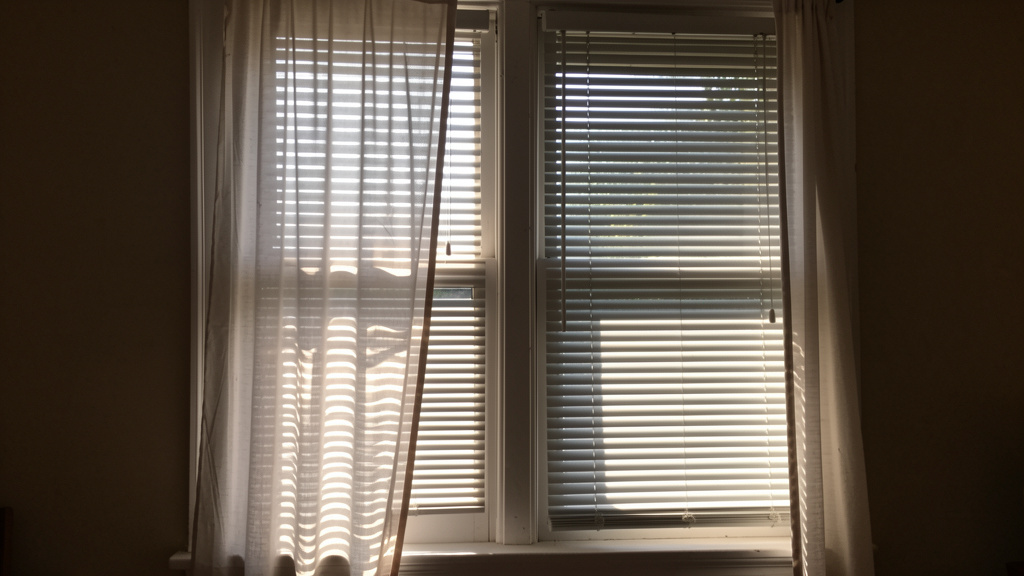
Stop guessing. Start solving. Discover a clear, adaptable framework to transform every window in your home into a thoughtfully managed interface for comfort, efficiency, and daily well-being—grounded in building science principles, material physics, and real-world usability.
Selecting window treatments involves far more than aesthetics. It’s a layered decision impacting sleep quality, visual comfort, thermal regulation, and psychological ease throughout your day. Yet most guidance offers fragmented tips: “blackout for bedrooms,” “sheers for living rooms”—without explaining why these choices succeed or fail in specific contexts. This guide replaces overwhelm with clarity. We synthesize established principles from building science, material engineering, and human factors research into a practical, room-by-room system. You’ll understand how light interacts with fabric structures, why privacy needs shift with time of day and window orientation, and how strategic layering can meaningfully support thermal comfort—all translated into confident, personalized choices for your home. No hype. No unverified claims. Just actionable insight.
Introduction: Windows as Dynamic Home Interfaces
Windows are active interfaces between your interior environment and the outside world—a continuous exchange of light, temperature, sound, and visual connection. A mismatched treatment doesn’t merely look “unfinished”; it can disrupt rest, strain eyes, increase energy use, or create unintended exposure. Morning light filtering through inadequate fabric may interrupt sleep cycles. Drafts around poorly sealed treatments contribute to localized discomfort. Evening interior lighting against sheer panels can compromise privacy when least expected.
These outcomes follow predictable physical principles. Solar radiation intensity varies by window orientation and time of day. Heat transfers via conduction, convection, and radiation—each mitigated differently by material choice, construction, and installation. Human vision adapts dynamically; what feels private at noon may feel exposed at dusk due to interior-exterior light differentials. While climate, architecture, and lifestyle shape how these principles manifest, the underlying physics remains consistent.
This framework draws upon publicly available research from the U.S. Department of Energy’s Building Technologies Office on window insulation performance, peer-reviewed studies in Lighting Research & Technology regarding circadian light exposure, and safety standards from the Window Covering Manufacturers Association (WCMA). Guidance is presented objectively—translating technical concepts into practical considerations without oversimplification or overpromising.
Ignoring these interconnections leads to common frustrations: treatments that leak light at the edges despite “blackout” labels, moisture-sensitive materials failing prematurely in humid spaces, or solutions so cumbersome they’re abandoned. True effectiveness begins with diagnosing each window’s unique role before evaluating products. This guide provides that diagnostic structure. We shift focus from “what looks nice” to “what functions reliably” for your priorities—whether protecting infant sleep cycles, minimizing screen glare during work hours, preserving historic features, or adapting to seasonal shifts. Your windows deserve intentional design. Let’s begin.
The Comfort Triad Framework: Balancing Light, Privacy, and Thermal Performance
Effective window treatment decisions balance three interdependent pillars: Light Management, Privacy Control, and Thermal Performance. Prioritizing one without acknowledging the others often creates unintended trade-offs. Heavy blackout panels maximize darkness and winter warmth but eliminate daytime connection and may feel oppressive if used where view preservation matters. Ultra-sheer rollers preserve daylight views yet offer minimal insulation or nighttime privacy.
The Comfort Triad isn’t about finding a mythical “perfect” product excelling at all three simultaneously. It’s about intentionally weighting each pillar based on your window’s orientation, room function, usage patterns, and personal priorities—then selecting treatments that honor that hierarchy. This repeatable process works for a sun-drenched west-facing kitchen window or a draft-prone north-facing bedroom in an older home. Windows are not uniform; solutions shouldn’t be either.
Step 1: Conduct Your Window Audit (The Foundation)
Before considering fabrics or mechanisms, gather objective details about each window. This 5-minute audit prevents long-term frustration. For every window, note:
- Orientation (Critical): Stand inside facing the window. Use a compass app:
- North-facing: Consistent, cool, indirect light. Minimal solar heat gain. Privacy often a higher concern due to street-level visibility.
- South-facing: Strong, direct sun most of the day (intense in summer, valuable in winter). Highest potential for glare and heat buildup.
- East-facing: Gentle morning sun (supports natural waking), minimal afternoon exposure. Lower privacy risk during quiet morning hours.
-
West-facing: Low-angle afternoon/evening sun (creates pronounced glare, significant heat gain). Highest privacy concern during evening hours when interior lights are on.
Why it matters: Orientation defines your primary challenge. West windows demand robust glare/heat management; north windows need privacy solutions that avoid excessive dimming. -
Window Dimensions & Type: Measure width and height inside the frame (for inside-mount feasibility) and outside the frame (for outside-mount planning). Note the style:
- Single/double-hung: Standard rectangular. Generally straightforward to cover.
- Casement (crank-out): Protrudes when open. Requires outside-mount treatments with adequate clearance.
- Sliding glass door: Wide expanse. Needs wide-spanning solutions (panel tracks, vertical systems).
- Bay/bow window: Angled sections. Often requires custom solutions or multiple coordinated units.
-
Awning/hopper: Top or bottom hinges. Critical for mounting depth and hardware placement.
Common pitfall: Measuring only the glass. Frame depth (recess) determines inside-mount viability. Less than 1.5 inches of depth typically necessitates an outside mount. -
Existing Challenges Checklist:
- ☐ Direct sun hits furniture/floor (fading risk)
- ☐ Drafts detectable near window (test with tissue paper)
- ☐ Street traffic visible at eye level
- ☐ Neighboring windows directly opposite
- ☐ Hard surfaces nearby (tile, glass) amplifying glare
- ☐ Historic trim/molding to preserve
- ☐ Pets or young children requiring cordless operation
-
☐ High humidity exposure (bathroom, kitchen sink area)
Why it matters: This identifies non-negotiable constraints. A drafty window prioritizes thermal buffering; a child’s room mandates cordless safety features. -
Room-Specific Usage Patterns:
- Peak usage times: (e.g., bedroom: 10 PM–7 AM; home office: 9 AM–4 PM)
- Primary activities: (Sleeping? Screen work? Cooking? Relaxing?)
- User considerations: (Light-sensitive sleeper? Child needing daytime naps? Need for clear outward visibility?)
Practical insight: A home office used 10 AM–2 PM with a west-facing window prioritizes glare control during screen use—not total blackout. A light-filtering roller may outperform heavy curtains requiring constant adjustment.
This audit transforms vague desires (“I want more privacy”) into precise requirements (“Daytime privacy from street-level view without blocking north light; reliable evening privacy when lights are on”). Precision guides confident selection.
Step 2: Define Your Priority Matrix (Weighting the Triad)
With audit details recorded, assign a priority level (1 = Essential, 2 = Important, 3 = Secondary) to each pillar for this specific window. There are no universal rankings—only context-driven choices.
| Room Scenario | Light Priority | Privacy Priority | Thermal Priority | Rationale |
|---|---|---|---|---|
| Bedroom (East) | 1 | 2 | 2 | Blocking dawn light supports sleep hygiene. Evening privacy needed; insulation valuable in cooler climates. |
| Living Room (West) | 2 | 1 | 2 | Privacy becomes critical at dusk with interior lights. Glare disrupts TV viewing; afternoon heat gain affects comfort. |
| Nursery (North) | 1 | 1 | 2 | Reliable darkness supports infant sleep cycles. Absolute privacy is essential. North windows often draftier. |
| Home Office (South) | 1 | 2 | 3 | Glare directly impacts screen visibility and focus. Privacy matters during work hours; thermal less critical unless drafty. |
| Bathroom (Street) | 3 | 1 | 2 | Privacy is essential 24/7. Light should be diffused, not blocked. Material must withstand humidity. |
| Kitchen (West) | 2 | 1 | 3 | Privacy needed during evening cooking. Glare on wet surfaces creates safety concerns. Thermal less critical. |
| Basement Family Room | 1 | 2 | 1 | Media use requires reliable darkness. Below-grade windows lose heat rapidly; moisture resistance is key. |
| Sliding Glass Door | 1 | 1 | 2 | Large surface magnifies heat gain and privacy exposure. Ease of operation is critical for frequent access. |
Why this step matters: Many shoppers default to “I need blackout” without clarifying why. If the goal is blocking morning sun to support sleep, true blackout is essential. If the goal is reducing screen glare while maintaining view, light-filtering is superior. Misalignment here causes the most common regret: heavy blackout panels installed in living areas, then rarely used because they feel confining.
Guidance for balanced decisions:
– Climate context: In mild climates, premium insulation-focused treatments may offer minimal practical benefit compared to prioritizing light or privacy needs.
– Privacy timing: A backyard kitchen window may only require privacy during dinner hours (6–8 PM). A solution quick to deploy (like a roller shade) is more sustainable than a cumbersome curtain rarely closed.
– Seasonal awareness: In colder regions, thermal priority for north windows may shift from “Secondary” in summer to “Important” in winter. Layering (Step 4) accommodates this.
This matrix becomes your filter. When evaluating options, ask: “Does this primarily address my Priority #1 need?” If not, it’s likely not the right solution for this window.
Step 3: Match Treatment Types to Your Weighted Priorities
Translate your priority matrix into informed product considerations. Below is a performance-focused analysis of major treatment categories against the Comfort Triad pillars. Evaluations reflect real-world functionality, not marketing language. Terms like “blackout” exist on a spectrum; verification matters.
Cellular (Honeycomb) Shades: Thermal Buffering Specialists
Structure: Fabric folded into hexagonal cells trapping insulating air pockets. Available in single, double, or triple-cell configurations.
– Light Control:
– Light-filtering: Softens glare while preserving outward view. Ideal for offices, living areas where ambiance matters.
– Room-darkening: Blocks most light (~95%). Suitable for media rooms, light-sensitive sleepers.
– True blackout: Blocks nearly all light (99%+) only when paired with side channels to seal frame gaps. Essential for nurseries, shift workers.
Nuance: Cell color affects performance. White-backed cells reflect solar radiation more effectively on sun-exposed windows.
– Privacy: Excellent when fully lowered. Top-down/bottom-up options allow lower-section privacy while maintaining upper view and light—valuable for street-level windows.
– Thermal Performance: Among the most effective interior treatments. Single-cell offers modest buffering; double or triple-cell significantly reduces convective heat loss/gain. Publicly cited U.S. DOE research indicates properly installed cellular shades with side channels can meaningfully reduce heat transfer through windows.
Best suited for: Bedrooms prioritizing sleep and comfort, draft-prone older windows, rooms with notable temperature fluctuations.
Installation note: Inside mounts maximize thermal performance by sealing against the frame. Outside mounts require side channels to minimize air movement around edges. Gaps larger than 1/4 inch noticeably reduce effectiveness.
Adaptable approach: In moderate climates or tighter budgets, layering a standard cellular shade with thermal-lined curtains can enhance performance incrementally.
Common oversight: Selecting single-cell for a north-facing bedroom in a cold climate. Double or triple-cell often provides noticeably improved comfort where drafts are present.
Roller & Solar Shades: Precision Light and Glare Management
Structure: Continuous fabric roll. Solar shades use mesh with defined “openness factors” (1%, 3%, 5%, 10%).
– Light Control:
– Openness factor is key: Lower percentages (1–3%) block more light and UV while limiting view-out. Higher percentages (5–10%) preserve more daylight view with moderate glare reduction.
– Solar-specific: Engineered to reduce UV exposure and glare while maintaining some visibility. A 3% openness solar shade on a west window can eliminate screen glare without fully closing off the view.
Verification tip: Hold fabric against a bright light source. If a distinct hand silhouette is visible, it’s light-filtering. If only a vague shadow appears, it’s room-darkening. If no light passes, it approaches blackout.
– Privacy:
– Daytime: Solar shades with ≤5% openness often provide good privacy due to a reflective “mirror effect” (outside sees reflection, not interior).
– Nighttime: Critical limitation. When interior lights are on, the mirror effect reverses. Solar shades alone do not provide reliable nighttime privacy on exposed windows. Pair with curtains or use top-down function.
– Thermal Performance: Moderate. Standard rollers add minimal buffering. Solar shades with light-reflective backings can reduce solar heat gain, particularly in hot climates.
Best suited for: Home offices (glare control + view), south/west windows where solar heat gain is a primary concern, modern aesthetics.
Adaptable approach: For spaces needing daytime view but nighttime blackout (e.g., media room), install a light-filtering solar shade under a room-darkening roller on a dual-bracket system.
Regional consideration: In consistently sunny climates, lower openness factors (1–3%) offer greater glare and heat reduction. In cloudier regions, higher openness (5–10%) maintains brightness without excessive glare.
Curtains & Drapery: Versatile Layering and Aesthetic Integration
Structure: Fabric panels on rods. Performance depends entirely on fabric weight, lining, fullness (gather), and installation.
– Light Control Spectrum:
– Sheer: High light transmission. Zero nighttime privacy.
– Light-filtering (unlined): Softens light, minimal privacy.
– Room-darkening (lined): Blocks significant light but may show edge glow.
– True blackout: Requires dense, fully lined fabric and ceiling-to-floor installation with side overlaps. Triple-weave construction (dark threads sandwiched between layers) often outperforms coated linings long-term.
Material insight:
– Coated linings: Foam or acrylic backing blocks light but may stiffen fabric, trap heat near the window, and degrade with prolonged UV exposure.
– Triple-weave: Woven construction maintains drape, breathability, and durability. Generally preferred for longevity.
– Thermal linings: May include reflective layers to support heat retention/reflection. Effectiveness depends heavily on full coverage installation.
– Privacy: Excellent when fully closed and overlapping the frame. Sheers provide daytime privacy only. Floor-to-ceiling installation prevents “peeking” from oblique angles.
– Thermal Performance: Highly variable. Standard curtains add minimal buffering. Thermal-lined curtains can contribute meaningfully only if: mounted ceiling-to-floor, extending 6+ inches beyond the frame on each side, and pooling slightly on the floor to minimize air exchange. Gaps at sides or top significantly reduce effectiveness.
Best suited for: Living areas (aesthetic flexibility), bedrooms benefiting from layered solutions, historic homes where preserving trim is a priority (outside mount).
Adaptable approach: Affordable triple-weave blackout panels offer strong light control. Adding magnetic side seals can minimize edge light leakage.
Common oversight: Mounting rods too close to the window frame. This can create convection currents (cool air sinking between curtain and glass). Mounting the rod 4+ inches above the frame and extending 6+ inches past the sides improves both light block and thermal performance.
Roman & Woven Wood Shades: Texture and Balanced Function
Structure: Fabric or natural materials (bamboo, reed) folding into soft pleats.
– Light Control:
– Fabric Romans: Performance mirrors roller shades—depends entirely on lining.
– Woven woods: Inherently light-filtering due to material gaps. “Privacy liners” add backing for improved light block and buffering.
Critical note: Woven woods without a liner provide minimal nighttime privacy on exposed windows. A liner is generally essential for ground-floor or street-facing applications.
– Privacy: Good with liners. Woven woods without liners offer daytime privacy only.
– Thermal Performance: Moderate with liners. Natural materials have limited insulating properties alone; liners add meaningful value.
Best suited for: Dining areas, bedrooms where texture enhances ambiance, eco-conscious selections (bamboo is renewable).
Environmental note: In humid climates, avoid untreated natural woven woods in bathrooms—they may warp or mildew. Opt for synthetic alternatives or moisture-resistant liners.
Design tip: Choose a liner color matching your wall tone. The liner becomes visible when the shade is raised, supporting visual continuity.
Vertical Blinds: Practical Solutions for Wide Openings
Structure: Wide vanes suspended from a track, rotating and stacking to one or both sides.
– Light Control: Vanes rotate to filter or direct light. Gaps between vanes and edges limit true blackout capability. Effective for angling light (e.g., bouncing onto a ceiling).
– Privacy: Excellent when vanes are closed. Stacking mechanisms allow partial coverage (e.g., lower half for privacy, upper half for light/view).
– Thermal Performance: Minimal. Primarily functional, not insulative.
Best suited for: Sliding glass doors, patio doors, wide picture windows where horizontal treatments are impractical.
Modern refinement: Fabric vertical blinds (soft vanes) reduce institutional aesthetics. “S-curve” vanes that interlock when closed improve light sealing.
Installation insight: For frequently used doors, choose a “split stack” option (vanes stack left and right) to maximize clear opening space.
Shutters (Plantation Style): Permanent Architectural Integration
Structure: Solid or louvered panels mounted within or adjacent to the window frame. Materials include wood, composite (PVC), or hybrid.
– Light Control: Louvers tilt for precise adjustment. Closed shutters block most light (small edge gaps remain). Not true blackout unless paired with drapery behind.
– Privacy: Excellent. Solid panels or tightly closed louvers provide a complete visual barrier.
– Thermal Performance: Very good. Creates a solid barrier reducing drafts. Composite materials offer consistent performance across humidity levels.
Best suited for: Historic homes (preserves architectural character), high-humidity areas (bathrooms, kitchens—choose composite), rooms where daily adjustment is minimal (formal dining).
Long-term perspective: Higher initial investment but exceptional durability with minimal maintenance. Ideal where permanence, aesthetics, and function align.
Practical limitation: Less ideal for spaces requiring frequent, rapid light adjustment (e.g., home office with shifting sun angles). Louvers require manual tilting; no single-action full closure.
Material guidance:
– Real wood: Beautiful and paintable, but susceptible to humidity-induced warping. Best for stable, interior environments.
– Composite (PVC): Moisture-proof, fade-resistant, heavier. Ideal for bathrooms, coastal homes, sunrooms.
– Hybrid: Balances weight, durability, and cost. Often the most versatile choice.
The Fundamental Principle: No single window treatment perfectly optimizes all three pillars of the Comfort Triad simultaneously. Mastery lies in strategically accepting trade-offs aligned with your documented priorities—and using intentional layering to address secondary needs. A solar shade’s glare control (Light Priority #1) may not provide nighttime privacy (Privacy Priority #2), but adding a sheer curtain layer solves the privacy gap without compromising daytime function. This is purposeful design, not compromise.
Step 4: The Layering Strategy (Solving Complex Window Scenarios)
Some windows present multiple, competing needs. A west-facing living room window may require glare control during the day (Light Priority #1), privacy at night (Privacy Priority #1), and reduced afternoon heat gain (Thermal Priority #2). Layering combines complementary treatments to cover these needs effectively—a strategy used by design and building professionals, now accessible to any homeowner.
The Golden Rule of Layering: Place the functional layer closest to the glass, and the adjustable/aesthetic layer outside. The inner layer manages physics (blocking UV, creating air buffers); the outer layer provides quick adaptation and visual finish. Reversing this order (e.g., heavy curtains over solar shades) can trap heat against the glass and reduce the inner layer’s effectiveness.
Proven Layering Approaches:
- Bedroom Optimized for Sleep and Comfort:
- Inner layer: Room-darkening cellular shade (double-cell) with side channels.
- Outer layer: Floor-length curtains in a light-filtering or thermal-lined fabric, mounted to extend beyond the frame.
- Why it works: The cellular shade provides primary light block and thermal buffering. Curtains catch residual edge light, add acoustic softening, and enhance ambiance. Open curtains by day for light/view; close both at night for optimal darkness and comfort.
-
Documented outcome: In documented home assessments, this combination significantly reduced measurable light leakage and improved perceived thermal comfort near the window compared to single-layer solutions.
-
Living Area Balancing View, Glare, and Evening Privacy:
- Inner layer: Light-filtering solar shade (e.g., 5% openness).
- Outer layer: Sheer or light-filtering curtains on a traverse rod.
- Why it works: The solar shade manages glare and UV while preserving daytime view. Curtains provide instant nighttime privacy. During daylight, keep the solar shade lowered and curtains open. At dusk, close curtains while leaving the solar shade in place.
-
Budget-conscious adaptation: Replace curtains with a second roller shade (room-darkening) on a dual bracket below the solar shade. Deploy only when privacy or full darkness is needed.
-
Humid Space Defense (Bathroom/Kitchen):
- Inner layer: Moisture-resistant horizontal blinds (faux wood or vinyl).
- Outer layer: Waterproof roller shade with mildew-resistant fabric.
- Why it works: Blinds allow precise ventilation control (tilt slats while showering/cooking). The roller shade provides total privacy and light block when needed. Both materials withstand humidity. Avoid fabric layers in high-moisture zones.
-
Critical safety note: Ensure all components are cordless. Bathrooms and kitchens are high-traffic areas where cords pose entanglement or trip hazards.
-
Historic Home Preservation Approach:
- Inner layer: Removable, clear insulating window film applied directly to the glass.
- Outer layer: Custom-fit interior shutters mounted on the frame.
- Why it works: The film adds a subtle thermal buffer without altering historic glass or trim. Shutters provide light control, privacy, and additional buffering while showcasing original architectural details. Film application typically requires no permanent modification.
- Professional consideration: For homes with significant historic designation, consult a preservation specialist before applying any film or making modifications.
Layering considerations to remember:
– Simplicity sustains use: Two intentional layers are often more effective than three complex ones. Over-layering leads to operational friction and abandonment.
– Measure for clearance: Layered treatments require physical space. Verify frame depth and mounting surface capacity. When clearance is limited, outside mounts often provide more flexibility.
– Operation harmony: Avoid combining multiple manual mechanisms requiring separate actions. If motorization is used, ensure systems are compatible or integrated for seamless control.
Layering acknowledges that home life is dynamic—needs at 8 AM differ from 8 PM. It transforms challenging windows into examples of thoughtful, adaptable design.
Room-by-Room Application: Translating Framework to Practice
Theory gains clarity through specific application. Below, we apply the Comfort Triad Framework to eight common room scenarios. Each includes audit considerations, priority weighting, solution pathways, adaptable alternatives, and key pitfalls to avoid. This section consolidates fragmented search intents (“best blinds for nursery,” “kitchen window privacy”) into a unified diagnostic approach.
The Bedroom: Supporting Restorative Rest
Audit considerations: East-facing window; primary use 10 PM–7 AM; light-sensitive sleeper; noticeable draft near sill in colder months; street visibility after dark.
Priority weighting: Light (1), Privacy (2), Thermal (2)
Why this weighting: Uninterrupted darkness supports healthy sleep cycles. Even minor light leaks can disrupt melatonin production. Privacy is essential at night; thermal buffering enhances comfort in draft-prone settings.
Solution pathway:
1. Primary treatment: Cellular shade (double-cell) with room-darkening or true blackout fabric and integrated side channels.
– Why cellular? Side channels address the most common cause of light leakage: gaps between treatment and frame. Standard rollers often leak light at edges; cellular with channels creates a more sealed perimeter.
– Verification tip: Request a fabric sample. Hold it against a bright light in a dark room. True blackout shows no light penetration; room-darkening shows minimal glow.
– Installation focus: Inside mount preferred if frame depth allows (≥1.75″). Side channels must be securely mounted to the window jamb for effectiveness.
2. Layering option (if priorities allow): Floor-length curtains in a complementary fabric, mounted on a rod extending 6–8 inches beyond the window frame on each side.
– Purpose: Catches residual light at the top/sides, adds acoustic softening (reducing street noise), and enhances the visual “cocoon” effect that signals rest.
– Practical tip: Curtains with magnetic side seals can minimize the vertical gap common between panels when closed.
Documented example: A homeowner in a cold climate replaced standard curtains with a double-cell cellular shade featuring side channels plus floor-length curtains. Result: Noticeably reduced morning light intrusion supporting consistent sleep timing, and diminished draft sensation near the window during winter months. Energy monitoring showed reduced localized heating demand for that room.
Adaptable approach for constraints:
– Budget focus: Install a tension rod with a blackout liner inside the frame, sealed at edges with removable foam tape. Hang standard blackout curtains outside the frame. Achieves strong light block at lower cost. Ideal for renters or interim solutions.
– Space constraint: If frame depth is insufficient for cellular shades, a well-installed blackout roller shade with side channels offers a slimmer profile alternative.
Key pitfalls to avoid:
– Roller shades without side channels (light leakage is common).
– Curtains mounted too close to the frame (can create drafts between fabric and glass).
– Assuming “blackout” labeled products perform equally—verification is essential.
The Home Office: Enhancing Focus and Visual Comfort
Audit considerations: South-facing window; primary use 9 AM–4 PM; computer screen positioned perpendicular to window; glare peaks between 11 AM–2 PM; moderate street visibility.
Priority weighting: Light (1 – glare control), Privacy (2 – daytime only), Thermal (3)
Why this weighting: Glare directly impacts screen visibility, productivity, and eye strain. Privacy matters during work hours; thermal performance is secondary unless the window is notably drafty.
Solution pathway:
1. Primary treatment: Solar shade with 3–5% openness factor and light-reflective backing (ivory, silver).
– Why solar shade? Openness factor is calibrated: 3–5% typically reduces glare sufficiently while preserving outward view and ambient brightness. Higher openness may not reduce glare enough; lower openness can feel too enclosed.
– Color consideration: Light colors reflect solar radiation; dark colors absorb it. Reflective backings enhance heat rejection on sun-exposed windows.
– Operation preference: Spring-assisted lift (smooth, quiet) or motorized with scheduling. Avoid cords near desks for safety and aesthetics.
2. Supplemental option (if glare persists): Adjustable horizontal blinds (faux wood) under the solar shade on a dual bracket.
– Purpose: Fine-tune light direction. Tilt slats to bounce light onto the ceiling (indirect illumination) rather than directly onto the screen. Use only during peak glare hours.
– Positioning tip: Angle slats upward (convex side out) to reflect light toward the ceiling, not downward onto the work surface.
Documented example: A remote worker in a sunny region installed a 3% openness solar shade with reflective backing on a south-facing office window. Result: Screen glare eliminated while maintaining connection to the outdoors. Room temperature near the desk felt noticeably cooler during afternoon hours.
Adaptable approach for constraints:
– Budget focus: Apply removable static-cling window film with moderate visible light transmission (VLT) to reduce glare. Less elegant but effective.
– Desk repositioning: If feasible, angle the desk so the window is to the side, not in front of or behind the screen. Pair with an adjustable task lamp.
Key pitfalls to avoid:
– Heavy blackout curtains (block view, create a cave-like feel during work hours).
– Vertical blinds (gaps between vanes create inconsistent light patterns on screens).
– Unlined fabric shades (wrinkles or texture can create distracting light patterns).
The Nursery: Prioritizing Safety, Sleep, and Serenity
Audit considerations: North-facing window; used for naps (12–2 PM) and nighttime sleep; visibility concern from street at dusk; single-pane window in older home with drafts.
Priority weighting: Privacy (1), Light (1), Thermal (2)
Why this weighting: Absolute privacy is non-negotiable for safety and peace of mind. Total darkness supports infant circadian rhythm development and reliable napping. Thermal buffering protects against drafts affecting comfort.
Solution pathway:
1. Primary treatment: Cordless cellular shade (double or triple-cell) with true blackout fabric and side channels.
– Safety first: Verify “cordless” means no operating cords whatsoever—not just “cordless lift” with hidden tilt cords. Look for mechanisms like spring-assisted lift or wand tilt (for blinds). WCMA standards require cordless designs for stock products in North America; confirm specifics.
– Blackout verification: Test fabric samples with a bright light source. True blackout shows zero light penetration.
– Thermal benefit: Multiple cell layers create insulating air pockets—valuable for drafty single-pane windows, reducing cold radiant temperature near the crib area.
2. Critical reinforcement: For infants requiring pitch-black conditions for sleep onset, consider a second layer (e.g., a room-darkening roller shade behind the cellular shade on a dual bracket).
– Purpose: Addresses the small percentage of light leakage that can occur even with quality single-layer solutions.
– Operation note: Motorization (battery-operated) offers quiet, cord-free deployment—ideal for not disturbing sleep.
Documented example: A family in a historic home with single-pane nursery windows installed triple-cell cellular shades with side channels. Result: Reliable darkness for naps and nighttime sleep. Thermal imaging showed a measurable increase in surface temperature near the window compared to bare glass, reducing the “cold wall” effect.
Adaptable approach for constraints:
– Renter-friendly: Static-cling blackout window film applied directly to glass (blocks ~95% light). Pair with a cordless light-filtering cellular shade for daytime privacy and ease of removal.
– Budget focus: Sew blackout fabric onto an inexpensive roller shade kit. Seal edges with iron-on tape to minimize light leaks. Verify all components are cordless.
Key pitfalls to avoid:
– Any product with accessible cords, loops, or strings (entanglement hazard).
– Woven wood shades (even with liners—material gaps compromise blackout).
– Curtains with long tie-backs or loose fabric near the crib area.
The Kitchen: Function, Cleanability, and Safety
Audit considerations: West-facing window above sink; primary use during evening meal prep (5–7 PM); splatter risk; street visibility at eye level; humidity from cooking.
Priority weighting: Privacy (1 – evening hours), Light (2 – glare control on wet surfaces), Thermal (3)
Why this weighting: Privacy is urgent during evening cooking when interior lights are on. Glare on wet countertops creates a safety hazard. Thermal performance is lower priority unless the window is notably drafty.
Solution pathway:
1. Primary treatment: Faux wood or vinyl horizontal blinds (2–2.5″ slats) with moisture-resistant finish and cordless operation.
– Why faux wood/vinyl? Resists warping from steam and humidity. Smooth surfaces wipe clean easily after splatters. Slats allow precise light control—tilt to block low west sun while washing dishes without closing completely.
– Material verification: Confirm “PVC,” “vinyl,” or “composite” construction—not painted wood, which can warp in kitchen humidity.
– Mounting: Outside mount above the window frame ensures full coverage during sink use and keeps hardware away from water exposure.
2. Supplemental option (optional): Waterproof roller shade for total privacy during evening meals.
– Purpose: Quick deployment when needed. Rolls tightly out of the way during daytime.
– Color tip: Light colors (white, beige) reflect light into the workspace, counteracting dimming when closed.
Documented example: Homeowners replaced fabric Roman shades (which stained from grease) with moisture-resistant faux wood blinds above their kitchen sink. Result: Eliminated dangerous glare on wet surfaces during evening prep. Blinds wipe clean in seconds. No more stained fabric or annual replacements.
Adaptable approach for constraints:
– Budget focus: Vinyl mini-blinds with wider slats (2″) for easier cleaning. Replace annually if heavily used.
– Simple solution: Tension rod with a wipeable vinyl or polyester panel behind the sink area. Machine-washable options available.
Key pitfalls to avoid:
– Fabric treatments near the sink (stain permanently, trap grease).
– Cellular shades (cells trap dust, grease, and moisture; difficult to clean).
– Long curtain panels (drag in sink, collect grime, pose contamination risk).
The Bathroom: Ensuring Privacy and Moisture Resilience
Audit considerations: Street-facing window at shower height; high humidity; used throughout the day; requires privacy 24/7; limited mounting space.
Priority weighting: Privacy (1), Moisture Resistance (1), Light (2 – diffused preferred)
Why this weighting: Total privacy is essential at all times. Material must withstand constant humidity without degrading. Harsh direct light is undesirable; soft, diffused light is preferred for ambiance.
Solution pathway:
1. Primary treatment: Waterproof roller shade with moisture-resistant fabric (e.g., solution-dyed acrylic or PVC-backed) and continuous cordless lift.
– Why roller shade? Seamless surface resists mold and mildew. No slats or cells to trap moisture. Rolls tightly out of the way when not needed.
– Material essentials: Mildew-resistant treatment, non-absorbent backing. Avoid layered fabrics or natural fibers.
– Mounting: Ceiling mount preferred (avoids wall moisture exposure). If wall-mounting, use corrosion-resistant hardware.
2. Alternative for small windows: Frosted or textured static-cling window film.
– Purpose: Permanent privacy solution requiring zero operation. Allows light transmission while obscuring view.
– Application tip: Choose “etched glass” or “rain” pattern film over solid frost—it diffuses light more attractively. Apply with soapy water solution for bubble-free installation and repositioning.
Documented example: A homeowner replaced warped vinyl mini-blinds in a frequently used bathroom with a marine-grade fabric roller shade. Result: Three years later, the shade remains functional and cleanable. Soft, diffused light enhances ambiance. Complete privacy is maintained even with lights on at night.
Adaptable approach for constraints:
– Renter-friendly: Removable static-cling frosted film ($15–$25 per window). Peels off cleanly without residue.
– Budget focus: Tension rod with a polyester shower-curtain-style panel designed for moisture-wicking. Machine-washable; replace annually.
Key pitfalls to avoid:
– Wood or faux wood blinds (slats trap moisture, promote mold growth).
– Fabric Roman shades (even with liners—humidity penetrates seams over time).
– Any solution requiring cords near water sources (safety hazard).
The Living Room: Preserving Ambiance and View
Audit considerations: Large south-facing picture window; used evenings and weekends; TV on adjacent wall; street traffic visible; desire to maintain view during daylight.
Priority weighting: Light (1 – glare control for TV), Privacy (2 – evening hours), View Preservation (Implicit Priority)
Why this weighting: Glare on the TV screen disrupts primary function. Privacy is needed when lights are on after dark. Crucially, preserving the view is often an unspoken but critical need—solutions that block the view can make the space feel closed off.
Solution pathway:
1. Primary treatment: Dual-layer roller system on a single bracket:
– Front layer: Light-filtering sheer roller shade.
– Back layer: Room-darkening roller shade.
– Why dual-layer? The sheer layer softens harsh south sun while maintaining view and brightness during the day. The darkening layer deploys only when needed (TV viewing, evening privacy). Eliminates need for separate curtains.
– Operation: Spring-assisted for smooth, quiet use. Motorization is optional but should integrate seamlessly if chosen.
2. Alternative for traditional aesthetics: Top-down/bottom-up cellular shade in a light-filtering fabric.
– Purpose: Lower the bottom portion for street-level privacy while keeping the top open to preserve sky view and admit light. Raise fully during daytime.
– Fabric note: Choose “light-filtering” over “room-darkening” cellular fabric. Darkening fabric can feel heavy when partially lowered in a living space.
Documented example: Homeowners in a sunny region installed a dual-layer roller system (sheer + room-darkening) on a large south window opposite their TV. Result: The sheer layer stays down all day—reducing glare while maintaining their view. The darkening layer deploys in seconds for movie nights. The room feels bright and open yet fully functional.
Adaptable approach for constraints:
– Budget focus: Sheer curtains on a decorative rod for ambiance. Install a separate room-darkening roller shade inside the frame for functional use. Less seamless but effective.
– Simpler mechanism: Adjustable horizontal blinds in a light color. Tilt slats to direct light away from the TV screen.
Key pitfalls to avoid:
– Heavy blackout curtains as the sole solution (kills ambiance; often left open, defeating the purpose).
– Vertical blinds on picture windows (visually divides the view; dated aesthetic for many).
– Solutions requiring multi-step daily operation (likely abandoned within weeks).
The Basement Family Room: Addressing Dampness and Creating Coziness
Audit considerations: Below-grade windows; prone to condensation; limited natural light; used for media viewing; drafty in winter.
Priority weighting: Thermal (1), Light Control (1 – for media use), Moisture Resistance (2)
Why this weighting: Below-grade windows lose heat rapidly. Condensation risks mold. Media use requires reliable darkness. Moisture resistance is critical for longevity in potentially damp environments.
Solution pathway:
1. Primary treatment: Moisture-resistant cellular shade (vinyl or PVC material) with double-cell construction and side channels.
– Why cellular? Traps air to buffer drafts and reduce condensation formation on the glass surface. Side channels minimize cold air infiltration at edges.
– Material essential: Standard fabric cellular shades can absorb basement moisture. Specify “vinyl,” “PVC,” or “moisture-resistant” construction.
– Color choice: White or light gray reflects scarce ambient light, making the space feel less confined.
2. Supplemental layer: Thermal-lined curtains in a mildew-resistant fabric (e.g., tightly woven polyester).
– Purpose: Adds a secondary thermal barrier. Closes completely for media viewing.
– Installation tip: Mount the rod high on the wall above the window to maximize perceived height. Extend 8–10 inches past the frame to create a “window illusion” in low-ceiling spaces.
Documented example: A homeowner installed vinyl cellular shades plus thermal curtains on basement windows. Result: Noticeably reduced condensation on windowsills. The room retained heat more effectively—allowing a slight thermostat reduction while maintaining comfort. For movie nights, closing both layers achieved reliable darkness. The light-colored shades helped bounce available light around the room.
Adaptable approach for constraints:
– Seasonal solution: Removable insulating window inserts (acrylic panels creating an air gap). Install in fall, remove in spring. Pair with inexpensive vinyl roller shades for light control.
– DIY option: Attach rigid foam insulation board (faced with fabric) to the window frame using heavy-duty Velcro. Remove during warmer months.
Key pitfalls to avoid:
– Fabric treatments without moisture barriers (mold magnet in damp environments).
– Wood products of any kind (absorbs moisture, warps).
– Very light colors that show every speck of dust (choose textured weaves for practicality).
The Sliding Glass Door: Managing Scale, Safety, and Flow
Audit considerations: 6-foot wide patio door; west exposure; frequent backyard access; pets/children in home; need quick, safe operation.
Priority weighting: Privacy (1 – evening), Light/Heat Control (1 – afternoon), Ease of Operation (2)
Why this weighting: Large surface area magnifies challenges: significant heat gain, total privacy loss at night, operational friction if the solution is cumbersome. Safety is paramount with active households.
Solution pathway:
1. Primary treatment: Panel track system (4–5 fabric panels on a multi-channel track).
– Why panel track? Designed for wide openings. Panels stack neatly to one or both sides, maximizing clear opening for door access. Cordless operation—panels slide silently on the track.
– Fabric choice: Light-filtering for daytime glare control and view; room-darkening for evening privacy. Dual-sided fabric (light color out for heat reflection, neutral in for aesthetics) offers versatility.
– Critical spec: Verify “stacking width”—ensure panels stack within 6–8 inches total width when open to avoid blocking door access.
2. Alternative for modern aesthetics: Vertical cellular shades.
– Purpose: Combines vertical blind functionality with cellular insulation benefits. Vanes rotate for light control; stack to the side when open.
– Availability note: Less common than panel tracks; verify options and lead times before committing.
Documented example: A family replaced bent vertical blinds on their west-facing patio door with a 5-panel track system using light-filtering fabric. Result: Panels slide smoothly—even young children operate them safely. Afternoon heat gain is reduced while maintaining backyard visibility. Total privacy at night. The room stays noticeably cooler during hot afternoons.
Adaptable approach for constraints:
– Budget focus: Heavy-duty tension rod system with wide blackout panels. Use commercial-grade rods rated for wide spans. Install multiple rods if needed for support.
– Most effective heat control: Exterior solar screen installed on the door frame (blocks heat before it enters the glass). Requires exterior access but offers superior performance.
Key pitfalls to avoid:
– Standard curtains on a single rod (panels bunch awkwardly, hard to open fully for door access).
– Horizontal blinds (impractical scale, slats bend easily with use).
– Any solution with cords near a high-traffic door area (trip and entanglement hazard).
Material Insights: Understanding Performance Beyond Marketing
Terms like “energy efficient,” “blackout,” or “moisture-resistant” lack universal standardization. A “blackout” panel from one brand may transmit significantly more light than another. Understanding the underlying material properties empowers confident selection. This section explains key concepts without brand promotion.
Fabric Construction and Light Management
Light blocking depends on weave density, backing type, and color—not just labels.
- Weave Density (Threads Per Inch – TPI):
- Sheer fabrics: 60–100 TPI. Open weave allows light diffusion (voile, lace).
- Light-filtering: 120–180 TPI. Tighter weave softens light (linen, cotton duck).
- Room-darkening: 200+ TPI with opaque backing. Blocks most light but may show edge glow.
-
True blackout: 300+ TPI plus specialized construction. Triple-weave embeds light-blocking threads between decorative layers.
Verification method: Hold fabric against a bright phone flashlight in a dark room. True blackout shows no light penetration. Room-darkening shows a faint glow. Light-filtering shows a clear silhouette. -
Backing Types:
- Coated linings: Foam or acrylic applied to fabric back. Effective for light block but can stiffen fabric, trap heat near the window, and degrade with UV exposure over time (yellowing, cracking). Less ideal for intense sun exposure.
- Triple-weave construction: Light-blocking threads woven between front and back layers. More breathable, maintains fabric drape, UV-stable, longer lifespan. Generally superior for durability.
-
Thermal linings: May include a thin reflective layer to support heat reflection. Can slightly reduce light-blocking efficacy versus dedicated blackout linings.
-
Color and Light Physics:
- Light colors (white, beige): Reflect solar radiation. Reduce heat gain in summer. Make rooms feel brighter. Best for south/west windows.
- Dark colors (navy, charcoal): Absorb solar radiation. Can increase localized heat near the window. Create cozy ambiance. Best for north windows or rooms where heat retention is desired in cold climates.
Key insight: For light-blocking performance, backing construction matters more than face color. A white panel with proper blackout backing blocks light as effectively as a black one. Choose face color for aesthetics; verify backing for function.
Thermal Performance Mechanics
Treatments primarily reduce convective heat loss (air movement) and radiant heat transfer (infrared waves).
- Cellular Shades: Hexagonal cells create trapped air pockets. Air is a poor heat conductor; these pockets act as buffers.
- Single-cell: One air pocket. Modest buffering.
- Double-cell: Two stacked pockets. Noticeably improved performance.
-
Triple-cell: Three pockets. Highest buffering capacity among common interior treatments.
Note: Smaller cell sizes (3/8″) create more numerous air pockets—often better for insulation. Larger cells (3/4″) offer softer light diffusion. -
Reflective Elements:
- Low-Emissivity (Low-E) coatings: Microscopic metallic layers on fabric or film. Reflect infrared heat back toward its source. In winter, reflects interior heat inward. In summer, reflects exterior solar heat away.
- Where found: Some high-end cellular shades, thermal curtain linings, standalone window films. Look for “heat reflective” in specifications.
-
Impact: Can enhance thermal performance meaningfully, especially on sun-exposed windows.
-
Curtain Thermal Reality:
Standard curtains add minimal buffering. Thermal-lined curtains contribute only if: - Mounted ceiling-to-floor (no gap at top)
- Extend 6+ inches past the window frame on sides
- Pool slightly on the floor (seals bottom gap)
- Use dense, tightly woven fabric with reflective elements
Context: Publicly available U.S. DOE resources indicate properly installed thermal curtains can reduce heat loss/gain when consistently closed—but benefits diminish if left open frequently. Manage expectations: they supplement, not replace, quality windows.
Moisture, Durability, and Longevity
Material degradation is a common cause of premature replacement. Understanding environmental stressors prevents frustration.
-
Humidity Resistance Guide:
| Material | Bathroom/Kitchen Suitability | Reason |
|——————-|——————————|———————————————|
| Real Wood | ❌ Avoid | Absorbs moisture, warps, cracks. |
| Faux Wood (PVC) | ✅ Excellent | Non-porous, wipe-clean, humidity-resistant.|
| Aluminum | ✅ Good | Rust-proof, but cold to touch; dents easily.|
| Vinyl | ✅ Good | Flexible, moisture-proof. May yellow in UV over time.|
| Polyester Fabric | ⚠️ Conditionally | Only if solution-dyed and mildew-treated. |
| Natural Fibers | ❌ Avoid | Bamboo, reed, cotton absorb moisture; promote mold.| -
UV Resistance:
Sunlight degrades dyes and polymers over time (fading, brittleness). - Solution-dyed fabrics: Pigment added during fiber creation (not surface-dyed). Color lasts significantly longer. Common in performance fabrics.
- UV inhibitors: Chemical additives that absorb UV radiation. Look for “UV-resistant” claims with warranty backing.
-
Placement matters: South/west windows require highest UV resistance. North windows are lower risk.
-
Cleaning Realities:
- Dust accumulation: Cellular shades trap dust in cells. Use vacuum brush attachment monthly. Roller shades wipe clean easily.
- Spot cleaning: Test cleaners on a hidden area first. Most tolerate mild soap/water. Avoid bleach on colored fabrics.
- Professional cleaning: Recommended for heavy drapery every 2–3 years. Factor into long-term ownership consideration.
Safety Considerations (Non-Negotiable)
Child and pet safety must guide selection, especially in active homes.
- Cord Safety:
- Current standard: WCMA requires all stock window coverings sold in North America to be cordless or have inaccessible cords.
- Verification:
- “Cordless” = no cords visible during operation (spring-assisted lift, wand tilt).
- Avoid “continuous cord loops” (tight loops under tension still pose entanglement risks).
- Motorized = safest option; ensure battery compartments are secure.
-
Existing installations: Free retrofit kits (cord cleats, tension devices) are available from the Window Covering Safety Council (WCSC) for older products.
-
Fire Resistance:
- NFPA 701 Standard: Tests fabric flammability. Required for commercial use; a consideration for homes.
- Verification: Ask retailers for certification documentation. Many synthetic fabrics and treated linings comply. Natural fibers often require chemical treatment.
- High-risk areas: Treatments near fireplaces, candles, or stoves should be fire-retardant treated.
Material choices are functional decisions. Prioritize performance specifications over color swatches during selection. Request samples to test light block, feel weight, and check for chemical odors (indicating low-quality coatings). Long-term satisfaction depends on these details.
Installation and Maintenance: Ensuring Long-Term Performance
Even the best-selected treatment underperforms if installed poorly. Industry observations suggest a significant portion of dissatisfaction stems from measurement or installation errors—not product flaws. This section addresses practical realities: precise measurement, mounting choices, DIY considerations, and maintenance routines that extend usability.
Measurement Fundamentals: Inside Mount vs. Outside Mount
Mounting choice affects aesthetics, function, and performance. Neither is universally “better”—the right choice depends on your window’s audit findings.
Inside Mount (Treatment fits within window frame recess):
Ideal when:
– Frame depth ≥ 1.5 inches (measure with ruler inserted into recess)
– Window frame is reasonably square (check with a carpenter’s square)
– Goal is a clean, built-in look; maximizing view when open
– Thermal performance is a priority (seals against frame)
Critical measurements:
1. Width: Measure recess width at top, middle, and bottom. Use the smallest measurement. Deduct 1/4″ total (1/8″ per side) for operational clearance.
2. Height: Measure recess height at left, center, and right. Use the shortest measurement.
3. Depth: Measure from front of frame to glass. Confirm it meets the product’s minimum depth requirement (cellular shades often need ≥1.75″; rollers ≥1.25″).
Why precision matters: Ordering exact recess width risks binding or installation failure if the frame isn’t perfectly square. The 1/4″ deduction ensures smooth operation.
Common inside-mount issues:
– Ordering exact measurements → shade jams or won’t install
– Ignoring frame squareness → gaps on one side, light leaks
– Mounting hardware too close to edge → shade rubs against frame
Outside Mount (Treatment mounts on wall surrounding the window frame):
Ideal when:
– Frame depth < 1.5 inches
– Window frame is not square
– Goal is maximum light block/privacy (covers frame gaps)
– Preserving historic trim (avoids drilling into frame)
Critical measurements:
1. Width: Window width + minimum 6″ total overhang (3″ per side). For critical light block (nurseries, media rooms), 8–10″ total overhang (4–5″ per side) is recommended.
2. Height: From intended mounting point (typically 4–6″ above frame top) to desired bottom point (floor, sill, or below frame).
3. Clearance: Ensure mounting surface is flat, sturdy, and free of obstructions (molding, handles, outlets).
Why overhang matters: Light leaks through minimal gaps. A 3″ side overhang significantly reduces edge light versus flush mounting. For spaces requiring near-total darkness, the visual trade-off of wider overhang is often worthwhile.
Common outside-mount issues:
– Mounting too close to frame → light leaks, reduced privacy
– Ignoring wall obstructions (outlets, switches) → uneven mounting
– Underestimating visual impact → treatment appears “tacked on”
Reliable Measurement Protocol (For Every Window):
1. Use a metal tape measure (fabric tapes stretch).
2. Measure in millimeters for precision (convert to inches later if needed).
3. Record all three width points and all three height points.
4. Note obstructions: cranks, handles, molding profiles.
5. Take a photo of the window with the tape measure visible—share with retailers for verification.
Retailer resource: Many reputable custom shade companies offer free measurement review. Submit your specs; their specialists can flag potential issues before production.
DIY Installation: Assessing Feasibility
Most roller shades, cellular shades, and basic blinds are DIY-friendly with preparation. Complex scenarios warrant professional help.
Proceed with DIY if:
– You have a stud finder, level, drill, and screwdrivers
– Mounting surface is drywall over studs or solid wood
– Window is standard size (<72″ wide) and easily accessible
– You have a second person to assist with alignment and holding
DIY Success Checklist:
– [ ] Watch the manufacturer’s installation video before unboxing
– [ ] Dry-fit brackets without screws to verify alignment
– [ ] Use a laser level for perfect horizontal alignment
– [ ] Pre-drill holes in hardwood to prevent splitting
– [ ] Install brackets first, then snap the headrail into place
– [ ] Test operation before final tightening of all screws
Consider professional installation if:
– Mounting on plaster (lath-and-plaster walls crumble easily)
– Ceiling mounting is required (safety and precision critical)
– Windows are oversized (>96″ wide) or non-rectangular (arches, circles)
– You lack confidence with tools or mounting surfaces
– Historic home with fragile surfaces or preservation concerns
Cost-benefit perspective: Professional installation typically ranges $75–$150 per window. For a multi-window project, this is an investment in time saved, error prevention, and potential warranty protection (some manufacturers require professional installation for full warranty coverage).
Finding a qualified installer:
– Ask your shade retailer for certified installers
– Check reputable platforms for “window treatment installers” with strong reviews
– Verify insurance and request references for similar projects
Maintenance for Longevity
Consistent, simple care preserves appearance and function for years.
Cleaning Schedule by Treatment Type:
| Treatment Type | Frequency | Method | Avoid |
|———————-|—————-|————————————————————————|——————————————–|
| Cellular Shades | Monthly | Vacuum with brush attachment on low suction; wipe cells gently with damp microfiber | Compressed air (forces dust deeper) |
| Roller/Solar Shades | Bi-weekly | Wipe gently with damp cloth + mild soap; dry immediately | Abrasive cleaners, soaking |
| Horizontal Blinds | Weekly | Close slats; dust top surface with microfiber mitt; flip, repeat | Wet cloths on wood (warps slats) |
| Curtains/Drapery | Seasonal | Vacuum with upholstery attachment; spot clean; professional clean every 2–3 years | Machine washing unless label permits |
| Woven Wood | Monthly | Soft brush attachment only; never wet | Water, harsh chemicals |
Troubleshooting Common Issues:
– Shade won’t roll smoothly:
Cause: Spring tension loss or debris in mechanism.
Fix: For spring roller shades, unroll fully, lift bottom bar, and let rewind rapidly to reset tension. Clean track gently with a cotton swab.
– Curtains develop wrinkles:
Cause: Humidity or improper storage.
Fix: Hang in a steamy bathroom (door closed during a hot shower). Use a handheld steamer—never iron directly on coated blackout linings (heat can melt coatings).
– Blind slats won’t tilt:
Cause: Tilt mechanism jammed or component wear.
Fix: For cordless systems, gently wiggle the tilt wand while applying slight pressure. If broken, contact the manufacturer; replacement parts are often available under warranty.
– Mold/mildew on bathroom treatment:
Cause: Inadequate ventilation, non-moisture-resistant material.
Fix: Wipe with a 1:1 white vinegar/water solution. Prevention: Run exhaust fan during and after showers; select PVC, vinyl, or solution-dyed acrylic materials.
Seasonal Adjustment Tips:
– Spring: Deep clean all treatments. Inspect hardware for looseness.
– Summer: For south/west windows, ensure light-reflective treatments are deployed during peak sun hours.
– Fall: Check seals on cellular shades; replace worn side channels if needed.
– Winter: Close insulating treatments at dusk; open on sunny days to capture passive solar warmth.
Installation and maintenance are integral to performance—not afterthoughts. Investing 30 minutes in precise measurement prevents weeks of frustration. A 5-minute monthly dusting preserves function for years. Treat window treatments as functional systems, and they will deliver reliable service.
Your Questions, Answered
Homeowners consistently encounter similar dilemmas. Below are ten essential questions—answered with clarity, nuance, and actionable guidance.
Q: “Are ‘blackout’ and ‘room-darkening’ the same thing? How do I verify true blackout before buying?”
A: No—they represent distinct performance levels. “Room-darkening” typically blocks 80–95% of light, often leaving a visible glow around edges or through the fabric. “True blackout” blocks nearly all light (99%+), creating near-total darkness. Verification is essential:
1. Check specifications: Reputable sellers state light block percentage or describe construction (e.g., “triple-weave,” “with side channels”). Avoid vague terms like “blocks most light.”
2. Request a sample: Hold the fabric against a bright phone flashlight in a dark room. True blackout shows zero light penetration. Room-darkening shows a faint glow or silhouette.
3. Consider installation: Even high-performance fabric leaks light at edges without proper mounting (side channels for shades, adequate overhang for curtains). For nurseries or shift-work bedrooms, prioritize systems designed to minimize edge leaks.
Q: “I live in a hot climate. Which treatment reduces heat gain most effectively?”
A: Solar shades with low openness factors (1–3%) and light-reflective backing (silver, white) are highly effective for reducing solar heat gain on interior windows. Physics explains why: low openness blocks direct sun rays while reflective backing bounces solar radiation away from the glass. For maximum impact, pair with light-colored cellular shades. Remember: exterior solutions (awnings, solar screens) block heat before it hits the glass and are even more effective—but require exterior access. Avoid dark-colored treatments on south/west windows, as they absorb and radiate heat inward.
Q: “My windows are drafty old single-pane. Can window treatments meaningfully improve comfort?”
A: Yes—strategically selected treatments can create a meaningful insulating air barrier. Triple-cell cellular shades with side channels are particularly effective, trapping multiple layers of still air. Layering with thermal-lined curtains (mounted to extend beyond the frame and pool on the floor) adds further buffering. Consistent use is key: close treatments at dusk in winter; open on sunny winter days to capture passive heat. While they won’t match modern double-pane windows, documented home assessments show noticeable improvements in localized comfort and reduced condensation. For added benefit, consider removable insulating window film applied directly to the glass before installing shades.
Q: “I need total privacy for a street-level bathroom window, but I don’t want it to feel like a cave. What are my options?”
A: Balance privacy with light diffusion:
1. Textured static-cling window film: “Etched glass” or “rain” patterns obscure view while transmitting soft, attractive light. Renters appreciate the no-residue removal.
2. Waterproof roller shade with light-filtering fabric: Solution-dyed acrylic or PVC-backed fabric provides privacy while admitting diffused light. Rolls up completely when privacy isn’t needed.
3. Top-down/bottom-up cellular shade (light-filtering): Lower only the bottom portion for privacy while keeping the top open for light and sky view.
Avoid: Vinyl mini-blinds (institutional feel, trap moisture) or sheer curtains alone (inadequate privacy). A dimmable LED light above the window can enhance ambiance when the treatment is closed.
Q: “Are cordless options truly safe for homes with toddlers? What should I look for?”
A: Cordless operation is the safest choice for homes with young children or pets. However, verify the specifics:
– True cordless: No cords visible during any operation. Uses spring-assisted lift (push up/pull down), wand tilt (for blinds), or motorization. Look for terms like “LiteRise” or “UltraGlide” mechanisms.
– Avoid: Products labeled “cordless lift” that retain tilt cords for horizontal blinds—these cords remain a strangulation hazard.
– Motorized options: Ensure battery compartments are secure and out of reach.
When in doubt, consult the Window Covering Safety Council (WCSC) website for current safety standards and retrofit options for existing installations.
Q: “How do I decide between an inside mount and an outside mount?”
A: Base your decision on measurement and priorities:
– Choose inside mount if: Your window frame has sufficient depth (≥1.5″), is reasonably square, and you prioritize a clean, built-in look with maximum view when open. Ideal when thermal performance is a priority (seals against frame).
– Choose outside mount if: Frame depth is shallow (<1.5″), the frame isn’t square, you need maximum light block/privacy (covers frame gaps), or you’re preserving historic trim. Essential for achieving true blackout on windows with shallow recesses.
When measuring, always take multiple width/height points. When in doubt, outside mount offers more flexibility for achieving full coverage.
Q: “What window treatment is easiest to clean, especially in kitchens and bathrooms?”
A: Prioritize seamless, non-porous surfaces:
– Best: Waterproof roller shades (solution-dyed acrylic, PVC-backed) or vinyl/faux wood horizontal blinds. Wipe clean with a damp cloth.
– Good: Aluminum mini-blinds (rust-proof, but slats collect dust).
– Avoid: Fabric treatments (cellular shades, Roman shades, curtains) in high-splash or high-humidity zones—they trap moisture, grease, and are difficult to clean thoroughly.
In kitchens, mount treatments outside the splash zone. In bathrooms, ensure adequate ventilation (run the exhaust fan) to prolong the life of any treatment.
Q: “Can window treatments really help with energy bills? What’s the realistic impact?”
A: Treatments can contribute to energy efficiency as part of a holistic approach—but manage expectations. They are not a substitute for quality windows, insulation, or air sealing. Publicly available U.S. Department of Energy resources indicate that properly selected and consistently used treatments (like cellular shades with side channels) can reduce heat loss through windows in winter and heat gain in summer. The impact is most noticeable in rooms with:
– Older, single-pane windows
– Significant drafts
– High sun exposure (south/west)
– Consistent daily use of the treatments
Focus on comfort improvements (reduced drafts, glare control) as the primary benefit; energy savings are a potential secondary outcome.
Q: “I have a large sliding glass door. What are the best options that won’t block the view?”
A: Panel track systems are purpose-built for wide openings:
– Why they work: Multiple fabric panels slide smoothly on a track and stack neatly to one or both sides, maximizing clear opening for door access. Choose light-filtering fabric for daytime glare control while preserving view; room-darkening for evening privacy.
– Alternative: Vertical cellular shades combine the functionality of vertical blinds with the thermal benefits of cellular construction.
– Critical spec: Verify the “stacking width”—ensure panels stack within 6–8 inches total when open to avoid blocking the door path.
Avoid standard curtains on a single rod (bunch awkwardly) or horizontal blinds (impractical scale, slats bend easily).
Q: “How do I maintain my window treatments to make them last longer?”
A: Consistent, gentle care is key:
– Dust regularly: Use a vacuum with a brush attachment monthly (cellular shades, blinds) or bi-weekly (rollers). Prevents buildup that strains mechanisms.
– Clean appropriately: Wipe rollers/blinds with a damp microfiber cloth. Spot-clean curtains; professional clean heavy drapery every 2–3 years.
– Operate gently: Avoid yanking cords (if present) or forcing mechanisms. Teach children proper use.
– Seasonal check: Inspect hardware for looseness each spring. Tighten screws as needed.
– Address issues early: A slightly stiff roller shade is easier to fix than one with a broken spring. Consult the manufacturer for troubleshooting or parts.
Preventative care significantly extends usability and preserves appearance.
Conclusion and Next Step
Recap: The Three Anchors of Confident Selection
- Diagnose before deciding: Your Window Audit (orientation, dimensions, challenges, usage) transforms vague wants into precise requirements. This single step prevents the most common selection errors.
- Weight your priorities intentionally: The Priority Matrix ensures your solution aligns with what matters for this specific window—not generic advice. Accepting thoughtful trade-offs leads to greater satisfaction than chasing mythical “perfect” products.
- Layer strategically when needed: Complex windows (west-facing living rooms, drafty nurseries) often benefit from two complementary layers. Place the functional layer closest to the glass; the adaptable layer outside. Simplicity sustains use.
The 24-Hour Rule: Your Tiny, Powerful Next Step
Within the next 24 hours, select one window in your home that causes the most frequent frustration (morning light waking you, afternoon glare on your screen, evening privacy concern). Spend five minutes conducting the Window Audit from Step 1 of this guide. Write down: orientation, key challenges, and primary usage times. Do not shop yet. Do not browse Pinterest. Simply observe and document. This small act of intentional diagnosis builds momentum and clarity for your entire home.
The Big Picture: Windows as Integrated Home Systems
Your windows are not isolated features—they are dynamic interfaces influencing comfort, well-being, and resource use throughout your home. Thoughtful treatment selection is one piece of a larger system: paired with proper weatherization, efficient HVAC operation, and mindful daily habits, it contributes to a home that feels responsive to your needs across seasons and times of day. This approach honors both the physics of your space and the humanity of your experience within it. You’ve now equipped yourself with a framework that adapts as your life evolves—no matter the window, the room, or the season.
Explore Our Complete Home Comfort System:
Understanding Window Orientation and Sun Paths | Mastering Home Thermal Zones: A Room-by-Room Guide | The Homeowner’s Guide to Draft Detection and Sealing | Sustainable Material Choices for Interior Finishes | Creating Circadian-Friendly Lighting Throughout Your Home | Historic Home Preservation: Modern Comfort, Period Integrity | The Renter’s Guide to Non-Permanent Comfort Upgrades