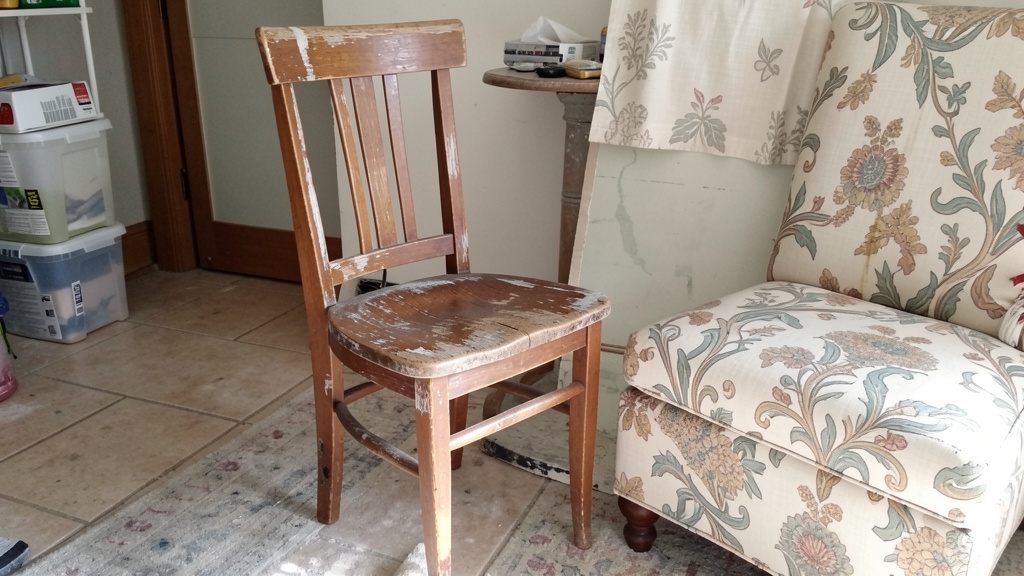
Move beyond quick paint jobs. Master a systematic framework to assess, restore, and reimagine vintage pieces into functional, beautiful additions for contemporary living—while avoiding common pitfalls and honoring each piece’s unique character.
Upcycling old furniture is far more than a weekend craft project or a budget hack. It is a conscious act of creation that bridges generations, reduces waste, and infuses your home with soulful character impossible to replicate with mass-produced items. Yet too many well-intentioned makers begin with enthusiasm only to face frustration: paint peeling after two weeks, hidden structural flaws, or a finished piece that feels disconnected from their modern aesthetic. This guide provides a clear path to overcome these challenges. Through a structured, step-by-step methodology grounded in craftsmanship principles and contemporary design psychology, you will learn to see potential where others see discarded objects—and execute transformations that endure in both quality and relevance. Whether you’re rescuing a water-stained dresser from a curb alert or reimagining a family heirloom for today’s lifestyle, this is your thoughtful roadmap to meaningful renewal.
Introduction: Why Upcycling Matters Beyond the Aesthetic
In an era of fast furniture and disposable culture, choosing to restore rather than replace carries significant environmental and personal value. Each thoughtfully revived piece helps reduce the volume of furniture entering waste streams while preserving embodied energy and craftsmanship often absent in new budget furniture. But the impact runs deeper than environmental considerations. There is profound psychological resonance in transforming an object with history. A scar on a tabletop becomes a story. A refinished drawer pull carries the memory of hands that used it decades ago. This isn’t mere nostalgia; it’s intentional curation of meaning in a homogenized world.
Critically, modern upcycling has evolved beyond the distressed-white-shabby-chic trend that dominated the early 2010s. Today’s most compelling transformations honor the original piece’s integrity while thoughtfully adapting it for contemporary needs: ergonomic adjustments, smart storage solutions, color palettes aligned with current design sensibilities (think warm neutrals, earthy terracottas, or deep forest greens), and finishes that prioritize durability without sacrificing beauty. This shift reflects a maturing movement—one where sustainability, functionality, and aesthetics converge with intentionality. As mindful consumption becomes increasingly valued, the thoughtful upcycler emerges not as a hobbyist, but as a steward of resources, history, and personal expression. This guide meets you at that intersection, providing the technical precision and creative framework to execute transformations that feel both fresh and timeless.
The TRIAD Framework: Your Blueprint for Thoughtful Transformation
Forget random inspiration pins and fragmented tutorials. Sustainable, satisfying upcycling benefits from a repeatable system—one that prevents wasted effort, preserves value, and ensures your finished piece feels authentically yours. Patterns observed across maker communities, restoration workshops, and design resources consistently point to a three-phase approach for successful transformations. We call it the TRIAD Framework—Assess, Restore, Reimagine. This isn’t merely chronological; it’s philosophical. Each phase builds deliberate intention before action, ensuring every decision serves the piece’s long-term purpose and your lived experience. Skipping Assessment may lead to structural regrets. Rushing Restoration can compromise longevity. Neglecting Reimagination may yield a piece that feels costumed, not cohesive. Let’s walk through each pillar with precision.
Step 1: Assess — Seeing Beyond the Surface
Before sandpaper touches wood or paint swatches hit the wall, pause. True transformation begins with deep observation. This phase separates impulsive projects from intentional creations. Set aside uninterrupted time. Work in good light. Have a notebook, phone camera, and basic tools (flashlight, screwdriver, magnifying glass) ready. Approach the piece with curiosity, not judgment.
Structural Integrity: The Non-Negotiable Foundation
Run your hands along every surface. Press joints firmly. Open and close drawers multiple times. Sit gently on chairs or benches. Listen and feel for:
– Wobbles or shifts in frames, legs, or aprons (indicates loose mortise-and-tenon joints, failed dowels, or cracked rails)
– Sponginess in tabletops, seats, or shelves (sign of water damage, rot, or delaminated veneer)
– Sticking or grinding in drawers (warped wood, misaligned runners, swollen slides)
– Visible cracks radiating from stress points (corners, leg attachments, hardware mounts)
Why this matters: No amount of beautiful finish compensates for instability. A wobbly chair is unsafe. A drawer that won’t close frustrates daily use. Structural flaws dictate your entire project scope. A minor loose joint requires wood glue and clamps. A cracked leg may need reinforcement. A water-damaged particleboard shelf? Often a candidate for replacement with solid wood—a decision made now, not after finishing.
Common mistake: Ignoring subtle instability because “it’s just a little wobble.” That wobble accelerates with use, worsening damage. Document flaws with photos labeled “Front Left Leg Joint,” “Top Surface Near Corner,” etc. This becomes your repair roadmap.
Material Identification: Your Finish and Technique Compass
What is this piece made of? The answer dictates every subsequent choice—sanding grit, adhesive type, paint compatibility, repair methods. Don’t guess. Investigate:
- Solid Wood: Look for continuous grain patterns wrapping edges. Feel weight—heavy = likely hardwood (oak, maple, walnut); lighter = softwood (pine, fir). Check undersides, backs, and drawer interiors where finishes are often thinner. Solid wood can be sanded, repaired, and refinished repeatedly. Clue: Dovetail joints on drawers often indicate solid wood construction.
- Veneer: A thin layer of real wood bonded to plywood or particleboard. Grain pattern may repeat unnaturally. Edges often show a “sandwich” layer. Critical: Sanding too aggressively burns through veneer, exposing the substrate beneath—a permanent flaw. Repair requires veneer-specific patches and adhesives.
- Laminate/Melamine: Plastic coating over particleboard. Feels smooth, cool, non-porous. Grain is printed, not textured. Cannot be stained. Requires special adhesion-promoting primers for paint. Deep scratches cannot be sanded out.
- Metal: Cast iron (heavy, intricate), steel (magnetic, often welded), aluminum (lightweight, non-magnetic). Rust levels dictate prep. Powder-coated finishes require specific stripping techniques.
- Upholstery: Note fabric type (cotton, velvet, leather), foam density (press firmly—does it spring back?), and frame material beneath (wood vs. metal). Smell for mildew or smoke.
Hypothetical example: You encounter a mid-century dresser with a warm honey tone. The drawer fronts have beautiful grain, but the sides feel unnaturally smooth and light. Inspection reveals the sides are plywood with a wood-grain laminate. The top is solid teak. This mixed construction means: you can strip and oil the top to enhance its natural beauty, but the laminate sides require gentle cleaning and a bonding primer before painting. Attempting to strip the laminate would destroy it.
Counter-example: Assuming all “wood-looking” furniture is solid wood leads to irreversible errors. Sanding a veneered tabletop aggressively might remove the decorative layer in minutes, leaving a blotchy, unusable surface. Material ID prevents such outcomes.
Historical Context & Emotional Resonance: Honoring the Story
Gently search for maker’s marks, labels, stamps, or patent numbers (inside drawers, on frame undersides, behind back panels). Researching these online may reveal:
– Era of manufacture (e.g., “Stickley” = Arts & Crafts movement; “Heywood-Wakefield” = mid-century)
– Original purpose (a small cabinet might be a vintage apothecary chest)
– Regional significance (certain styles correlate to geographic areas)
This isn’t solely about monetary value. It’s about respect. Does this piece have sentimental weight? Was it your grandmother’s sewing table? Does its Art Deco geometry spark genuine joy? Conversely, does it feel like a burden—a piece you “should” keep but don’t love? Be honest. Upcycling requires emotional and physical labor. Choose pieces that resonate with your story. Transforming a disliked heirloom into something you cherish can be deeply meaningful. Forcing a transformation on a piece you feel neutral about often leads to abandoned projects. Let resonance guide your commitment level.
The Fundamental Principle: Assessment is not delay—it is the strategic investment that prevents wasted time, materials, and heart. The most beautiful finish cannot save a flawed foundation, but a solid foundation elevates even the simplest finish.
Step 2: Restore — Honoring the Foundation
Restoration is where craftsmanship meets care. This phase repairs damage, stabilizes the piece, and prepares surfaces—not to erase history, but to ensure the piece functions safely and beautifully for years to come. Rushing here risks premature failure. Patience here builds legacy. Work in a well-ventilated area. Wear safety glasses and a respirator rated for dust (N95 minimum; P100 recommended for chemical stripping or lead paint concerns). Keep a dedicated workspace organized: repair zone, cleaning station, finishing area.
Repairing Structural Flaws: Joints, Cracks, and Wobbles
Loose Joints (Chairs, Tables, Frames): Disassemble if possible. Remove old glue residue. Apply fresh wood glue (Titebond III for water resistance) to both mating surfaces. Clamp firmly until glue squeeze-out appears. Wipe excess with a damp cloth. Clamp for 24 hours. For joints that won’t hold glue (stripped screw holes, severely worn mortises):
– Screw Hole Repair: Insert toothpicks or wooden matchsticks dipped in glue into the hole. Break flush. Re-drill pilot hole. Screw tight.
– Dowel Reinforcement: Drill out damaged area. Insert a glued hardwood dowel. Trim flush after drying. Re-drill for screw.
– Epoxy Fill: For large gaps or cracks, use a two-part wood epoxy (e.g., Abatron). Mix, pack into void, sculpt to shape before curing. Sands like wood.
Cracked Wood: Clean crack edges. Inject wood glue deep into the fissure using a syringe or thin applicator. Clamp across the crack with protective pads (cardboard, scrap wood) to prevent marring. Wipe excess. For hairline cracks in visible areas, mix fine wood dust (from sanding) with glue to create a custom-colored filler. Apply after clamping.
Wobbly Legs: Often caused by uneven floor contact. Place piece on a flat surface. Slide a business card under each leg. Note which legs have gaps. Remove legs if detachable. Sand the bottom of the long leg(s) incrementally until all legs contact evenly. For fixed legs, use self-adhesive felt pads of varying thicknesses on the short legs as a temporary fix—but address the root cause if feasible.
Safety Note: If you suspect lead paint (common on pieces manufactured before 1978), do not sand or heat-strip. Test with an EPA-recognized lead test kit (available at hardware stores). If positive, use a chemical stripper labeled “lead-safe” while wearing nitrile gloves and a P100 respirator. Contain debris in sealed plastic bags. Dispose per local hazardous waste regulations. When safety protocols feel overwhelming, consult a professional. Ethical upcycling prioritizes human health above all.
Surface Preparation: Cleaning, Stripping, and Smoothing
Cleaning First: Never skip this. Grime prevents adhesion. Mix 1 part white vinegar with 2 parts warm water. Dip a microfiber cloth (not dripping wet), wipe surfaces. For sticky residue (tape, labels), use rubbing alcohol on a cotton swab. For ingrained grime in carvings, use a soft toothbrush. Dry immediately with a clean cloth. For wood, follow with a light application of mineral spirits on a cloth to remove wax/oil residues—test in hidden area first. Never use harsh chemicals like bleach or ammonia on wood.
To Strip or Not to Strip? This is a pivotal decision. Ask:
– Is the existing finish severely damaged, peeling, or incompatible with your vision (e.g., dark stain under light paint)?
– Is the wood beautiful and you want to showcase its natural grain?
– Is there lead paint present (requiring careful stripping)?
If yes to any, stripping is warranted. If the existing finish is intact and you plan to paint over it, thorough cleaning and light sanding may suffice. Stripping methods:
– Chemical Stripper (Best for intricate pieces, veneer, lead-safe removal): Apply thick gel stripper (CitriStrip, Dumond Smart Strip) with brush. Wait per instructions (15-30 mins). Scrape gently with plastic or brass scraper (metal can gouge wood). Wipe residue with steel wool dipped in mineral spirits. Work in sections. Ventilate aggressively.
– Heat Gun (Use with caution): Only for solid wood with no veneer. Keep gun moving 6+ inches from surface. Soften finish, scrape immediately. Risk of scorching wood or releasing fumes. Not recommended for beginners.
– Sanding (Last resort for stripping): Only for robust solid wood with flat surfaces. Start coarse (80 grit) only where necessary, progress to medium (120), then fine (180-220). Always sand with the grain. Random orbital sander recommended. Creates significant dust—use vacuum attachment and respirator. Never sand veneer aggressively.
Sanding for Painting/Staining (When not stripping): Goal is “tooth”—a slightly rough surface for new finish to grip. Clean thoroughly first. Lightly sand entire surface with 150-180 grit sandpaper or sanding sponge. Focus on glossy areas. Wipe away ALL dust with tack cloth or microfiber dampened with mineral spirits. Dust is a common cause of imperfect finishes.
Stabilizing Problem Areas: Veneer, Water Rings, Odors
Lifting Veneer: Inject yellow wood glue under the flap using a syringe or thin knife. Place wax paper over the area, then a flat board. Clamp gently (excessive pressure cracks veneer). Wipe squeeze-out. Weight with books if clamping isn’t feasible. Dry 24+ hours.
Water Rings (White Haze): Often only in the finish, not the wood. Try:
1. Mayonnaise method: Rub small amount into ring with soft cloth. Wait 1 hour. Wipe clean. (Oil penetrates finish haze).
2. Toothpaste method: Non-gel toothpaste on damp cloth. Rub gently with grain. Wipe clean.
3. For stubborn rings: Lightly rub with #0000 steel wool dipped in mineral spirits. Test hidden area first.
Persistent Odors (Smoke, Mildew, Pet):
– Vacuum interiors thoroughly.
– Place open containers of baking soda, activated charcoal, or coffee grounds inside drawers/cabinets for 48-72 hours.
– Wipe interiors with 1:1 water/vinegar solution. Dry completely.
– For severe cases: Lightly sand interior surfaces (if accessible) to remove odor-absorbing finish layer. Seal with shellac-based primer (BIN) which blocks odors effectively before repainting.
Restoration is reverence. Each repaired joint, each smoothed surface, is a commitment to the piece’s future: This piece matters. It will endure.
Step 3: Reimagine — Crafting Your Modern Narrative
Now—the creative ignition. Reimagination is where your personal style dialogues with the piece’s inherent character. This is not about masking history, but curating a new chapter. Avoid the trap of asking, “What color is trendy?” Instead, ask: “How should this piece feel in my home? What function must it serve today?” Anchor your choices in three pillars: Function, Harmony, Intention.
Defining Your Design Vision: Beyond Color Swatches
Start with function. Be specific:
– Original: Clunky 1980s oak desk with bulky pedestal drawers.
– Modern Need: A compact workspace for a small apartment that also stores art supplies and hides cords.
– Reimagined Vision: Remove one pedestal. Replace with open shelving for baskets. Paint desk body matte charcoal. Stain the remaining wood top in light oak for warmth. Add under-desk cable management tray. Swap bulky pulls for minimalist black bar pulls.
This functional shift drives every aesthetic choice. Without this clarity, you risk a “pretty but impractical” result. Next, consider harmony. Pull a fabric swatch, paint chip, or photo of your room. Does the piece need to:
– Blend: Match existing tones for seamless integration? (e.g., painting a side table the same white as your bookshelves)
– Anchor: Provide visual weight and contrast? (e.g., a deep navy console against a light wall)
– Accent: Introduce a new color or texture to energize the space? (e.g., a mustard-yellow chair in a neutral living room)
Create a simple mood board (digital or physical). Include:
– 1 photo of the empty space where the piece will live
– 2-3 fabric/textile samples from the room
– 1-2 color swatches (paint chips work)
– 1 inspiration image of a feeling (e.g., “calm,” “energetic,” “cozy”)
This board becomes your North Star during decision fatigue. Finally, honor intention. Does this piece tell a story you want to share? A child’s first desk transformed into a plant stand? A salvaged door becoming a rustic dining table? Weave that narrative into subtle details: engraving a date on the underside, using hardware from a meaningful source, choosing colors that reflect a cherished memory. Intention transforms object into artifact.
Color and Finish Selection: Psychology Meets Practicality
Color carries emotional weight. Consider the role of your choices:
– Warm Neutrals (Cream, Oatmeal, Greige): Create calm, spaciousness. Ideal for high-traffic pieces (dressers, consoles) where versatility matters. Tip: Avoid pure white on large pieces—it can feel sterile. Opt for “bone,” “ivory,” or “cloud” with subtle warmth.
– Earthy Tones (Sage, Terracotta, Clay): Evoke groundedness and organic connection. Perfect for bedrooms, reading nooks. Pair with natural textures (jute, linen, wood).
– Deep Hues (Forest Green, Navy, Charcoal): Add sophistication and depth. Use on statement pieces (armoire, credenza). Balance with ample lighting and light-colored accessories.
– Unexpected Accents (Mustard, Rust, Deep Teal): Inject personality. Best on smaller pieces (side chairs, stools, small cabinets) or as an interior surprise (paint drawer interiors a vibrant color).
Finish Matters as Much as Color:
– Matte/Flat: Hides surface imperfections beautifully. Modern, sophisticated. Less durable—best for low-touch pieces (headboards, display cabinets). Requires gentle cleaning.
– Satin/Eggshell: A versatile finish. Subtle sheen (10-25% gloss). Hides minor flaws while offering good durability. Ideal for most furniture (dressers, tables, chairs). Wipes clean easily.
– Semi-Gloss/Gloss: High shine (40-85% gloss). Extremely durable, moisture-resistant. Highlights every brushstroke and surface flaw—requires flawless prep. Best for high-moisture areas (bathroom vanities) or intentional statements. Modern Take: Use gloss on just the drawer fronts of a matte-painted dresser for dynamic contrast.
Paint Type Considerations:
| Paint Type | Best For | Pros | Cons | Considerations for Modern Makers |
|————|———-|——|——|————————|
| Chalk-Style Mineral Paint | Beginners, Distressed Looks, Veneer/Laminate | Minimal prep often needed, matte finish, easy distressing | Less durable alone, requires topcoat, can be pricey | Excellent starter choice. Always seal with wax or poly for durability. |
| Milk Paint | Authentic Vintage Looks, Raw Wood | Bonds chemically to raw wood, beautiful organic texture | Unpredictable on sealed surfaces, requires mixing powder | For those seeking organic texture. Test extensively first. |
| Acrylic/Latex (High-Quality) | Most Projects, Durability, Budget | Affordable, wide color range, low odor, water cleanup | Requires thorough prep on non-porous surfaces | Highly versatile. Use premium brand (Benjamin Moore Advance, Sherwin-Williams Emerald). |
| Oil-Based | High-Wear Surfaces, Smooth Finish | Extremely hard, smooth application | Strong fumes, slow dry, requires mineral spirits cleanup | Declining use due to VOCs. Consider water-based alkyd alternatives. |
| Spray Paint (Enamel) | Metal, Small Details, Hardware | Smooth finish, fast coverage | Overspray risk, requires masking, fumes | Perfect for updating pulls, legs, or metal frames. Use outdoors with respirator. |
Critical Application Insight: Regardless of paint type, primer is essential for longevity on previously finished surfaces, laminate, or metal. It seals stains (like water rings or ink), ensures uniform color, and creates a mechanical bond. For dark-to-light transitions or blocking tannins in oak (which bleed through light paint), use a shellac-based primer like Zinsser BIN. For most other scenarios, a bonding primer like INSL-X STIX is ideal. Skipping primer often leads to premature finish failure.
Hardware and Detailing: The Jewelry of Furniture
Hardware transforms a piece’s era and energy. Measure carefully before purchasing:
– Center-to-Center (C-C): Distance between screw holes. Standard sizes: 3″ (76mm), 3.5″ (89mm), 5″ (128mm). Bring old hardware to store or use a template.
– Projection: How far the pull extends from the surface. Critical for clearance (e.g., near walls).
– Bore Diameter: Hole size in drawer front. Most modern pulls fit standard 3/8″ holes.
Style Shifts:
– From Traditional to Modern: Swap ornate knobs for slim black bar pulls, brushed nickel cup pulls, or integrated finger pulls (requires routing).
– From Bland to Character: Replace basic bin pulls with ceramic knobs, leather straps, or vintage finds (check salvage yards, online marketplaces).
– Budget-Friendly Option: Refinish existing hardware! Clean thoroughly, use self-etching primer, then high-adhesion enamel spray. Seal with clear coat. Looks custom for minimal cost.
Beyond Pulls:
– Leg Updates: Replace dated tapered legs with hairpin legs (metal), tapered wood legs, or casters for mobility. Ensure mounting plates match existing screw patterns or fill old holes.
– Edge Details: Add decorative trim (molding, rope twist) to drawer fronts or table edges before painting. Creates shadow lines and dimension.
– Interior Surprises: Paint drawer interiors a contrasting color. Line shelves with removable peel-and-stick wallpaper. Add felt pads to drawer bottoms for quiet closing.
Functional Adaptations: Designing for Today’s Life
True reimagination solves modern problems. Ask: “How can this piece serve my current life better?”
– Storage Optimization: Add velvet-lined jewelry trays inside a dresser drawer. Install pull-out organizers in deep cabinets. Attach under-shelf baskets to open shelving.
– Tech Integration: Drill discreet cord holes in desks or media consoles. Mount a slim power strip inside a cabinet with a magnetic closure. Add wireless charging pad to a nightstand top (requires routing and sealing).
– Ergonomic Tweaks: Shorten a dining table leg by 1″ for comfortable seating with modern chairs. Add a cushioned seat to a hard wooden bench. Install soft-close hinges on cabinet doors.
– Multi-Functionality: Transform a trunk into a coffee table with a custom-cut glass top (leave space for storage access). Convert a bookshelf into a room divider with added backing fabric. Add casters to a heavy cabinet for flexible room layout.
Document your reimagination plan: “Paint body Sherwin-Williams Agreeable Gray (matte). Stain top Minwax Provincial. Replace pulls with 3.5″ black bar pulls. Add felt liners to top drawers.” This prevents mid-project uncertainty. Reimagination is where your voice speaks loudest—let it be clear, confident, and kind to the piece’s soul.
Mastering Core Techniques: From Sanding to Sealing
Theory meets practice. These deep dives translate framework principles into actionable skill. We cover four foundational techniques with layered detail: recommended method, budget adaptation, emergency fix, common pitfalls, and nuanced considerations. Mastery here builds confidence for any project.
Painting Like a Pro: Achieving Flawless, Durable Results
Recommended Method:
1. Prep: Clean thoroughly. Lightly sand entire surface with 180-grit. Wipe dust with tack cloth. Apply bonding primer. Lightly sand primer with 220-grit when dry. Wipe again.
2. Paint: Use high-quality synthetic brush (angled sash brush for edges, flat brush for panels) or mini foam roller for large flat surfaces. Thin paint slightly with water (5-10%) for smoother flow. Apply thin, even coats with the grain. Maintain a “wet edge” to avoid lap marks. Let first coat dry per can instructions (usually 2-4 hours).
3. Second Coat: Lightly sand with 320-grit sandpaper between coats for adhesion. Wipe dust. Apply second coat. For high-wear pieces (tables, chairs), apply third coat.
4. Topcoat: After final paint coat cures 24 hours, apply water-based polyurethane (Minwax Polycrylic) in satin finish. Use foam brush. Thin first coat 10% with water. Sand very lightly with 400-grit between coats. Two topcoats recommended. Cure 72 hours before heavy use.
Why thin coats? Thick paint drips, takes longer to dry, and may remain tacky. Thin coats dry faster, harder, and smoother. Patience between coats prevents “blocking” (paint sticking to itself when surfaces touch).
Budget Adaptation:
– Skip dedicated primer if using high-adhesion paint like General Finishes Milk Paint on raw wood, or chalk paint on clean, lightly sanded surfaces. Still sand between coats.
– Use painter’s tape meticulously for clean lines instead of freehand brushing edges.
– Topcoat with paste wax (for low-wear pieces like headboards) instead of polyurethane. Buff after 24 hours. Reapply wax annually. Less durable but beautiful matte finish.
Emergency Fix (Peeling Paint):
– Stop using the piece. Sand only the peeling area down to bare wood/substrate. Feather edges into surrounding good paint. Clean. Apply spot primer. Match paint color precisely (keep leftover paint!). Blend carefully. Seal entire surface with compatible topcoat to unify sheen. Prevention through proper prep avoids this scenario.
Critical Nuance: Temperature and Humidity. Paint in 60-80°F (15-27°C) with low humidity (<70%). Cold temperatures slow drying and reduce adhesion. High humidity can cause a tacky finish or bubbles. Avoid painting in direct sunlight—it dries the surface too fast, potentially causing cracks.
Hypothetical Scenario: Painting a laminate bookshelf white.
– Common Mistake: Skipping primer. Paint may peel within weeks due to laminate’s non-porous surface.
– Solution: Clean with TSP substitute. Lightly scuff with 220-grit. Apply INSL-X STIX primer. Sand lightly. Paint with two thin coats of high-quality white latex. Topcoat with Polycrylic. Result: durable, smooth finish that lasts.
The Art of Staining: Enhancing Wood’s Natural Beauty
Staining is not about covering wood—it’s about conversing with it. Grain, pores, and species dramatically affect outcome. Test always on an inconspicuous area (inside drawer, bottom of leg).
Recommended Method:
1. Prep: Strip to bare wood if changing stain color significantly. Sand progressively: 120 → 150 → 180 grit. Crucial: Sand with the grain. Cross-grain scratches show darkly when stained. Remove all dust.
2. Condition (For Softwoods like Pine): Apply wood conditioner (Minwax Pre-Stain). Wait 5-15 mins. Wipe excess. Prevents blotchiness by sealing pores evenly.
3. Apply Stain: Stir (don’t shake—creates bubbles). Use lint-free cloth or foam brush. Flood surface. Wait 5-15 minutes (darker = longer). Wipe thoroughly with clean cloth with the grain. Excess stain = sticky surface, uneven color.
4. Dry & Topcoat: Wait 24 hours. Apply 2-3 coats of oil-based polyurethane (for amber tone) or water-based (for clarity). Sand lightly with 220-grit between coats. Final cure: 30 days for full hardness.
Budget Adaptation:
– Use gel stain (General Finishes Gel Stain) on previously finished wood without stripping. It sits on surface, less affected by underlying color. Still requires cleaning and light sanding. Great for darkening oak cabinets without full strip.
– Skip conditioner on hardwoods (oak, maple, cherry)—they stain more evenly. Still essential for pine, birch, maple.
Emergency Fix (Stain Blotches or Too Dark):
– Blotches on softwood: Sand affected area back to bare wood. Reapply conditioner meticulously. Restain.
– Too dark: Lightly sand surface with fine steel wool (0000) dipped in mineral spirits. This lifts some stain. Wipe clean. Assess. Repeat if needed. Seal immediately after to stop further lifting. Prevention: Always do a test board first.
Species Matters Deeply:
– Oak: Open grain absorbs stain deeply. Shows dramatic figure. Prone to blotching without conditioner on white oak.
– Maple/Birch: Tight grain. Stains unevenly—blotchy without conditioner. Often better painted or used with gel stain.
– Cherry/Walnut: Beautiful naturally. Often finished with clear coat only. Staining can mute their rich tones.
– Pine: Very soft, resinous knots. Knots resist stain—use knot sealer first if uniformity desired. Embrace knots for rustic charm.
Contemporary Approach: “Liming” or “Whitewashing.” Mix 1 part white paint (latex) with 2 parts water. Apply over stained wood. Wipe aggressively to leave white only in grain recesses. Creates airy, Scandinavian feel. Seal well.
Reupholstering Basics: Breathing New Life into Seats
Start simple: dining chair seats, ottomans, or bench cushions. Avoid complex curved frames or button-tufting initially.
Recommended Method (Dining Chair Seat):
1. Document & Remove: Photograph screw placement and fabric orientation before disassembly. Remove seat from frame. Label fabric pieces with masking tape (“Front,” “Left”). Note staple/nail pattern.
2. Remove Old Fabric: Use flathead screwdriver and pliers to pry out staples. Save fabric as template. Clean frame. Repair tears in padding with spray adhesive.
3. Cut New Fabric: Lay old fabric on new fabric (right sides together if patterned). Add 2-3″ margin. Cut. Critical: Align pattern direction consistently across multiple chairs.
4. Attach: Center fabric on seat. Pull taut. Staple center of each side first. Work toward corners, pulling evenly. Fold corners like wrapping a present. Staple securely. Trim excess.
5. Reattach: Screw seat back to frame. Ensure screws are tight but not stripping wood.
Budget Adaptation:
– Slipcovers: For chairs with simple shapes, create or buy a tailored slipcover. No disassembly needed. Use upholstery-weight fabric.
– Fabric Glue: For minor tears or loose edges on existing upholstery, use high-strength fabric glue (Beacon Fabri-Tac) instead of reupholstering entire piece. Clean area first. Clamp until dry.
Emergency Fix (Small Tear):
– From underside, place patch of fusible interfacing over tear. Iron per instructions to bond. From top, use fabric marker matching color to disguise. For visible areas, hand-stitch with matching thread using ladder stitch.
Padding Matters: Replace flattened foam with new high-density foam (1.8 lb density minimum). For vintage comfort, use layered batting over foam. Avoid low-density craft foam—it compresses permanently within months.
Safety Note: If dealing with pre-1980 upholstery, be aware that older padding materials may contain hazardous substances. Do not disturb suspicious materials. Consult a professional if uncertain. When in doubt, replace all padding materials with modern, safe alternatives.
Creative Surface Treatments: Beyond Paint and Stain
Expand your toolkit with techniques that add unique character:
Decoupage (Mod Podge Mastery):
– Recommended: Use laser-printed images (inkjet smudges). Seal image first with clear acrylic spray. Apply Mod Podge Matte to surface. Position image. Smooth bubbles with credit card wrapped in cloth. Seal with 3+ thin coats of Mod Podge, sanding lightly with 400-grit between coats. Final seal with water-based polyurethane for durability. Perfect for: Drawer fronts, tabletops (use trivet!), cabinet doors.
– Budget: Use magazine pages, sheet music, or maps. Seal thoroughly—paper is fragile.
– Pitfall: Bubbles. Prevent by applying medium to both surface and back of paper. Work from center outward.
Stenciling:
– Secure stencil with low-tack spray adhesive. Use stencil brush (dense, short bristles). Dip tip in paint, wipe excess on paper towel. Dab straight down—don’t swipe. Build color gradually. Lift stencil straight up. Clean stencil immediately. Tip: For shadow effect, lightly dry-brush contrasting color along stencil edge after main color dries.
Wood Burning (Pyrography):
– Requires dedicated wood-burning pen. Practice on scrap wood first. Work slowly. Vary temperature for line depth. Ideal for: Personalizing drawer fronts, adding subtle motifs to table edges. Safety: Work in ventilated area. Never leave pen unattended. Keep water nearby.
Concrete Overlay (For Tabletops):
– Advanced technique. Sand surface aggressively. Apply concrete bonding adhesive. Mix feather-finish concrete (Ardex) to pancake batter consistency. Trowel on 1/8″ thick. Smooth. Cure 72 hours. Seal thoroughly with concrete sealer (multiple coats). Note: Heavy. Ensure table base can support weight. Research extensively before attempting.
Each technique demands respect for the material. Test relentlessly. Document your process. Your unique perspective is the most valuable ingredient.
Navigating Common Frictions: Solutions for Real-World Challenges
Even with meticulous planning, friction arises. These are not failures—they are expected waypoints on the maker’s journey. How you navigate them defines your growth. Below, we address frequent pain points with actionable solutions, mindset shifts, and ethical considerations.
“I Started Sanding and Found Damage Underneath!”
This is a common concern. Breathe. Damage revealed is damage addressed, not ignored. Assess severity:
– Minor: Shallow scratches, small dents. Fill with wood filler matching species (Minwax Stainable Wood Filler). Sand smooth after drying. Stain/paint over.
– Moderate: Deep gouges, cracked veneer. For solid wood: Use epoxy wood filler (Abatron). Sculpt to shape. Sand. For veneer: Cut patch from scrap veneer. Glue with contact cement. Clamp. Sand flush. Accept slight visibility—it’s part of the story.
– Severe: Large missing sections, structural rot. Options:
1. Creative Repair: Inlay a contrasting wood “butterfly” key across cracks (both stabilizes and decorates).
2. Functional Adaptation: Convert a damaged tabletop into a lower shelf. Repurpose salvageable parts (legs, drawers) into a new piece.
3. Professional Consultation: For pieces of significant historical or sentimental value beyond your skill, seek a qualified conservator or woodworker. Cost may be justified by emotional value.
– Mindset Shift: Imperfections repaired with care become signatures of authenticity. Japanese kintsugi (repairing pottery with gold) celebrates breaks as part of an object’s history. Your visible repair tells a story of resilience.
“The Paint is Peeling/Bubbling/Not Covering!”
Diagnose the root cause—symptom treatment fails without it:
– Peeling: Poor adhesion. Cause: Inadequate cleaning (grease/wax), skipping primer on non-porous surface, painting over unstable old finish. Fix: Sand affected area to sound surface. Clean meticulously. Prime. Repaint. Seal entire piece to unify.
– Bubbling: Moisture trapped under paint, or painting in high humidity. Fix: Sand bubbles smooth. Ensure piece is completely dry. Repaint in optimal conditions. Apply thinner coats.
– Poor Coverage (Especially White over Dark): Skipping tinted primer. Fix: Sand lightly. Apply gray or brown primer (reduces number of topcoats needed). Repaint. Prevention: Always use primer for drastic color changes. Tint primer close to topcoat color.
“I’m Unsure About the Color I Chose!”
This is common and fixable.
– Before Topcoat: Sand lightly with 220-grit. Wipe clean. Prime if switching to drastically lighter color. Repaint.
– After Topcoat: Requires more work. Lightly sand entire surface to “scuff” the topcoat for new paint adhesion. Clean. Prime. Repaint.
– Creative Pivot: Instead of full repaint, use the existing color as a base for distressing (sand edges to reveal underlying color), stenciling, or adding decorative trim to shift focus. Sometimes an unexpected outcome sparks a better idea.
– Prevention Strategy: Paint a large cardboard box or wood scrap with your chosen color. Live with it for 24 hours in the room where the furniture will reside. View at different times of day. This eliminates most color uncertainty.
Budget Constraints: Making Thoughtful Choices
Upcycling is inherently economical, but costs add up. Smart allocation maximizes impact:
– Prioritize: Spend on structural repairs (glue, clamps) and quality topcoat (durability). Save on paint—sample pots often cover small pieces. Use leftover house paint for interiors of cabinets/drawers.
– Source Creatively:
– Hardware: Check Habitat for Humanity ReStores, salvage yards, online vintage lots.
– Fabric: Repurpose old curtains, blankets, or durable clothing (denim seats are resilient!).
– Tools: Borrow from library tool-lending programs, friends, or use community workshops (makerspaces).
– Time vs. Money Trade-off: Hand-sanding takes longer but costs nothing. Waiting for optimal weather to paint outdoors saves on ventilation costs. Embrace the process—slowness builds connection to the piece.
Time Constraints: The Phased Approach
Break projects into discrete, achievable sessions. Protect your energy:
– Session 1 (2 hrs): Assessment, cleaning, minor repairs.
– Session 2 (3 hrs): Priming (fast-drying primer allows painting next day).
– Session 3 (2 hrs): First paint coat.
– Session 4 (2 hrs): Second coat + topcoat.
– Session 5 (1 hr): Reassemble, add hardware.
Use products with shorter recoat times where appropriate:
– Primer: Zinsser Bulls Eye 1-2-3 (recoatable in 1 hour)
– Paint: Benjamin Moore Advance (water clean-up, durable finish)
– Topcoat: Minwax Polycrylic (dries in 2 hours)
Critical: Respect drying times. Rushing causes smudges, dust nibs, poor adhesion. Patience within the schedule is non-negotiable.
Ethical Considerations: When Not to Upcycle
True stewardship requires discernment:
– Antiques of Significant Historical Value: Pieces by recognized makers (e.g., Stickley, Eames) or with documented provenance may belong in conservation, not alteration. Research before altering. When in doubt, consult an appraiser. Preserving cultural heritage honors the craft.
– Toxic Materials: As noted earlier, lead paint requires safe handling. Similarly, older foam may contain outdated fire retardants. Replace padding entirely with modern, safe materials. Your health is paramount.
– Mindful Consumption: Upcycling one piece while discarding others isn’t sustainability. Focus on keeping items in use. If you lack space or need for a transformed piece, gift it thoughtfully or sell to someone who will cherish it. The goal is reducing net waste, not accumulating projects.
Friction is feedback. Each challenge overcome deepens your skill and connection to the work. You are not just fixing furniture—you are cultivating resilience, creativity, and mindful consumption.
Your Questions, Answered
Q: How do I know if a piece of furniture is worth upcycling? What are signs it may not be suitable?
A: Prioritize pieces with solid construction (dovetail joints, mortise-and-tenon joints), solid wood components (especially on visible surfaces), and sound structural integrity. It may be best to reconsider if: the frame is severely warped or cracked beyond practical repair; particleboard is swollen from water damage (it cannot be restored); the cost/time of repairs exceeds the piece’s functional or sentimental value to you; or it harbors pervasive mold/mildew that cannot be eradicated. Trust your assessment—if the foundational flaws feel overwhelming, it likely is. Your time and emotional energy are valuable resources.
Q: Can I upcycle furniture with veneer? I’m concerned about damaging it.
A: Absolutely—and veneer pieces are often excellent candidates! The key is gentle handling. Never use coarse sandpaper (under 180 grit) or aggressive power sanding. Clean thoroughly first. For painting: Lightly scuff with 220-grit sandpaper or a sanding sponge just to remove gloss. Wipe clean. Apply a bonding primer specifically designed for slick surfaces (INSL-X STIX). Then paint. For refinishing to show wood: Use chemical stripper gently with plastic scrapers. Avoid heat guns. If veneer is lifting, re-glue it before proceeding. Veneer, when treated respectfully, can yield stunning results.
Q: What’s the most commonly overlooked step that leads to project issues?
A: Surface preparation—specifically, cleaning and priming. Skipping thorough cleaning leaves oils, waxes, or grime that prevent paint adhesion, leading to peeling. Skipping primer on non-porous surfaces (laminate, metal, previously finished wood) or when making drastic color changes results in poor coverage, bleed-through, or premature wear. Investing 30 extra minutes in meticulous prep saves hours of frustration and redoing work later. It is the non-negotiable foundation of durability.
Q: How do I safely handle furniture that might have lead paint?
A: Safety is paramount. First, test with an EPA-recognized lead test kit (available at hardware stores). If positive:
1. Work outdoors or in a well-ventilated area isolated from living spaces.
2. Wear a P100 respirator (not a dust mask), nitrile gloves, and disposable coveralls.
3. Use a chemical paint stripper labeled “lead-safe.” Avoid sanding or heat guns, which create toxic dust/fumes.
4. Contain all debris in sealed plastic bags.
5. Clean workspace thoroughly with a HEPA vacuum and damp cloths.
6. Dispose of waste per local hazardous material regulations. When uncertainty exists, consult a professional trained in lead-safe practices. Your health is irreplaceable.
Q: My painted piece feels sticky/tacky days after finishing. What happened and how do I fix it?
A: This “blocking” is usually caused by high humidity during application, applying coats too thickly, or insufficient drying time between coats. To fix: Ensure the piece is in a warm (70°F/21°C), dry, well-ventilated area. Allow extended drying time—sometimes up to 7-10 days for full cure in humid conditions. Do not place objects on the surface. If still tacky after two weeks, lightly sand the entire surface with 320-grit sandpaper, wipe clean, and apply a thin coat of water-based polyurethane (Polycrylic), which often seals and hardens the surface. Prevention: Monitor conditions, apply thin coats, and strictly follow manufacturer’s recoat times.
Q: Can I upcycle particleboard or MDF furniture? Is it worth the effort?
A: Yes, but with managed expectations. Particleboard and MDF are less durable than solid wood and vulnerable to moisture. They can be successfully painted if: the surface is intact (no swelling or crumbling), you clean thoroughly, lightly sand to scuff the surface, apply a high-adhesion primer (BIN shellac-based primer seals edges well), and use quality paint with a protective topcoat. Avoid stripping or heavy sanding—they lack a real wood layer. Focus on pieces where the substrate is stable. Ideal candidates: bookshelves, cabinets with laminate surfaces, desks. Avoid pieces with water damage or structural weakness. The transformation is primarily aesthetic; longevity depends on gentle use and dry environments.
Q: How do I choose hardware that feels current but won’t look dated quickly?
A: Focus on timeless shapes and quality finishes over trendy details. Opt for simple geometric forms: slim bar pulls, rounded cup pulls, or minimalist knobs. Finishes with enduring appeal: matte black, brushed brass (not shiny gold), satin nickel, or unlacquered brass (which develops a natural patina). Avoid overly ornate designs or highly reflective finishes. When in doubt, observe hardware in well-designed showrooms—they often invest in timeless aesthetics. Also, consider scale: hardware should feel proportional to the piece (larger pulls for wide drawers).
Q: What’s the best way to distress furniture for a vintage look without making it look messy?
A: Intentionality is key. Distressing should mimic natural wear patterns: edges, corners, and high-contact areas (drawer fronts where hands rest). Methods:
1. Before Painting: Lightly dent edges with a hammer chain or screwdriver for authentic dings.
2. After Painting, Before Topcoat: Use medium-grit sandpaper (120-150) or sanding block. Focus on edges, corners, and raised details. Wipe away dust. For layered color (e.g., white over gray), sand just enough to reveal the base coat subtly.
3. Dry Brushing: Dip brush lightly in contrasting paint, wipe almost all off on paper towel, then lightly drag over surface—highlights texture.
Golden Rule: Step back frequently. Less is more. Stop before you think you should. Authentic wear is subtle.
Q: How long should I wait before using my upcycled piece?
A: Drying time (surface dry to touch) is not curing time (full hardness and durability). Follow product labels, but general guidelines:
– Paint: Wait 24 hours before light handling.
– Water-based polyurethane (Polycrylic): Wait 24 hours between coats; 72 hours before light use; 7 days for full cure.
– Oil-based polyurethane: Wait 24 hours between coats; 4 days before light use; 30 days for full cure.
– Paste wax: Buff after 24 hours; avoid heavy use for 7 days.
When in doubt, wait longer. Placing a heavy object or sliding items too soon can mar the finish permanently. Patience ensures longevity.
Q: I’m nervous about starting. What’s a good beginner-friendly project to build confidence?
A: Start small and low-stakes. Ideal first projects:
– A solid wood picture frame (practice sanding, staining, painting)
– A small wooden stool or plant stand (simple structure, minimal surface area)
– A single dining chair seat (focus on reupholstering one component)
– A wooden crate or small box (great for practicing paint techniques, stenciling, or decoupage)
Choose a piece you won’t be heartbroken over if mistakes happen. The goal is to learn the process—cleaning, prepping, applying finish—without pressure. Success on a small scale builds the confidence to tackle larger pieces. Remember: every skilled maker started with a first project that wasn’t perfect. Progress, not perfection, is the aim.
Conclusion: The Ripple Effect of One Transformed Piece
You now hold more than techniques—you hold a perspective. Upcycling, at its heart, is a practice of mindful creation. It asks us to slow down, to see potential where others see obsolescence, and to honor the journey of materials across time. As you stand before your finished piece—the smooth glide of a drawer, the rich depth of a restored wood grain, the quiet satisfaction of a color chosen with intention—remember the layers of meaning embedded within it. You diverted waste. You preserved craftsmanship. You solved a problem with creativity. You infused your home with a story only you could tell.
Let’s crystallize the journey:
1. Assessment is wisdom. Taking time to understand a piece’s structure, material, and story prevents wasted effort and honors its legacy.
2. Restoration is respect. Repairing flaws and preparing surfaces with care ensures longevity and safety—it’s the quiet work that makes beauty endure.
3. Reimagination is voice. Aligning function, harmony, and personal intention transforms an object into a meaningful extension of your life.
Before you reach for sandpaper on your next project, embrace The 24-Hour Rule: After your initial assessment and visioning, wait one full day before taking irreversible action. Live with the piece. Sketch ideas. Sleep on color choices. This pause cultivates clarity and prevents impulsive decisions born of fleeting inspiration. It is the mark of a thoughtful maker.
Zoom out further. Your single transformed dresser, chair, or shelf is a node in a larger cultural shift. Each piece you revive weakens the grip of disposable culture. It sparks conversation with guests (“Where did you find this?”). It teaches children that broken things can be mended, that history has value, that creativity solves problems. This work ripples outward—into your community, your consumption habits, your understanding of beauty. You are not just making furniture; you are cultivating a legacy of care.
So go gently. Start where you are. Use what you have. Do what you can. The world needs more makers who choose transformation over trash, patience over haste, and meaning over mass production. Your hands, guided by intention, are capable of remarkable things. Now, go find that piece waiting for its next chapter. It’s been waiting for you.
Explore Our Complete System:
The Sustainable Workshop: Essential Tools for the Home Upcycler | Color Alchemy: A Modern Maker’s Guide to Paint and Finish Psychology | Thrift Store Treasure Hunt: A Field Guide to Spotting Hidden Potential | Beyond the Brush: Advanced Techniques for Furniture Artistry | The Ethical Maker: Navigating Sustainability and Sentiment in Home Projects | From Floor to Ceiling: Upcycling Projects for Every Room in Your Home | The Repair Mindset: Fixing Furniture (and Fostering Resilience) in a Disposable World