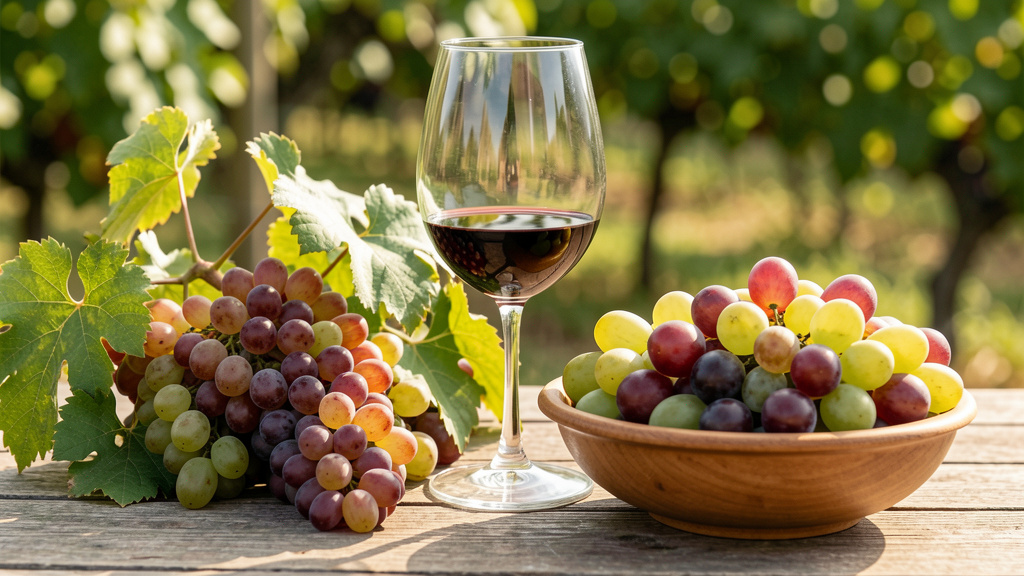
Navigate every stage of grape cultivation—from selecting resilient varieties and nurturing healthy vines to making informed harvest choices that honor your goals, whether crafting small-batch wine or enjoying sun-ripened clusters fresh from the vine.
Whether you envision pressing your first vintage in a garage corner or sharing crisp, juicy grapes at a weekend breakfast, the journey from a dormant sapling to harvest offers deep connection to nature’s rhythms. This guide thoughtfully integrates time-tested horticultural principles with adaptable modern practices, clarifying where paths diverge between wine and table production—and where they harmoniously overlap. You’ll learn how soil biology influences flavor development, why pruning decisions today shape next season’s potential, and how to read your vine’s subtle cues. No prior experience is needed—only curiosity, patience, and a willingness to observe and respond.
Introduction: Why Grapes Captivate Gardeners Across Generations
Grapes represent one of humanity’s most enduring cultivated partnerships. Evidence suggests intentional grape cultivation began over 8,000 years ago in the South Caucasus region, linking today’s home growers to a profound agricultural legacy. This continuity offers uniquely meaningful rewards: sustainable food production, living landscape artistry, and the quiet satisfaction of nurturing life across seasons. Unlike annual crops requiring yearly replanting, a well-sited grapevine becomes a perennial companion—deepening roots, expanding canopy, and yielding increasing abundance with thoughtful care. Contemporary research and centuries of grower observation confirm that success depends less on specialized equipment than on understanding core biological rhythms and responding intentionally at key moments. This guide translates those insights into clear, adaptable steps whether your vision includes sharing homemade wine with friends or watching children reach for clusters heavy with morning dew. The journey begins not with soil preparation, but with clarifying your purpose—and recognizing that many vines gracefully serve dual roles with mindful stewardship.
The Dual-Path Framework: Understanding Wine vs. Table Grapes Before You Plant
Before selecting a single vine, recognize the fundamental biological distinctions shaping your entire growing experience. Wine and table grapes are cultivated for different sensory and functional outcomes. Confusing their traits often leads to disappointment: expecting plump seedless varieties to yield complex wine, or harvesting thick-skinned wine grapes for fresh eating. This framework clarifies the divergence rooted in plant genetics and grower intention.
Wine grape varieties (primarily Vitis vinifera types like Cabernet Sauvignon, Chardonnay, Pinot Noir) emphasize concentration and structural components:
– Smaller berries with higher skin-to-juice ratio (skins contribute tannins, color, and aromatic compounds essential for fermentation)
– Thicker skins that withstand processing and add complexity
– Higher sugar accumulation (typically ripening between 22–26° Brix) to support alcohol conversion
– Prominent seeds that influence tannin structure during maceration
– Tighter clusters acceptable due to prompt post-harvest processing
– Balanced acidity critical for microbial stability and aging potential
Table grape varieties (including Vitis vinifera and hybrids like Flame Seedless, Crimson, Muscat Hamburg) prioritize immediate eating pleasure:
– Larger, uniform berries with visual appeal
– Thin, edible skins requiring no removal
– Crisp, juicy flesh with refreshing sweetness (typically 16–20° Brix at harvest)
– Seedlessness in most modern cultivars for convenience
– Looser clusters promoting airflow to reduce mold during storage
– Milder acidity suited for direct consumption
Importantly, versatile dual-purpose varieties exist for space-conscious or exploratory growers. Niagara (white, aromatic), Concord (purple, robust), and Himrod (golden seedless) can yield enjoyable fresh fruit while producing approachable homemade wine. A grower in the Upper Midwest might cultivate cold-hardy Marquette primarily for red wine yet reserve the earliest perfectly ripe clusters each August for cheese boards—a practical, joyful middle path. University trial data indicates varieties like Valiant demonstrate exceptional cold tolerance in northern climates, while others may struggle under similar conditions; localized research proves invaluable.
The Fundamental Principle: The vine responds to your actions, not your intentions. Pruning severity, crop load management, and harvest timing actively guide the plant’s energy toward either concentrated complexity (wine) or abundant sweetness (table).
This perspective reframes seasonal tasks: every decision—from bud count during winter pruning to cluster spacing in midsummer—either supports wine-quality development or enhances table-grape appeal. Overcropping dilutes flavors for both purposes; excessive thinning on table grapes wastes potential yield without improving eating quality. Learning this biological “language” allows you to partner with your vine rather than oppose its nature. When selecting varieties (next section), let this framework guide your choices—not catalog imagery or sentimental names alone.
Choosing Your Grape Variety: The Foundation of Success
Variety selection profoundly influences long-term success. A well-matched vine thrives with moderate care; a mismatched one struggles despite effort. This process requires honest assessment of three interconnected factors: climate realities, available space, and your primary purpose (wine, table, or flexible use). Overlooking any element invites frustration. Let’s examine each layer with practical clarity.
Climate Compatibility: Beyond the USDA Zone Number
USDA Hardiness Zones indicate minimum winter temperatures but represent only part of the picture for perennial crops like grapes. Two additional considerations matter greatly:
– Growing Degree Days (GDD): Accumulated heat units above 50°F (10°C) during the growing season. Cool-climate varieties (e.g., Riesling, Pinot Noir) typically require 1,500–2,500 GDD; warm-climate types (e.g., Zinfandel, Mourvèdre) often need 3,000+ GDD.
– Frost-Free Window: Most grapes require 150–180 consecutive frost-free days to reach physiological maturity. Late spring frosts can damage emerging buds; early autumn freezes may halt sugar development.
Practical Application: In Zone 5b (e.g., Minneapolis metro), Cabernet Sauvignon is generally unsuited due to insufficient heat accumulation and cold vulnerability. Instead, explore University of Minnesota-bred hybrids like Frontenac (red wine) or La Crescent (white wine), developed specifically for northern resilience. For table grapes in Zone 6 (e.g., Chicago area), Mars Seedless or Vanessa offer reliable performance where Mediterranean varieties might fail. Your state’s Cooperative Extension Service publishes localized variety trial results reflecting actual regional performance—data far more reliable than generic nursery descriptions. Observational records from regional growers consistently show that matching variety to microclimate prevents years of struggle.
Wine Grape Varieties: Aligning with Your Growing Conditions
| Climate Context | Red Wine Options | White Wine Options | Notable Characteristics |
|---|---|---|---|
| Cool Climates (Zones 4-6) | Marquette, Frontenac, Baco Noir | La Crescent, Frontenac Gris, Vignoles | Early ripening, cold tolerance, vibrant acidity |
| Moderate Climates (Zones 7-8) | Cabernet Franc, Pinot Noir, Zweigelt | Chardonnay, Riesling, Grüner Veltliner | Balanced structure, moderate disease resistance |
| Warm Climates (Zones 9-10) | Syrah, Zinfandel, Sangiovese | Viognier, Chenin Blanc, Muscat | Heat adaptation, thicker skins, drought resilience |
Consider Pinot Noir Thoughtfully
Often described as challenging, Pinot Noir thrives with specific conditions: cooler nights to preserve acidity, well-drained slopes to prevent waterlogging, and attentive canopy management. For beginners in suitable zones, Pinot Noir Précoce (Frühburgunder) ripens slightly earlier, reducing autumn frost risk. In humid regions, Regent (a German hybrid) offers Pinot-like elegance with improved mildew resistance. Remember: wine quality begins in the vineyard. Stressed vines produce unbalanced fruit that winemaking techniques cannot fully correct.
Table Grape Varieties: Prioritizing Your Eating Experience
| Priority | Recommended Varieties | Practical Notes |
|---|---|---|
| Reliable Seedlessness | Himrod (white), Canadice (red), Thomcord (blue) | Himrod ripens early in cooler zones; Thomcord blends Thompson Seedless crispness with Concord aroma |
| Cold Resilience | Mars, Vanessa, Somerset Seedless | Mars performs in Zone 4; Vanessa offers crisp texture reminiscent of certain apples |
| Disease Resistance | Jupiter (blue), Glenora (blue) | Jupiter shows strong resistance to common fungal pressures; Glenora’s early ripening avoids late-season disease windows |
| Distinctive Flavor | Muscat Hamburg (aromatic), Interlaken (honeyed) | Muscat delivers pronounced floral notes; Interlaken is notably sweet with gentle acidity |
Important Nuance: “Seedless” varieties may occasionally develop small seed traces (“rudimentary seeds”) under environmental stress like drought or nutrient imbalance. Himrod typically remains seedless under consistent care, but water fluctuations during berry set can trigger minor seed development. For sensitive eaters, Somerset Seedless often maintains reliable seedlessness even under moderate stress. Managing expectations prevents disappointment—true seedlessness depends on stable growing conditions.
Rootstock Selection: Supporting Long-Term Vine Health
Most nursery vines are grafted: a chosen fruiting variety (scion) joined to a rootstock selected for soil adaptation or pest resistance. While home growers sometimes overlook this detail, it significantly impacts vine longevity. In regions where Phylloxera (a root-feeding insect) is present, planting own-rooted Vitis vinifera varieties risks eventual decline. Common rootstocks include:
– 3309 Couderc: Well-suited for heavier soils, moderates vine vigor, may encourage earlier ripening
– 101-14 Millardet: Tolerates wetter conditions and calcareous soils, helps control excessive growth
– SO4 (Selection Oppenheim 4): Adaptable across many soil types, offers dependable drought resilience
– Riparia Gloire: Native American rootstock providing exceptional cold hardiness for northern gardens
When ordering, specify your needs clearly: “I require Marquette scion on Riparia Gloire rootstock for a Zone 4 location.” Reputable nurseries like Double A Vineyards or Stark Bro’s provide guidance. This step safeguards your investment—skipping it may lead to gradual vine decline after several productive years.
Sourcing Vines: Building on a Healthy Foundation
Purchase from certified disease-free sources. Exercise caution with:
– Big-box store stock: Often stored suboptimally, potentially mislabeled, or carrying latent pathogens
– Unverified online sellers: Higher risk of misidentification or infected material
– Cuttings from unknown vines: May introduce viruses like Grapevine Red Blotch or Leafroll
Trusted sources include university-affiliated programs (e.g., Foundation Plant Services at UC Davis for virus-tested stock) or regional specialists:
– Northern U.S.: Cold Hardy Fruit Nursery (Minnesota)
– Eastern U.S.: Double A Vineyards (New York)
– Western U.S.: NovaVine (California)
Order bare-root vines in late autumn for dormant-season spring planting. Upon arrival, inspect carefully: roots should feel moist and pliable; canes firm with visible dormant buds. Soak roots in water for 2–4 hours before planting (adding a small amount of kelp extract may support transplant recovery). Never plant material showing mold, desiccation, or damage. This diligence prevents introducing issues that could affect your planting site for years.
Site Selection and Soil Preparation: Cultivating Your Micro-Terroir
“Terroir” encompasses the interplay of soil, climate, topography, and human practice—factors that collectively shape a grape’s character. While regional climate is fixed, you can optimize your specific site. This section translates terroir concepts into grounded, actionable steps.
Sunlight, Slope, and Airflow: Foundational Requirements
Grapes require full sun exposure—ideally 8+ hours daily. Less sunlight reduces sugar development and increases disease susceptibility. Track sun patterns across seasons; a spring-sunny spot may become shaded by summer foliage. South-facing slopes (Northern Hemisphere) maximize solar gain and provide critical advantages:
– Cold air drainage: Frost settles in low areas; gentle slopes (5–10%) allow cold air to flow downward, protecting tender buds
– Soil warming: South slopes absorb and radiate heat, encouraging earlier spring growth
– Water management: Slopes reduce standing water after heavy rain
Air movement is equally vital. Stagnant air encourages fungal diseases like powdery mildew. Avoid tightly enclosed spaces. If planting against a wall (excellent for heat retention), ensure openness on multiple sides. For flat sites, consider raised berms (12–18 inches high) to improve drainage and airflow. Simple test: Temporarily place a ribbon in your proposed site. Consistent gentle movement indicates adequate ventilation.
Soil Testing and Thoughtful Amendment
Grapes perform best in well-drained, moderately fertile soil with pH between 5.5 and 6.5. Counterintuitively, overly rich soil promotes excessive leaf growth at the expense of fruit quality. Before digging:
1. Test your soil through your Cooperative Extension Service ($10–$20). Request pH, organic matter percentage, and key nutrient levels.
2. Interpret results practically:
– pH below 5.5: Incorporate ground limestone (calcitic for calcium needs; dolomitic if magnesium is low). Application rates vary—follow soil test recommendations.
– pH above 7.0: Elemental sulfur (applied months before planting) gradually lowers pH. Peat moss offers mild acidification but avoid aluminum sulfate due to potential toxicity.
– Heavy clay: Mix in 3–4 inches of compost and coarse sand. Raised beds significantly improve drainage.
– Sandy soil: Add 2–3 inches of compost to enhance moisture and nutrient retention.
3. Avoid fresh manure: High nitrogen encourages leafy growth; use well-rotted compost instead.
Real-World Insight: A gardener in Virginia addressed high-pH clay soil by amending with elemental sulfur per soil test guidance, incorporating composted pine bark fines, and building raised berms. Within two seasons, vines showed reduced leaf yellowing and more consistent ripening compared to unamended areas. Annual top-dressing with 1 inch of compost each spring maintains soil vitality without disturbing roots.
Water Management: Consistency Over Quantity
New vines need consistent moisture during establishment (first 1–2 years). Mature vines develop deep roots and tolerate some dry periods. Overwatering risks:
– Shallow root systems vulnerable to drought
– Diluted fruit flavors
– Increased disease pressure
Drip irrigation is highly recommended:
– Place two low-flow emitters per vine, positioned 6 inches from the trunk
– Water deeply 1–2 times weekly (soaking 12+ inches deep), adjusting for rainfall
– Use a moisture meter: water when the top 2–3 inches feel dry
– Apply 2–3 inches of wood chip mulch (keeping 6 inches clear around the trunk to prevent rot)
Critical Timing Note: During veraison (when berries soften and change color), slightly reducing water for wine grapes can gently concentrate flavors—a practice observed in many quality-focused vineyards. For table grapes, maintain consistent moisture to prevent berry splitting and preserve juiciness.
Adapting to Regional Challenges
- Cold Climates (Zones 3-5): Plant near south-facing stone or brick walls. Thermal mass absorbs daytime heat, releasing it slowly overnight. White landscape fabric under vines reflects light upward. Delay major pruning until late spring to avoid stimulating tender growth before final frost.
- Humid Climates (Southeast U.S.): Prioritize airflow. Space vines 8–10 feet apart. Train to higher trellis systems (4+ feet) to elevate fruit above damp ground. Select varieties noted for disease resistance (Regent, Vignoles).
- Arid Climates (Southwest U.S.): Use 30% shade cloth during peak summer heat to prevent berry sunscald. Mulch generously to conserve moisture. Install permeable windbreaks to reduce water loss through transpiration.
Thoughtful site preparation—often rushed by eager growers—establishes conditions for decades of vine health. Investing time here prevents recurring challenges later.
Planting Your Vines: Timing, Technique, and Initial Care
Correct planting establishes structural integrity for the vine’s lifetime. A well-planted vine channels energy efficiently into growth; a poorly planted one expends resources compensating for errors. Follow this detailed protocol for strong establishment.
Bare Root vs. Potted Vines: Making an Informed Choice
| Consideration | Bare Root Vines | Potted Vines |
|---|---|---|
| Ideal Planting Window | Late winter to early spring (during dormancy) | Spring through early summer (after frost risk passes) |
| Cost | Generally lower ($8–$15/vine) | Typically higher ($15–$30/vine) |
| Establishment | Faster root-soil integration when planted dormant | Slightly slower; check for circling roots before planting |
| Availability | Wider variety selection via mail-order | Limited to local nursery inventory |
| Handling Priority | Keep roots moist; plant within 48 hours of arrival | Gently loosen circling roots; avoid planting too deeply |
Practical Insight: Bare root is often preferred for home growers planting in early spring. Dormant vines adapt readily to new soil. If planting later in the season (after bud break), potted vines may experience less transplant shock. Never plant material with dry, brittle roots or visible mold—contact the supplier for replacement.
Step-by-Step Planting Guide: Building a Strong Foundation
- Timing: Plant bare root vines 2–4 weeks before your average last frost date, when soil is workable but not muddy. For potted vines, wait until soil temperature reaches approximately 55°F (13°C).
- Root Preparation: Soak bare root vines in a bucket of water for 2–4 hours. Adding a small amount of kelp extract may support recovery.
- Hole Preparation: Dig a hole twice as wide as the root spread and equally deep. Loosen the sides with a garden fork to prevent glazing.
- Root Trimming: Snip any broken or excessively long roots to encourage branching. Aim for roots 6–8 inches long.
- Positioning: Place the vine so the graft union sits 2–4 inches above the soil line (critical for grafted vines). In very cold zones, some sources recommend burying the graft union 1 inch below soil for winter protection—verify with local extension guidance for your variety.
- Root Spreading: Gently fan roots outward in their natural direction. Avoid bending roots upward (“J-rooting”).
- Backfilling: Mix native soil with up to 30% compost. Fill halfway, water thoroughly to settle soil and eliminate air pockets, then complete filling. Tamp gently.
- Initial Watering: Apply 1–2 gallons of water slowly. Form a shallow berm around the hole to direct water to roots.
- First Pruning: Cut the main cane back to 2–3 strong buds. This directs energy to root development rather than premature top growth.
- Mulching: Apply 2–3 inches of wood chips, keeping material 6 inches away from the trunk.
Common Pitfall: Planting too deeply buries the graft union, potentially allowing the scion to root (defeating rootstock benefits) or causing trunk rot. Planting too shallow exposes roots to drying. Use a ruler for accuracy—small errors have long-term consequences.
First-Year Care: Investing in Future Resilience
Year one focuses entirely on root establishment, not fruit production. Remove all flower clusters as they form. Though difficult, this step is essential:
– Energy diverted to fruit weakens root development
– Early fruiting often leads to stunted growth and reduced winter hardiness
– Patience in year one supports robust yields and vine longevity in subsequent years
- Watering: Provide 1–2 gallons twice weekly for the first month, then adjust based on rainfall and soil moisture. Deep, infrequent watering encourages roots to grow downward.
- Weed Management: Hand-pull weeds within 18 inches of the trunk. Avoid string trimmers near the base (they can cause fatal girdling). Consider biodegradable weed mats or careful hand-weeding.
- Support: Secure the main shoot loosely to a sturdy stake (bamboo or metal) using soft plant ties. Check monthly and adjust as growth occurs.
- Pest Monitoring: Inspect weekly for early signs of Japanese beetles or flea beetles. Hand-removal at dawn is often effective for small infestations.
By autumn, a healthy vine will have developed 3–5 strong canes 2–4 feet long. After leaf drop but before hard freeze:
– Water deeply once (winter hydration)
– Apply a 2-inch layer of compost over the root zone
– Avoid fertilizing in fall—it can stimulate tender growth vulnerable to cold
This disciplined first year builds resilience. Growers who allow early fruiting often face years of recovery. Trust the process—your future self will thank you.
The Annual Cycle of Vine Care: Pruning, Training, and Seasonal Maintenance
Grapevines follow predictable biological rhythms. Aligning your actions with these natural phases—rather than opposing them—creates sustainable abundance. This section maps cultural practices to observable vine stages, with clear distinctions for wine versus table goals.
Winter Pruning: Shaping Next Season’s Potential (Dormant Season)
Pruning is essential because grapes produce fruit on one-year-old wood (canes grown during the previous season). This year’s growth determines next year’s crop. Pruning removes 70–90% of last season’s growth to concentrate the vine’s energy. Timing matters: prune in late winter (February–March in most Northern Hemisphere zones), after the coldest temperatures but before buds begin to swell. Early pruning increases winter injury risk; late pruning wastes stored energy.
Understanding Pruning Systems:
– Cane Pruning (Guyot System): Select 1–2 healthy canes from last year’s growth. Retain one as the fruiting cane (trimmed to 8–12 buds), and one as a renewal spur (trimmed to 2 buds). Remove all other canes. Often preferred for: Wine grapes, varieties where fruitfulness begins further from the base (e.g., Chardonnay, Pinot Noir), or vigorous vines needing precise crop control.
– Spur Pruning (Cordon System): Maintain permanent horizontal arms (cordons) along the trellis wire. Cut last year’s spurs back to 2–3 buds each, spaced 4–6 inches apart. Often preferred for: Table grapes, less vigorous varieties (e.g., Concord), or situations prioritizing consistent annual yield.
Step-by-Step Cane Pruning (Wine Focus):
1. Identify last year’s canes: smooth bark texture, pencil-thick diameter, visible healthy buds. Older wood appears rough and dark.
2. Select two well-positioned canes near the trunk base. They should be healthy, evenly spaced, and approximately 3/8 inch in diameter.
3. Tie the longer cane horizontally along the lower trellis wire. Trim the tip to retain 8–12 buds (count from the base).
4. Tie the shorter cane vertically upward. Trim to retain 2 buds (this becomes next year’s fruiting cane).
5. Remove all other canes cleanly at the trunk. Sterilize pruning tools between vines with 70% isopropyl alcohol.
Step-by-Step Spur Pruning (Table Focus):
1. Maintain two permanent cordons trained left and right along the top wire.
2. Along each cordon, select healthy spurs spaced 4–6 inches apart.
3. Cut each spur back to 2–3 buds. Remove weak, damaged, or crowded spurs.
4. Eliminate all other growth from cordons and trunk.
Why This Aligns With Your Goal:
Wine production often requires precise crop load management. Cane pruning allows exact bud count adjustment based on vine vigor—critical for balancing sugar development and acidity. Table grape production typically prioritizes reliable, abundant yield; spur pruning maintains predictable fruiting positions year after year. A Cabernet Sauvignon vine spur-pruned may overcrop, yielding diluted flavors. A Himrod table grape cane-pruned annually wastes energy regrowing structural wood.
Observation Tip: Hold pruned canes toward light. Healthy buds feel firm and plump; shriveled buds indicate winter damage. Adjust retained bud count accordingly—better to leave slightly more buds and thin later than to undercrop.
Spring: Bud Break, Shoot Management, and Early Vigilance
As soil warms to approximately 50°F (10°C), buds swell and green tissue emerges (“bud break”). This delicate phase requires protection and precision.
Shoot Thinning (3–4 weeks after bud break):
When shoots reach 4–6 inches long, remove weak, misplaced, or overcrowded shoots. Target spacing: 4–6 shoots per foot of cordon for wine grapes; 6–8 for table grapes. Maintain even distribution. This prevents canopy congestion, improves airflow, and directs energy to quality fruit development. Critical for wine production: Overcrowded shoots shade fruit clusters, reducing sugar accumulation and increasing disease risk.
Sucker Removal:
Remove shoots emerging from the trunk below the fruiting zone (“suckers”). They compete for nutrients and create humid microclimates favorable to disease. Rub them off gently with your thumb while small.
Early Pest Awareness:
– Grape Berry Moth: Monitor with pheromone traps. At first detection, apply Bacillus thuringiensis (Bt) according to label directions during bloom period.
– Japanese Beetles: Hand-pick early morning into soapy water. For larger infestations, neem oil may be used (avoid spraying during bloom to protect pollinators).
– Phylloxera: Prevention via resistant rootstock is the only reliable strategy where this pest is present.
Fertilization (Only if soil test indicates need):
If deficiency is confirmed, apply a balanced organic fertilizer (e.g., 5-5-5) at approximately 1/2 cup per vine when shoots are 6 inches tall. Avoid high-nitrogen formulas—they promote excessive leaf growth. Apply along the drip line, not at the trunk.
Summer: Canopy Management, Irrigation, and Veraison
Summer actions profoundly influence ripening quality and disease prevention.
Strategic Leaf Removal:
Remove 2–4 leaves surrounding fruit clusters at two key times:
– Pre-bloom: Enhances airflow and light penetration during flowering
– Post-fruit set (berries pea-sized): Increases sun exposure for color development (especially important for red wine grapes) and reduces humidity around clusters
– Caution: In hot climates, avoid removing leaves on the west-facing side of clusters to prevent sunscald
Cluster Thinning (The Wine/Table Divergence Point):
When berries reach BB-size (4–6 weeks after bloom):
– For Wine Grapes: Remove entire clusters to leave approximately 1 cluster per shoot. For premium quality focus, retain only the basal (closest to trunk) cluster per shoot. This significant thinning concentrates the vine’s resources, accelerates ripening, and promotes even maturity. Example: A vigorous Merlot shoot carrying three clusters might be thinned to one.
– For Table Grapes: Thin only severely crowded, misshapen, or damaged clusters. Retain 2–3 clusters per shoot for ample yield. Remove small “shot berries” within clusters to encourage uniform size.
– Dual-Purpose Approach: Thin to 2 clusters per shoot. Harvest the basal cluster slightly earlier for fresh eating; allow the distal cluster additional hang time for higher sugar if intended for winemaking.
Why This Matters: Photosynthesis fuels ripening. Fewer clusters mean more sugar and flavor compounds per berry. Research from agricultural institutions indicates cluster thinning can enhance sugar concentration and color development in red varieties. For table grapes, excessive thinning reduces yield without noticeably improving eating quality.
Irrigation Adjustments:
Maintain consistent soil moisture until veraison begins. After veraison:
– Wine grapes: Slightly reduce water (approximately 20–30%) to gently concentrate flavors
– Table grapes: Maintain consistent moisture to prevent berry splitting and preserve juiciness
Use a moisture meter for accuracy—visual soil assessment can be misleading.
Monitoring Veraison:
This color-change phase (green to red/purple for reds; translucent gold for whites) signals the final ripening phase. Note the date—it typically precedes harvest by 30–45 days. Track progress weekly:
– Gently squeeze berries: juice should feel increasingly syrupy
– Taste daily: sweetness should rise while acidity softens pleasantly
– Check seeds: mature seeds turn brown and feel crunchy (indicating phenolic ripeness)
Fall: Harvest Decisions and Post-Harvest Care
Harvest timing is the culmination of your seasonal stewardship. Picking too early yields underripe, acidic fruit; waiting too long risks overripeness, bird damage, or weather events. This decision defines the final expression of your effort.
Holistic Ripeness Assessment:
1. Visual Cues: Berries fully colored, slightly soft to gentle pressure, with dried stem scars (pedicels).
2. Taste Evaluation: Sample berries from multiple clusters and vine positions (sun-exposed vs. shaded). Sugar should balance acidity; flavors should be complex, not green or vegetal. Seeds should be brown and crunchy.
3. Tools (Highly Recommended for Precision):
– Refractometer: Measures sugar content (°Brix). Wine grapes: typically 22–26° Brix; Table grapes: typically 18–22° Brix.
– Acid Test Kit: Measures titratable acidity (TA). Wine grapes: target ranges vary by style; Table grapes: generally lower acidity preferred.
– pH Meter: Provides additional context for wine grapes.
Harvest Strategy by Goal:
– Table Grapes: Harvest at peak eating quality (typically 18–22° Brix). Pick early morning when temperatures are coolest. Handle clusters gently to avoid bruising. Refrigerate promptly; consume within a few weeks.
– Wine Grapes: Harvest based on sugar/acid balance appropriate for your intended wine style, not sugar alone. Cool-climate whites may be harvested at lower sugar with higher acidity; warm-climate reds at higher sugar. Process clusters promptly after picking to preserve freshness.
Post-Harvest Vine Care:
– Water deeply once after harvest to replenish soil moisture
– Apply a light top-dressing of compost (approximately 1/2 inch)
– Avoid fall fertilization—it can stimulate tender growth vulnerable to frost
– Monitor for late-season pests
– After leaf drop, consider a dormant horticultural oil spray to suppress overwintering pests (follow label instructions)
Maintaining a simple vineyard journal—recording bud break date, veraison onset, harvest weight, and observations—builds valuable localized knowledge over time. Patterns emerge that inform future decisions uniquely suited to your site.
The Critical Decision: Harvesting with Clear Intent
Harvest is not a single moment but a thoughtful process beginning weeks before picking. This section clarifies the sensory evaluation and practical steps that honor your original purpose for growing.
Assessing Ripeness: Integrating Multiple Signals
While tools provide objective data, experienced growers combine measurements with sensory observation. Develop this integrated approach:
The Berry Evaluation:
Hold a berry gently. For wine grapes: juice should feel slightly viscous. For table grapes: juice should burst cleanly with high volume. Underripe berries feel firm; overripe berries feel soft or mushy.
Flavor Development Tracking:
Taste berries daily from different vine sections. Note the progression:
– Early: Green, tart, vegetal notes dominate
– Mid: Fruit characteristics emerge (berry, citrus), acidity softens
– Peak: Balanced sweetness, complex secondary notes (floral, spice), seeds brown and crunchy
– Past Peak: Raisined texture, flat flavor, loss of acidity
Cluster Integrity Check:
Gently shake a cluster. Ripe berries detach cleanly at the stem scar. If berries resist or stems tear, wait. Also inspect for:
– Bird or insect damage: Harvest affected clusters immediately to prevent mold spread
– Botrytis (gray mold): Appears as fuzzy gray growth. Remove affected clusters promptly. (Note: “Noble rot” for dessert wines requires very specific conditions and is not recommended for home growers.)
Regional Timing as a General Guide (Northern Hemisphere):
| Variety Type | Typical Harvest Window | Key Indicator |
|————–|————————|—————|
| Early Table (Himrod, Interlaken) | Late July – Early August | Berries translucent, sweet with minimal tartness |
| Mid-Season Wine (Pinot Noir, Riesling) | Late August – Mid September | Seeds fully brown, flavor complexity developed |
| Late Table (Crimson, Autumn Royal) | Mid September – Early October | Cluster stems beginning to brown |
| Late Wine (Cabernet Sauvignon, Mourvèdre) | Late September – October | Sugar levels stabilize over several days |
Essential Reminder: Microclimates vary significantly. A vine on a south-facing slope may ripen 7–10 days earlier than one in a shaded area. Track your specific vines, not regional averages alone.
Harvesting Table Grapes: Preserving Freshness
Recommended Tools: Sharp bypass pruners, padded harvest basket or tray, cooler with ice packs.
Step-by-Step Process:
1. Harvest early morning when temperatures are coolest.
2. Cut entire clusters cleanly at the stem with one smooth snip.
3. Place clusters gently in a single layer—avoid stacking or crushing.
4. Move to shade immediately; do not leave in direct sun.
5. Optional Rinse (for immediate consumption): Submerge briefly in cold water with a small amount of vinegar (1 tablespoon per quart) to reduce surface microbes. Do not wash before storage—moisture accelerates spoilage.
6. Storage: Place unwashed clusters stem-side up on paper towels inside perforated plastic bags. Refrigerate at 30–32°F (-1 to 0°C) with high humidity (place a damp paper towel in the bag). Consume within 2–3 weeks. Tip: Remove berries from the stem only when ready to eat—stems help preserve freshness.
Managing Imperfections:
Remove any moldy or damaged berries immediately—they release ethylene gas that accelerates spoilage in neighboring berries. Prompt removal preserves the rest of the cluster.
Harvesting Wine Grapes: Prioritizing Fermentation Readiness
Recommended Tools: Shallow harvest bins (food-grade plastic), refractometer, pH meter (optional), gloves, tarps.
Step-by-Step Process:
1. Confirm ripeness using both tools and taste evaluation.
2. Harvest the intended vineyard section within 3–5 days for batch consistency.
3. Pick clusters into shallow bins (no more than 12 inches deep) to prevent crushing and heat buildup.
4. Transport to processing area promptly—ideally within a few hours. Warm temperatures after picking can initiate unintended fermentation or oxidation.
5. Critical Sorting Step: Carefully remove:
– Leaves, stems, and other non-grape material (MOG)
– Underripe, raisined, or damaged berries
– Any clusters showing mold (even small amounts can affect dry wine quality)
6. Process gently: For reds, destem and lightly crush; for whites, press whole clusters promptly to minimize skin contact.
Why Timeliness Matters:
Grapes respire after harvest, consuming sugars and generating heat. Prompt processing preserves the intended sugar/acid balance and minimizes oxidation risk. If immediate processing isn’t possible, store bins in a cool location (35–40°F / 2–4°C) for no more than 24 hours.
Bird Protection Strategy:
Install 3/4-inch mesh netting before berries begin to soften (pre-veraison). Drape netting over the trellis structure, ensuring it doesn’t touch clusters directly (birds can peck through contact points). Secure all edges tightly. Remove netting immediately after harvest to avoid trapping wildlife. Note: Reflective tape or decoys offer only temporary deterrence; birds often adapt quickly.
Harvest is where intention meets action. Table grapes harvested for winemaking typically yield thin, acidic juice. Wine grapes eaten fresh often taste seedy and harsh. Honoring each variety’s purpose through precise timing ensures a rewarding outcome.
Post-Harvest Pathways: Honoring Your Harvest Intent
What happens after picking defines the final experience. This section offers practical, accessible pathways for both fresh consumption and small-batch winemaking.
For the Table: Storage, Preparation, and Creative Uses
Immediate Post-Harvest Handling:
– Do not wash until ready to consume. Moisture encourages mold growth.
– Store clusters stem-side up in a single layer on paper towels inside perforated plastic bags.
– Refrigerate at 30–32°F (-1 to 0°C). Ideal humidity: 90–95% (a damp paper towel in the bag helps).
– Inspect every few days; remove any deteriorating berries promptly.
Washing Protocol (When Ready to Eat):
1. Fill a large bowl with cold water and a small amount of white vinegar (1 tablespoon per quart).
2. Submerge clusters for 1–2 minutes.
3. Rinse thoroughly under cool running water.
4. Gently pat dry with a clean towel or use a salad spinner lined with paper towels.
5. Remove berries from the stem just before serving.
Preservation Methods:
– Freezing: Spread dry berries on a baking sheet; freeze until solid. Transfer to freezer bags. Use within 12 months for smoothies, sauces, or thawed snacking (texture softens).
– Dehydrating: Halve seeded varieties; leave seedless whole. Dry at 135°F (57°C) for 12–24 hours until leathery. Store in airtight containers. Tip: A brief dip in lemon juice solution (1 tablespoon lemon juice per cup water) before drying helps preserve color.
– Juicing: Simmer washed grapes with a small amount of water until soft. Strain through a jelly bag or fine mesh. Freeze juice in ice cube trays for beverages or cooking.
– Pickling: Combine vinegar, sugar, and pickling spices; pour over packed grapes in sterilized jars. Process in a water bath canner per tested recipe guidelines. Allow flavors to meld for 2–3 weeks before serving.
Simple Serving Ideas:
– Cheese Board Accent: Chill seedless grapes; serve with aged cheese and nuts.
– Breakfast Boost: Halve grapes; toss with yogurt, honey, and fresh mint.
– Salad Enhancement: Freeze seedless grapes; add to green salads for sweet crunch.
– Refreshing Snack: Thread grapes onto skewers; freeze for a cool treat.
For the Wine: An Accessible Introduction to Small-Batch Winemaking
Legal Note: In the United States, federal law permits adults to produce limited quantities of wine for personal use (up to 100 gallons per year for a household with one adult, 200 gallons for two or more adults). Always verify current state and local regulations. This guide focuses on manageable 1-gallon batches—ideal for learning with minimal investment.
Essential Starter Equipment ($75–$100):
– 1-gallon glass carboy (fermentation vessel)
– Airlock and bung
– Food-grade plastic bucket (for crushing)
– Nylon straining bag
– Hydrometer (measures sugar density)
– Siphon tube with racking cane
– Wine thief (sampling tool)
– No-rinse sanitizer (e.g., Star San)
– Bottles, corks, and handheld corker
Sanitation is Essential:
Contamination is a leading cause of home winemaking challenges. Sanitize all equipment contacting juice or wine after crushing. Follow sanitizer instructions precisely. Never skip this step.
White Wine Method (Approx. 8 lbs Grapes)
- Crush & Press: Wash hands thoroughly. Crush grapes gently in a sanitized bucket. Place pulp in a straining bag; squeeze juice into the carboy. Discard skins and seeds (minimal skin contact for whites).
- Test & Adjust: Measure specific gravity (SG) with hydrometer. Target SG: 1.090–1.100 (≈22–24° Brix). If low, dissolve sugar in a small amount of warm juice and mix in. Add acid blend only if testing indicates need and you have experience.
- Add Sulfites (Optional but Recommended): Dissolve a crushed Campden tablet (potassium metabisulfite) in juice. Wait 24 hours before adding yeast (this suppresses wild microbes).
- Pitch Yeast: Sprinkle wine yeast (e.g., Lalvin K1-V1116 for crisp whites) directly on juice surface. Do not stir.
- Primary Fermentation: Fit airlock. Store at 60–70°F (15–21°C). Bubbles should appear within 24–72 hours. Ferment 7–10 days until SG reaches approximately 1.010.
- Rack: Siphon wine off sediment into a clean, sanitized carboy. Top up to minimize air space. Refit airlock.
- Secondary Fermentation: Store at 55–65°F (13–18°C) for 4–6 weeks until clear and SG stabilizes near 0.998.
- Bottle: Siphon into sanitized bottles. Cork securely. Age 3–6 months before tasting.
Red Wine Method (Approx. 6 lbs Grapes)
- Crush (Do Not Press Initially): Crush grapes into bucket, keeping skins and seeds. Add pectic enzyme per package directions to aid color extraction.
- Test & Adjust: Target SG: 1.095–1.110. Adjust sugar if needed. Add sulfites if using; wait 24 hours.
- Pitch Yeast: Use red wine yeast (e.g., Lalvin RC-212). Stir gently to mix.
- Primary Fermentation (On Skins): Cover bucket with a clean cloth. Stir the “cap” (floating skins) gently twice daily. Ferment 5–7 days at 70–75°F (21–24°C) until SG reaches approximately 1.010.
- Press: Transfer must to straining bag over carboy. Squeeze gently to extract wine. Discard pomace.
- Rack & Age: Proceed as white wine steps 6–8. Age reds minimum 6–12 months for best results.
Addressing Common Challenges:
– Stuck Fermentation (activity stops early): Gently warm the carboy to 75°F (24°C); add yeast nutrient; stir carefully.
– Cloudy Wine: Add bentonite clay per package directions; allow additional settling time.
– Vinegar-like Smell: Likely acetobacter contamination. Discard batch. Focus on improved sanitation next time.
– Oxidized (browned) Wine: Minimize air exposure during transfers. Add sulfites at recommended stages.
Learning Resources:
Connect with the American Homebrewers Association (AHA) or local winemaking clubs. Online communities like Winemaking Talk offer supportive, experienced guidance. Start small—master 1-gallon batches before scaling. Remember: every batch teaches valuable lessons. A slightly sweet white might become perfect for sangria; a sharp red could enhance cooking sauces. The journey of learning is part of the reward.
Troubleshooting Common Grapevine Challenges
Prevention is always preferable to cure. This section supports proactive identification and thoughtful, organic-focused responses, organized by symptom for quick reference.
Pest Identification and Thoughtful Management
| Pest | Signs to Watch For | Organic Response Options | Prevention Strategies |
|---|---|---|---|
| Japanese Beetle | Skeletonized leaves, clusters of metallic-green beetles | Hand-pick early morning into soapy water; neem oil spray (avoid bloom period) | Apply milky spore to lawn areas (targets grubs); use floating row covers during peak activity (June-July) |
| Grape Berry Moth | Webbing in clusters, hollowed berries, small larvae | Apply Bacillus thuringiensis (Bt) at bloom and 10 days after; remove infested clusters | Use pheromone traps for monitoring; remove mummified berries during winter cleanup |
| Spider Mites | Fine webbing, stippled yellow leaves (check undersides) | Strong water spray; insecticidal soap; introduce predatory mites | Avoid drought stress; maintain consistent soil moisture |
| Birds | Pecked berries, missing clusters | 3/4-inch mesh netting installed before veraison; secure edges tightly | Harvest promptly at peak ripeness; consider sacrificial “decoy” clusters if feasible |
Important Perspective: Minor pest activity is normal and often tolerable. A few chewed leaves rarely impact overall vine health or yield. Overreacting with broad-spectrum treatments can harm beneficial insects (ladybugs, lacewings) that naturally control more serious pests. Monitor weekly; intervene only when damage exceeds approximately 10% of foliage or threatens fruit.
Disease Awareness: Prevention and Organic Responses
Powdery Mildew (Common Fungal Issue):
– Signs: White powdery coating on leaves, shoots, or berries; distorted growth
– Conditions Favoring Spread: Humid, shaded environments; poor airflow
– Organic Response: At first sign, spray a solution of 1 tablespoon baking soda + 1 teaspoon horticultural oil per gallon of water. Potassium bicarbonate products (e.g., MilStop) are also effective.
– Prevention: Prune for open canopy; remove basal leaves around clusters; avoid overhead watering; select resistant varieties (Regent, Frontenac)
Downy Mildew:
– Signs: Yellow “oil spots” on leaf tops; white fuzzy growth underneath; berry drop
– Conditions Favoring Spread: Wet leaves combined with warm temperatures (65–75°F / 18–24°C)
– Organic Response: Copper-based fungicide spray at first sign. Remove and dispose of infected leaves.
– Prevention: Use drip irrigation; space vines for airflow; apply compost tea weekly to support plant immunity
Black Rot:
– Signs: Brown spots on leaves with tiny black dots; berries shrivel into hard “mummies”
– Conditions Favoring Spread: Wet springs; overwinters in mummified fruit and fallen debris
– Organic Response: Remove all mummies and fallen leaves during autumn cleanup. Apply lime sulfur at bud break if history of infection.
– Prevention: Thorough sanitation is critical—rake and remove debris each fall; avoid planting near wild grapevines
Botrytis (Gray Mold):
– Signs: Fuzzy gray mold on berries; spreads rapidly in humid conditions
– Critical Note: “Noble rot” for dessert wines requires extremely specific conditions and expertise—not recommended for home growers.
– Organic Response: Remove infected clusters immediately; improve airflow through canopy management; apply Bacillus subtilis spray (Serenade) as a preventive
– Prevention: Cluster thinning; strategic leaf removal around fruit; harvest before prolonged wet weather
Virus Management (No Cure Available):
– Signs: Mosaic leaf patterns, stunted growth, poor fruit set
– Common Viruses: Leafroll, Red Blotch, Fanleaf
– Action: Remove and destroy infected vines promptly. Disinfect tools with 10% bleach solution or 70% alcohol after contact.
– Prevention: Purchase only certified virus-tested vines; control insect vectors (mealybugs, sharpshooters) through monitoring
Nutrient Imbalances: Visual Clues and Soil-Based Solutions
| Symptom | Possible Cause | Verification Step | Organic Correction Approach |
|---|---|---|---|
| Yellow leaves with green veins | Iron deficiency (often in high pH soils) | Test soil pH | If pH >7.5, apply elemental sulfur per soil test guidance; foliar spray with chelated iron for temporary relief |
| Red/purple leaf margins | Phosphorus deficiency | Soil test confirmation | Incorporate bone meal or rock phosphate into soil (follow test recommendations) |
| Brown leaf edges, weak growth | Potassium deficiency | Soil test confirmation | Apply greensand or kelp meal around drip line |
| Uniform yellowing, small leaves | Nitrogen deficiency (or excess) | Soil test confirmation | Light application of compost tea; avoid high-nitrogen fertilizers which promote disease |
| Interveinal yellowing on new growth | Magnesium deficiency | Soil test confirmation | Foliar spray with Epsom salt solution (1 tablespoon per gallon water) |
Key Insight: Symptoms often mimic drought stress, disease, or other issues. Rule out watering problems first. Most imbalances are preventable with annual compost top-dressing and periodic soil testing. Avoid guessing—test before treating.
Wildlife Deterrence Beyond Netting
- Deer: Install fencing at least 8 feet tall (deer can clear 6-foot barriers). For small areas, motion-activated sprinklers or scent deterrents may offer temporary relief.
- Rabbits: Wrap trunks with 1/4-inch hardware cloth (24 inches high) before winter snow cover.
- Squirrels: Provide alternative water sources nearby; harvest slightly earlier if activity is high.
Document observations in a garden journal with dated notes and photos. Patterns reveal solutions: recurring mildew suggests airflow needs improvement; annual bird pressure warrants earlier netting installation. Each challenge deepens your understanding of your vineyard ecosystem.
Expanding Your Practice: Techniques for Continued Growth
Once foundational skills feel comfortable, these adaptable methods offer new avenues for learning and customization. Introduce changes gradually—one technique per season—to avoid overwhelm.
Grafting: Adapting Your Vineyard Over Time
Grafting joins a scion (desired fruiting wood) to established rootstock. Reasons growers explore grafting:
– Replace an underperforming variety without replanting the entire site
– Grow multiple varieties on one rootstock (“family vine”)
– Adapt to soil challenges (e.g., grafting onto lime-tolerant rootstock)
Chip Budding (Accessible for Home Growers):
Timing: Late summer (August–September) when bark slips easily.
Tools: Sharp grafting knife, rubber grafting bands, grafting wax.
Steps:
1. Select healthy rootstock shoot (pencil-thick diameter).
2. Make an upward slice 1.5 inches long, about one-third into the wood.
3. Cut a matching downward slice on current season’s scion wood.
4. Insert scion chip into rootstock; align the green cambium layers carefully.
5. Wrap tightly with grafting band; seal exposed cuts with wax.
6. Check in 3 weeks: a green, plump bud indicates success. Remove band after 6 weeks.
Success Factors: Sterilize tools between cuts. Work quickly on dry days—moisture hinders union formation. Practice on pruned canes first. Many Cooperative Extension offices offer hands-on grafting workshops—highly valuable for beginners.
Trellis Systems: Matching Structure to Your Goals
Your trellis influences vine health, yield quality, and ease of maintenance. Select based on variety vigor and available space.
| System | Best Suited For | Key Considerations |
|---|---|---|
| Single Wire (Vertical) | Low-vigor table grapes (e.g., Himrod) | Simple and economical; less ideal for vigorous varieties due to airflow limitations |
| Double Wire (Lyre) | Moderate vigor; smaller spaces | Improved airflow and light exposure; slightly more complex installation |
| High Cordon (Umbrella Kniffin) | Vigorous table grapes (e.g., Concord) | Supports high yield; requires skillful pruning to maintain structure |
| Vertical Shoot Positioning (VSP) | Wine grapes; quality-focused growing | Optimizes sun exposure and disease control; more labor-intensive |
DIY VSP Adaptation (For a 10-ft Vine Span):
– Set 8-foot posts (2 feet deep) every 15 feet
– Attach top wire at 5-foot height
– Install movable catch wires at 2.5 and 4 feet using vine clips
– Train shoots vertically between wires for even canopy
Budget-Friendly Option: Repurpose sturdy cattle panels (5-foot height) as trellis supports. Secure to posts with U-bolts. Durable, rust-resistant, and provides excellent support for vigorous growth.
Extending Possibilities: Protected Culture and Containers
High Tunnel (Unheated Hoop House):
– Benefits: Harvest 2–4 weeks earlier; rain protection reduces disease pressure; extends season into fall
– Setup Considerations: 14-foot wide x 24-foot long tunnel; roll-up sides essential for ventilation
– Critical Adjustments:
– Reduce planting density by 25–30% (less natural airflow)
– Install drip irrigation (no rainfall inside)
– Monitor temperature closely: open sides when exceeding 85°F (29°C)
– Gently shake clusters during bloom if insect access is limited
Container Growing for Patios/Balconies:
– Varieties: Compact types like Pixie Grape or Buffalo
– Container: Minimum 15–20 gallon fabric pot (promotes air pruning of roots)
– Soil Mix: 50% quality potting mix, 30% compost, 20% perlite for drainage
– Care: Water daily during summer heat; fertilize biweekly with diluted fish emulsion; overwinter in an unheated garage or protected area in cold zones (Zone 5 and below)
Winter Protection in Cold Climates:
– Hilling: Mound soil 10–12 inches over the graft union after leaf drop (Zones 4–5)
– Wrapping: Enclose vine in a chicken wire cylinder; fill with straw; cover with burlap
– Timing: Remove protection after the last expected frost but before buds begin to swell to prevent overheating
These approaches transform perceived limitations into opportunities. A gardener in Maine uses a high tunnel to reliably ripen cold-hardy varieties; a Chicago balcony grower enjoys Pixie Grape clusters all summer. Innovation flourishes where curiosity meets care.
Your Questions, Answered
Q: How long until my vine produces fruit?
A: Expect minimal fruit in year two, a modest harvest in year three, and increasing yields through years five to eight. Patience during the first two years—especially removing flowers in year one—is essential for establishing a strong root system that supports decades of productivity. Observational records from home vineyards consistently show that vines allowed to fruit too early often experience reduced longevity and vigor.
Q: Can I grow grapes from store-bought table grapes?
A: While technically possible, it is generally not recommended. Commercial table grapes may be treated with sprout inhibitors, carry latent viruses, or represent varieties unsuited to your climate. Seed-grown vines rarely produce fruit identical to the parent due to genetic variation. Investing in certified disease-free nursery stock provides a far stronger foundation for success.
Q: Why are my grapes sour even when fully colored?
A: Color change (veraison) precedes full sugar development. Continue monitoring flavor daily. Cool weather slows sugar accumulation; warm, sunny days accelerate it. If sugar levels plateau below expectations, consider next season: reduce crop load through cluster thinning, ensure full sun exposure, and avoid excessive nitrogen fertilization.
Q: How do I prevent birds from eating my grapes?
A: Bird netting (3/4-inch mesh) installed before berries soften is the most reliable solution. Drape securely over the trellis frame, ensuring no gaps at the edges. Reflective tape or decoys offer only temporary deterrence as birds adapt quickly. Harvesting promptly at peak ripeness also minimizes loss.
Q: My leaves have yellow veins. Is this a disease?
A: This pattern often indicates iron chlorosis, commonly associated with high soil pH (>7.5) which limits iron availability. Test your soil pH first. If elevated, apply elemental sulfur per soil test recommendations to gradually lower pH. For temporary relief, a foliar spray of chelated iron may help. Avoid adding lime or wood ash near vines. For future plantings in high-pH areas, select rootstocks noted for chlorosis tolerance.
Q: Can I make wine from table grapes?
A: Yes, though results differ from wine-specific varieties. Table grapes typically have lower skin-to-juice ratio, less acidity, and fewer tannins. The resulting wine may be lighter in body and complexity. For best results: choose aromatic table varieties (Muscat Hamburg), ferment at cooler temperatures, and consume young. Many home winemakers enjoy blending small amounts of table grapes with wine grapes for added fruitiness.
Q: How much space does one vine need?
A: Allow minimum 6 feet between spur-pruned table grape vines; 8 feet between cane-pruned wine grape vines. Provide 8–10 feet between rows for airflow and access. In containers, one vine per 15–20 gallon pot is ideal. Remember: vigorous varieties can produce 15–20 feet of growth annually—ensure your support structure is robust.
Q: What’s the difference between pruning in fall versus winter?
A: Late winter pruning (during dormancy, after the coldest temperatures but before bud swell) is strongly recommended. Fall pruning can stimulate tender growth vulnerable to winter injury and removes carbohydrate reserves stored in canes for spring growth. Late winter pruning aligns with the vine’s natural energy cycle and minimizes disease entry points. Adjust timing based on your local climate—typically February to early March for many northern zones.
Q: Do grapes need pollinators?
A: Most common cultivated grape varieties are self-fertile and do not require insect pollination. However, good airflow aids pollen distribution within flower clusters. Avoid dense canopy shading during bloom. Exception: Some muscadine varieties (common in the southeastern U.S.) require cross-pollination; plant compatible pairs if growing muscadines.
Q: Why are my berries cracking?
A: Sudden water uptake after a dry period can cause thin-skinned berries to split. This is most common in table grapes. Prevention strategies: maintain consistent soil moisture with drip irrigation; apply mulch to buffer soil moisture fluctuations; avoid overhead watering during ripening. Harvest promptly after heavy rainfall if berries show signs of stress.
Q: Can I grow grapes organically?
A: Absolutely—and many home growers find organic methods highly rewarding. Focus on prevention: select disease-resistant varieties, ensure proper spacing for airflow, build soil health with compost, and practice thorough sanitation. Use OMRI-listed products like neem oil, Bt, copper fungicides, or sulfur sprays sparingly and only when needed. Encourage beneficial insects through habitat diversity.
Q: What companion plants benefit grapes?
A: Thoughtful companions can support vine health:
– Hyssop: May deter certain pests; attracts beneficial insects
– Geraniums: Some growers report reduced leafhopper pressure
– White Clover (between rows): Fixes nitrogen gently; suppresses weeds (mow regularly to prevent competition)
– Avoid planting close to: Cabbage family vegetables (heavy feeders) or radishes (may attract flea beetles)
Plant companions at least 18 inches from the vine trunk to minimize root competition.
Conclusion and Next Step
You now hold a living framework—not merely a collection of techniques, but a perspective on relationship. The relationship between soil biology and berry development. Between a single pruning decision and next season’s potential. Between your attentive care and the vine’s resilient response. This journey rewards patience with profound connection: to seasonal rhythms, to your specific piece of earth, and to the quiet transformation of sun, water, and time into nourishment. Whether your hands will soon cradle clusters for a morning meal or guide juice through its journey into wine, remember that meaningful skill unfolds across seasons, not days. Every experienced grower began exactly where you are now—curious, hopeful, and ready to learn alongside the vine.
Recap: Three Foundational Principles
- Match variety to your site first—no amount of care overcomes a fundamental climate or soil mismatch.
- Prune with clear purpose—each cut directs the vine’s energy toward your specific goal (wine complexity or table abundance).
- Harvest with intention—timing is the final, respectful act that honors months of attentive stewardship.
The 24-Hour Rule: Your Immediate Next Step
Within the next day, take one concrete action:
→ If planning new plantings: Contact your local Cooperative Extension Service. Request their grape variety recommendations and soil testing instructions for your area.
→ If tending existing vines: Walk to your vines with a small notebook. Sketch one vine’s current structure. Note three observations (bud development, soil condition, pest signs). This simple practice builds the observational awareness that defines skilled growers.
→ If still in the dreaming phase: Visit a local nursery, farmers’ market, or community vineyard. Observe different grape varieties, touch the leaves, ask growers about their experiences. Connect knowledge to tangible reality.
The Bigger Picture: Your Vineyard as a Living System
A grapevine exists within a web of relationships: mycorrhizal fungi exchanging nutrients with roots; ladybugs patrolling leaves for aphids; earthworms aerating soil. Tending grapes cultivates systems thinking—the understanding that small, consistent actions create cascading positive effects. This perspective extends beyond the garden: into kitchens where homegrown grapes become shared joy, into communities where knowledge passes between neighbors, into a deeper appreciation for the food we nurture and consume. You are participating in an enduring, life-affirming practice. Start where you are. Use what you have. Do what you can. The vine meets you with patience, resilience, and quiet generosity.
Explore Our Complete System:
The Home Vineyard Planner: Seasonal Checklists & Observation Journal | Soil Health Deep Dive: Building Living Earth for Perennials | Small-Batch Winemaking: From First Crush to Corking | Organic Pest Defense: Companion Planting & Natural Sprays | Preserving the Harvest: Freezing, Drying, and Fermenting Grapes | Container Vineyards: Growing Grapes on Patios and Balconies | Seasonal Vineyard Journal: Tracking Growth, Weather, and Insights